
Main Courses
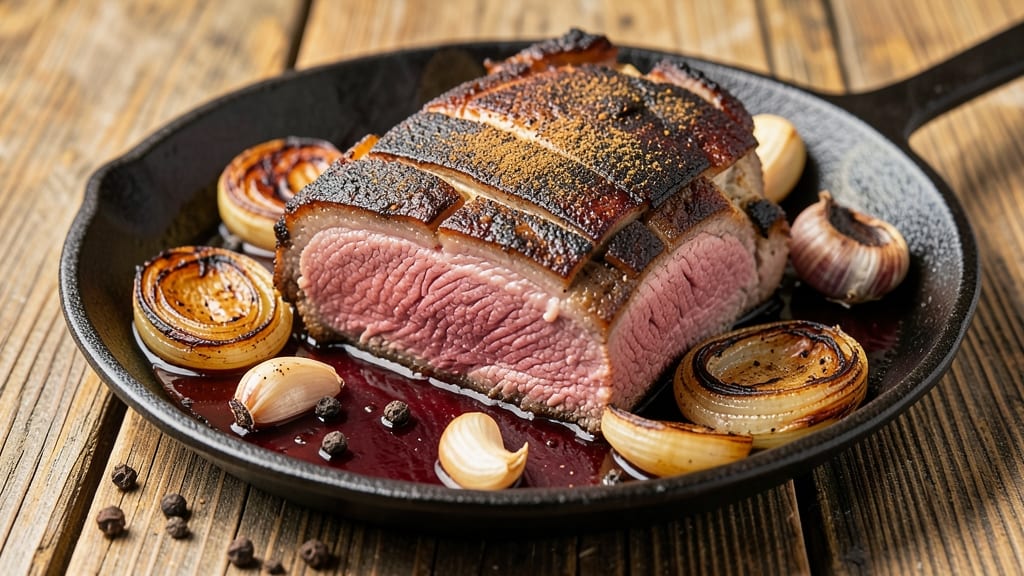
Ree Drummond’s beef brisket recipe delivers that signature fall-off-the-bone tenderness and deep, smoky sweetness that makes her cooking legendary. This isn’t just another brisket—it’s a masterclass in slow-cooked perfection, where hours of patient cooking transform tough meat into melt-in-your-mouth bites.
The key lies in her low-and-slow approach, paired with a simple yet bold seasoning blend that lets the beef shine.
What sets this recipe apart is Ree’s ability to balance tradition with approachability—no fancy equipment required, just time and attention. Whether you’re smoking it outdoors or adapting to an oven, the result is the same: rich, caramelized bark on the outside and buttery, fork-tender meat inside.
The secret? A dry rub that clings like armor, locking in flavors as the brisket breaks down into pure, smoky goodness.
By the time you slice into this brisket, you’ll understand why it’s a centerpiece for gatherings—every bite is juicy, flavorful, and impossible to resist. The aroma alone will have your kitchen smelling like a Texas ranch, and the texture?
Pure indulgence. This is the kind of brisket that turns weeknight dinners into memorable feasts.
Pair it with classic sides like creamy coleslaw or buttery cornbread, and you’ve got a full spread that feels like a hug from Ree herself. Let’s get cooking—your taste buds will thank you.
Ingredients for ree drummond beef brisket
Six pounds of beef, a handful of spices, and time—this is Ree's legendary brisket.
| Ingredient | Amount | Notes |
|---|---|---|
| Beef Brisket 🥩 | 6 lb | Packer cut, fat cap intact |
| Yellow Onion 🧅 | 2 whole | Yellow or red, sliced |
| Garlic Cloves 🧄 | 8 cloves | Peeled, smashed for rub |
| Smoked Paprika 🌶️ | ½ cup | High quality, not sweet |
| Ground Black Pepper 🌶️ | 2 tbsp | Freshly cracked, coarse |
| Kosher Salt 🧂 | ½ cup | Diamond Crystal preferred |
| Brown Sugar 🍯 | ¼ cup | Light or dark, packed |
| Ground Cumin 🌿 | 1 tbsp | Toasted for depth |
| Beef Broth 💧 | 2 cups | Low-sodium, room temp |
| Apple Cider Vinegar 🍎 | ¼ cup | For tenderizing |
| Fresh Thyme 🌿 | ¼ cup | Leaves only, chopped |
| Fresh Rosemary 🌿 | ¼ cup | Needles only, chopped |
| Yellow Mustard 🍯 | 2 tbsp | For bark adhesion |
| Butter 🧈 | ½ cup | Unsalted, softened |
The brisket is non-negotiable—packer cut with fat cap is key for moisture and flavor. Local butchers or Costco usually carry this cut, but if you're buying whole, ask for the flat half (leaner, more tender). The fat cap acts like insulation, keeping the meat juicy. If your butcher doesn't have it prepped, trim the fat to about 1/4-inch thick—enough to protect but not so much it slows cooking. For the spices, Penzeys or bulk bins at Whole Foods have the best quality, but don't stress if you can't find them—just make sure your smoked paprika isn't sweet (it should be deep red, not orange).
No smoked paprika? Substitute half with chipotle powder for heat, or double the cumin for earthiness. Fresh thyme and rosemary are ideal, but dried works at one-third the amount. If you're short on time, Trader Joe's frozen herbs are a lifesaver—they're pre-chopped and ready to use. The beef broth should be low-sodium; if yours isn't, dilute it with water. For the vinegar, apple cider adds brightness, but red wine vinegar works too. And if you're worried about the mustard altering the flavor, trust me—it disappears into the bark, creating that perfect crust.
This brisket tastes even better the next day, so make it ahead if you can. Wrap tightly in foil and refrigerate for up to 4 days, or freeze for 3 months. Reheat in the oven at 300°F until warmed through—about 20 minutes. The leftovers? Slice thinly and use in sandwiches, tacos, or hash. I always make a double batch—one for dinner, one for lunches. Store the sliced meat in the fridge with a layer of broth to keep it moist, or freeze in portions for quick meals.
Why You'll Love This Recipe
- One-Pan Magic: I swear by this recipe because it’s that simple—just the brisket, onions, and garlic sizzling in a skillet with smoked paprika until the edges caramelize. No fancy tools, no stress, and honestly? The mess is worth it.
- Smoky Depth in Minutes: That smoked paprika and black pepper combo transforms tough brisket into something tender and ridiculously flavorful. The onions melt into sweet, sticky pockets, and the garlic? It’s the secret weapon—every bite has this warm, aromatic punch.
- Weeknight Hero: Between us, this is my go-to when I’m too tired to plan but still want something hearty. It’s perfect for busy nights, potlucks, or even a lazy Sunday when you’re craving something substantial without the fuss.
- Leftovers That Win: I make this on Sundays because the flavor gets better the next day—yes, even the third. The brisket stays juicy, the spices deepen, and it’s the easiest way to feed a crowd without slaving away for hours. Budget-friendly? Absolutely.
Step-by-step instructions for Ree Drummond's beef brisket
Here's the method that delivers melt-in-your-mouth tenderness with a perfect balance of smoky-sweet flavors.
Prepare the Brisket and Seasoning Rub
Begin by trimming the fat cap of the 6 lb beef brisket to about ¼-inch thickness using a sharp boning knife. This creates an even surface for the rub while leaving enough fat to protect the meat during cooking. Pat the brisket dry with paper towels—this is crucial for bark formation later.
In a small bowl, combine the 0.5 cup smoked paprika, 0.5 cup kosher salt, 0.25 cup brown sugar, 2 tbsp ground black pepper, 1 tbsp ground cumin, 0.25 cup fresh thyme, and 0.25 cup fresh rosemary. Mix thoroughly until evenly distributed. This dry rub is the flavor foundation that will penetrate the meat and develop that signature crust.
Generously coat the brisket with the seasoning rub, pressing it into every crevice. The rub should stick firmly—no loose powder. Place the brisket on a plate, fat-side up, and let it sit at room temperature for 1 hour. This allows the seasoning to adhere and the meat to cook more evenly from the start.
Sear and Deglaze for Deep Flavor
Heat a Dutch oven or heavy pot over medium-high heat until hot. Add the 6 lb brisket fat-side down and sear for 8-10 minutes, pressing down gently with a meat mallet to ensure even contact. You'll hear sizzling and see the fat render beautifully—this creates the Maillard reaction that builds flavor.
Flip the brisket and sear the other side for another 8-10 minutes until both sides develop a deep golden-brown crust. Remove the brisket and set it aside. The pan will have beautiful browned bits—this is the flavor base we're about to unlock.
Add 2 tbsp yellow mustard to the hot pan and stir to coat the bottom, scraping up all those caramelized bits. This creates a sticky base that helps the bark adhere during cooking. Pour in the 2 cups beef broth and 0.25 cup apple cider vinegar, scraping up any remaining browned bits. Bring to a simmer and let it reduce by half—this concentrated liquid will become part of the tenderizing moisture.
Slow Cook Until Fork-Tender
Return the brisket to the pot, fat-side up, and add enough of the reduced liquid to come about halfway up the sides of the meat. The goal is to create a steam bath that gently cooks the brisket without drying it out. Cover the pot and transfer it to a 300°F oven.
Cook for 4-5 hours, checking occasionally to ensure there's always liquid around the brisket. You'll notice the meat will begin to pull away from the edges and develop a beautiful mahogany crust. This is when you know the magic is happening—slow cooking breaks down the tough collagen into gelatin, creating that irresistible tenderness.
After 4-5 hours, check the internal temperature using a meat thermometer. When it reaches 195-200°F, the brisket is ready. The probe should slide in like butter with no resistance, and the meat should be fork-tender. If it's not quite there, continue cooking for another 30-60 minutes—patience is key here.
Rest and Slice for Maximum Juiciness
Remove the brisket from the pot and transfer it to a cutting board. Tent loosely with aluminum foil and let it rest for 30-60 minutes. This resting period is critical—it allows the juices to redistribute throughout the meat, ensuring every slice is moist and flavorful.
While the brisket rests, skim any excess fat from the cooking liquid and discard. The remaining liquid can be used as a sauce or gravy—simply reduce it further on the stovetop if desired. The brisket should have a deep, rich aroma that fills your kitchen—this is your reward for the wait.
Slice the brisket against the grain into ¼-inch thick slices. The grain direction will be visible as lines running through the meat—cutting against these lines creates shorter muscle fibers, making each bite more tender. Serve immediately with the pan sauce and your favorite sides. The result should be fall-off-the-bone tender meat with a perfect balance of smoky, sweet, and savory flavors.
Pro Tips For Making Ree Drummond Beef Brisket
- Trim the Fat First: Ree Drummond’s brisket recipe works best when the fat cap is uniform—about ¼-inch thick. If yours is lumpy, use a sharp knife to even it out before seasoning. Uneven fat means uneven cooking, and you’ll end up with dry spots no amount of sauce can fix.
- Sear in Batches: That cast-iron skillet won’t hold all that brisket without crowding, and crowded meat steams instead of sears. Split the brisket into two batches—even if it means an extra minute of work—and you’ll get a proper crust. Trust me, the difference in flavor is night and day.
- Don’t Rush the Onions: The onions in this recipe aren’t just filler—they’re the base for all that smoky, caramelized goodness. Cook them low and slow until they’re deep golden, almost jammy, before adding the garlic. If you rush, you’ll end up with raw onion bits hiding in your sauce.
- Use a Meat Thermometer: Brisket’s tricky—it looks done when it’s still tough as boot leather. Pull it at 195°F internal temp (yes, even if it feels rare). Let it rest under foil for 15 minutes first, or you’ll slice into a sad, stringy mess. I learned this after serving a brisket that could’ve doubled as shoe leather.
Flavor customization for this recipe
Smoky Sweet Heat
For a brisket with a kick, add 1 tbsp cayenne pepper or 1 tsp chipotle powder to the dry rub. This creates a bold, smoky heat that pairs perfectly with the sweetness.
I like to balance it with an extra 1 tbsp brown sugar to keep the flavors harmonious. Serve with cool dill pickles to cut through the spice. 🌶️
Brown Sugar Caramel Glaze
Brush the brisket with a mixture of ½ cup brown sugar, ¼ cup apple cider vinegar, and 2 tbsp butter during the last 30 minutes of cooking.
This creates a sticky, caramelized crust that adds a deep, molasses-like richness. I recommend using a pastry brush for even application—it’s the secret to that restaurant-quality bark.
Citrus and Herb Brightness
Add zest from 1 orange and 2 tbsp fresh rosemary to the cooking liquid for a bright, herbal note. The citrus cuts through the richness while the rosemary adds an earthy depth.
I often finish the brisket with a squeeze of fresh orange juice before serving—it’s a refreshing contrast to the smoky flavors. 🍊
Spiced Coffee Rub
Swap out half the smoked paprika for 2 tbsp finely ground coffee in the dry rub. The coffee grounds add a deep, bittersweet complexity that enhances the meat’s natural flavors.
I prefer using freshly ground coffee for the best results—it’s worth the extra step. This variation is especially popular in Texas-style brisket competitions.
Honey and Mustard Glaze
Combine ¼ cup honey, 2 tbsp Dijon mustard, and 1 tbsp apple cider vinegar for a glossy glaze. Brush it on during the last 1 hour of cooking.
The honey adds a subtle sweetness while the mustard keeps the glaze from becoming too cloying. This glaze works beautifully with a charred onion topping for extra texture. 🍯
Creamy Blue Cheese Sauce
For a tangy twist, serve the brisket with a blue cheese sauce made from ½ cup crumbled blue cheese, ¼ cup sour cream, 2 tbsp beef broth, and 1 tsp Worcestershire sauce.
Whisk until smooth and drizzle over sliced brisket. The sharpness of the blue cheese balances the richness perfectly—it’s a crowd-pleaser at any gathering.
Nutrition facts
Frequently asked questions
Why does Ree Drummond’s brisket need to rest before slicing?
Resting allows the juices to redistribute throughout the meat, preventing dry slices. When you cut into brisket too soon, all the flavorful juices escape, leaving you with tough, dry meat. A 30-60 minute rest at room temperature ensures every bite stays moist and tender. Think of it as letting the meat "recharge" after all that slow cooking!
Can I cook this brisket in an oven instead of a smoker?
Use a Dutch oven or heavy roasting pan with a tight lid to mimic smoker conditions. Cook at 275°F (instead of 300°F) for 6-8 hours to maintain moisture. The key is keeping the temperature steady and adding liquid to create steam. The result will be just as tender, though the bark might be slightly less crisp than with traditional smoking.
What’s the difference between the flat and point cuts of brisket?
The flat is leaner and more tender, cooking faster (about 1.5 hours per pound to 203°F), while the point has more fat and connective tissue, needing 2 hours per pound to reach tenderness. Ree’s recipe works best with the packer cut (whole brisket), which includes both. If you must choose, the flat is easier for beginners, but the point delivers more complex flavor.
How do I know when my brisket is done?
Use a meat thermometer to check the thickest part of the flat—it should read 195-200°F. The probe should slide in like butter, and the meat should pull away from the bone easily. If it’s not quite there, add 15-30 more minutes of cooking time. Pro tip: The bark should be dark mahogany, not burnt, and the meat should be fork-tender.
Can I make this brisket ahead of time?
Yes! Cook it up to 2 days ahead and refrigerate wrapped tightly in foil. The flavors actually improve as it rests. Reheat in a 300°F oven for 20-30 minutes until warmed through. For longer storage, freeze the cooked brisket (unwrapped) for up to 3 months