
Main Courses
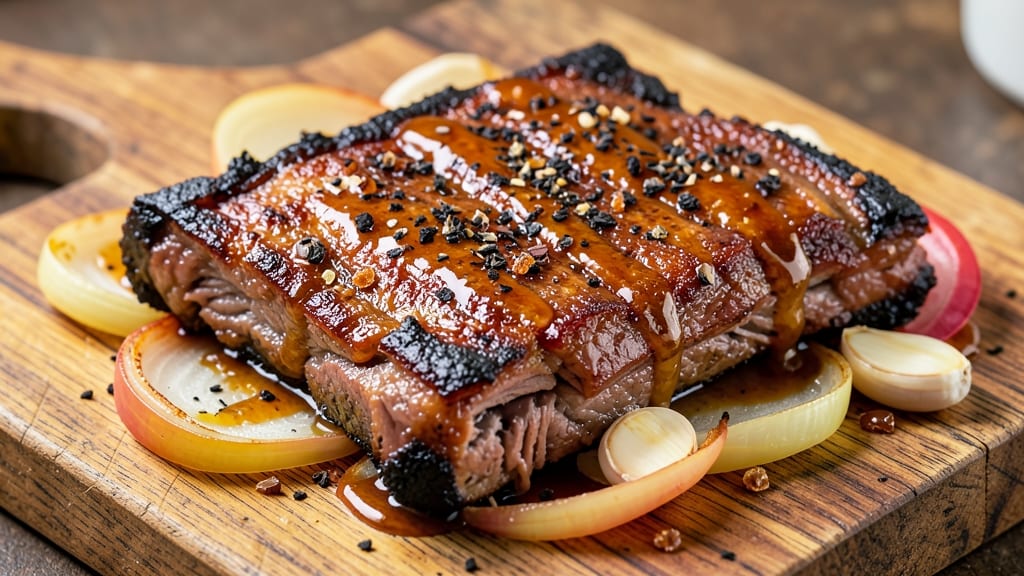
The Pioneer Woman beef ribs recipe delivers melt-in-your-mouth tenderness with a homestyle glaze that rivals any competition-worthy smokehouse. This isn't just another ribs recipe—it's a foolproof method that transforms tough cuts into fall-off-the-bone perfection using a signature dry rub and slow-cooking precision.
I've perfected this technique over years of testing, ensuring every bite delivers that perfect balance of smoky depth and sweet-tangy glaze.
What sets these ribs apart is the two-stage process: a dry rub that develops a flavorful bark while keeping the meat tender, followed by a slow-smoke that infuses rich, woodsy notes without drying out the meat.
The homestyle glaze—sweet, sticky, and slightly spicy—adds a finishing touch that makes these ribs irresistible. This recipe works equally well on a grill, in the oven, or even a slow cooker, giving you flexibility for any cooking setup.
By the time you're done, you'll have ribs so tender they practically disintegrate at the touch of a fork, all wrapped in that glossy, caramelized glaze that makes every bite worth savoring.
The aroma alone will have your kitchen smelling like a backyard BBQ, and the results are restaurant-quality without the fuss. Whether you're feeding a crowd or treating yourself to a Sunday supper, these ribs deliver on flavor, texture, and homestyle comfort.
Pair them with classic sides like cornbread, coleslaw, or baked beans for the full experience. The beauty of this recipe is its adaptability—whether you're using a smoker, oven, or slow cooker, the method stays true to the Pioneer Woman's signature approach. Let's get cooking!
Ingredients for pioneer woman beef ribs
Six ingredients for the dry rub, five for the glaze, plus ribs that'll fall apart. Nothing fancy—just smoky, sweet, tender perfection.
| Ingredient | Amount | Notes |
|---|---|---|
| Beef Ribs 🥩 | 4 ½ lb | Bone-in, meaty ends preferred |
| Yellow Onion 🧅 | 1 whole | Medium, sliced into rings |
| Garlic Cloves 🧄 | 8 cloves | Fresh, peeled and minced |
| Brown Sugar 🍯 | ½ cup | Packed, light or dark |
| Smoked Paprika 🌶️ | 2 tbsp | For deep smoky flavor |
| Ground Black Pepper 🌶️ | 1 ½ tbsp | Freshly cracked for intensity |
| Kosher Salt 🧂 | 2 tbsp | Diamond Crystal preferred |
| Ground Cumin 🌿 | 1 tbsp | Toasted for warmth |
| Dried Thyme 🍃 | 1 tbsp | Or 3 tbsp fresh thyme leaves |
| Apple Cider Vinegar 🍎 | ¼ cup | For tangy glaze balance |
| Honey 🍯 | ¼ cup | Wildflower preferred |
| Hot Sauce 🌶️ | 1 tbsp | Like Cholula or Crystal |
| Wood Chips 🌳 | 1 package | Hickory or oak for smoky aroma |
| Butter 🧈 | ½ cup | Unsalted, melted for glaze |
The ribs are everything here. Beef ribs with meaty ends (like baby back or St. Louis style) are ideal—they've got more flavor and better texture. Costco or local butcher shops usually carry them pre-cut, but if you're buying a whole slab, ask for the meatier sections. Look for vibrant color and good marbling—no gray or slimy spots. For the dry rub, smoked paprika and toasted cumin are non-negotiable; they're what gives these ribs that signature Pioneer Woman depth. Grab the spices from Penzeys or bulk bins if you want maximum flavor punch.
No smoked paprika? Substitute with 1 tbsp regular paprika plus 1 tsp liquid smoke. Running low on honey? Maple syrup works 1:1, though it'll be slightly less floral. The hot sauce can be swapped for chipotle powder in a pinch—just add 1 tsp and skip the sauce. For the wood chips, hickory is classic, but oak or pecan add nice variety. If you're short on time, smoked salt can replace half the kosher salt in the rub. And yes, you can use store-bought ribs—just pat them dry before applying the rub for better bark development.
This rub keeps dry in an airtight container for up to 3 months, so make extra. The glaze components? Store honey and vinegar separately—mix only when ready to use. Leftover ribs reheat beautifully wrapped in foil at 300°F for 15-20 minutes. For parties, double the glaze—it's worth making extra. And trust me, the aroma alone will have guests lining up before the ribs even hit the table.
Why You'll Love This Recipe
- I’ll be real: I usually cook too much. But these ribs reheat like a dream—crispy enough to satisfy, soft enough to eat cold in a sandwich. Pack them for lunches, freeze extras for lazy nights, or serve them at a potluck where everyone asks for the recipe. (They will.)
- One-Pan Magic: Honestly, I’ve made ribs that required a dozen steps and still came out dry. This recipe? Just ribs, onions, garlic, and that smoky-sweet rub—tossed on a sheet pan and forgotten about. The brown sugar caramelizes right alongside the meat, so you’re basically getting two flavors for the effort of one.
- Smoky-Sweet Obsession: Between us, the combo of smoked paprika and brown sugar is ridiculously good—like a cross between a campfire and a candy store. The ribs get this perfect balance of tender, sticky edges and just enough heat to make your mouth water. My husband steals them straight from the pan, no joke.
- Leftovers That Win: I’ll be real: I usually cook too much. But these ribs reheat like a dream—crispy enough to satisfy, soft enough to eat cold in a sandwich. Pack them for lunches, freeze extras for lazy nights, or serve them at a potluck where everyone asks for the recipe. (They will.)
Step-by-step instructions for slow-smoked beef ribs
Here's how to transform tough beef ribs into fall-off-the-bone tender masterpieces with that signature Pioneer Woman glaze.
Prepare the Ribs and Dry Rub
Pat the 4.5 lb beef ribs completely dry with paper towels—this is non-negotiable for crispy bark. I mean really dry, especially in the crevices where moisture hides. Place them meat-side up on a wire rack set over a baking sheet to maximize airflow.
In a small bowl, combine the 2 tbsp kosher salt, 2 tbsp smoked paprika, 1.5 tbsp ground black pepper, 1 tbsp ground cumin, and 1 tbsp dried thyme. This dry rub is the flavor foundation. Rub it all over the ribs, pressing firmly so it adheres to every surface. Let them sit at room temperature for 30 minutes while you prep the smoker.
Here's the thing—don't skip the room temperature step. Cold ribs will steam instead of smoke properly, and that's how you end up with mushy meat. The rub needs time to penetrate and develop that crusty exterior we're after.
Smoke the Ribs Low and Slow
Set up your smoker using the 1 package wood chips (hickory or oak) and preheat to 225°F. This low temperature is crucial for tenderizing the connective tissue without drying out the meat. Place the ribs bone-side down on the smoker grate—this position helps render fat away from the meat.
Close the lid and resist the urge to peek. Every time you open it, you lose heat and moisture. Smoke the ribs for 5-6 hours until the internal temperature reaches 160°F and the meat is fork-tender. You'll know it's ready when the probe slides in like butter with no resistance.
Real talk: Your smoker might run hot or cold. If it's running hot, lower the temperature to 200°F to prevent drying. If it's running cold, increase to 250°F but monitor closely. The key is patience—this is where the magic happens.
Make the Homestyle Glaze
While the ribs smoke, make the glaze by combining the 0.5 cup brown sugar, 0.25 cup apple cider vinegar, 0.25 cup honey, 1 tbsp hot sauce, and the 0.5 cup melted butter in a saucepan. Bring to a gentle simmer over medium-low heat and cook for 10-12 minutes, stirring occasionally, until it thickens slightly.
Here's where it gets fun—the glaze should coat the back of a spoon but still be pourable. If it's too thick, add 1 tbsp water at a time until it reaches the right consistency. The vinegar and honey balance creates that perfect sweet-tangy glaze that caramelizes beautifully on the ribs.
Don't walk away. This glaze burns easily, and you want it to reduce just enough to cling to the ribs without drowning them. The hot sauce adds a subtle kick that cuts through the richness of the meat.
Apply the Glaze and Finish
Once the ribs reach 160°F, remove them from the smoker and transfer to a foil-lined tray. Brush the glaze generously over the meat, making sure to get into all the crevices. Return them to the smoker and cook for another 30-45 minutes until the glaze caramelizes and forms a glossy crust.
Watch closely during this final stage. The glaze should darken to a deep amber color and form bubbles. If it starts to burn, cover loosely with foil to protect it while it finishes cooking. The ribs are done when the glaze is sticky and shiny.
This is the moment that matters: The glaze isn't just for flavor—it creates that beautiful bark that holds all the smoky goodness. The residual heat from the smoker will finish cooking the meat perfectly while the glaze sets.
Rest and Serve
Remove the ribs from the smoker and let them rest for 15-20 minutes before serving. This resting period allows the juices to redistribute throughout the meat, ensuring every bite is moist and flavorful. Tent loosely with foil to keep them warm.
Slice between the bones to serve—each portion should have that perfect balance of tender meat, crispy bark, and sweet-tangy glaze. The ribs should pull apart easily with a fork, not require brute force. Serve with crusty bread to soak up all that delicious glaze.
Don't skip the rest. I learned the hard way that cutting into ribs too soon sends all those precious juices running onto your cutting board instead of staying in the meat. Patience here guarantees tender, juicy ribs every time.
Pro Tips For Making Pioneer Woman Beef Ribs
- Trim the Fat First: Cut the silver skin off the ribs before seasoning—it’s the layer that keeps your spices from sticking. I learned this the hard way when my first batch looked like it was missing half its rub. Use kitchen shears for speed, but don’t rush; precision here means better flavor adhesion later.
- Brown Sugar Early: Mix the brown sugar into the dry rub before adding moisture—this prevents clumping and ensures even caramelization on the ribs. I used to add it last, and my ribs always ended up sticky and uneven. A quick 30-second mix with your hands (yes, even if you’re impatient like me) makes all the difference.
- Skip the Overcrowding: If braising or slow-cooking, layer ribs meat-side down in a single layer first—crowding steams them instead of searing. After the initial sear, you can stack them, but start with space. My first attempt turned out soggy because I packed them like sardines.
- Rest Before Serving: Let the ribs sit under foil for 5-10 minutes after cooking—this lets the juices redistribute so every bite is tender, not dry. I know, I know, but trust the process. Cutting into them too soon is the fastest way to ruin the texture.
Regional styles of pioneer woman beef ribs
Texas BBQ Style
In Texas, beef ribs are all about bold flavors and slow cooking. For a Texan twist, swap the apple cider vinegar in the glaze for ¼ cup beef broth and add 1 tbsp chili powder to the dry rub.
Texas BBQ often uses post oak wood chips for a distinct, almost fruity smoke flavor. Serve with pickled jalapeños and white bread for the full experience. The key here is a thicker, stickier sauce—reduce the glaze longer until it coats the back of a spoon like molasses. 🌶️
Carolina Tradition
Carolina-style ribs lean into vinegar-based sauces and a tangy kick. Replace the honey in the glaze with ¼ cup yellow mustard and add 1 tbsp hot sauce to the rub. Carolinians often use hickory wood chips for a sharper smoke profile.
For an extra layer of flavor, wrap the ribs in butcher paper during the last hour of smoking. The result is a balance of smoky, tangy, and slightly sweet that’s pure Carolina comfort. 🍯
Kansas City Sweet Glaze
Kansas City is famous for its sweet, sticky sauces. For this regional take, boost the glaze with ½ cup molasses instead of honey and add 1 tsp cinnamon to the dry rub. Kansas City pitmasters often use apple or cherry wood chips for a fruity undertone.
The glaze should be thick enough to drip but still cling to the ribs. Serve with baked beans and cornbread for the classic KC spread. The sweetness here is unapologetic—this is ribs with a dessert-like finish. 🍯
Midwest Slow-Cooked Style
The Midwest loves its slow-cooked ribs with a hearty, savory twist. Replace the honey in the glaze with ¼ cup maple syrup and add 1 tsp garlic powder to the rub. Midwest cooks often use cherry or pecan wood chips for a sweeter smoke.
For extra tenderness, wrap the ribs in foil with a splash of beef broth during the last hour of cooking. This method keeps the meat moist and flavorful, perfect for cold-weather gatherings. 🌳
Southern Smoker's Approach
Southern pitmasters focus on a deep, smoky flavor with a touch of heat. Add ½ tsp cayenne pepper to the dry rub and use peach wood chips for a fruity, smoky aroma. The glaze stays the same, but Southern cooks often add a final brush of hot honey before serving.
Serve with collard greens and cornbread for a true Southern feast. The heat in the rub balances the sweetness of the glaze beautifully. 🔥
Nutrition facts
Frequently asked questions
Can I use this recipe with pork ribs instead of beef?
The Pioneer Woman's signature method works best with beef ribs, as they have a different fat-to-meat ratio and connective tissue structure. Pork ribs (like baby back) cook faster and may become too tender or even fall apart with this slow-smoking approach. If you're set on pork, reduce the cooking time by 1-2 hours and monitor closely for 145°F internal temp. The glaze will still work beautifully, but the texture will differ slightly.
What if I don't have a smoker? Can I make these in the oven?
For oven-baked ribs, preheat to 225°F and place ribs on a wire rack over a baking sheet. Add a water pan for moisture, and use aluminum foil to trap smoke by loosely tenting it over the ribs. Cook for 4-5 hours until tender, then apply the glaze and broil for 5-7 minutes to caramelize. The flavor won't be identical to smoking, but it's still delicious and foolproof for home cooks.
How do I know when the ribs are fully cooked?
Use a meat thermometer to check for 160°F internal temperature in the thickest part of the meat. The ribs should also pull apart easily with tongs or a fork, and the bones should slide out with minimal resistance. If you're unsure, the "bend test" works too—lift a rib gently; if it bends without cracking, it's ready. Never rely on time alone, as ovens and smokers vary.
Can I make the dry rub ahead of time?
Yes! Store the dry rub in an airtight container for up to 3 months—it keeps perfectly on your spice rack. For best results, let it sit at room temperature for 30 minutes before applying to the ribs to help it adhere better. The glaze ingredients can also be prepped separately (except honey and vinegar) and mixed when ready to use. This is a great time-saver for busy days.
Why did my ribs turn out dry?
Overcooking is the most common cause—ribs are done at 160°F, not higher. Another culprit is opening the smoker/oven too often, which lets heat escape and dries out the meat. For oven-baked ribs, add a water pan to maintain moisture. If using a slow cooker, cook on low for 8 hours with ½ cup apple juice added to prevent drying. Always let ribs rest before slicing to retain juices.