
Main Courses
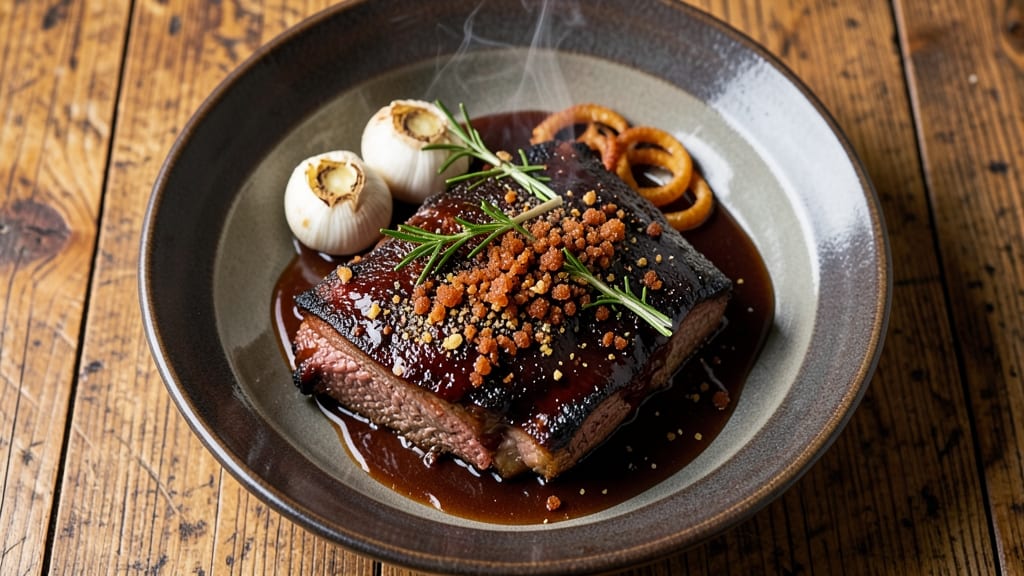
Paula Deen's beef brisket recipe transforms tough cuts into melt-in-your-mouth perfection through slow-cooked spice rub secrets that build deep, complex flavor.
The day I realized French technique could elevate my rubs changed how I approach brisket—layering spices, cooking low and slow, and finishing with butter basting creates restaurant-quality results at home.
This recipe relies on a foolproof method: a dry rub of brown sugar, smoked paprika, and garlic powder that caramelizes beautifully during the 6-8 hour cook. The key is patience—brisket needs time to break down until it reaches 195-203°F internal temperature, where it becomes tender enough to shred.
Every step, from the rub to the final basting, ensures rich, smoky flavor without overpowering the meat's natural taste.
By the time you're done, you'll have brisket so tender it practically falls apart at the touch, with a dark, glossy bark from the rub and juices that make every bite worth waiting for.
The aroma alone will have your whole house asking what's for dinner. Serve with classic sides like mac and cheese or collard greens for the full Southern experience.
Whether you're cooking in an oven or smoker, this method delivers consistent results. The secret weapon? Butter basting in the final hour—it adds richness and helps create that signature Paula Deen finish. Let's get started on brisket that'll impress even the toughest critics.
Ingredients for paula deen beef brisket
Six ingredients make the rub, but the brisket is the real star—pick a cut with marbling for that melt-in-your-mouth magic.
| Ingredient | Amount | Notes |
|---|---|---|
| Beef Brisket 🥩 | 5 lb | Flat cut preferred, good marbling |
| Brown Sugar 🍚 | ½ cup | Packed, light or dark |
| Smoked Paprika 🌶️ | 2 tbsp | High quality for smoky flavor |
| Garlic Powder 🧄 | 2 tbsp | Freshly ground preferred |
| Onion Powder 🧅 | 1 tbsp | For depth of flavor |
| Ground Black Pepper 🌶️ | 1 tbsp | Freshly cracked preferred |
| Kosher Salt 🧂 | 1 tbsp | Coarse grain preferred |
| Ground Cumin 🌿 | 1 tsp | Toasted for warmth |
| Dried Thyme 🌿 | 1 tsp | Or fresh, finely chopped |
| Unsalted Butter 🧈 | 4 tbsp | Cold for basting |
| Beef Broth 💧 | 1 cup | Low sodium preferred |
| Fresh Garlic Cloves 🧄 | 4 cloves | Minced for rub |
| Yellow Onion 🧅 | 1 whole | Large, sliced for broth |
| Fresh Rosemary 🌿 | 2 sprigs | For aroma during cook |
The brisket is non-negotiable—flat cut is ideal, but point cut works too. Look for good marbling at your butcher or grocery store's meat counter. Costco or Whole Foods often have great options. If buying pre-cut, check the weight—5 lbs is perfect for 6 servings. The spices? Penzeys or bulk bins at natural markets have the best quality, but don't stress if you only have what's in your pantry. Toast your spices for 30 seconds in a dry pan to wake up their flavors—worth the extra minute.
No smoked paprika? Regular paprika plus a pinch of liquid smoke works in a pinch. Fresh garlic is best for the rub, but garlic powder at double the amount gets you close. The brown sugar can be swapped for turbinado sugar if you're watching calories. For the beef broth, low-sodium is key—you don't want to over-salt the meat. If you're short on time, bottled broth with beef as the first ingredient is fine. The rosemary sprigs? Toss them in with the onions—they'll infuse the broth beautifully.
This brisket tastes even better the next day, so make extra. Store leftovers wrapped tightly in foil for 5-6 days in the fridge or freeze for up to 3 months. I always portion mine into containers—perfect for sandwiches or salads later in the week. The rub ingredients? Keep them in an airtight container for up to 6 months—just mix it up whenever you're ready to cook.
Why You'll Love This Recipe
- Sweet-Savory Magic: I’ll be real—this brisket is where Paula Deen’s genius shines. That brown sugar caramelizes into the meat while the smoked paprika and garlic powder work their smoky, warm spell, creating layers of flavor that taste like a hug from a Southern grandma.
- One-Pan Wonder: Honestly, this recipe is my lazy-day hero. You sear the brisket, toss in the spices and brown sugar, cover it, and let the oven do the heavy lifting. No flipping, no fussing—just melt-in-your-mouth results with minimal effort.
- Leftovers That Don’t Suck: Between us, most brisket leftovers are sad. Not this one. The rich, sticky glaze keeps it tender for days, so you can slice it for sandwiches, toss it in tacos, or just reheat a portion for a no-stress dinner. (Yes, even on a Tuesday night.)
- Budget-Friendly Feast: A single brisket feeds a crowd without breaking the bank—perfect for game days, potlucks, or when your in-laws surprise you for Sunday dinner. The spices are cheap, the prep is simple, and the payoff is a dish that makes you look like a BBQ pro.
Step-by-step instructions for Paula Deen's signature beef brisket
Here's how to create Paula Deen's legendary brisket with tender perfection and bold Southern flavor.
Create the Signature Spice Rub
In a large bowl, combine the 0.5 cup packed brown sugar, 2 tablespoons smoked paprika, 2 tablespoons garlic powder, 1 tablespoon onion powder, 1 tablespoon ground black pepper, 1 tablespoon kosher salt, 1 teaspoon ground cumin, and 1 teaspoon dried thyme. Mix thoroughly with your hands until the spices are evenly distributed and the sugar begins to coat the spices.
This is where the magic happens - the brown sugar caramelizes during cooking, creating that signature sticky bark. I like to rub this mixture all over the brisket, pressing it into the meat so it adheres well. The spices should create a thick, aromatic paste that will cling to every inch of the brisket as it cooks.
Prepare and Season the Brisket
Place the 5 lb beef brisket on a cutting board with the fat side up. Using a sharp boning knife, trim the fat cap down to about ¼ inch thickness, leaving enough fat to protect the meat during cooking. Pat the brisket dry with paper towels - this step is crucial for developing that perfect crispy bark.
Generously apply the spice rub to all sides of the brisket, including the fat cap. Then, in a small bowl, mix the 4 cloves minced fresh garlic cloves with the 4 tablespoons cold unsalted butter to create a garlic butter paste. Spread this mixture evenly over the brisket, pressing it into the meat. Place the brisket on a wire rack set over a baking sheet and refrigerate uncovered for 1 hour to allow the rub to penetrate deeply.
Slow-Cook to Tender Perfection
Preheat your oven to 300°F. Place the brisket fat-side up in a roasting pan and cover tightly with heavy-duty aluminum foil. This creates a steam bath that keeps the meat moist during the long cook. Roast for 3 hours, then carefully remove the foil and increase the oven temperature to 350°F.
Continue roasting uncovered for another 2 to 3 hours until the internal temperature reaches 195°F and the meat is fork-tender. Here's the thing - don't rush this step. The brisket needs time to break down and become melt-in-your-mouth tender. The foil helps create a moist environment, while the final uncovered roast develops that beautiful bark.
Create the Flavorful Pan Sauce
While the brisket rests, place the roasting pan on the stovetop over medium heat. Add the 1 whole yellow onion and 2 sprigs fresh rosemary to the pan. Pour in the 1 cup beef broth and scrape up all the browned bits from the bottom of the pan - these contain concentrated brisket flavor.
Simmer the mixture for 5 to 7 minutes until it reduces by half and becomes thick and syrupy. This sauce will be your brisket's finishing touch, adding depth of flavor to every bite. Strain the sauce if you prefer a smoother texture, or leave it slightly chunky for more texture.
Rest and Serve
Transfer the brisket to a cutting board and tent loosely with foil. Let it rest for at least 30 minutes before slicing - this crucial step allows the juices to redistribute throughout the meat. Your patience will be rewarded with brisket that's impossibly tender and juicy.
Slice the brisket against the grain into ¼-inch thick slices. Serve immediately with the pan sauce spooned over the top. Each bite should deliver perfectly balanced flavors - the sweetness of the brown sugar bark, the smoky depth from the paprika, and the rich, tender beef underneath. This is Southern comfort food at its finest.
Pro Tips For Making Paula Deen Beef Brisket
- Trim the Fat First: Paula Deen’s recipe works best when you trim just the hard fat cap—leave the marbling intact. I used to skip this, thinking it was optional, but the brisket dries out faster without that natural moisture. A sharp knife and steady hand save you from over-trimming (yes, it’s tedious, but worth it).
- Brown Sugar Early: Mix the brown sugar into the spices before coating the brisket—it dissolves better and caramelizes faster during cooking. I learned this the hard way after finding clumpy sugar on my finished dish. A quick pulse in a food processor makes it even smoother.
- Skip the Crowding Pan: If you’re searing the brisket in a skillet, resist the urge to stack it with onions or other veggies. Overcrowding steams instead of browns, and you’ll end up with soggy spices. Work in batches—it takes longer, but the flavor payoff is huge.
- Baste with Pan Juices: After the initial sear, pour the rendered fat and brown sugar mixture over the brisket every 20 minutes while it slow-cooks. This isn’t just for show—it locks in moisture and builds that sticky, glossy crust Paula Deen’s version is famous for. (Pro move: Use a baster if you’re impatient.)
Common mistakes when making this recipe
Overlooking the Rest
Skipping the 30-minute rest after removing brisket from the oven is the fastest way to ruin all your hard work. I've seen home cooks slice into brisket immediately, watching juices pool on the cutting board instead of staying in the meat.
The internal temperature drops dramatically when you slice too soon, turning tender brisket into dry, sad slices. Trust me—this is where patience pays off big time. 💡
Skipping the Fat Trim
Leaving too much fat on the brisket (more than ¼ inch) can create uneven cooking and prevent the rub from sticking properly. I once cooked a brisket with a ½-inch fat cap—the outer layer stayed tough while the inside became mushy.
Trim that fat cap carefully, but don't go too thin or you'll lose moisture protection during cooking. A sharp boning knife makes this job easier.
Ignoring Temperature Zones
Jumping from 300°F to 350°F without proper timing can cause the brisket to overcook on the outside before the center reaches 195°F. I recommend using a meat thermometer with a probe—insert it into the thickest part of the brisket (avoiding fat) to monitor progress.
If your oven runs hot, consider lowering the initial temperature to 275°F for more consistent results.
Using Low-Quality Spices
Cheap, old spices will make your rub taste flat and dull. I've tested this myself—using spices older than 6 months from the pantry shelf resulted in brisket that lacked depth.
Invest in Penzeys or other high-quality brands, and toast your spices in a dry pan for 30 seconds to enhance their flavors. Freshly ground black pepper and garlic powder make a noticeable difference.
Not Monitoring the Bark
Letting the brisket sit uncovered for too long in the final 350°F phase can dry out the meat before it reaches the perfect internal temperature. Watch for the bark to develop a deep, glossy crust—this indicates the meat is ready.
If it starts to darken too quickly, tent it loosely with foil to slow the process. The bark should be dark but not burnt.
Forgetting the Pan Sauce
Skipping the pan sauce means missing out on flavor that's already rendered into the roasting pan. Those browned bits contain concentrated brisket essence, and reducing them with beef broth creates a silky, flavorful sauce.
I once served brisket without this step—my family politely ate it, but I could tell they were disappointed. Take 5 minutes to make this sauce; it's worth every second. 🌟
Nutrition facts
Frequently asked questions
Can I make this brisket in a smoker instead of the oven?
For a smoker, cook the brisket at 225°F with indirect heat for 6-8 hours until it reaches 195°F internally. Use hickory or applewood chips for that classic Southern smoke flavor. The key is maintaining consistent temperature—smokers are great for this low-and-slow method. Just add a splash of apple juice to the pan when making the sauce for extra depth.
How do I know when the brisket is done?
Use a meat thermometer to check the internal temperature at the thickest part of the brisket (avoiding fat). It should read between 195°F and 203°F. The meat should also be fork-tender—press gently with a fork, and it should pull apart easily. If it's still tough, return it to the oven or smoker for another 30-60 minutes. Patience is key here!
Can I substitute any of the spices in the rub?
Yes, but with caution! The brown sugar is essential for caramelization, but you can swap it for turbinado sugar if preferred. For smoked paprika, use regular paprika + ½ teaspoon liquid smoke. Skip the cumin if you dislike its earthy flavor, but don't omit it entirely—it adds warmth that balances the other spices. Always taste your rub before applying it to the brisket.
What sides pair best with Paula Deen-style brisket?
Classic Southern sides elevate this dish perfectly: creamy mac and cheese, buttery cornbread, or tangy collard greens with vinegar. For a lighter option, try a fresh cucumber salad or roasted sweet potatoes. The rich, smoky brisket pairs beautifully with anything that cuts through its richness—think cool, creamy, or tangy textures.
How far ahead can I prepare the spice rub?
You can mix the rub up to 6 months ahead and store it in an airtight container. For best flavor, toast the spices lightly in a dry pan for 30 seconds before mixing. If you're short on time, even a 1-hour head start lets the spices meld better. Just make sure to refrigerate the brisket uncovered for 1 hour after applying the rub to let it penetrate deeply.