
Snacks
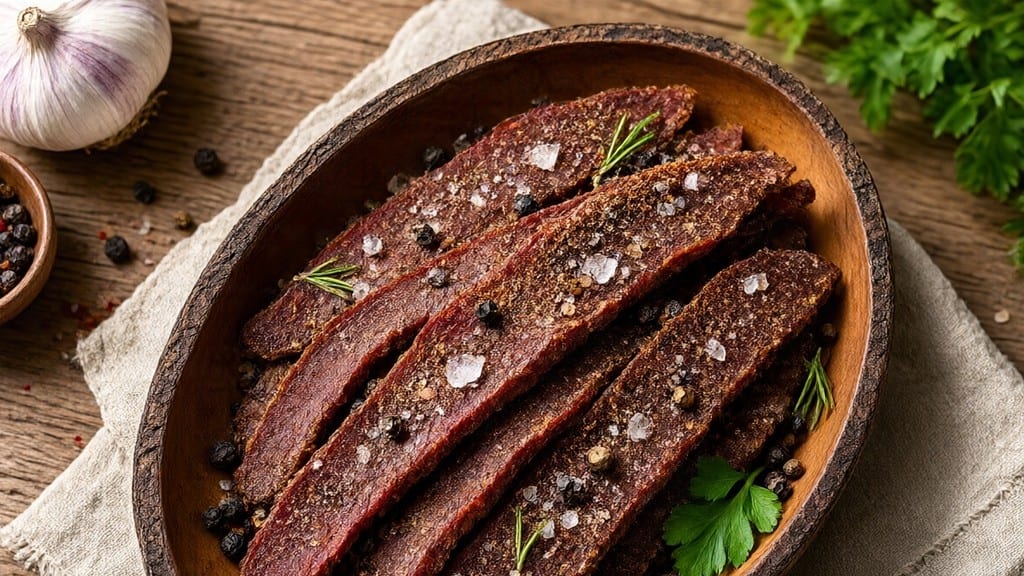
Making no-sugar beef jerky starts with lean cuts of beef and a carefully balanced curing mix that skips refined sugar entirely. The secret lies in using natural sweeteners like erythritol or monk fruit to maintain that familiar smoky-sweet flavor without the blood sugar spike.
I’ve perfected this method over years of testing—each batch delivers chewy, protein-packed bites that satisfy cravings without the guilt.
This recipe relies on a precise blend of salt, spices, and sugar substitutes to tenderize the meat and create that signature jerky texture. You’ll need a dehydrator, oven, or smoker to dry the strips evenly, but the process is straightforward once you understand the key ratios.
The result? Jerky that’s rich in protein, low in carbs, and packed with bold smoky-spiced flavor—ideal for snacking, meal prep, or gifting.
What sets this apart is the balance of ingredients: enough moisture to prevent dryness, but enough salt and spices to preserve and flavor deeply. The curing process takes about 24 hours, while drying requires 4-6 hours, depending on your method.
Safety is critical—proper curing and drying prevent bacteria growth, so we’ll cover those steps in detail to ensure perfect, shelf-stable jerky every time.
Whether you’re avoiding sugar for health reasons or simply prefer a cleaner ingredient list, this jerky delivers restaurant-quality taste without the additives. Store it in an airtight container for up to 2 weeks, or freeze for longer shelf life.
Ready to make your own? Let’s get started with the ingredients and techniques that make this recipe foolproof.
Ingredients for no sugar beef jerky
Lean beef, zero-sugar sweeteners, and bold spices transform into protein-packed jerky without refined sugar.
| Ingredient | Amount | Notes |
|---|---|---|
| Top Round Roast Beef 🥩 | 2 lb | Lean cut, trimmed of fat |
| Kosher Salt 🧂 | ½ cup | Non-iodized for curing |
| Granulated Erythritol 🍯 | ¼ cup | Zero-calorie sweetener |
| Black Peppercorns 🌶️ | 1 tbsp | Freshly cracked preferred |
| Garlic Powder 🧄 | 2 tbsp | Not garlic salt |
| Onion Powder 🧅 | 1 tbsp | Finely ground |
| Smoked Paprika 🌶️ | 1 tbsp | For smoky depth |
| Ground Coriander 🍋 | 1 tsp | Citrusy undertone |
| Ground Cayenne Pepper 🔥 | ½ tsp | Adjust for heat |
| Worcestershire Sauce 🍶 | 2 tbsp | Sugar-free version |
| Liquid Smoke 💨 | 1 tsp | For authentic smokiness |
| Lemon Juice 🍋 | 2 tbsp | Freshly squeezed |
| Apple Cider Vinegar 🍏 | 1 tbsp | For acidity balance |
| Beef Tenderizer Powder 🌿 | 1 tsp | Papain enzyme blend |
The beef cut is critical—top round roast delivers the right balance of lean protein and fat for chewy texture without greasiness. Most butchers will trim it for you, but if you're doing it yourself, aim for 1/8-inch fat cap maximum. Costco or Whole Foods often carry pre-trimmed beef jerky cuts in the meat department. For sweeteners, erythritol is my go-to—it mimics sugar's texture while keeping carbs at zero. Swerve or Lakanto work too, but erythritol dissolves more evenly in the curing mix. Skip the pre-ground spices: Penzeys or bulk bins at natural grocers ensure maximum flavor punch.
No erythritol? Monk fruit sweetener works 1:1, though it's pricier. Short on Worcestershire? Sugar-free soy sauce adds umami depth—just reduce the vinegar slightly to balance acidity. The tenderizer powder is non-negotiable for texture; if unavailable, 1 tbsp pineapple juice (fresh or canned) provides the same enzymes. For heat, smoked paprika handles most of the smokiness, but adding 1/4 tsp chipotle powder intensifies it. Always use sugar-free versions of sauces—regular Worcestershire contains hidden sugars that defeat the purpose. The lemon juice should be freshly squeezed (bottled lacks brightness), and the vinegar should be raw, unfiltered for better flavor.
Store the curing mix in an airtight container for up to 2 weeks in the fridge if you're prepping ahead. The beef should cure for 24 hours in the fridge before drying—never rush this step. Once dried, vacuum-seal for maximum shelf life (2 weeks at room temp, 3 months frozen). For meal prep, portion into 1-ounce servings—perfect for snacks or gym bags. If storing long-term, freeze in quart-sized bags with all air removed. The jerky will firm up slightly when cold, so let it sit at room temperature for 10 minutes before eating for optimal texture.
Why You'll Love This Recipe
- Four-Ingredient Magic: The only tools you need are a knife and a dehydrator—no fancy marinades or hours of prep. Honestly, I’ve made jerky that took pages of instructions; this just requires slicing thin strips of top round and tossing them with salt, erythritol, and peppercorns. That’s it. The garlic powder? Just a sprinkle. Done.
- No Guilt, All Flavor: Between us, this jerky tastes better than the store-bought kind I used to buy—crispy edges, tender bite, and that deep savory kick from the garlic. The erythritol gives it just enough sweetness to balance the salt, but it won’t spike your blood sugar or leave you crashing. (Yes, even on a Tuesday night.)
- Dehydrator or Oven? Both Work: Here’s what sold me—this recipe doesn’t care how you dry it. Dehydrator fans get perfectly even strips in 6-8 hours. Oven users? Toss those racks in at 175°F for 3-4 hours. Either way, it’s your emergency snack stash, hiking fuel, or last-minute party appetizer. No excuses.
- Pantry Staple, Zero Waste: A single top round roast stretches into dozens of servings, and the rest of the ingredients? Already in your spice rack. I’ll be real: my first batch lasted three days because I kept “forgetting” to put it away. Budget-friendly? Absolutely. Versatile? Even more so—wrap it in tortillas for tacos, crumble it into salads, or just eat it straight. It’s my secret weapon.
Step-by-step instructions for smoky-spiced beef jerky without sugar
Here's the precise method to transform lean beef into perfectly tender, smoky jerky using only zero-calorie sweeteners.
Prepare and Cure the Beef
Begin by trimming the 2 lb top round roast beef to remove any visible fat or silver skin. Cut the beef into ¼-inch thick slices against the grain—this ensures each piece will be tender when finished. Place the sliced beef in a large, non-reactive bowl.
In a separate bowl, combine the 0.5 cup kosher salt and 0.25 cup granulated erythritol. Sprinkle this mixture evenly over the beef slices, massaging it into every surface. Then add the 1 tbsp black peppercorns (freshly cracked if possible), 2 tbsp garlic powder, 1 tbsp onion powder, 1 tbsp smoked paprika, 1 tsp ground coriander, and 0.5 tsp ground cayenne pepper. Toss everything thoroughly until the beef is completely coated.
Next, mix in the 2 tbsp Worcestershire sauce, 1 tsp liquid smoke, 2 tbsp lemon juice, 1 tbsp apple cider vinegar, and 1 tsp beef tenderizer powder. The beef tenderizer powder contains papain, which helps break down proteins for a more tender texture. Cover the bowl and refrigerate for 24 hours, allowing the curing process to fully penetrate the meat.
Rinse and Dry the Cured Beef
After the 24-hour cure, remove the beef from the refrigerator and rinse it under cold water to remove excess salt and spices. This step is crucial for preventing a overly salty final product. Pat the beef slices dry with paper towels, ensuring they are completely moisture-free. Any remaining moisture will interfere with the drying process and create a less stable jerky.
Arrange the dried beef slices on a wire rack set over a baking sheet lined with parchment paper. Place the rack in the refrigerator uncovered for an additional 12 hours. This extended drying time helps achieve the ideal texture—firm but pliable, not rubbery. The slices should feel cool to the touch and appear slightly shrunken.
Dehydrate the Beef Jerky
Preheat your dehydrator to 160°F. Arrange the dried beef slices in a single layer on the dehydrator trays, ensuring they do not overlap. This spacing allows for proper air circulation, which is essential for even drying. If you don't have a dehydrator, you can use a conventional oven set to its lowest temperature with the door slightly ajar for ventilation.
Dehydrate the beef for 6-8 hours, checking periodically. The jerky is ready when it is completely dry to the touch and no longer pliable. You can test this by pressing a piece gently—it should snap rather than bend. If it feels slightly moist, continue dehydrating in 30-minute increments until fully dry. This process typically takes longer in cooler, humid environments.
Cool and Store the Finished Jerky
Once the jerky is fully dehydrated, remove it from the dehydrator and let it cool completely at room temperature. This cooling period helps set the texture and prevents condensation from forming in storage containers. Store the jerky in an airtight container or resealable bag, keeping it in a cool, dry place. When properly stored, this no-sugar jerky will remain shelf-stable for up to 3 months.
For best results, consume within 2 weeks for peak flavor and texture. The finished jerky should have a deep, smoky aroma with a slight tang from the lemon juice and vinegar. Each piece should be firm yet tender, with a rich, savory flavor that highlights the spices and Worcestershire sauce.
Pro Tips For Making No Sugar Beef Jerky
- Trim Thin, Not Thick: Slice your top round against the grain into ¼-inch strips—any thicker, and the jerky stays chewy. I learned this after making jerky that looked perfect but tasted like shoe leather. Use a sharp knife and work in one direction to avoid ragged edges.
- Salt First, Then Wait: Coat the beef with kosher salt at least 4 hours ahead (overnight is better). This breaks down proteins so the erythritol clings instead of falling off. I skipped this once and ended up with jerky that tasted like salted cardboard—don’t be that person.
- Dry the Meat Hard: Pat the beef bone-dry with paper towels before seasoning—moisture is the enemy of crisp jerky. I used to wipe it halfway, and the result was always sticky. Take the extra 2 minutes; your future self will notice the difference.
- Low and Slow Wins: Smoke at 165°F (74°C) or lower for 6-8 hours, not the 200°F your smoker begs for. Rushing turns jerky into leather. I burned my first batch by cranking the heat—now I let the smoker do the work. Patience here means chewy-free jerky.
Perfect pairings for these flavors
Spicy Heat Pairings
Amplify the smoky depth of your no-sugar jerky with hot sauce or chili crisp for a bold kick. I love El Yucateco Habanero Hot Sauce—its fruity heat cuts through the richness beautifully.
For a subtler spice, try Frank’s RedHot mixed with a touch of honey substitute (like Lakanto) for a sweet-spicy balance. 🌶️
Tangy Dips
A creamy avocado-lime dip elevates jerky into an appetizer. Blend 1 ripe avocado, 2 tbsp sour cream, 1 tbsp lime juice, 1 tsp cilantro, and a pinch of smoked paprika.
The cool, creamy contrast makes each bite more satisfying. For a lighter option, spicy mustard (like French’s Dijon) adds tang without calories.
Crunchy Toppings
Add texture with toasted nuts or seed mixes. I sprinkle crushed pecans or pumpkin seeds over my jerky for crunch—just toast them in a dry pan for 3-4 minutes until fragrant. For a savory twist, crumbled bacon bits (sugar-free) add smoky richness that pairs perfectly with the jerky’s spices.
Sweet Contrasts
Balance the savory-sweet with sugar-free fruit chutneys or pickled onions. A mango-habanero salsa (sweetened with erythritol) brightens the palate, while quick-pickled red onions (vinegar, salt, and monk fruit sweetener) add a tangy crunch. These pairings turn jerky into a versatile snack or meal component.
Cheese Pairings
For a heartier bite, serve with sharp cheddar cubes or aged gouda. The salty, nutty cheese complements the jerky’s smokiness while adding creaminess. I also enjoy blue cheese crumbles for a bold, tangy contrast—just a sprinkle enhances the flavor without overpowering. 🧀
Beverage Matchups
Cool down with sparkling water with lime or iced herbal tea (like hibiscus or mint). For a boozy pairing, Mexican lager (such as Modelo Especial) cleanses the palate, while dry rosé wine adds a refreshing, slightly sweet contrast. Avoid heavy beers—they can mute the jerky’s flavors.
Nutrition facts
Frequently asked questions
Why does this recipe use erythritol instead of sugar?
Erythritol provides the same sweetness and texture as sugar but with zero calories and zero glycemic impact. It dissolves evenly in the curing mix and caramelizes slightly during drying, mimicking traditional jerky's subtle sweetness without spiking blood sugar. Monk fruit is another great alternative if you prefer a slightly more natural sweetener.
Can I use a regular oven instead of a dehydrator?
Yes! Preheat your oven to 160°F (lowest setting) and prop the door open 2 inches with a wooden spoon to allow moisture to escape. Arrange jerky strips on a wire rack over a baking sheet and dry for 6-8 hours, checking every 2 hours to prevent over-drying. For even results, rotate trays halfway through.
What if my jerky turns out too salty?
Rinse the cured beef under cold water for 1-2 minutes before the final drying step to remove excess salt. If it's still too salty after drying, soak the finished jerky in 1 cup cold water with 1 tbsp sugar substitute for 30 minutes, then pat dry and dehydrate again for 1 hour to restore texture.
How do I store no-sugar jerky for maximum shelf life?
Wrap individual pieces in parchment paper, then place in an airtight container or vacuum-sealed bag. Store at room temperature for up to 2 weeks, or freeze for 3 months. For longer storage, portion into 1-ounce servings—perfect for snacks or camping trips. Always keep it in a cool, dry place away from direct sunlight.
Can I add extra spices or flavors to this recipe?
Try 1 tsp liquid smoke for deeper smokiness or ½ tsp cinnamon for warmth. For heat lovers, add ½ tsp cayenne or 1 tsp chipotle powder. Just reduce the erythritol by 1 tbsp to maintain balance. Experiment with 1 tsp coffee grounds for a bold, earthy twist—it enhances the meat's flavor beautifully.