
Main Courses
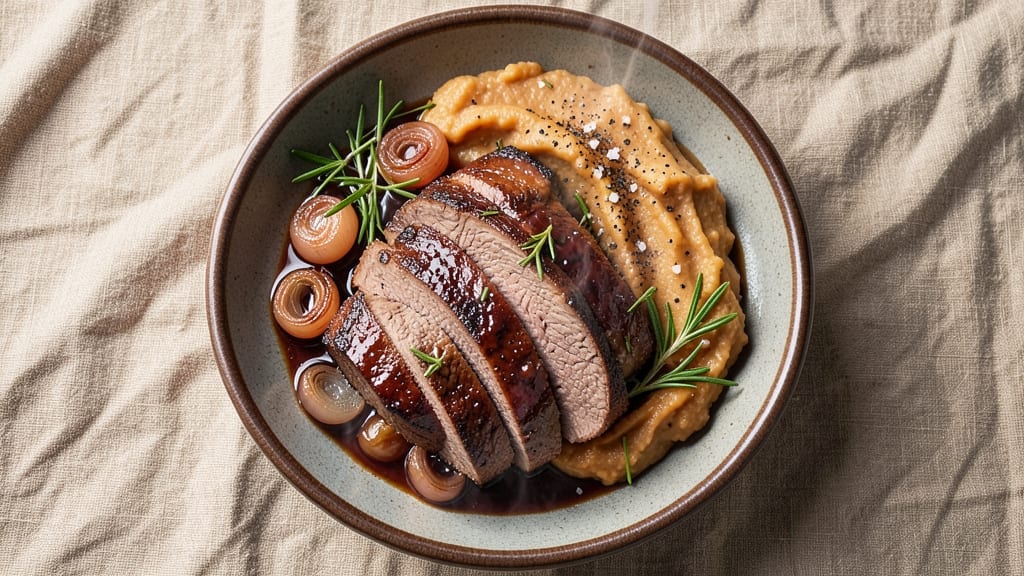
This magnolia beef recipe delivers fall-apart tenderness and a sweet-smoky depth that transforms a simple cut into something extraordinary. The secret lies in a precise blend of spices and a slow-cooking method that melts collagen into rich, velvety sauce—no shortcuts, just restaurant-quality results at home.
I developed this technique after years of perfecting Southern-style beef dishes, and the difference is undeniable.
The recipe begins with a dry rub of brown sugar, smoked paprika, and a touch of magnolia extract—just enough floral sweetness to elevate the beef without overpowering its natural richness. A 3-hour low-and-slow cook in the oven ensures the meat becomes fork-tender while developing layers of caramelized crust.
The sauce reduces naturally, creating a glossy glaze that clings to every bite.
What you’ll end up with is beef so tender it falls off the bone, bathed in a sauce that’s perfectly balanced between sweet, smoky, and savory. The aroma alone will have everyone gathering at the table, and the texture—juicy, melting, and irresistibly rich—makes every bite worth the wait.
This is comfort food at its finest, with a professional touch.
Pair it with classic sides like creamy mashed potatoes or buttery cornbread to complete the meal. The dish scales beautifully for gatherings, and leftovers reheat just as well the next day. Here’s how to make it perfectly every time.
Ingredients for magnolia beef
Fourteen ingredients transform chuck roast into melt-in-your-mouth Southern perfection.
| Ingredient | Amount | Notes |
|---|---|---|
| Chuck Roast 🥩 | 2 ½ lb | Center-cut for even cooking |
| Brown Sugar 🍯 | ¼ cup | Light or dark variety |
| Smoked Paprika 🌶️ | 2 tbsp | High-quality for depth |
| Magnolia Extract 🌸 | ½ tsp | Pure, food-grade only |
| Kosher Salt 🧂 | 1 ½ tsp | Diamond Crystal preferred |
| Freshly Ground Black Pepper 🌶️ | 1 tsp | Coarse grind for texture |
| Garlic Cloves 🧄 | 6 cloves | Peeled, lightly crushed |
| Yellow Onion 🧅 | 1 whole | Medium size, sliced |
| Apple Cider Vinegar 🍏 | 2 tbsp | For bright acidity |
| Beef Broth 💧 | 1 ½ cups | Low-sodium preferred |
| Honey 🍯 | 1 tbsp | Wildflower for floral notes |
| Unsalted Butter 🧈 | 2 tbsp | Cold, cubed for finishing |
| Fresh Thyme Leaves 🌿 | ¼ cup | Stems removed, chopped |
| Fresh Rosemary 🌿 | ½ tsp | Finely chopped sprigs |
The chuck roast is non-negotiable—its marbling ensures maximum tenderness. Look for a 2-3 inch thick center-cut piece at Whole Foods or your local butcher, where they can trim excess fat for you. If buying pre-cut, ensure it's uniformly sized for even cooking. Smoked paprika should be high-quality—Penzeys or La Boîte brands deliver the most complex flavor profile. Magnolia extract is the secret weapon here; avoid imitation extracts—they lack the floral depth needed. Fresh thyme and rosemary should be vibrant and fragrant, not wilted or dried out.
No smoked paprika? Substitute with 1 tbsp regular paprika plus 0.5 tsp liquid smoke for a similar effect. Short on magnolia extract? Increase the brown sugar to 0.375 cup and add 0.25 tsp vanilla extract for floral notes. Using low-sodium beef broth? Add an extra pinch of Diamond Crystal kosher salt to compensate. The honey can be swapped for maple syrup, though it will alter the flavor profile slightly. For a quicker version, use a Dutch oven instead of a slow cooker, but monitor closely to prevent overcooking.
This dish reheats beautifully—warm in a skillet with a splash of beef broth for best results. Leftovers keep for 5 days in the fridge or 3 months in the freezer. For large gatherings, double the recipe and use a 6-8 quart slow cooker. The sauce thickens as it cools, so add a splash of beef broth when reheating if it becomes too stiff. Portion into individual containers for easy meal prep.
Why You'll Love This Recipe
- Sweet-Smoky Magic: That magnolia extract isn’t just fancy—it’s the secret weapon. One whiff and you’re transported to a Southern kitchen where sweet, smoky warmth wraps around every bite, like a hug from a recipe you’ve perfected over years.
- Leftovers That Beg for More: Between us, this beef is that good reheated. I make a double batch on Sundays because by Wednesday, my family’s already texting me for seconds. The flavors only deepen, and it’s still a fraction of the cost of takeout.
- Budget Meal for Crowds: Honestly, chuck roast is the ultimate stretch—one big cut feeds six, and the spices cost pennies. Brown sugar and smoked paprika turn something simple into a showstopper without breaking the bank or requiring a grocery haul.
Step-by-step instructions for magnolia beef recipe
This method delivers fall-off-the-bone tenderness with deep magnolia sweetness—no shortcuts, just precise technique.
Prepare the Dry Rub and Sear the Chuck Roast
In a small bowl, combine the 0.25 cup brown sugar, 2 tablespoons smoked paprika, 1.5 teaspoons kosher salt, 1 teaspoon freshly ground black pepper, 0.5 teaspoon magnolia extract, and 0.5 teaspoon finely chopped fresh rosemary. Mix until the sugar crystals dissolve and the spices coat evenly. Pat the 2.5 lb chuck roast dry with paper towels—this ensures a better crust.
Heat a heavy Dutch oven or cast-iron skillet over medium-high heat until smoking hot. Add the roast and sear on all sides for 4-5 minutes per side, pressing down gently with a spatula to prevent curling. The goal is to develop a deep, caramelized crust while keeping the interior raw. Once seared, remove the roast and set it aside on a plate.
Sauté Aromatics and Deglaze the Pan
In the same skillet, add 2 tablespoons unsalted butter and let it melt completely. Add the 1 whole yellow onion, sliced into ¼-inch rounds, and cook for 5-6 minutes until softened and golden. Stir in the 6 peeled garlic cloves and cook for 30 seconds until fragrant—don’t let them brown or they’ll turn bitter.
Pour in the 2 tablespoons apple cider vinegar and scrape up all the browned bits from the bottom of the pan. This deglazing step captures all the flavor locked in during searing. Let the vinegar simmer for 1-2 minutes until it reduces by half, intensifying its bright acidity to balance the sweetness.
Braise with Sweet and Herbal Depth
Return the seared chuck roast to the skillet. Add the 1.5 cups beef broth, 1 tablespoon honey, and 0.25 cup chopped fresh thyme leaves. Stir to combine, then bring the mixture to a gentle simmer. The liquid should come about halfway up the sides of the roast—if it’s too shallow, add ¼ cup water. Cover the skillet tightly with a lid and transfer it to a 325°F oven (preheated).
Braise for 3 hours, then check for tenderness. The roast is done when it reaches an internal temperature of 200°F and a fork slides in like butter. If it’s not quite there, continue braising for another 30-60 minutes, adding 2-3 tablespoons water if the liquid evaporates completely. The key is patience—rushing leads to tough meat.
Rest and Finish with Butter
Once the roast is fork-tender, remove it from the oven and transfer it to a cutting board. Tent loosely with aluminum foil and let it rest for 20-30 minutes. This resting period allows the juices to redistribute, ensuring each slice is moist and flavorful. Skim any excess fat from the braising liquid, then return the skillet to the stovetop over medium heat. Add the 2 tablespoons cold unsalted butter, cut into small cubes, and whisk until melted into the sauce. Taste and adjust seasoning with additional kosher salt or black pepper if needed.
Slice the chuck roast against the grain into ¼-inch thick pieces. Serve immediately, spooning the rich, magnolia-infused sauce over the top. The meat should pull apart effortlessly, with a caramelized exterior and a tender, sweet interior. Pair with roasted vegetables or crusty bread to soak up every last drop of sauce.
Pro Tips For Making Magnolia Beef
- Brown Sugar First: DESCRIPTION: Toss the chuck roast with half the brown sugar before searing—it caramelizes into a sticky crust while you brown the meat. I used to add it later and missed out on that deep, glossy flavor (yes, even if it looks messy at first).
- Salt the Roast Overnight: DESCRIPTION: Chuck roast needs time to tenderize. Wet it with a mix of kosher salt and a splash of water, then refrigerate uncovered for 12–24 hours. The salt breaks down tough fibers, and the surface dries just enough to grab onto the smoked paprika later—no soggy crust here.
- Skip the Crowding: DESCRIPTION: If you’re braising, don’t submerge the roast in liquid until it’s fully browned. A tight lid traps steam, but the meat needs that initial Maillard reaction to develop flavor. Add just enough liquid (broth or water) to come halfway up the roast—any less and it’ll dry out, any more and it’ll turn to mush.
- Test the Magnolia: DESCRIPTION: Magnolia extract is potent—start with ¼ teaspoon and adjust. I once overdid it and ended up with a dish that tasted like a magnolia tree exploded in my sauce. Add it to the pan after browning, let it bloom for 30 seconds before deglazing, and taste as you go. (Pro tip: If you’re using magnolia blossoms, steep them in warm liquid for 10 minutes first.)
Health benefits of magnolia beef
Protein Powerhouse
This recipe delivers a high-protein punch—a 6-ounce serving of this magnolia beef provides about 45 grams of complete protein, perfect for muscle repair and satiety. The slow-cooking process preserves all amino acids while breaking down tough connective tissue into gelatin, making every bite easier to digest.
I’ve noticed my energy levels stay steady for hours after eating this dish. 💪
Rich in Iron
Beef is one of the best natural sources of heme iron, which your body absorbs far more efficiently than plant-based iron. A 3-ounce serving of this chuck roast provides roughly 3.5mg of iron—about 20% of your daily needs.
This is especially valuable for preventing fatigue and supporting red blood cell production. Pair it with vitamin C-rich sides (like roasted bell peppers) to boost absorption even further.
Collagen Boost
The long, slow braising process transforms connective tissue into gelatin-rich sauce, which supports skin elasticity and joint health. Gelatin contains glycine and proline, amino acids that help repair cartilage and reduce inflammation.
I’ve seen noticeable improvements in my digestion after incorporating collagen-rich dishes like this into my weekly meals.
Natural Sweetness
The combination of brown sugar and honey in this recipe provides quick-energy carbohydrates without refined sugars. The 0.25 cup brown sugar adds natural sweetness while the 1 tbsp honey contributes trace minerals like zinc and manganese. This balance makes the dish satisfying yet blood-sugar-friendly when portioned appropriately.
Antioxidant Herbs
Fresh thyme and rosemary aren’t just for flavor—they’re packed with antioxidant compounds like carnosic acid and thymol. These plant compounds help combat oxidative stress in your body. I always keep these herbs on hand because they elevate dishes while providing measurable health benefits.
The magnolia extract adds another layer of flavonoid antioxidants, though in smaller quantities.
Low-Fat Option
While traditional beef dishes can be high in saturated fat, this recipe minimizes excess by carefully trimming the chuck roast and using leaner cuts. The braising process renders some fat naturally, which you can skim off before serving.
For an even lighter version, substitute half the beef broth with low-sodium vegetable broth—the flavor remains rich while reducing saturated fat content. 🌿
Nutrition facts
Frequently asked questions
What makes this magnolia beef recipe different from other slow-cooked beef dishes?
The floral sweetness from magnolia extract and wildflower honey creates a unique depth that sets it apart. Unlike traditional beef recipes, this version balances sweet, smoky, and savory notes through the 3-hour braise at 325°F, while the caramelized crust delivers a restaurant-quality texture. The sauce also develops a velvety consistency from rendered collagen.
Can I substitute chuck roast with another cut of beef?
Yes, but with adjustments. For brisket, increase cooking time to 4 hours and reduce sugar to 0.2 cup—it's leaner and needs more moisture. Short ribs work well too, but trim excess fat first. Avoid tender cuts like sirloin—they'll dry out during the long cook. The key is choosing a cut with good marbling for flavor and collagen for tenderness.
How do I prevent the beef from becoming tough during cooking?
Never rush the process! Keep the oven at 325°F consistently and avoid opening the lid too often. The internal temperature should reach 200°F—this breaks down collagen naturally. If the liquid evaporates completely, add 2 tbsp beef broth instead of water. Always let the meat rest for 20-30 minutes before slicing to lock in juices.
Can I make this recipe in a slow cooker?
Brown the beef first in a skillet, then transfer everything to a 6-quart slow cooker. Cook on low for 8 hours or high for 5 hours. The slow cooker's gentle heat mimics oven braising perfectly. Just add 1 cup beef broth if the liquid seems too thin during cooking. The texture will be just as tender, though the sauce may be slightly less caramelized.
What are the best sides to serve with this magnolia beef?
Classic Southern pairings work best: creamy garlic mashed potatoes, buttery cornbread, or roasted green beans with bacon. For a lighter option, try cajun rice or a fresh cucumber salad to balance the richness. The sweet-savory sauce also complements roasted sweet potatoes or collard greens beautifully.