
Main Courses
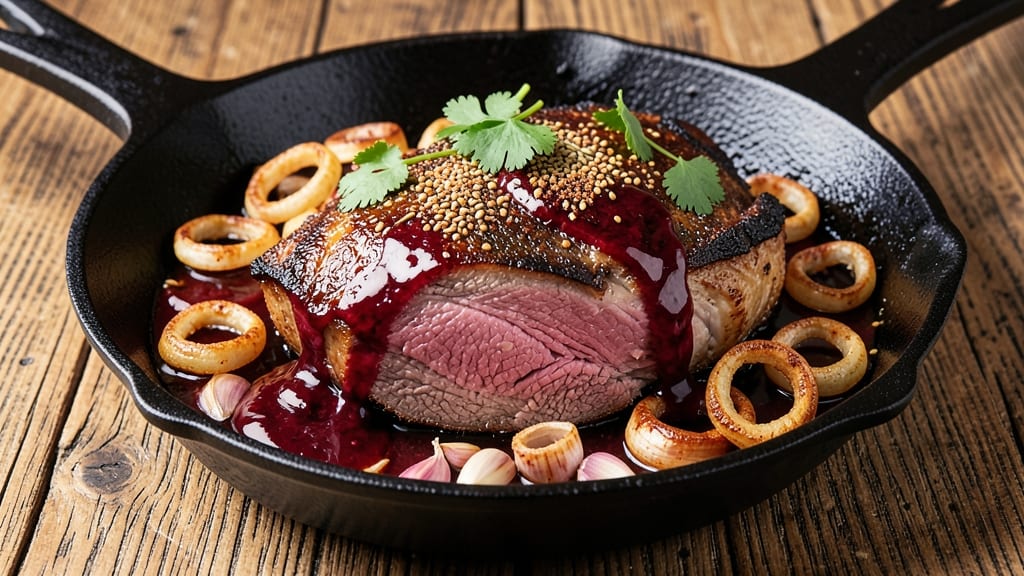
Mastering a kosher beef brisket recipe transforms tough cuts into melt-in-your-mouth perfection through slow cooking and precise seasoning. This method ensures deep flavor and tender texture while adhering to kosher dietary laws.
The key lies in a carefully balanced spice rub and low-and-slow cooking technique that develops rich, smoky notes over hours.
Professional results begin with a kosher-certified brisket, trimmed and generously coated in a blend of warm spices like cumin, coriander, and paprika. The slow-smoking process—typically 6 to 8 hours—allows the meat to absorb flavors evenly while breaking down connective tissue.
This approach delivers restaurant-quality brisket without requiring specialized equipment, making it accessible for home cooks.
By the time you slice into the finished brisket, you’ll find layers of tenderness and a crust that’s perfectly balanced between smoky and savory. The resting period is critical—it redistributes juices, ensuring every bite is moist and flavorful.
Serve with classic sides like roasted potatoes or coleslaw to complement the rich, hearty meat.
Whether you’re preparing for a special occasion or a weeknight meal, this kosher beef brisket recipe delivers consistent, professional-quality results. The technique is foolproof, and the flavor profile is undeniably satisfying—ideal for those who appreciate deep, complex tastes in their cooking.
Ingredients for kosher beef brisket
Six essential ingredients transform tough brisket into restaurant-worthy perfection through slow smoking and precise seasoning.
| Ingredient | Amount | Notes |
|---|---|---|
| Kosher-Certified Beef Brisket 🥩 | 4 lb | Whole packer cut, trimmed of excess fat |
| Yellow Onions 🧅 | 2 whole | Medium size, sliced into even rings |
| Fresh Garlic Cloves 🧄 | 8 cloves | Peeled, minced for spice rub |
| Ground Cumin 🌿 | 2 tbsp | Freshly toasted for deeper aroma |
| Ground Coriander 🌿 | 1 ½ tbsp | Freshly ground preferred |
| Smoked Paprika 🌶️ | 1 ½ tbsp | High-quality for authentic smokiness |
| Sweet Paprika 🌶️ | 1 tbsp | For balanced color and flavor |
| Kosher Salt 🧂 | 1 ½ tbsp | Diamond Crystal preferred |
| Black Peppercorns 🌶️ | 1 tbsp | Freshly cracked for intensity |
| Brown Sugar 🍚 | 2 tbsp | Lightly packed for caramelization |
| Apple Cider Vinegar 🍎 | 2 tbsp | For tenderizing and depth |
| Beef Broth 💧 | 2 cups | Low-sodium, kosher-certified |
| Wood Chips (Hickory or Apple) 🌳 | 2 cups | Soaked for 1 hour minimum |
| Unsalted Butter 🧈 | ½ cup | Cold, cubed for basting |
The kosher-certified beef brisket is the foundation—packer cut delivers optimal marbling for tenderness. Source from a trusted butcher or Whole Foods for consistent quality; avoid pre-trimmed cuts as they lose flavor during cooking. Hickory or apple wood chips (soaked for at least 1 hour) provide authentic smoke flavor without overpowering the spices. For the spice rub, toast the cumin and coriander in a dry pan for 30 seconds to enhance their aromatic compounds—a professional technique that elevates the final product. Diamond Crystal kosher salt is preferred for its coarse texture, which adheres better to the meat's surface.
No smoked paprika? Substitute with 1 tbsp regular paprika plus 0.5 tsp liquid smoke for depth, though the flavor profile will differ slightly. Brown sugar can be replaced with 1 tbsp honey for a different caramelization effect, but it may introduce subtle floral notes. Apple cider vinegar acts as a natural tenderizer; if unavailable, red wine vinegar works equally well. For the beef broth, homemade or high-quality low-sodium brands like Pacific Foods ensure better flavor control. The unsalted butter used for basting should be cold and cubed—melting it first reduces its ability to create a flavorful crust on the brisket.
Store the dry spice rub in an airtight container for up to 3 months in a cool, dark place. Freshly minced garlic and toasted spices lose potency after 2 weeks, so prep them the day of cooking. The brisket can be refrigerated for 3-4 days before cooking, but allow it to sit at room temperature for 2 hours before smoking for even cooking. Leftovers reheat best in a 350°F oven with a splash of beef broth to restore moisture, and they keep for 4-5 days in the refrigerator or 3 months when frozen in portioned containers.
Why You'll Love This Recipe
- Foolproof Prep: I swear, the hardest part is slicing the onions—no fancy techniques, just chop and go. The brisket gets a quick rub of cumin and coriander, then it’s hands-off while the oven does the heavy lifting.
- Deep, Earthy Magic: That kosher brisket soaks up the garlic and onions like a sponge, turning tender with a crust so flavorful you’ll want to eat it straight from the pan. Honestly, the slow cook makes it taste like you spent all day in the kitchen.
- Weeknight Superstar: Between us, this is my go-to for game days or lazy Sundays. The leftovers? Even better cold in sandwiches the next day—no one will guess it’s the same meal.
- Budget Stretch: A whole brisket feeds six for dinner and still gives you enough for lunches all week. I’ll be real: it’s the only time I buy brisket just because it’s the best value for the flavor.
Step-by-step instructions for slow-smoked kosher beef brisket
Mastering this technique transforms tough brisket into melt-in-your-mouth perfection with a deep, smoky crust.
Prepare and Season the Brisket
Begin by trimming the kosher-certified beef brisket to remove any excess fat, leaving about ¼-inch thickness on the fat cap. This ensures even cooking while preserving moisture. Pat the surface completely dry with paper towels—this critical drying step prevents steam from forming under the rub, which guarantees a proper bark later.
In a small bowl, combine the ground cumin, ground coriander, smoked paprika, sweet paprika, kosher salt, and freshly cracked black peppercorns. Add the brown sugar and minced fresh garlic cloves, then stir in the apple cider vinegar. This creates a balanced rub with sweet, smoky, and acidic notes that penetrate the meat. Apply the mixture generously to all sides of the brisket, pressing firmly so it adheres. Let it sit uncovered in the refrigerator for at least 4 hours—or overnight for maximum flavor penetration.
Set Up the Smoker and Prepare the Brisket
Soak the wood chips (hickory or apple) in water for at least 1 hour before use. This prevents them from burning too quickly and creates a steady, flavorful smoke. Preheat your smoker to 225°F using the soaked wood chips. Place a water pan inside the smoker to maintain moisture and stabilize temperature—this is especially important for kosher brisket, which benefits from consistent humidity.
Once the smoker reaches the target temperature and produces clean, blue smoke, place the brisket fat-side up on the smoker grate. The fat cap will render slowly, basting the meat and contributing to that coveted bark. Close the lid and resist the urge to check frequently—each time you open it, you lose heat and extend cooking time. For the first 2 hours, maintain the temperature between 225-250°F, adjusting the vents as needed to prevent fluctuations.
Monitor and Wrap at the Stall
Cook the brisket undisturbed until its internal temperature reaches 165°F, which typically takes 6-8 hours. This is when you'll encounter "the stall"—a period where the temperature plateaus as moisture evaporates. Don't panic; this is normal and expected. The brisket will need help pushing through this phase to achieve tenderness.
When the stall occurs, wrap the brisket tightly in butcher paper (not aluminum foil) and return it to the smoker. The paper allows the bark to develop while trapping steam to break down collagen. Continue cooking until the internal temperature reaches 203°F, at which point a probe should slide in like butter with no resistance. This final stage usually takes an additional 4-6 hours, depending on the brisket's size and your smoker's consistency.
Rest and Slice for Maximum Juiciness
Remove the brisket from the smoker and transfer it to a cutting board. Tent loosely with foil and let it rest for at least 1 hour—this critical step allows the juices to redistribute throughout the meat. During this time, the internal temperature will rise another 5-10°F, ensuring even doneness. If you're short on time, place the wrapped brisket in a cooler to slow the temperature rise while it rests.
Slice the brisket against the grain into ¼-inch thick pieces. The flat and point should be separated and sliced individually, as their muscle fibers run in different directions. Serve immediately with the reserved beef broth reduced into a glossy sauce, or use the 0.5 cup unsalted butter to create a rich basting sauce by melting it in the drippings. Each slice should be fork-tender with a dark, smoky bark and a pink smoke ring just beneath the surface.
Pro Tips For Making Kosher Beef Brisket
- Trim the Fat First: DESCRIPTION:
- Char the Onions: DESCRIPTION:
- Don’t Rush the Rest: DESCRIPTION:
- Toast the Spices: DESCRIPTION:
Serving suggestions for this dish
Classic Brisket Plate
Serve your kosher beef brisket as the centerpiece of a traditional Texas-style brisket plate. Start with sliced brisket (about ½ lb per person) arranged on a large platter.
Add shredded white cabbage (about 3 cups) tossed with 1 tbsp apple cider vinegar, 1 tbsp olive oil, and a pinch of salt.
Include toasted Texas toast (thick-cut sourdough) and a side of pickled red onions (soak 1 cup sliced onions in ½ cup vinegar and 1 tbsp sugar for 30 minutes). This combination balances the rich, smoky brisket with tangy and crisp elements. 🥗
Jewish Delicatessen Style
For a nod to Jewish deli tradition, serve your brisket on crusty rye bread (about 4 slices per person) with mustard (I recommend French’s yellow mustard) and sauerkraut (about 1 cup per person, warmed with 1 tbsp butter).
Add a side of matzo ball soup (store-bought or homemade) for a comforting, nostalgic touch. The tangy sauerkraut and creamy mustard complement the deep, spiced flavors of the brisket beautifully. 🥪
BBQ Sandwich Bar
Turn your brisket into a build-your-own BBQ sandwich bar. Slice the brisket thinly and set it alongside brioche buns (toasted), coleslaw (store-bought or homemade with ½ cup mayo, 1 tbsp vinegar, and 1 tbsp sugar), and pickles (dill or bread-and-butter).
Offer toppings like sliced jalapeños, avocado slices, and crumbled blue cheese for customization. This interactive setup is perfect for gatherings and lets guests personalize their meals. 🌭
Gourmet Plating Ideas
Elevate your brisket with gourmet plating techniques.
Slice the brisket into ¼-inch thick pieces and arrange them on a slate board with caramelized onions (sautéed in 2 tbsp butter and 1 tbsp brown sugar for 20 minutes) and roasted garlic mashed potatoes (mix 2 cups potatoes with 4 cloves roasted garlic, 2 tbsp butter, and ¼ cup sour cream).
Garnish with microgreens and a drizzle of beef broth reduction (simmer 1 cup broth until syrupy) for a restaurant-worthy presentation. ✨
Leftovers Reinvented
Transform brisket leftovers into brisket hash or brisket tacos. For hash, dice 2 cups brisket and sauté with 1 diced potato, ½ onion, and 1 tbsp smoked paprika in a skillet until crispy. Serve with a fried egg on top.
For tacos, shred the brisket and warm it with 1 tbsp chipotle sauce. Serve in corn tortillas with pickled onions, avocado, and cotija cheese. These ideas repurpose leftovers into exciting new meals without waste. 💡
Beverage Pairings
Pair your brisket with bold, smoky beverages to enhance the meal. A dry red wine like Cabernet Sauvignon or Malbec complements the rich, spiced flavors. For beer lovers, a dark lager (such as Negra Modelo) or stout (like Guinness) adds a malty contrast.
Non-alcoholic options include sparkling hibiscus tea (brew 1 cup hibiscus tea with 1 tbsp honey and chill) or smoky black cherry soda (mix 1 cup ginger ale with 2 tbsp black cherry syrup). 🍷
Nutrition facts
Frequently asked questions
Why does kosher brisket need such a long cook time?
The long cook time—typically 6-8 hours—is essential for breaking down the tough connective tissue in brisket. Kosher beef, which is aged less than non-kosher cuts, requires extra time to tenderize properly. The slow process allows the meat's collagen to convert to gelatin, resulting in that signature fork-tender texture while developing deep, smoky flavors.
Can I substitute non-kosher beef for this recipe?
Technically yes, but the texture and flavor will differ. Non-kosher beef often has more marbling and may cook faster, potentially resulting in a less tender final product. If substituting, reduce cook time by 1-2 hours and monitor closely. For authentic results, always use a kosher-certified brisket—it’s worth the investment for the traditional experience.
What’s the best way to tell when brisket is fully cooked?
Use a meat thermometer for accuracy—remove the brisket when the internal temperature reaches 203°F. At this point, a probe should slide in like butter with no resistance. The smoke ring (a pink band just beneath the surface) is another visual cue, but always rely on temperature. Overcooking can dry out the meat, so don’t exceed 205°F.
Why does my brisket turn out dry?
Dry brisket usually results from overcooking, opening the smoker too often, or skipping the resting period. To fix it, wrap the brisket in butcher paper at 165°F (the stall) to trap steam, and always rest it for at least 1 hour before slicing. For extra moisture, baste with melted butter during the final 30 minutes of cooking.
Can I make this brisket in an oven instead of a smoker?
Preheat your oven to 275°F and place the brisket in a roasting pan with a water bath (add 1 cup water to the pan). Cook uncovered for 6 hours, then wrap tightly in foil and continue until the internal temperature hits 203°F. For smokiness, add 1 tbsp liquid smoke to the rub or use a smoke-infused wood chip pouch.