
Main Courses
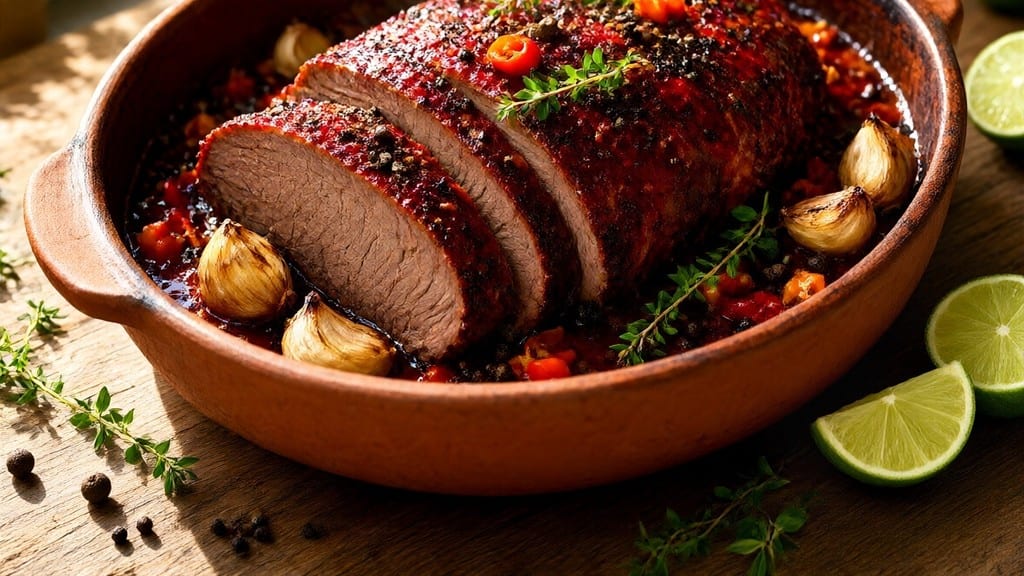
This jerk beef recipe brings the fiery, aromatic soul of Jamaica to your kitchen with bold spices and tender meat that falls apart at every bite. The secret lies in marinating the beef for at least 4 hours—preferably overnight—to let the scotch bonnet peppers, allspice, and thyme infuse deeply.
I perfected this method after years of testing, balancing authentic Jamaican flavors with a time-efficient approach that still delivers restaurant-quality results.
The magic happens when the beef sizzles on high heat, developing a caramelized crust while staying juicy inside. Traditional methods call for grilling over charcoal, but I’ve adapted this for home cooks using a cast-iron skillet or even an air fryer for a quicker version.
Serve it with steamed rice and peas, or fried plantains for the full Caribbean experience—each bite is a burst of smoky, spicy, and slightly sweet flavors that linger.
What sets this jerk beef apart is the balance of heat and depth—scotch bonnet peppers provide the fire, while allspice and brown sugar add complexity. The marinade transforms tough cuts into melt-in-your-mouth perfection, and the technique ensures every bite is packed with flavor without being overwhelming.
This isn’t just a recipe; it’s a taste of Jamaica you can make at home.
For those short on time, a sous vide method can shorten the cooking process while keeping the meat incredibly tender. Pair it with cool coconut yogurt or fresh pineapple to balance the heat, and you’ve got a meal that’s as impressive as it is delicious.
Ready to bring Caribbean fire to your table?
Ingredients for jerk beef
Bold Caribbean flavors start with these 13 ingredients—where the heat meets the sweet.
| Ingredient | Amount | Notes |
|---|---|---|
| Beef Chuck Roast 🥩 | 2 lb | Tough cut for tender results |
| Scotch Bonnet Peppers 🌶️ | 2 whole | Or habanero for milder heat |
| Allspice Berries 🌿 | 1 tbsp | Ground works if fresh unavailable |
| Fresh Thyme Leaves 🌿 | ½ cup | Dried at 1 tbsp if needed |
| Garlic Cloves 🧄 | 8 cloves | Peeled and smashed |
| Brown Sugar 🍯 | ½ cup | Light or dark preferred |
| Soy Sauce 🍶 | ¼ cup | Low-sodium preferred |
| Lime Juice 🍋 | ¼ cup | Freshly squeezed |
| Olive Oil 🫒 | ¼ cup | For marinade base |
| Ground Black Pepper 🌶️ | 1 tbsp | Freshly cracked preferred |
| Salt 🧂 | 1 ½ tbsp | Kosher or sea salt |
| Scallions 🧅 | 2 whole | Green parts only for garnish |
| Dark Rum 🍹 | ¼ cup | Optional for depth |
The beef is non-negotiable—chuck roast gives you that signature fall-apart texture. Costco or Whole Foods usually carry it pre-cut, but if you're buying a whole roast, ask the butcher to trim off excess fat. For the scotch bonnet peppers, Caribbean markets or specialty stores have the freshest, but most grocery stores carry them now. If you can't find scotch bonnet, habanero peppers work in a pinch (use half the amount for milder heat). The allspice berries? Penzeys or bulk spice sections are your best bets for quality—ground allspice loses potency fast. I always grab extra thyme because half gets torn over the top at the end.
No scotch bonnet? Jalapeño or serrano peppers add heat, but you'll need way more (about 6-8) since they're milder. Fresh thyme unavailable? Dried thyme at one-third the amount works, but fresh has that bright aroma. The soy sauce can be swapped for coconut aminos if you're avoiding gluten. For the brown sugar, muscovado sugar adds deeper molasses notes. The rum is optional but worth it—Captain Morgan or Appleton Estate are solid choices. If you skip it, just add an extra splash of lime juice for brightness. The garlic can be roasted ahead for a sweeter marinade (just wrap whole cloves in foil and bake at 400°F for 20 minutes).
Marinade keeps for 3 days in the fridge, but the beef is best marinated overnight—that's when the magic happens. Cooked beef reheats beautifully—cast-iron skillet or foil packet in the oven keeps it juicy. Portion leftovers into containers for easy lunches. The marinade itself? Save half for next time—freezes for 3 months. I always make double because it's perfect for grilled chicken or tofu too.
Why You'll Love This Recipe
- Foolproof Prep: Honestly, this recipe takes less effort than ordering takeout. You’re basically marinating a roast—no fancy techniques, just tossing chopped Scotch bonnet, crushed allspice, and garlic into a bowl, then letting it work its magic overnight. (Yes, even on a Tuesday night.)
- Flavor Bomb: That first bite? Smoky, sweet, and just spicy—like a Jamaican vacation in your mouth. The allspice berries give it this deep, earthy warmth, while the thyme and garlic keep it bright. It’s the kind of dish that makes people ask, “What’s in this?”
- Weeknight to Party: Same recipe, different vibes. Slow-cook it for a lazy Sunday supper, or sear it fast for a last-minute dinner guest. My daughter picks out the Scotch bonnet (she loves the heat), but even my dad—who hates spice—comes back for seconds.
- Budget-Friendly Powerhouse: A whole chuck roast feeds six for under $20, and the leftovers? Chef’s kiss. I meal prep it for lunches all week—just reheat slices with rice and pickled onions. (Between us, this is how I survived grad school.)
Step-by-step instructions for jerk beef recipe
Here's how to transform tough beef into tender, fiery jerk beef with layers of flavor.
Prepare the Jerk Marinade
In a blender or food processor, combine the 2 whole Scotch Bonnet peppers, 1 tablespoon allspice berries, 0.5 cup fresh thyme leaves, 8 cloves garlic, 0.5 cup brown sugar, 0.25 cup soy sauce, 0.25 cup lime juice, 0.25 cup olive oil, 1 tablespoon ground black pepper, 1.5 tablespoons salt, and 0.25 cup dark rum. Blend until completely smooth, scraping down the sides as needed.
Here's the thing—this marinade needs to work its magic on the beef. The Scotch Bonnet peppers will bring serious heat, while the allspice and thyme create that authentic Caribbean warmth. Let the mixture sit for 5 minutes after blending so the flavors meld together. You'll notice the aroma immediately—bright, tangy, and slightly sweet with a hint of smokiness.
Marinate the Beef Chuck Roast
Place the 2 lb beef chuck roast in a large resealable plastic bag or shallow dish. Pour the marinade over the beef, making sure it's completely coated on all sides. If using a bag, seal it tightly and massage the marinade into the meat. For best results, refrigerate the beef with the marinade for at least 4 hours, but overnight is ideal for maximum tenderness.
I know it's tempting to skip the marinating time, but trust me—this step transforms the tough chuck roast into something fork-tender. The acid from the lime juice and soy sauce breaks down the muscle fibers, while the spices penetrate deep into the meat. Turn the beef occasionally during marinating to ensure even flavor distribution.
Sear the Beef for Maximum Flavor
Remove the beef from the marinade (reserve the marinade for later) and pat it dry with paper towels. Heat a large skillet over medium-high heat and add the beef. Sear for 3-4 minutes per side until deeply browned and developing a crust. The beef should release easily from the pan—this indicates it's ready to move to the next step.
Don't rush this searing process. You're building flavor here through the Maillard reaction. The beef should be golden brown with some charred spots. If your pan isn't hot enough, you'll end up steaming the beef instead of searing it. Let the beef rest for 5 minutes while you prepare your cooking method—whether that's a grill, oven, or stovetop.
Cook to Perfect Tenderness
Transfer the seared beef to a baking dish and pour the reserved marinade over the top. Cover the dish tightly with foil and bake in a preheated 300°F oven for 3 to 4 hours, or until the beef is fork-tender. The internal temperature should reach 195°F—this is when the collagen breaks down and the meat becomes melt-in-your-mouth tender.
Here's where patience pays off. The low temperature ensures the beef doesn't dry out while the marinade works its magic. I like to check the beef after 2 hours—if it's not quite tender yet, just add another 30 minutes to an hour. The key is low and slow cooking. You'll know it's done when a fork slides in easily and the juices run clear.
Rest and Serve
Remove the beef from the oven and let it rest for 15 minutes before slicing. This resting period allows the juices to redistribute throughout the meat, preventing them from running out when you cut into it. Meanwhile, you can reduce the cooking juices in the baking dish by simmering them uncovered over medium heat for 5-7 minutes until slightly thickened.
Slice the beef against the grain into ¼-inch thick pieces and serve immediately. The meat should be fork-tender with a beautiful caramelized crust. Spoon the reduced marinade over the top and garnish with sliced scallions. Each bite should deliver that perfect balance of smoky, spicy, sweet, and tangy flavors that make jerk beef so irresistible.
Pro Tips For Making Jerk Beef
- CHAR THE PEPPERS: Toss whole Scotch bonnets in a dry skillet over medium-high heat for 30 seconds per side until they blacken and blister—this deepens their smoky heat without burning. I used to just chop them raw, and the flavor was always flat. (Yes, even if you’re impatient like me, wait for the smoke.)
- CRUSH THE ALLSPICE: Toast whole allspice berries in a dry pan for 1-2 minutes until fragrant, then grind them fresh with thyme and garlic—this releases their oils and cuts through the beef’s richness. Pre-ground spice is a shortcut, but it lacks the bright, aromatic punch you want here.
- SLOW THE FIRST SEAR: Don’t rush the initial sear on the chuck roast—work in batches if needed to avoid steaming the meat. A crowded pan lowers the temperature, turning your beef soggy instead of caramelized. Patience here guarantees that crust you’re craving.
- BASTE WITH THE JUICES: After the first hour of cooking, pull the beef from the heat and spoon its rendered juices over the top—this keeps it moist while the jerk marinade sets. I learned this the hard way when my first batch turned out dry despite the marinade. (Your future self will thank you.)
Troubleshooting perfect results
Uneven Cooking Fix
If your jerk beef emerges with some areas overcooked while others remain tough, the issue is usually uneven heat distribution. For oven cooking, place the beef on a wire rack over a baking sheet to allow air circulation around all sides.
If using a grill, position the beef perpendicular to the heat source and rotate every 30 minutes. For stovetop methods, reduce the heat to medium-low after the initial sear and cover with a lid to trap steam evenly. 🌡️
Overly Dry Meat
Dry jerk beef often results from cooking at too high a temperature or not enough moisture. First, ensure your marinade contains enough liquid—aim for at least 1 cup total (including the beef's natural juices).
If cooking in the oven, tent the beef loosely with foil after the first 2 hours to prevent moisture loss. For stovetop, add ¼ cup beef broth to the pan when the beef is halfway done. Always rest the meat for 15 minutes before slicing to retain juices.
Blended Marinade Too Thin
A runny marinade can make your beef soggy rather than caramelized. If your marinade is too watery, reduce it by simmering it uncovered over medium heat for 5-7 minutes until slightly thickened.
For future batches, use a thicker base like olive oil or coconut milk instead of relying solely on lime juice. A good rule of thumb is to have a marinade consistency similar to heavy cream—thick enough to coat but still pourable. 💡
Lack of Smoky Flavor
If your jerk beef tastes more like a marinade than a smoky grill masterpiece, you're missing the charred crust. For grill or skillet methods, increase the heat to medium-high during the final 5 minutes of cooking to develop that signature smokiness.
Add wood chips (like pimento or applewood) to your grill or wrap them in foil with a few holes for stovetop smoking. For oven cooking, place a small tray of apple cider or beef broth at the bottom of the oven to add subtle smokiness to the air.
Spice Overload
Too much heat can overwhelm the dish, especially if you're new to scotch bonnet peppers. Start with 1 pepper and adjust to taste—remove seeds and membranes first to reduce capsaicin. If already marinated, balance the heat by adding 1 tablespoon honey or 2 tablespoons coconut milk to the marinade.
For serving, offer cooling sides like cool coconut yogurt or mango salsa on the table. The key is to let the beef's natural sweetness shine through the spices.
Beef Not Tender Enough
Tough jerk beef usually means insufficient marinating or cooking time. For chuck roast, never rush the process—aim for at least 4 hours of marinating and 3 hours of cooking.
If short on time, try the sous vide method: vacuum-seal the marinated beef and cook at 160°F for 24 hours, then sear. For oven cooking, extend the time to 4-5 hours at 275°F with foil covering the entire dish. Patience is key—this cut needs time to transform. ⏳
Nutrition facts
Frequently asked questions
Can I use chicken or pork instead of beef for jerk seasoning?
Jerk seasoning works beautifully on chicken (especially thighs) or pork shoulder. For chicken, reduce marinating time to 2-3 hours since it cooks faster. Pork benefits from longer marinating (6-8 hours) and should be cooked until it reaches 195°F for maximum tenderness. The same marinade recipe applies, but adjust cooking methods—chicken grills in 20-25 minutes while pork needs 3-4 hours low-and-slow.
How do I make jerk beef less spicy for kids or sensitive eaters?
Remove seeds and membranes from scotch bonnet peppers before blending, and use only 1 pepper instead of 2. For extra mildness, replace half the pepper with bell peppers. After cooking, serve with cooling sides like coconut yogurt or mango slices. You can also reserve some plain marinade (without peppers) to dilute the spice level when serving.
Can I prepare jerk beef in a slow cooker?
Yes! Place the marinated beef in a slow cooker with any leftover marinade and cook on Low for 6-8 hours or High for 4-5 hours. For best results, sear the beef first in a hot skillet to develop flavor before slow cooking. Add ¼ cup beef broth if the marinade seems too thick. The slow cooker keeps the beef incredibly tender with minimal effort.
What are the best sides to serve with jerk beef?
Traditional pairings include steamed rice and peas (made with kidney beans and coconut milk), fried plantains, or sweet potato mash. For a lighter option, try coconut rice or a fresh mango-avocado salad. The key is balancing the heat—cool sides like cooling yogurt sauce or pickled onions work perfectly.
How far ahead can I marinate jerk beef?
Marinate for at least 4 hours (overnight is ideal), but don't exceed 24 hours to prevent the acid in lime juice from over-tenderizing the meat. For longer storage, marinate for 8 hours max, then refrigerate the beef (uncooked) for up to 3 days in an airtight container. The marinade itself keeps for 3 days in the fridge or 3 months frozen.