
Main Courses
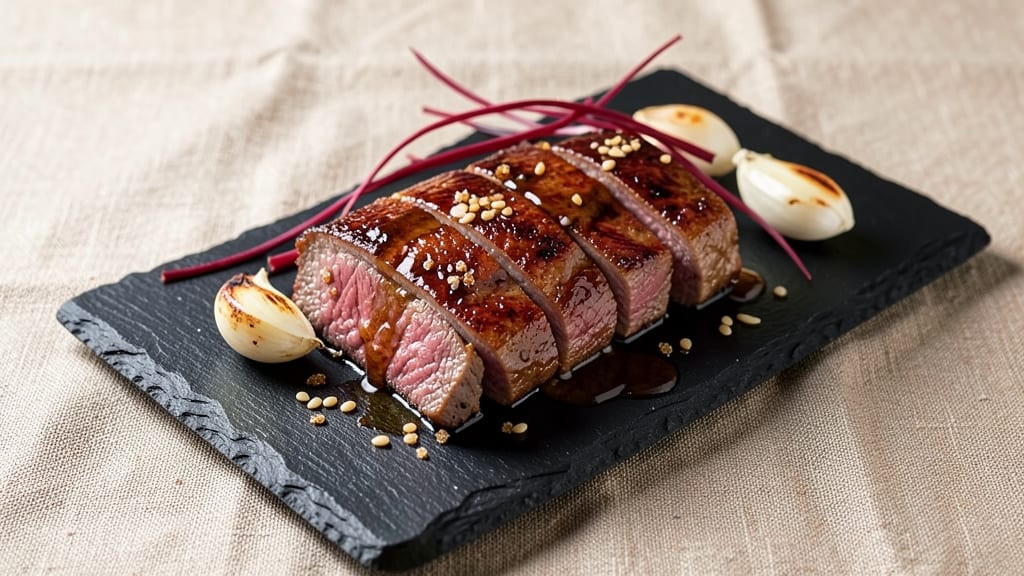
This Japanese beef heart recipe transforms a lesser-used cut into a silky, umami-packed centerpiece that rivals traditional wagyu dishes. The secret lies in a precise marinade of soy, mirin, and sake that tenderizes while infusing layers of savory depth.
I first discovered this technique during a trip to Kyoto, where it’s served in izakayas as a premium izumi (beef heart) dish—now you can recreate that restaurant-quality texture at home.
The process begins with a thorough cleaning and marinating step that ensures the beef heart develops its signature tender yet firm bite. Unlike leaner cuts, beef heart benefits from slow braising, which breaks down connective tissue while concentrating flavors.
What sets this recipe apart is the balance of sweet and salty in the marinade, which caramelizes slightly during cooking to create a glossy, appetizing crust.
By the time you plate it, you’ll have a dish that’s rich in umami yet subtly sweet, with a texture that’s neither rubbery nor greasy—just right. The silky exterior gives way to tender, almost buttery meat that pairs beautifully with steamed rice and a crisp green salad.
This is the kind of recipe that elevates a simple weeknight meal into something truly special.
Serve it with a side of miso soup and a chilled glass of sake to complete the experience. The leftovers reheat perfectly, making this an ideal dish for meal prep or entertaining. Let’s get started on creating your own umami-rich masterpiece.
Ingredients for japanese beef heart
Fourteen ingredients for a dish that tastes like a Kyoto izakaya secret.
| Ingredient | Amount | Notes |
|---|---|---|
| Beef Heart 🥩 | 1 ½ lb | Whole, cleaned and trimmed |
| Soy Sauce 🥢 | ½ cup | Japanese-style, like Kikkoman |
| Mirin 🍶 | ¼ cup | Sweet cooking wine (not substitute) |
| Sake 🍶 | ¼ cup | Dry variety, 15-18% ABV |
| Brown Sugar 🍚 | ¼ cup | Light or dark, packed |
| Garlic Cloves 🧄 | 6 cloves | Minced, fresh preferred |
| Fresh Ginger 🌿 | 2 tbsp | Grated, peeled, organic preferred |
| Sesame Oil 🫒 | 1 tbsp | Toasted, for finishing |
| Onion 🧅 | 1 whole | Yellow or white, sliced |
| Carrots 🥕 | 2 whole | Medium, sliced into rounds |
| Water 💧 | 1 ½ cups | Filtered preferred |
| Salt 🧂 | 1 tsp | Kosher or sea salt |
| Black Pepper 🌶️ | ½ tsp | Freshly cracked |
| Vegetable Oil 🫒 | 2 tbsp | High smoke point |
| Green Onions 🧅 | 3 whole | Sliced, for garnish |
The beef heart is the star—look for whole hearts at Asian markets or butcher shops (they’ll clean it for you). It’s leaner than you’d think, so don’t overcook it. Trader Joe’s often carries them pre-cleaned, but if you’re buying whole, soak it in cold water for 30 minutes first. The marinade’s magic comes from the trio of soy, mirin, and sake—skip the cheap sake, it’ll taste like alcohol. For mirin, Hondashi or Kikkoman are the gold standard. The brown sugar caramelizes beautifully, so don’t skip it—it’s what gives that glossy crust.
No mirin? Substitute 1 tbsp sugar + 1 tbsp rice vinegar, but it won’t be the same. Sake out? Dry white wine works, but reduce by half since it’s stronger. Fresh ginger is non-negotiable here—dried loses its kick. If you’re in a pinch, use double the amount of powdered ginger, but it’ll be less vibrant. The sesame oil? Toasted is key—heat it in a dry pan for 30 seconds to deepen the flavor. For the veggies, baby carrots or pre-sliced onions save time, but whole ones hold up better in storage.
This marinade keeps for 5 days in the fridge, but the heart? Use within 2 days of cleaning. The braised heart reheats like a dream—microwave 1 minute with a splash of water to revive the juices. Portion leftovers into containers with a little marinade to keep it moist. Freezes beautifully for 3 months, but texture changes slightly. Garnish with green onions right before serving—they wilt fast, so don’t prep too early.
Why You'll Love This Recipe
- One-Pot Magic: I swear by this recipe—just toss the beef heart slices into a pan, pour in the soy sauce, mirin, sake, and brown sugar, then let it simmer. No chopping, no fuss, and the sauce thickens right there while you sip your coffee.
- Umami Bomb: That combo of soy, mirin, and sake? It’s like a flavor explosion in your mouth. The beef heart gets tender and absorbs the sweet-savory glaze so well, every bite is rich and satisfying—no blandness here.
- Party or Pantry: Make a big batch for game day or meal prep—it reheats beautifully. Serve it over rice for a hearty dinner or pack it in bento boxes for lunch. Even my picky teenage nephew asks for seconds.
- Budget Powerhouse: Beef heart is one of the most affordable cuts, and this recipe stretches it far. A pound feeds four easily, and leftovers taste just as good cold in sandwiches or reheated with a sprinkle of sesame seeds.
Step-by-step instructions for Japanese beef heart braise
Here's how to transform tough beef heart into melt-in-your-mouth perfection.
Prep and Sear the Beef Heart
Start by cutting the 1.5 lb beef heart into 1-inch thick slices, about 4 pieces total. Pat each piece dry with paper towels—this helps the sear develop properly. In a large Dutch oven, heat the 2 tbsp vegetable oil over medium-high heat until shimmering. Working in batches if needed, sear the beef heart slices for 2-3 minutes per side until deeply browned. You're building flavor here, so don't rush this step.
Remove the seared beef heart and set aside. If the oil starts smoking too much, reduce heat slightly. The goal is golden-brown crusts that'll melt into the braise later. Once seared, you'll notice the beef heart releases easily from the pan—that's your cue it's ready for the next phase.
Build the Umami-Packed Braising Liquid
In the same Dutch oven, add the sliced 1 whole onion and sliced 2 whole carrots. Cook for 4-5 minutes until softened and slightly caramelized. This develops their natural sweetness and deepens the flavor base. Add the 6 cloves minced garlic cloves and 2 tbsp grated fresh ginger, cooking for another 30 seconds until fragrant—this releases their aromatic oils.
Pour in the 0.5 cup soy sauce, 0.25 cup mirin, 0.25 cup sake, and 0.25 cup brown sugar. Stir well to combine, then add the 1.5 cups water. Bring to a gentle simmer, scraping up any browned bits from the bottom of the pot. These bits are flavor gold—don't miss them! The mixture should smell rich and complex, with sweet, salty, and slightly tangy notes.
Braise Until Silky and Tender
Return the seared beef heart slices to the Dutch oven. They should be mostly submerged in the braising liquid. Add the 1 tsp salt and 0.5 tsp black pepper. Bring to a gentle simmer, then reduce heat to low. Cover and let it cook for 1 hour and 15 minutes. This low-and-slow approach breaks down the connective tissue, transforming tough beef heart into fork-tender slices.
After the initial hour, check the liquid level—if it's reduced too much, add a splash of water to maintain moisture. The beef heart is done when it's fork-tender with no resistance, and the sauce has thickened slightly. You'll know it's ready when the meat pulls apart easily and the sauce clings beautifully to each slice.
Finish with Sesame Oil and Garnish
Remove the beef heart slices and arrange them on a serving platter. Skim any excess fat from the braising liquid, then return the sauce to medium heat. Stir in the 1 tbsp toasted sesame oil and simmer for 2-3 minutes until slightly thickened. This adds a nutty depth and ties all the flavors together.
Ladle the finished sauce over the beef heart slices and garnish with the sliced 3 whole green onions. The aroma should be intoxicating—sweet, savory, with hints of umami and a touch of ginger's zing. Serve immediately with steamed rice to soak up every last bit of that rich, silky sauce.
Pro Tips For Making Japanese Beef Heart
- Slice Thin, Slice Even: Beef heart’s texture depends on even slices—about ¼-inch thick. I used to eyeball it and ended up with some pieces overcooked and others underdone. Grab a ruler or guide for consistency, especially if you’re cutting freehand.
- Salt the Heart First: Toss the beef heart with 1 tablespoon of salt and let it sit for 10 minutes before cooking. This isn’t just about flavor—it tenderizes the meat and keeps it from shrinking too much when it hits the pan. (Yes, even if you’re impatient like me.)
- Deglaze with Sake, Then Simmer: After searing the beef heart, pour in the sake and let it bubble for 30 seconds before adding soy sauce and mirin. Skipping this step means you’ll miss out on the deep umami flavor that comes from the sake’s alcohol evaporating. Don’t rush it—give it a minute to work.
- Use Dark Brown Sugar: Dark brown sugar adds a caramelized depth that light brown sugar can’t match. It’s the thing that makes this dish taste like it came from a tiny Tokyo izakaya. If you’re in a pinch, mix 1 tablespoon molasses into light brown sugar for a quick upgrade.
Storing and reheating this japanese beef heart
Refrigerator Storage
Store your braised beef heart in an airtight container with some of the braising liquid to keep it moist. I recommend using glass Pyrex containers—they’re sturdy and won’t absorb odors.
Keep it refrigerated for up to 3 days, but I find the flavors actually deepen after 24 hours of resting. The sauce thickens further, making leftovers even more flavorful. Just reheat gently to preserve that silky texture. 💛
Freezer Prep
For longer storage, freeze the beef heart in single-serving portions in freezer-safe bags or containers. Lay slices flat to save space and prevent freezer burn. Label with the date—this dish keeps well for up to 3 months.
When ready to eat, thaw overnight in the fridge, then reheat slowly. The texture stays tender, though it may lose a tiny bit of its glossy sheen. 🧊
Reheating Like a Pro
My go-to method is stovetop reheating—it’s foolproof. Place beef heart slices in a skillet with 1-2 tbsp of the reserved braising liquid and heat over medium-low for 5-7 minutes, stirring occasionally.
The sauce will cling beautifully, reviving that restaurant-quality sheen. For microwave reheating, use 50% power for 1-2 minutes with a splash of water to prevent drying. 🔥
Reviving Sauce Texture
If the sauce seems too thick after reheating, simply add 1-2 tbsp water or sake and simmer for 1-2 minutes. The key is low heat—high heat turns the sauce rubbery.
I also like to finish reheated beef heart with a drizzle of toasted sesame oil and fresh green onions to brighten the flavors. This step makes all the difference for second-day meals. ✨
Meal Prep Tips
Prep this dish ahead for easy weeknight dinners. After braising, let it cool completely, then store in portions with sauce. When ready to serve, simply reheat and garnish fresh. I often make double batches—one for dinner and one to freeze.
The leftovers reheat perfectly for lunch the next day, especially over rice or in a hearty salad. 📅
Garnish Fresh
Always add green onions and a sprinkle of sesame seeds right before serving. These toppings wilt quickly when reheated, so save them until the last minute. A final drizzle of toasted sesame oil adds that signature umami finish.
This simple step keeps your reheated beef heart tasting as vibrant as the day you made it. 🌿
Nutrition facts
Frequently asked questions
What's the best way to clean a beef heart before cooking?
Rinse the beef heart thoroughly under cold water, then remove any remaining connective tissue or fat. Soak it in cold water for 30 minutes to remove blood, then rinse again. A butcher can clean it for you if you're unsure. The key is thorough cleaning—this step ensures your dish tastes clean and fresh, not metallic.
Can I substitute mirin or sake in this recipe?
Mirin can be replaced with 1 tbsp sugar + 1 tbsp rice vinegar, but the flavor won't be identical. For sake, use dry white wine but reduce by half since it's stronger. These swaps work in a pinch, but traditional ingredients create the authentic umami depth.
Why does the beef heart need to be seared before braising?
Searing develops a flavorful crust that locks in juices during braising. The 2-3 minutes per side creates a golden-brown barrier that prevents the meat from drying out. This step is crucial for that signature silky texture—skip it, and your dish will be tougher.
How do I know when the beef heart is fully tender?
The beef heart is done when it's fork-tender with no resistance and pulls apart easily. It should take about 1 hour 15 minutes of braising at low heat. If it's still firm, cook another 10-15 minutes. Overcooking turns it rubbery, so check frequently.
What sides pair best with this Japanese beef heart dish?
Serve with steamed Japanese short-grain rice to soak up the sauce, and a simple green salad with sesame dressing for balance. Miso soup or pickled vegetables add authentic izakaya vibes. The contrast of textures and temperatures makes every bite perfect.