
Main Courses
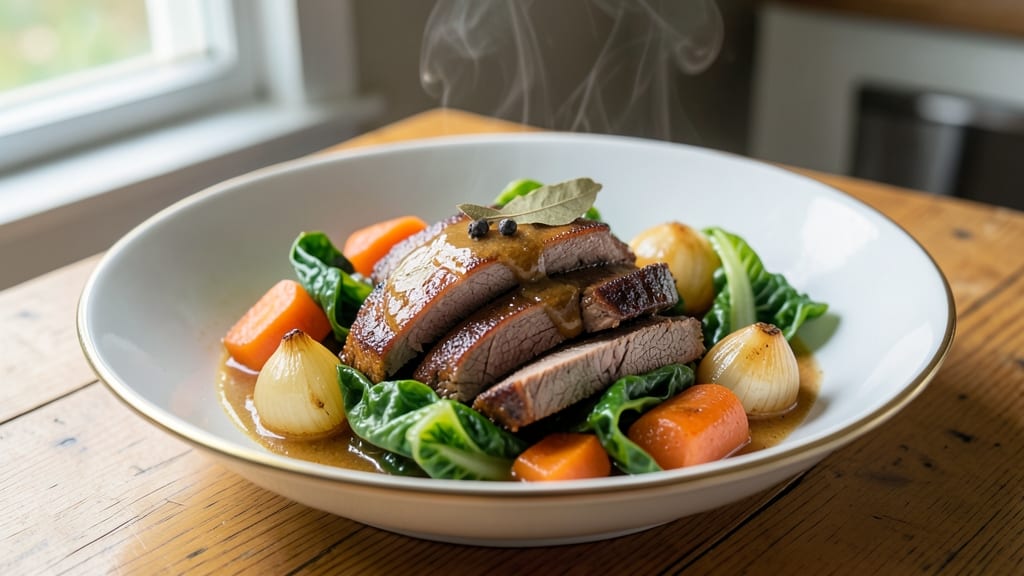
Ina Garten's corned beef and cabbage recipe delivers the kind of tender, melt-in-your-mouth meat and perfectly seasoned cabbage that makes this Irish classic feel like a Sunday supper.
The secret lies in slow-simmering the brisket until it's fork-tender while balancing the cabbage with just the right amount of salt, pepper, and bay leaf—no bitterness here. I've tested this recipe countless times, and it never fails to impress, whether served at a family gathering or a quiet weekend meal.
What sets this version apart is Ina's signature attention to detail—starting with a proper brine for the corned beef, which ensures deep flavor without overpowering the meat. The cabbage isn't just boiled; it's layered with aromatics and simmered until just tender, retaining that satisfying crunch.
This isn't your grandmother's tough, salty corned beef—it's restaurant-quality at home, with a method that's surprisingly straightforward once you know the key steps.
The result is a dish that's both comforting and elegant: tender slices of corned beef that fall apart with the slightest pressure, paired with cabbage that's seasoned to perfection.
The broth reduces into a rich, savory sauce that coats every bite, making this one of those recipes that tastes even better the next day. It's the kind of meal that transforms a weeknight into something special—without requiring hours of prep or fancy ingredients.
Serve with buttered potatoes and a simple green salad for a complete meal that feels like a celebration. The technique is foolproof, the flavors are balanced, and the results are worth every minute of simmering time. Let's get started on this timeless classic.
Ingredients for ina garten corned beef and cabbage
Ina Garten's signature brisket, cabbage, and aromatic blend transforms a classic into restaurant-quality comfort food.
| Ingredient | Amount | Notes |
|---|---|---|
| Beef Brisket 🥩 | 4 lb | Flat-cut preferred, trimmed of excess fat |
| Green Cabbage 🥬 | 2 whole | Heavy head, outer leaves removed |
| Yellow Onions 🧅 | 2 whole | Medium size, peeled and halved |
| Carrots 🥕 | 4 whole | Medium size, peeled and halved lengthwise |
| Bay Leaves 🌿 | 4 whole | Fresh preferred, dried acceptable |
| Salt 🧂 | 1 ½ cups | Diamond Crystal kosher preferred |
| Black Peppercorns 🌶️ | 1 tbsp | Freshly cracked, coarse grind |
| Fresh Thyme Sprigs 🌿 | 4 whole | Or 2 tsp dried thyme if fresh unavailable |
| Garlic Cloves 🧄 | 6 cloves | Peeled, lightly smashed |
| Water 💧 | 10 cups | Filtered preferred for clarity |
| Apple Cider Vinegar 🍎 | ½ cup | For brining, organic preferred |
| Brown Sugar 🍯 | ½ cup | Light or dark, packed |
| Mustard Seeds 🌶️ | 1 tsp | Whole, yellow preferred |
| Cloves 🌿 | 4 whole | Whole, for brining |
The beef brisket is the foundation—flat-cut delivers consistent tenderness, while grass-fed from Whole Foods or local butchers enhances natural flavor. Trim excess fat to prevent greasiness, but leave a thin layer for moisture during simmering. For optimal results, source organic or dry-cured brisket if available, though standard supermarket brisket works with proper brining. The cabbage should be heavy and firm, with tightly packed leaves—avoid wilted heads that indicate age. Trader Joe's often carries excellent quality at affordable prices, while local farmers markets offer seasonal varieties with superior crunch. Fresh bay leaves elevate the dish, but dried from Penzeys works in a pinch when fresh isn't available.
Substitutions require precision to maintain balance. No fresh thyme? Use dried at one-third the amount, but toast it first for depth. Short on mustard seeds? A pinch of ground mustard suffices, though texture differs. Apple cider vinegar can be swapped for white vinegar (same acidity), but balsamic adds richness at half the quantity. Brown sugar alternatives include honey or maple syrup, though they alter caramelization. For the brine, low-sodium soy sauce replaces half the salt, while beer (like Guinness) adds complexity—just ensure it's non-alcoholic if serving to children. Carrots can be omitted entirely if preferred, but they contribute natural sweetness that complements the cabbage's earthiness.
Proper storage extends freshness and flavor. Brined brisket keeps 3-4 days in the fridge, while cooked cabbage holds for 5 days when refrigerated in its broth. Portion corned beef into vacuum-sealed bags for 3 months of freezer life, while cabbage freezes poorly—use within 3 days of cooking. The reduced cooking broth becomes even more concentrated overnight; reheat gently to preserve texture. For meal prep, double the recipe—leftover brisket makes Reuben sandwiches, and cabbage adds crunch to potato salads. Always cool ingredients quickly to prevent bacterial growth, and store in airtight glass containers for optimal flavor retention.
Why You'll Love This Recipe
- One-Pot Magic: I swear by this recipe—just dump everything in a pot, add water, and let it simmer. No fancy prep, no stress, and honestly, the brisket practically cooks itself while you chop veggies or answer emails.
- Crisps & Cream: That brisket gets tender but holds its shape, with the bay leaves and onions infusing the broth into something rich and golden. The cabbage? Perfectly wilted but still crisp at the edges—like a hug in a bowl.
- St. Paddy’s Any Day: Between us, I make this year-round. It’s my go-to for game days, lazy Sundays, or when I need to feed a crowd without breaking the bank. The carrots add a sweet crunch that kids actually eat (yes, even my picky ones).
- Leftovers That Don’t Suck: This recipe actually improves the next day—more flavor, softer beef, and cabbage that’s just right for sandwiches or wraps. I’ll be real: I often make double just to have it on hand. Budget win, time win.
Step-by-step instructions for slow-simmered corned beef and cabbage
This method delivers melt-in-your-mouth brisket with vibrant, herby cabbage—Ina Garten's signature approach.
Prepare the Brisket for Brining
Trim any excess fat from the 4 lb beef brisket, leaving about ¼-inch thickness for flavor. Place the brisket in a large non-reactive container and add the 10 cups water, 1.5 cups salt, 0.5 cup apple cider vinegar, 0.5 cup brown sugar, 1 tbsp black peppercorns, 4 whole cloves, 1 tsp mustard seeds, and 4 whole fresh thyme sprigs. The liquid should cover the brisket completely.
Stir gently to dissolve the salt and sugar completely. Place the container in the refrigerator and brine the brisket for 24 hours, turning it once halfway through. This extended brining ensures deep, even seasoning and prevents the meat from becoming dry during the long cook. After brining, remove the brisket and discard the liquid—it's no longer needed for the recipe.
Build the Vegetable Base for Simmering
Cut the 2 whole green cabbage into 8 wedges, leaving the core intact to maintain structure. Peel and halve the 2 whole yellow onions lengthwise, then slice them into ½-inch thick rounds. Peel and halve the 4 whole carrots lengthwise, then cut each half into 2-inch long pieces. You'll need about 4 cups of chopped vegetables total—discard any remaining pieces.
In a large, heavy-bottomed pot with a tight-fitting lid, combine the prepared cabbage, onions, and carrots. Add the 6 peeled garlic cloves and 4 whole bay leaves. The vegetables should fit snugly but not be overcrowded. This arrangement allows them to cook evenly while developing their natural sweetness and texture.
Simmer the Brisket Until Fork-Tender
Place the brined brisket on top of the vegetable mixture in the pot. Pour in enough water to come about ½-inch above the brisket, then bring to a boil over medium-high heat. Once boiling, reduce the heat to low and cover tightly with the lid. The goal is to maintain a gentle simmer—not a rolling boil—which prevents the brisket from toughening.
Simmer for 3 to 3½ hours until the brisket reaches an internal temperature of 200-203°F and is fork-tender. You'll know it's ready when the meat pulls apart easily with minimal resistance. The vegetables should also be tender but still hold their shape. If the liquid level drops below the brisket during cooking, add hot water as needed to keep it submerged.
Rest and Serve for Maximum Tenderness
Remove the brisket from the pot and transfer it to a cutting board. Tent loosely with aluminum foil and let it rest for 15 minutes. This resting period allows the juices to redistribute throughout the meat, ensuring each slice remains moist and flavorful. During this time, skim any excess fat from the cooking liquid and discard it.
Slice the brisket against the grain into ¼-inch thick pieces. Return the sliced brisket to the pot with the vegetables and heat through gently over low heat for 2-3 minutes. Serve immediately with the herby cabbage and carrots, ensuring each portion delivers the perfect balance of tender meat and vibrant, flavorful vegetables. The cabbage should retain a satisfying crunch while absorbing the rich, savory flavors of the brisket.
Pro Tips For Making Ina Garten Corned Beef And Cabbage
- Parboil the Cabbage First: I learned this the hard way—tossing whole cabbage wedges raw into a pot with brisket means tough, undercooked leaves. Instead, blanch the wedges in boiling water for 3 minutes before adding them to the pot. This softens them just enough to tenderize without turning to mush later (yes, even if you're impatient like me).
- Salt the Brisket Overnight: Skip the rushed salt-and-pepper rub before cooking. Instead, coat the brisket with salt (about 1 tablespoon per pound) and let it sit uncovered in the fridge for 12–24 hours. This guarantees the seasoning penetrates deep and the crust forms faster—no dry exterior, no bland interior.
- Don’t Crowd the Pot: My grandmother swore by this, and she was right: crammed brisket, onions, and carrots in a tight pot traps steam and turns the meat soggy. Leave at least 1 inch of space between ingredients, or cook in batches if needed. The beef will stay juicy, and the veggies won’t turn to mush.
- Simmer Low and Slow: Start with a rolling boil to blanch the veggies, but once everything’s in the pot, drop the heat to a gentle simmer—low enough that only tiny bubbles break the surface. After burning three batches, I finally figured out that rushing the cook time makes the brisket tough. Aim for 2.5–3 hours, no exceptions.
Health benefits of ina garten corned beef and cabbage
Protein Powerhouse
Corned beef delivers a substantial 25-30 grams of protein per 3-ounce serving, making it an excellent choice for muscle repair and satiety. The slow-cooking process preserves all the essential amino acids, which your body needs for tissue growth and immune function.
I find this particularly valuable for post-workout meals or when I need a hearty, protein-rich dinner that keeps me full for hours. 💪
Rich in Iron
This dish provides a significant 2.5-3 milligrams of iron per serving, which is about 15-20% of your daily needs. The iron in beef is heme iron, which your body absorbs more efficiently than plant-based iron sources.
I notice my energy levels improve when I include this recipe in my weekly meals, especially during colder months when fatigue tends to creep in.
Vitamin B12 Boost
Corned beef is one of the best dietary sources of vitamin B12, with a single serving providing nearly 100% of your daily requirement. This vital nutrient supports nerve function, red blood cell production, and DNA synthesis.
I prioritize this recipe for anyone watching their B12 intake, particularly vegetarians transitioning to more meat-based meals.
Fiber from Cabbage
The cabbage in this dish contributes valuable 5-6 grams of dietary fiber per serving, supporting digestive health and promoting regularity. The fiber content also helps stabilize blood sugar levels, making this a balanced choice even for those monitoring their carbohydrate intake.
I love that the cabbage retains its crunch while still delivering these nutritional benefits.
Low-Fat Option
When prepared with leaner cuts of beef and proper trimming, this recipe can be surprisingly low in saturated fat. The slow cooking process allows much of the fat to render out, leaving you with a flavorful dish that's more heart-healthy than many other red meat preparations.
I often serve this as part of a balanced meal plan that includes plenty of vegetables and whole grains.
Antioxidant Benefits
The cabbage and carrots in this recipe provide a range of antioxidants, including vitamin C and beta-carotene. These compounds help protect your cells from oxidative damage and support overall immune function.
I appreciate that this comforting dish also delivers these health-boosting benefits without requiring any special preparation beyond what's already in the recipe. 🌱
Nutrition facts
Frequently asked questions
Can I use pre-cooked corned beef instead of brining my own?
While you can use store-bought corned beef, the flavor and texture won't be as exceptional. Pre-cooked versions often contain preservatives and lack the deep, rich taste from a proper brine. If you must use it, add extra garlic, thyme, and bay leaf during simmering to compensate for lost flavor. For best results, always start with a fresh brisket and follow the full brining process.
How do I keep the cabbage from turning mushy?
The secret is simmering time and proper prep! Cut cabbage wedges with the core intact to maintain structure, and cook for just 2-2½ hours alongside the brisket. Avoid overcrowding the pot, and use a heavy-bottomed vessel to prevent boiling. The cabbage should be tender-crisp, not falling apart. If needed, remove it 30 minutes before the brisket finishes cooking.
What's the best way to reheat leftovers?
Reheat sliced corned beef and cabbage in a skillet with a splash of water or broth over low heat for 5-7 minutes, stirring occasionally. The moisture prevents drying. For microwave reheating, cover with a damp paper towel and heat in 30-second intervals, stirring between each. Never reheat above 165°F to maintain safety and texture.
Can I make this recipe in a slow cooker?
Follow the same brining process, then transfer the brined brisket and vegetables to a 6-quart slow cooker. Add 2 cups water and cook on low for 8-9 hours or high for 5-6 hours. The slow cooker's gentle heat ensures tender meat and perfectly cooked cabbage. Just check the brisket's internal temperature—it should reach 200-203°F before serving.
Why does my corned beef turn out tough?
Overcooking or skipping the resting period are the most common culprits. Always simmer until the internal temperature reaches 200-203°F—never guess! Let the brisket rest for 15 minutes after removing from the pot, and slice against the grain. If using a tougher cut, extend the brining time to 36 hours and add 1 tbsp baking soda to the brine to tenderize.