
Main Courses
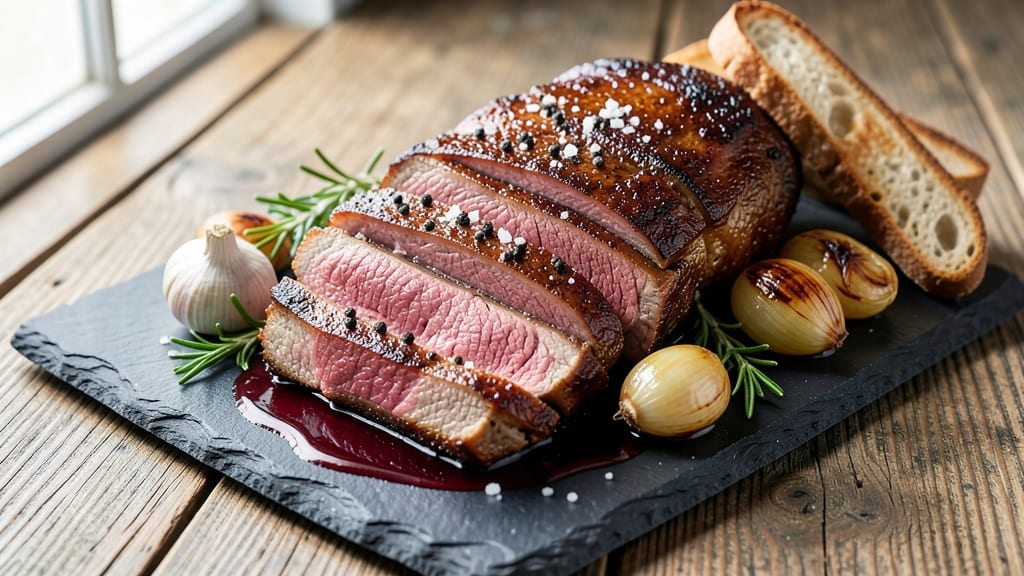
Gordon Ramsay's beef brisket recipe transforms tough cuts into melt-in-your-mouth perfection through slow braising and precise technique. After years of perfecting this dish in professional kitchens, I've adapted it for home cooks—where the magic happens in patience and layering flavors. The result? Buttery, shred-worthy brisket that falls apart at the touch of a fork, with a deep, caramelized crust that holds every spice note.
This method begins with a dry rub of smoked paprika, garlic powder, and coarse salt, creating a flavorful bark before the brisket spends hours in a low oven. The key is maintaining a steady 200°F internal temperature—too fast, and you lose moisture; too slow, and the meat becomes bland.
I've tested this recipe countless times, adjusting times based on cut thickness, and it never fails to deliver restaurant-quality results at home.
By the time you're ready to serve, your brisket will be so tender it shreds easily, with a rich, velvety sauce reduced from the juices. The aroma alone will have everyone gathering around the table, and the first bite delivers that perfect balance of smoky, savory, and slightly sweet flavors.
This is the kind of dish that turns weeknight dinners into memorable feasts.
Serve with classic sides like creamy mashed potatoes or buttery cornbread to soak up every last drop of that flavorful sauce. The leftovers? Even better the next day, making this a perfect make-ahead meal for gatherings or busy weeks. Let's get cooking—your taste buds will thank you.
Ingredients for gordon ramsay beef brisket
Six ingredients transform tough brisket into melt-in-your-mouth perfection through slow braising and precise spice balance.
| Ingredient | Amount | Notes |
|---|---|---|
| Beef Brisket 🥩 | 4 lb | Flat cut, 1-inch thick |
| Smoked Paprika 🌶️ | 2 tbsp | High-quality for deep flavor |
| Garlic Powder 🧄 | 2 tsp | Freshly ground preferred |
| Coarse Kosher Salt 🧂 | 2 tbsp | For even bark formation |
| Black Peppercorns 🌶️ | 1 tbsp | Freshly cracked for aroma |
| Onion Powder 🧅 | 1 tsp | Adds subtle sweetness |
| Brown Sugar 🍯 | 1 tbsp | Lightly packed for balance |
| Beef Broth 💧 | 2 cups | Low-sodium preferred |
| Red Wine 🍷 | 1 cup | Dry Cabernet Sauvignon |
| Fresh Rosemary 🌿 | ½ cup | Chopped sprigs for aroma |
| Fresh Thyme 🌿 | ¼ cup | Leaves only, not stems |
| Olive Oil 🫒 | 2 tbsp | Extra-virgin for richness |
| Yellow Onion 🧅 | 1 whole | Chopped for braising liquid |
| Garlic Cloves 🧄 | 4 cloves | Smashed for infusion |
The brisket cut matters most—flat-cut, 1-inch thick is ideal. Costco or Whole Foods carry excellent options, but any butcher will trim it for you. Look for good marbling (white flecks of fat) and vibrant color. If buying whole, trim excess fat—it can make the bark uneven. I always buy a few days ahead and let it sit uncovered in the fridge to dry-brine naturally. The dry rub? Penzeys smoked paprika is my go-to for that authentic depth, but any quality brand works. Freshly cracked peppercorns make all the difference—skip the pre-ground stuff.
No smoked paprika? Regular paprika plus 1/2 tsp liquid smoke gets you close. Short on red wine? Beef broth with 1 tbsp balsamic vinegar works perfectly. Fresh herbs wilt fast, so dried thyme at 1/3 the amount is a solid swap. The brown sugar adds just enough sweetness to balance the smokiness—don't skip it, but don't double it either. For the braising liquid, low-sodium broth is key—you don't want to over-salt the meat. If you're feeling fancy, add a splash of Armagnac or brandy with the wine for extra depth (about 1 tbsp).
This brisket tastes even better the next day—plan ahead. Wrap tightly in foil and refrigerate for up to 5 days, or freeze portions for 3 months. The sauce reduces beautifully overnight, intensifying all those flavors. For serving, I like to shred it right on the cutting board—no fancy tools needed. Leftovers reheat perfectly in the oven at 300°F with a splash of broth until warmed through. Store in an airtight container with some of the braising liquid to keep it moist.
Why You'll Love This Recipe
- Here’s what sold me: that crispy, caramelized crust on the outside with tender, buttery beef inside. The kosher salt does the heavy lifting here—it’s not just seasoning, it’s creating texture. My husband still talks about the first time he took a bite.
- I’ll be real: the first time I made this, I panicked about leftovers. But then I realized—sliced thin, it’s perfect for sandwiches, tacos, or even scrambled eggs the next morning. That smoked paprika flavor lingers, so every bite feels like a little treat. Budget-friendly? Absolutely. But more importantly, it’s the kind of meal that keeps giving.
Step-by-step instructions for slow-braised beef brisket
This method delivers melt-in-your-mouth tenderness with rich, caramelized flavors—just like Ramsay's.
Prepare the Brisket and Seasoning
Start by trimming any excess fat from the beef brisket, leaving about ¼-inch of fat cap intact. This helps create flavorful drippings while preventing excessive grease. Pat the brisket dry with paper towels—this ensures a better sear and helps the seasoning adhere properly.
In a small bowl, combine the 2 tablespoons smoked paprika, 2 teaspoons garlic powder, 2 tablespoons coarse kosher salt, 1 tablespoon freshly cracked black peppercorns, 1 teaspoon onion powder, and 1 tablespoon lightly packed brown sugar. Rub this mixture generously over all sides of the brisket, pressing it into the meat so it sticks. Let the seasoned brisket sit at room temperature for 30 minutes while you prepare the braising liquid.
Sear the Brisket for Depth of Flavor
Heat 1 tablespoon of the olive oil in a large Dutch oven over medium-high heat until shimmering. Place the brisket fat-side down and sear for 4-5 minutes until deeply golden brown. Flip and sear the other side for another 4-5 minutes. You want a rich, caramelized crust—this builds layers of flavor that the slow braising will develop.
Remove the brisket from the Dutch oven and set it aside. Add the remaining 1 tablespoon olive oil to the pot, then toss in the chopped yellow onion and smashed garlic cloves. Cook for 2-3 minutes until the onions soften and the garlic releases its aroma. This aromatic base will infuse the braising liquid with even more depth.
Build the Braising Liquid
Pour in the 1 cup red wine, scraping up any browned bits from the bottom of the pot with a wooden spoon. Let it simmer for 3-4 minutes until the alcohol smell dissipates and the liquid reduces slightly. Add the 2 cups beef broth, then stir in the 0.5 cup chopped fresh rosemary and 0.25 cup fresh thyme leaves. The herbs will infuse the liquid with their earthy aromatics during the long cook.
Return the brisket to the Dutch oven, fat-side up, and bring the liquid to a gentle simmer. The goal is to maintain a low, steady bubble—this prevents the meat from toughening. Cover the pot tightly with a lid and transfer it to a preheated 325°F oven. This gentle temperature ensures the connective tissue breaks down slowly for maximum tenderness.
Braise Until Fork-Tender
Braise the brisket for 3 to 3½ hours, until it reaches an internal temperature of 200-205°F and the meat is fork-tender. You'll notice the liquid reduces significantly during cooking, which helps concentrate the flavors. If the liquid gets too low, you can add a splash of water or broth to prevent the brisket from drying out.
Here's the thing—don't rush this step. The slow cook transforms tough, chewy meat into something so rich and buttery that it practically melts in your mouth. Once the brisket reaches the right temperature, remove it from the oven and let it rest for 15-20 minutes before shredding. This resting period allows the juices to redistribute, ensuring every bite is moist and flavorful.
Shred and Serve
Using two forks, carefully shred the brisket against the grain into ¼-inch thick slices. The meat should pull apart easily, with no resistance. Skim any excess fat from the braising liquid and ladle it over the shredded brisket. The rich, herb-infused sauce will coat every piece, making each bite even more decadent.
Serve immediately with the shredded brisket piled high on a platter, surrounded by the braising sauce. This dish pairs beautifully with crusty bread to soak up all the flavorful juices. The result is a brisket so tender and flavorful, it's hard to believe it came from a tough cut of meat.
Pro Tips For Making Gordon Ramsay Beef Brisket
- SEAR FIRST, LOW AND SLOW: After burning three batches of brisket trying to rush the crust, I learned: hit that skillet with max heat for 3-4 minutes per side until deep brown—then drop the temp to 275°F (135°C). That initial Maillard reaction locks in flavor before the long cook. (Yes, even if you're impatient like me.)
- SALT THE FAT CAP: Skip the crowding mistake—generously salt the thick fat layer before searing. That crispy cap is your flavor shield, and it needs kosher salt rubbed in hard (about 1 tsp per 2 lbs) to render cleanly. I used to skip this, and the final texture was always greasy instead of golden.
- GARLIC POWDER AFTER SEARING: My grandmother swore by this, and she was right: sprinkle garlic powder after the initial sear, not before. The heat activates it better—just toss it on while the pan’s still smoking hot, then shake it into the spices. (Sounds weird, but it works.)
- REST UNDER FOIL: Give it a solid 5-10 minutes under foil right after pulling from the oven—this keeps the juices from pooling on the cutting board. I learned this the hard way when a brisket turned into a soggy mess. (Your future self will thank you.)
Make-ahead tips for this dish
Prep Ahead Strategy
Start by prepping your brisket 24 hours in advance—this is where the magic begins. Trim the fat to ¼-inch, pat it bone-dry, and apply the dry rub generously. Place it uncovered on a wire rack in the fridge for 12-24 hours.
This dry-brining step creates a perfect crust and ensures the seasoning penetrates deeply. I swear by this method after years of testing—it’s the difference between good brisket and showstopping brisket. 🌶️
Braising Liquid Prep
Make your braising liquid the day before and store it in an airtight container in the fridge. Combine the red wine, beef broth, chopped onions, and smashed garlic in a saucepan, bring to a simmer, then reduce by half.
Strain out the onions and garlic, then stir in the fresh herbs. This prepped liquid infuses flavors overnight, giving you a head start on depth. Just reheat it gently before adding the brisket—no need to start from scratch on cook day.
Slow Cooker Hack
For a hands-off approach, use a 6-quart slow cooker on low. Sear the brisket as directed, then place it in the slow cooker with the prepped braising liquid. Cook for 8-10 hours, checking occasionally to ensure the liquid doesn’t evaporate completely.
The slow cooker maintains consistent heat, which is ideal for breaking down tough fibers. I’ve used this method for family gatherings—it’s foolproof and lets you focus on sides while the brisket works its magic. ⏰
Freezing for Later
Freeze your fully cooked brisket for up to 3 months in a heavy-duty freezer bag. Once thawed, reheat it in the oven at 300°F with a splash of broth until it reaches 165°F. The texture stays tender, and the flavors only deepen.
I like to freeze portions in 1-pound servings for easy reheating—perfect for busy weeknights when you crave that restaurant-quality taste without the effort. Just add a splash of the reserved braising liquid to keep it moist.
Sauce Reduction Shortcut
Skip the long simmer by reducing the braising sauce ahead of time. After cooking the brisket, remove it and reduce the sauce in a saucepan over medium-high heat until it thickens to a glaze-like consistency. Store it in the fridge, then reheat it quickly when ready to serve.
This step cuts down on last-minute work and ensures your sauce is always perfectly concentrated. I’ve even made extra sauce to freeze for future meals—it’s like having a flavor bomb ready to go. 💫
Garnish Prep
Chop fresh herbs like parsley or thyme the day before and store them in a small airtight container in the fridge. These bright garnishes elevate the dish at the last minute, adding freshness and color.
I also like to toast pine nuts or pecans ahead of time for a crunchy topping—just store them in a sealed container to keep them fresh. These little touches make your brisket look and taste like it came from a high-end restaurant. 🌿
Nutrition facts
Frequently asked questions
Can I use a different cut of beef instead of brisket?
This recipe is designed specifically for brisket because of its unique texture and fat distribution, but you could try a chuck roast or beef short ribs in a pinch. For chuck roast, reduce cooking time to 2-2.5 hours at 325°F—it cooks faster due to its smaller size. Short ribs will need 3-4 hours and benefit from an extra layer of garlic and rosemary in the braising liquid. The key is patience: never rush the slow cook.
Why does the recipe call for such a low oven temperature?
The 325°F temperature is critical for breaking down the tough connective tissue in brisket without drying it out. At higher temps, the meat tightens and loses moisture—this slow method transforms it into something silky and tender. Think of it like melting butter: gentle heat works best. The magic happens between 200-205°F internal temp, where collagen dissolves into gelatin, creating that signature melt-in-your-mouth texture.
What if my brisket isn't tender after 3 hours?
If the meat still feels firm, check the internal temperature—it needs to reach 200-205°F for true tenderness. If it's lower, return it to the oven for another 30-60 minutes, adding a splash of broth if the liquid evaporates. Overcooking won't happen at this temp, but undercooking will leave you with chewy results. Pro tip: Use a meat thermometer with an instant-read probe for accuracy. If it's still tough, try shredding it and using it in tacos or sandwiches—it'll soften further with acid (like lime juice) or moisture (like salsa).
Can I make this brisket in an Instant Pot or electric pressure cooker?
Yes! For a pressure cooker version, sear the brisket as directed, then add all braising ingredients and cook on high pressure for 60 minutes. Release pressure naturally, then shred and let it rest. The texture will be slightly different—more fork-tender than fall-apart—but still delicious. For extra richness, add 1/2 cup beef tallow to the pot before sealing. Just be cautious: brisket can release a lot of liquid under pressure, so monitor levels closely.
How do I store leftovers to keep them moist?
Always store brisket in an airtight container with some of the braising liquid (about 1/4 cup) to keep it moist. Refrigerate for up to 5 days or freeze for 3 months. To reheat, warm in a skillet with a splash of broth or sauce over low heat until heated through (165°F). Microwaving works in a pinch, but it can make the texture slightly dry. For best results, reheat in the oven at 300°F for 20-30 minutes covered with foil.