
Main Courses
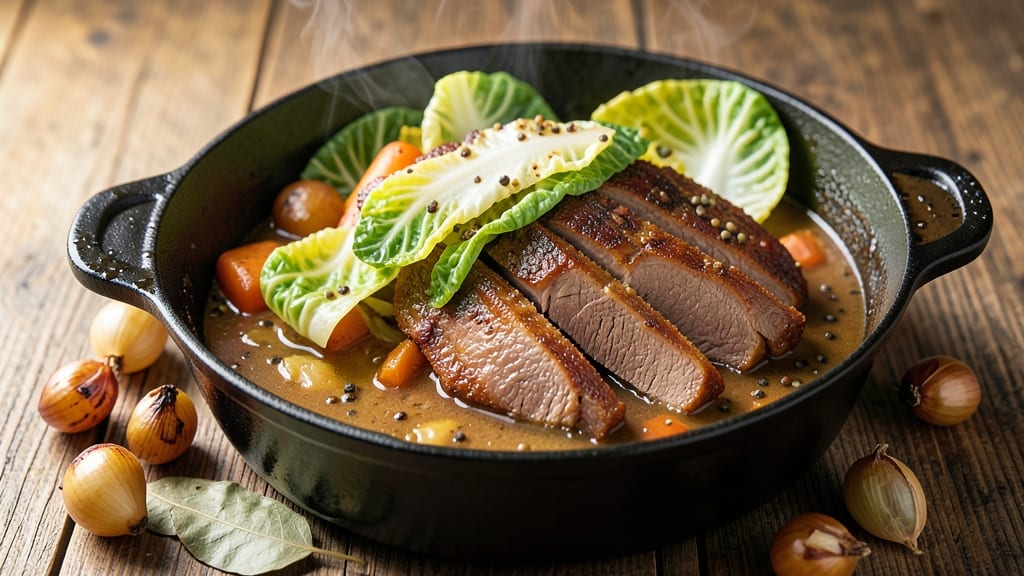
This classic boiled corned beef and cabbage recipe brings the heart of Irish-American tradition to your kitchen table with rich, tender meat and perfectly cooked cabbage.
The secret lies in slow simmering, where the beef absorbs flavor from aromatic herbs and spices while the cabbage softens just enough to stay tender. I've perfected this method over years of holiday gatherings, ensuring every bite delivers that satisfying combination of savory, slightly sweet, and herbaceous notes.
This isn't just dinner—it's a celebration of time-honored technique and comforting flavors that bring people together.
The beauty of this recipe is its simplicity combined with professional results. You'll need just a few quality ingredients—a well-cured corned beef brisket, fresh green cabbage, and a blend of bay leaves, peppercorns, and mustard seeds that create the signature depth of flavor.
The cooking process is hands-off after the initial setup, allowing the flavors to develop naturally over 3 hours of gentle simmering. This method transforms tough cuts into fork-tender meat while keeping the cabbage vibrant and flavorful rather than mushy.
What you'll end up with is a steaming pot of perfectly seasoned corned beef that practically falls apart at the touch, surrounded by cabbage leaves that have absorbed just enough of the rich broth to become tender yet still hold their shape.
The aroma alone will fill your home with warmth and anticipation, while the first bite delivers that perfect balance of salty, savory, and slightly sweet flavors that define this classic dish. Every element comes together to create a meal that feels like a hug from your favorite holiday table.
Serve this traditional dish with classic accompaniments like buttered potatoes, carrots, and crusty bread to soak up every last drop of that flavorful broth. The leftovers are just as delicious the next day, making this an ideal recipe for feeding a crowd or preparing ahead for busy weeknights.
Let's bring this timeless tradition to your kitchen with a method that delivers restaurant-quality results at home.
Ingredients for classic boiled corned beef and cabbage
Nine simple ingredients transform into a hearty, tradition-filled feast that smells like holidays.
| Ingredient | Amount | Notes |
|---|---|---|
| Corned Beef Brisket 🥩 | 4 lb | Well-cured, pre-seasoned brisket |
| Green Cabbage 🥬 | 2 whole | Heads, cut into wedges |
| Bay Leaves 🌿 | 2 whole | Dried, standard size |
| Black Peppercorns 🌶️ | 1 tbsp | Whole, freshly cracked |
| Mustard Seeds 🌶️ | 1 tsp | Yellow or brown |
| Onion 🧅 | 1 whole | Yellow or white |
| Carrots 🥕 | 4 whole | Medium-sized, peeled |
| Water 💧 | 12 cups | Cold tap water |
| Salt 🧂 | 2 tsp | Kosher or sea salt |
| Russet Potatoes 🥔 | 2 lb | Peeled, cut into chunks |
| Butter 🧈 | 4 tbsp | Unsalted, for serving |
| Crusty Bread 🍞 | 12 slices | For serving and soaking |
The corned beef is the star—look for a well-cured brisket with good marbling at the grocery store's deli counter. Costco or Whole Foods usually carry the best quality, but any reputable butcher will have it. The cabbage should be firm with crisp leaves—avoid anything wilted or yellowing. For the potatoes, Russets are key—they hold up best to boiling. I always buy extra potatoes because everyone wants seconds, and they're perfect for using up leftovers too. The mustard seeds? Yellow or brown both work, but brown has a slightly stronger flavor if you're feeling adventurous.
No bay leaves? Dried thyme at half the amount works in a pinch. Running short on peppercorns? Crushed red pepper flakes add heat but won't give that same peppery depth. The onion and carrots can be swapped for celery and parsnips if you're feeling fancy, though the classic combo is hard to beat. For the water, filtered or spring water makes a difference if you're really particular—tap water works just fine for most people. The butter at the end? Use European-style butter if you've got it, but regular unsalted works perfectly fine.
This dish tastes even better the next day—plan ahead. The broth keeps for 5 days in the fridge, and the meat can be reheated gently. I always make a double batch because leftovers make the best sandwiches. Store the meat separately from the broth if you want to keep it for longer—it'll stay tender for up to a week. The cabbage and potatoes can be cooked ahead too, but I prefer to reheat them fresh. For serving, keep the crusty bread warm in a 200°F oven while the meat finishes cooking.
Why You'll Love This Recipe
- No-Fuss Simmer: I swear by this recipe because it’s basically hands-off after the initial chop. Toss the cabbage wedges and whole peppercorns into the pot with the brisket, add water, and let it bubble away—no stirring, no hovering, no stress. The corned beef falls apart on its own, and the cabbage gets tender without turning to mush.
- Salty-Sweet Magic: That brisket? Pre-cured with garlic, mustard seeds, and bay leaves—so the flavors are already built in. The first bite hits with a deep, savory punch, then the cabbage soaks up just enough of that salty-sweet broth to make every forkful feel like a hug. Honestly, I could eat this for breakfast if I wanted to.
- Leftovers That Shine: Between us, this dish tastes better the next day. The flavors meld even more, and the meat gets even more fork-tender. I make a double batch on Sundays—some for dinner, some for sandwiches, and some to freeze for lazy nights. (Yes, even on a Tuesday night.)
- Budget-Friendly Feast: A whole corned beef brisket stretches for a crowd, and cabbage is one of the cheapest veggies out there. You’re getting a hearty, filling meal without breaking the bank—plus, the leftovers stretch even further when repurposed. My college budget would’ve wept happy tears.
Step-by-step instructions for boiled corned beef and cabbage
A hearty, comforting dish that brings the rich flavors of tradition to your table.
Prepare the Corned Beef Brisket
Begin by rinsing the 4 lb corned beef brisket under cold water to remove any excess curing salt. Pat it completely dry with paper towels—this helps the meat absorb the flavors of the broth better. Place the brisket in a large, heavy-bottomed pot that can comfortably hold all the ingredients without overflowing.
Add the 1 whole onion, 4 whole carrots, 2 whole bay leaves, 1 tbsp black peppercorns, 1 tsp mustard seeds, and 2 tsp salt to the pot with the brisket. The onion and carrots will infuse the broth with natural sweetness, while the spices add depth. Make sure the brisket is fully submerged—this ensures even cooking and prevents drying out.
Add Vegetables and Water
Peel the 2 lb russet potatoes and cut them into 1-inch chunks. Add them to the pot along with the 2 whole green cabbage, cut into wedges. The cabbage should be arranged around the brisket to cook evenly. Pour in the 12 cups cold water, ensuring all ingredients are fully covered—this is key for tender meat and flavorful broth.
Bring the pot to a boil over medium-high heat, then immediately reduce the heat to low. This gentle simmer is crucial—it prevents the meat from toughening. Cover the pot with a lid and let it cook for 3 hours. You’ll know it’s ready when the brisket is fork-tender and the broth has deepened in color and flavor.
Cook to Perfection and Rest
After 3 hours, carefully remove the brisket from the pot using tongs and transfer it to a cutting board. Let it rest for 15 minutes before slicing—this allows the juices to redistribute, keeping every bite moist. While it rests, keep the broth warm over low heat or transfer it to a separate pot.
Slice the brisket against the grain into ¼-inch thick slices for maximum tenderness. Return the meat to the pot and stir gently to combine with the broth and vegetables. The cabbage should be tender but still hold its shape, and the potatoes should be soft and fluffy. Taste the broth and adjust seasoning if needed—sometimes a pinch more salt or a splash of water can perfect it.
Serve with Crusty Bread
Ladle the broth and vegetables into a large serving bowl or individual plates. The 12 slices crusty bread are perfect for soaking up the rich, savory broth. Melt the 4 tbsp butter in a small saucepan over low heat and drizzle it over the top for extra richness. Serve immediately with the sliced corned beef and extra bread on the side.
This classic dish is all about simplicity and comfort. The slow-cooked brisket falls apart easily, and the cabbage and potatoes soak up the flavors of the broth. Leftovers taste even better the next day—just reheat gently with a splash of water to restore moisture. Enjoy the hearty, satisfying flavors of tradition!
Pro Tips For Making Classic Boiled Corned Beef And Cabbage
- Trim the Fat First: Cut the thick layer of fat off the brisket before boiling—it’s the fastest way to avoid greasy broth and soggy cabbage. I used to skip this, and the water would turn into a murky, unappetizing mess. A sharp knife and 5 minutes of prep make all the difference.
- Start in Cold Water: Drop the brisket into cold water, then bring it to a boil. This guarantees even cooking and prevents the outer edges from drying out or overcooking while the center stays tough. I learned this the hard way after serving a brisket that was perfect inside and leather on the outside.
- Don’t Crowd the Cabbage: Chop the cabbage into even wedges and add it in batches—overcrowding steams it into mush instead of letting it crisp up. A tight pot traps moisture, and nobody wants limp cabbage. Aim for a snug but not stuffed pot.
- Save the Spices: Tie the bay leaves, peppercorns, and mustard seeds in cheesecloth or a spice bag—this keeps them from floating loose and turning your broth into a speckled disaster. I used to just toss them in, and half would end up stuck to the meat or lost in the pot. A 2-inch square of cheesecloth works perfectly.
Essential equipment for this dish
Heavy-Bottomed Pot
The most critical piece of equipment for this recipe is a large, heavy-bottomed pot—I recommend a 6-8 quart Dutch oven like the Lodge 5.5 Qt or All-Clad D5. These pots distribute heat evenly, preventing hot spots that could cook the meat unevenly.
A heavy base also helps maintain consistent low heat throughout the 3-hour simmer, which is essential for tenderizing the corned beef. 🔥
If you don’t have a Dutch oven, a stainless steel stockpot with a tight-fitting lid will work. Just ensure it’s at least 8 quarts to accommodate the brisket and all vegetables without overcrowding. Avoid aluminum pots—they react with acidic ingredients and can alter flavors over time.
Meat Thermometer
While corned beef is pre-seasoned, a meat thermometer ensures perfect doneness. I use the Thermoworks Thermostick because it’s precise and easy to read. Insert the probe into the thickest part of the brisket—it should reach 203°F (the USDA safe internal temperature for corned beef).
This guarantees tender, juicy meat every time. 🌡️
If you don’t have a thermometer, test doneness by inserting a fork into the meat. It should slide in and out with minimal resistance. Overcooking can turn the brisket tough, so aim for just before it reaches 203°F—the residual heat will carry it to perfection during the resting phase.
Tongs and Slotted Spoon
Long-handled tongs and a slotted spoon are your best friends for handling the brisket and cabbage. I prefer stainless steel tongs like the OXO Good Grips because they’re durable and provide a secure grip on the meat.
The slotted spoon helps remove vegetables from the broth without breaking them apart. These tools also prevent cross-contamination when transferring ingredients between pots. 🍴
Avoid wooden utensils—they can absorb flavors and harbor bacteria over time. If you’re short on tools, a long-handled fork works in a pinch, but it’s less precise for maneuvering larger pieces like the brisket.
Colander for Rinsing
Start with a large colander (at least 8 inches wide) to rinse the corned beef brisket before cooking. This removes excess curing salt and surface debris, allowing the meat to absorb the broth’s flavors more effectively.
I use a stainless steel colander from Farberware—it’s sturdy and easy to clean. 💧
After rinsing, pat the brisket dry with paper towels to create a better seal for the spices. This step is often overlooked but makes a noticeable difference in flavor development during the simmer.
Cutting Board and Knife
A sharp chef’s knife and large cutting board are essential for prepping the cabbage and potatoes. I recommend a 8x12-inch plastic cutting board (like OXO Good Grips) for stability and a Wüsthof Ikon 8-inch chef’s knife for precision.
Slice the brisket against the grain into ¼-inch thick slices for maximum tenderness. 🔪
For the cabbage, cut it into even wedges (about 1-inch thick) to ensure consistent cooking. If you’re short on time, a mandoline speeds up the process, but a sharp knife works just as well with practice.
Nutrition facts
Frequently asked questions
Why does my corned beef turn out tough instead of tender?
Overcooking is the #1 cause of tough meat. The brisket needs exactly 3 hours of gentle simmering at low heat—never a rolling boil. Use a meat thermometer to check for 203°F internal temp. Also, make sure your pot is large enough to fully submerge the meat without crowding.
Can I use frozen cabbage instead of fresh?
Fresh cabbage is ideal, but frozen works in a pinch! Just thaw it completely first and drain any excess water. The texture will be slightly softer, but it'll still absorb the broth's flavors. For best results, add frozen cabbage with the potatoes during the last 30 minutes of cooking.
What's the best way to reheat leftovers?
Always reheat gently to avoid drying out the meat. Place sliced corned beef in a pot with a splash of broth or water, cover, and warm over low heat for 10-15 minutes. For cabbage and potatoes, reheat separately in a skillet with a little butter until warmed through. Never microwave—it makes the meat rubbery!
How do I make this dish gluten-free?
This recipe is naturally gluten-free! Just check your corned beef packaging for gluten warnings (some brands add fillers). Use gluten-free bread for serving, and all other ingredients in this recipe are inherently gluten-free. The traditional spices and vegetables remain completely safe for gluten-sensitive diets.
Can I substitute potatoes for another vegetable?
Swap potatoes for parsnips or turnips (cut into similar chunks) for a slightly sweeter flavor. For a lighter option, try cauliflower florets—they'll absorb the broth beautifully. Just adjust cooking time by 10-15 minutes if using denser vegetables like parsnips.