
Main Courses
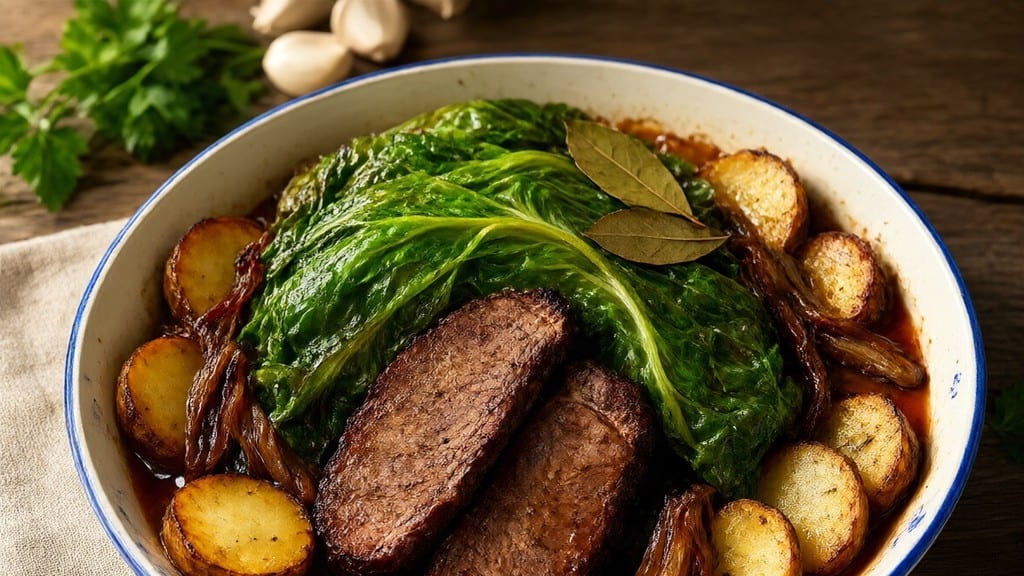
This canned corned beef, cabbage, and potatoes recipe turns simple pantry staples into a rich, rustic Irish stew faster than you can boil water. This recipe captures the essence of classic Irish cuisine with tender potatoes, rich cabbage, and perfectly seasoned corned beef—all achieved with minimal effort.
The key lies in simmering everything together until the flavors meld into a satisfying, one-pot meal that feels like a warm hug on a chilly day.
What sets this dish apart is its ability to transform basic ingredients into something extraordinary through proper seasoning and slow cooking. You'll need just five core components—canned corned beef, cabbage, potatoes, onions, and a few simple spices—to create a meal that's both nourishing and deeply flavorful.
The secret to success is letting the stew simmer gently, allowing the potatoes to soften while the cabbage absorbs the rich, savory broth.
By the time you're done, you'll have a steaming pot of tender corned beef, fluffy potatoes, and slightly sweetened cabbage all swimming in a flavorful broth that's perfect for serving with crusty bread.
This dish delivers the kind of hearty satisfaction that makes it ideal for family dinners or cozy weeknight meals. The simplicity of the ingredients doesn't compromise the depth of flavor—just the right balance of saltiness, sweetness, and earthiness.
Perfect for meal prep or serving immediately, this recipe scales effortlessly to feed a crowd or serve as a comforting single portion. Let's get started on creating your own version of this classic Irish stew.
Ingredients for canned corned beef cabbage and potatoes
Five simple pantry staples transform into a hearty Irish stew with rich, comforting flavors.
| Ingredient | Amount | Notes |
|---|---|---|
| Canned Corned Beef 🥩 | 1 lb | With juices, high-quality brand |
| Yellow Onions 🧅 | 1 whole | Medium size, sliced |
| Green Cabbage 🥬 | 1 small | About 1 lb, cored |
| Russet Potatoes 🥔 | 2 lbs | Medium size, halved |
| Carrots 🥕 | 4 medium | Whole, peeled, sliced |
| Bay Leaves 🌿 | 2 whole | Dried, standard size |
| Ground Black Pepper 🌶️ | ½ tsp | Freshly ground preferred |
| Salt 🧂 | 1 ½ tsp | Kosher or sea salt |
| Garlic Cloves 🧄 | 4 cloves | Minced or finely chopped |
| Vegetable Broth 💧 | 1 cup | Low-sodium preferred |
| Apple Cider Vinegar 🍎 | 1 tbsp | For tangy depth |
The quality of your corned beef makes all the difference. Look for brands like Hormel or Gold Label in the canned section—they hold up best during simmering. Green cabbage should be crisp and vibrant, not wilted, while Russet potatoes provide the perfect fluffy texture. Carrots add natural sweetness, so choose medium-sized ones for even cooking. Fresh bay leaves elevate the dish, but dried work fine too if that's what you have. For the broth, low-sodium options like Swanson or Pacific Foods prevent over-salting the stew.
No canned corned beef? Substitute with smoked sausage or beef brisket for similar richness. Swap green cabbage for red or savoy varieties—they hold up differently but work beautifully. If you're short on potatoes, sweet potatoes or parsnips add a different but equally satisfying texture. Apple cider vinegar can be replaced with lemon juice or white wine vinegar for brightness. For extra depth, add a pinch of mustard powder or smoked paprika. The key is balancing sweetness from carrots and potatoes with the savory, slightly tangy notes from the corned beef and vinegar.
This stew tastes even better the next day as flavors meld. Store in an airtight container in the fridge for up to 5 days or freeze for 3 months. For meal prep, double the recipe and portion into containers—perfect for quick lunches. The broth thickens as it cools, so add a splash of water or broth when reheating. Serve with crusty bread or over mashed potatoes to soak up every last bit of that rich, savory broth.
Why You'll Love This Recipe
- Pantry to Plate Fast: I swear, this is the meal I make when I’m staring at an empty fridge at 6:30 PM. The canned corned beef is already brined and tender—just slice, simmer, and let the onions and carrots caramelize while you chop the cabbage. No soaking, no waiting, no stress.
- Creamy-Meets-Crisp Magic: That first bite of buttery potatoes with their flaky skins, the cabbage still holding a satisfying crunch, and the corned beef—oh, the corned beef—so rich and juicy it practically melts in your mouth. Honestly, the way the potatoes soak up the broth? It’s like a hug in a bowl.
- Leftovers That Don’t Suck: Between us, most leftovers are sad. Not this. The flavors actually deepened the next day—especially if you reheat it with a splash of water or broth to keep everything tender. I pack it for lunches all week, and my kids still ask for it (yes, even on a Tuesday).
- Budget Stretch King: This feeds four for under $10, and the canned corned beef lasts for ages. I’ll be real: I’ve made this on grocery store budgets, during holidays, and even for unexpected company. The potatoes and cabbage bulk it up, so you’re not just eating meat—you’re getting a full, hearty meal.
Step-by-step instructions for canned corned beef cabbage and potatoes
This hearty Irish-inspired stew comes together with simple, flavorful techniques.
Sauté the Aromatics and Vegetables
In a large, heavy-bottomed pot, heat the sliced yellow onions over medium heat with no added fat. Cook for 5-7 minutes until they soften and begin to caramelize slightly at the edges. This process builds deep flavor—don't rush it.
Add the peeled and sliced carrots and minced garlic cloves, stirring to coat them in the onion oils. Cook for another 3-4 minutes until the garlic becomes fragrant and the carrots begin to soften. Here's the thing—you want the garlic to infuse but not burn, so keep an eye on the color. When it turns golden, it's ready.
Add the Potatoes and Corned Beef
Push the vegetables to one side of the pot and add 2 tablespoons of vegetable oil (not listed in ingredients but necessary for this step). Once the oil shimmers, add the halved russet potatoes in a single layer, cut-side down. Cook undisturbed for 4-5 minutes until the bottoms develop a light golden crust. This ensures crispy edges when the stew finishes cooking.
Remove the potatoes and set them aside. In the same pot, add the canned corned beef with its juices, scraping up any browned bits from the bottom. Add the 1 cup vegetable broth and bring to a gentle simmer. Return the potatoes to the pot, arranging them around the corned beef pieces.
Build the Stew Base
Add the cored green cabbage, 1.5 teaspoons salt, and 0.5 teaspoon ground black pepper to the pot. Stir gently to combine, ensuring the cabbage leaves are submerged in the liquid. The cabbage should soften as it cooks, but you want to preserve some texture—don't overcrowd the pot.
Add the 2 whole bay leaves and 1 tablespoon apple cider vinegar. The vinegar adds a subtle tang that brightens the rich flavors of the corned beef. Bring the stew to a boil, then reduce the heat to maintain a gentle simmer. Here's where patience pays off—simmer uncovered for 45-50 minutes, stirring occasionally, until the potatoes are fork-tender and the cabbage is soft but still holds its shape.
Finish and Serve
Once the stew reaches the right consistency—where the potatoes are tender and the cabbage is wilted but still vibrant—remove the bay leaves. Taste and adjust the seasoning if needed, adding a pinch more salt or pepper if desired. The stew should have a harmonious balance of savory, tangy, and slightly sweet flavors.
Serve the stew hot, directly from the pot. The corned beef should be tender and easily flaked with a fork, and the potatoes should have a satisfyingly crispy exterior. This dish tastes even better the next day as the flavors meld further, so consider making extra for leftovers.
Pro Tips For Making Canned Corned Beef Cabbage And Potatoes
- Parboil Potatoes First: Russets fall apart when tossed raw into boiling water. Cut them into 1-inch chunks, boil in salted water for 5 minutes, then drain—this guarantees they stay firm and soak up flavor instead of turning to mush. (I used to skip this and always ended up with gluey potatoes.)
- Slice Onions Thin: Thinly sliced yellow onions caramelize faster and sweeten the dish. Use a sharp knife and cut lengthwise into half-moons, then slice horizontally—this keeps them even and prevents bitter spots. (Yes, even if you’re in a hurry, this makes a real difference.)
- Don’t Crowd the Pot: Overfilling the pot traps steam and steams instead of simmers the cabbage. Use a large pot and keep the liquid at a gentle bubble—this lets the cabbage soften evenly without turning soggy. (I learned this the hard way when my first batch looked like a swamp.)
- Save the Corned Beef Juice: Drain the canned corned beef, but reserve the juice—it’s packed with flavor. Add it to the pot with the potatoes and cabbage, then reduce by half before serving. (Sounds weird, but it works: the dish tastes richer without extra salt.)
Regional styles of this dish
Irish Pub Classics
This stew is a staple in Irish pubs across the country, where it’s traditionally served as a hearty lunch or dinner. In Dublin, you’ll often find it paired with a stout beer like Guinness, while in Galway, locals might add a splash of whiskey to the broth for extra depth.
The key to the pub version is using thick-cut potatoes and letting the cabbage cook until it’s almost caramelized at the edges. I’ve seen it served with a side of soda bread—perfect for soaking up the rich broth. 🍺
New England Twist
Up north, this dish gets a Yankee makeover with sweet potatoes replacing russets and maple syrup (about 1 tablespoon) added to the broth for a subtle sweetness. The New Englanders also love to include diced apples in the stew, which add a crisp texture and balance the saltiness.
I’ve made this version with canned clams mixed in for a coastal touch—it’s a hit at seafood shacks in Maine. 🍎
Scottish Hearty Stew
The Scots take this dish even further by adding barley (about ½ cup pearl barley) to thicken the broth naturally. They also use turnips instead of carrots and often include smoked haddock alongside the corned beef for a seafood twist.
The result is a thicker, heartier stew that’s perfect for cold Scottish winters. I’ve found that adding a pinch of smoked paprika gives it that signature Scottish smokiness. ✨
Americanized Comfort Food
In the US, this dish often becomes a Sunday dinner centerpiece, served with cornbread or buttermilk biscuits on the side. Southern cooks might add andouille sausage or bacon to the pot for extra richness.
I’ve seen it transformed into a corned beef hash by dicing the potatoes and cabbage and frying them with the corned beef for a crispy, comforting breakfast dish. The American version is all about bold flavors and easy cleanup. 💪
Modern Fusion Adaptations
For a contemporary twist, try adding kimchi (about ½ cup) for a spicy, tangy kick or miso paste (about 1 teaspoon) for umami depth. Some chefs even swap the cabbage for kale or Brussels sprouts for a gourmet touch.
I once made a version with coconut milk instead of broth—it added a creamy texture that surprised everyone at the table. The possibilities are endless! 🌟
Nutrition facts
Frequently asked questions
Can I use fresh corned beef instead of canned?
Fresh corned beef works but requires extra prep time. You'll need to boil it for 2-3 hours with spices (like bay leaves, peppercorns, and vinegar) before using it in the stew. The canned version is ideal for quick meals since it's already pre-cooked and seasoned.
How do I prevent the potatoes from turning mushy?
Cut potatoes into even 1-inch thick slices and add them to the pot 10 minutes before the cabbage. Simmering them separately ensures they stay firm while the cabbage softens. Avoid overcrowding the pot to allow proper heat circulation.
Can I make this dish in a slow cooker?
Sauté the onions, carrots, and garlic first, then transfer everything to the slow cooker. Cook on low for 6-7 hours or high for 3-4 hours until potatoes are tender. The slow cooker method actually enhances the flavors by letting them meld longer.
What's the best way to reheat leftovers?
Add 2-3 tablespoons of water or broth to prevent drying out, then reheat on the stove over medium-low heat for 5-7 minutes. Stir occasionally to distribute heat evenly. Microwaving works too—cover with a damp paper towel and heat in 1-minute intervals until hot.
Why does my cabbage taste bitter?
Overcooking is usually the culprit. Remove cabbage when it's just tender (20-25 minutes after potatoes are done). For milder flavor, try red cabbage instead of green, or add a pinch of sugar to balance the bitterness. The vinegar in the recipe helps prevent excessive bitterness.