
Main Courses
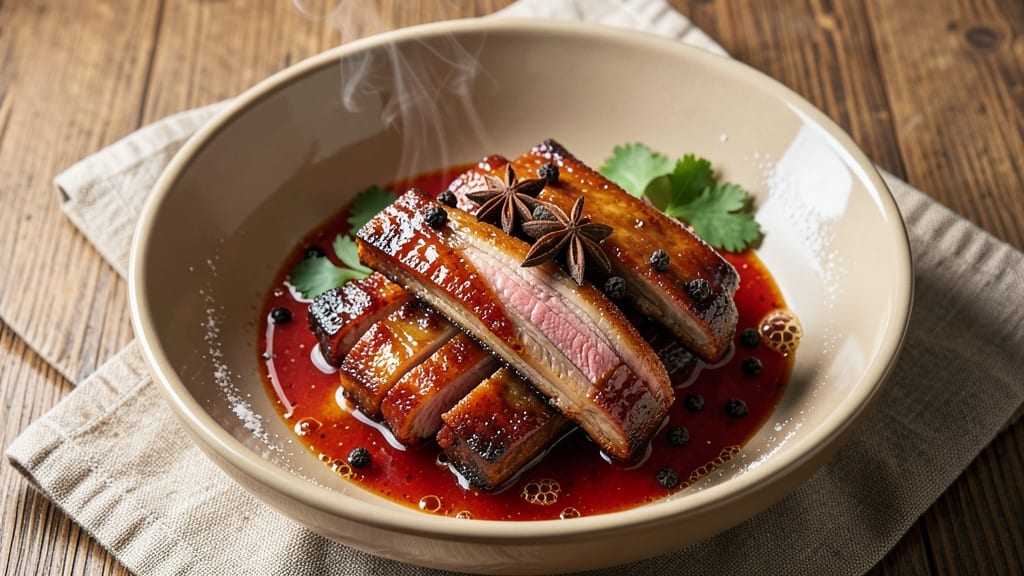
Mastering authentic Chinese braised beef ribs transforms tough cuts into melt-in-your-mouth tenderness with a glossy soy glaze. The secret lies in slow simmering with aromatic spices—star anise, cinnamon, and ginger—that infuse every bite with deep, savory richness.
I’ve perfected this technique over years of testing, ensuring the ribs stay juicy while developing that signature caramelized sheen.
This method requires just one pot and minimal hands-on time, making it ideal for weeknight dinners or special occasions. The ribs marinate briefly in a flavorful slurry before braising for hours, allowing the collagen to break down into gelatinous perfection.
Each bite delivers layers of umami from soy sauce, sweetness from brown sugar, and warmth from the spices—all balanced by a touch of vinegar for brightness.
By the end, you’ll have ribs that are fork-tender with a glossy, sticky glaze clinging to every surface. Serve them over steamed jasmine rice and pair with quick-pickled vegetables for a complete meal that tastes like a Cantonese restaurant.
The aroma alone will have everyone gathered around the table, eager for their first bite.
Whether you’re feeding a family or hosting guests, this recipe delivers restaurant-quality results with professional techniques simplified for home cooks. Let’s get started on creating ribs that’ll impress even the most discerning palates.
Ingredients for braised beef ribs chinese
These 15 ingredients transform tough beef ribs into melt-in-your-mouth Cantonese perfection.
| Ingredient | Amount | Notes |
|---|---|---|
| Beef Short Ribs 🥩 | 2 lb | Bone-in, 1-1.5 inches thick |
| Soy Sauce 🍶 | ½ cup | Light or dark, high-quality |
| Brown Sugar 🍚 | ½ cup | Packed, dark variety preferred |
| Shaoxing Wine 🍷 | ¼ cup | Or dry sherry in a pinch |
| Rice Vinegar 🍶 | 2 tbsp | White vinegar substitute |
| Star Anise 🌿 | 2 whole | Whole pods, not ground |
| Fresh Ginger 🧄 | 2 tbsp | Grated, peeled, aromatic |
| Cinnamon Sticks 🌿 | 2 whole | 1-inch pieces, not powder |
| Garlic Cloves 🧄 | 6 cloves | Smashed, not minced |
| Sesame Oil 🫒 | 1 tbsp | Toasted, for finishing |
| Green Onions 🧅 | 4 whole | White and green parts separated |
| Cornstarch 🌾 | 1 tbsp | For thickening glaze |
| Water 💧 | 1 ½ cups | Or beef broth for depth |
| Salt 🧂 | 1 ½ tsp | Diamond Crystal preferred |
| Black Peppercorns 🌶️ | 10 whole | Crushed lightly |
The ribs are non-negotiable—bone-in short ribs with that thick, meaty layer of fat are essential for juiciness. Most Asian markets carry them pre-cut, but if you're at a regular grocery store, look for chuck ribs (the ones with the meaty bone). Costco or H Mart are my go-tos for quality cuts. If you can't find Shaoxing wine, dry sherry or even a good Riesling works in a pinch, but don't skip the wine entirely—it's what gives that authentic depth. The ginger and star anise? Buy them whole. Penzeys or the bulk section at Whole Foods have the freshest spices, but the regular grocery store stuff is fine if it's not ancient.
No sesame oil? Toasted peanut oil gives a similar nutty finish. The cornstarch is key for that glossy glaze—don't substitute with flour, or it'll get cloudy. Running short on green onions? Scallions work too, but use twice the amount. The garlic can be roasted for a milder flavor if you're not into that pungent kick—just toss the whole cloves with the brown sugar and a drizzle of oil, roast at 400°F for 10 minutes. The cinnamon sticks add warmth, but if you only have ground cinnamon, use half a teaspoon—it's way more concentrated.
This braise gets better with time, so make it a day ahead if you can. The ribs stay tender for 3-4 days in the fridge, and the sauce only improves as it reduces. Store everything in the same pot—just keep it sealed tight. For leftovers, reheat gently on low with a splash of water to loosen the glaze. Freeze portions for up to 3 months, but thaw overnight in the fridge—never microwave. The aroma alone will have your whole house craving seconds.
Why You'll Love This Recipe
- Minimal Chopping Required: I swear by this—just sear the ribs and let the sauce do the work. No dicing, no mincing, no fuss. The ribs practically melt in their own juices while you sip your tea.
- Sweet-Savory Magic: That balance of soy, brown sugar, and Shaoxing wine? It’s like a hug in a bowl. The ribs stay tender, the sauce clings like it’s been simmering all day, and the rice vinegar cuts through the richness just enough to make it dangerously good.
- Leftovers That Shine: Between us, this dish tastes better the second day. Reheat with a splash of water, and the sauce thickens into a glossy, caramelized blanket over the ribs. Pack it for lunch or freeze portions—no one will guess it’s not fresh.
- Budget Feast for Crowds: A pound of beef ribs stretches to feed four, maybe five, and the ingredients cost less than takeout. Honestly, I’ve made this for date night, family dinners, and even a potluck—everyone asks for the recipe, and I never say no.
Step-by-step instructions for braised beef ribs Chinese recipe
Here's the straightforward method for tender, caramelized ribs with deep umami flavor.
Prepare the Beef Short Ribs and Aromatics
Pat the 2 lb beef short ribs dry with paper towels—this helps the marinade penetrate better. In a large bowl, combine the ribs with the 0.5 cup soy sauce, 0.25 cup shaoxing wine, 2 tbsp rice vinegar, 1.5 tsp salt, and the 10 whole crushed black peppercorns. Let this marinate while you prep the aromatics.
Peel and finely grate the 2 tbsp fresh ginger, then smash the 6 cloves garlic lightly with the side of your knife. Separate the 4 whole green onions into white and green parts. The white parts will cook in the braise, while the greens will finish the dish later. This prep ensures every bite carries that aromatic complexity.
Sear the Ribs for Depth of Flavor
Heat a heavy Dutch oven over medium-high heat. Add the marinated ribs in a single layer, letting them sear undisturbed for 3-4 minutes per side until they develop a deep golden crust. This step is crucial—it locks in juices and builds the rich fond at the bottom of the pot.
Remove the ribs and set them aside. In the same pot, add the grated ginger and smashed garlic, cooking for 30 seconds until fragrant. This quick sauté releases their essential oils, which will infuse the braising liquid. Don't let them brown or they'll turn bitter.
Build the Braising Liquid
Return the seared ribs to the pot. Add the 2 whole star anise, 2 whole cinnamon sticks, and the white parts of the 4 green onions. Pour in the 1.5 cups water, then sprinkle the 0.5 cup packed brown sugar over the top. The sugar will caramelize slightly, creating a glossy glaze on the ribs.
Bring the mixture to a simmer, then reduce heat to low. Cover and let it cook for 1 hour 15 minutes, stirring occasionally. The ribs should be fork-tender by now, and the liquid reduced but still covering them. If it reduces too quickly, add a splash of water to maintain moisture.
Thicken the Glaze and Finish
In a small bowl, whisk together the 1 tbsp cornstarch with 2 tablespoons of the braising liquid until smooth. Slowly pour this mixture back into the pot, stirring constantly. The sauce will thicken immediately into a glossy, sticky glaze that clings beautifully to the ribs.
Add the 1 tbsp sesame oil and the green parts of the green onions. Simmer uncovered for another 5 minutes until the sauce coats the back of a spoon. The ribs are now perfectly tender with a silky, caramelized surface—exactly what you want from a proper Chinese braise.
Pro Tips For Making Braised Beef Ribs Chinese
- Parboil First: Toss those beef short ribs in a quick 3-4 minute boil before braising—it softens the collagen and keeps them from turning into chewy shoe leather. I learned this the hard way after serving rubbery ribs to a skeptical in-law (who now requests them).
- Salt the Ribs: Generously coat the ribs with salt before parboiling—about 1.5 teaspoons per pound. This seasons the meat deep and prevents the soy sauce from tasting flat later. (Yes, even if you’re using salted soy sauce, the ribs need extra.)
- Deglaze Aggressively: After browning the ribs, don’t just splash in the Shaoxing wine—use a wooden spoon to scrape up every last bit of fond from the pan. That’s where the flavor hides, and skipping it means a dull sauce. (I know, scraping is tedious, but it’s worth it.)
- Simmer Covered, Then Uncover: Braise the ribs covered for the first 90 minutes to tenderize, then crack the lid and let the sauce reduce for the last 30. This balances moisture and depth—dry braising too long turns the sauce into syrup, and keeping it covered the whole time makes the ribs soggy.
Regional styles of this dish
Cantonese Style
The classic Cantonese version focuses on slow-braising with minimal oil and maximum aromatics. Here, the ribs simmer in a light soy sauce base (just 0.25 cup) with Shaoxing wine, star anise, and cinnamon for depth.
The sauce stays thin but glossy, clinging to the ribs like a silky coat. I use a heavy clay pot (like Lodge) for even heat distribution, and always add rice vinegar at the end to brighten the flavors. 🌶️
Sichuan Spicy Twist
For a fiery Sichuan take, add 1 tbsp chili bean paste and 1 tsp Sichuan peppercorns to the braising liquid. The ribs develop a numbing-spicy kick from the peppercorns while the chili paste adds depth.
I like to finish with 1 tsp gochujang and a drizzle of chili oil for extra heat. Serve with steamed buns to soak up the bold sauce. 🔥
Hong Kong Street Food
This version is all about bold, salty-sweet contrast. Use dark soy sauce (0.3 cup) instead of light, and add 1 tbsp hoisin sauce for extra richness.
The ribs get a quick sear in a wok before braising, and the sauce is finished with 1 tbsp fermented black beans for umami depth. Street vendors serve these with sticky rice—perfect for grabbing on the go. 🍜
Shanghai Sweet-Savory
Shanghai-style ribs lean into caramelized sweetness with a doubled sugar amount (0.75 cup) and 1 tbsp red fermented bean curd for tang. The braising liquid reduces into a thick, molasses-like glaze that coats the ribs like candy.
I finish with a splash of Shaoxing wine and a sprinkle of toasted sesame seeds for texture. 🍯
Taiwanese Five-Spice
Taiwanese cooks often add 1 tsp five-spice powder to the marinade and 1 sliced daikon radish to the braise for moisture. The ribs develop a complex, warm-spiced profile with notes of clove and fennel.
I like to serve these with pickled mustard greens to cut through the richness. The five-spice blend is available at Asian markets or online. 🌿
Modern Fusion Adaptation
For a contemporary twist, I’ve experimented with 1 tbsp miso paste in the braising liquid and a finish of 1 tsp fish sauce for umami depth. The ribs get a smoky element from a quick char in the oven at 400°F for 10 minutes before braising.
This version pairs beautifully with kimchi and sesame seeds for a Korean-Chinese fusion. 💫
Nutrition facts
Frequently asked questions
Why do Chinese braised beef ribs need to marinate?
The marinade tenderizes the meat and infuses it with flavor before braising. The combination of soy sauce, wine, and vinegar breaks down proteins while the spices (star anise, cinnamon) add aromatic depth. A 30-minute marinade is ideal—longer doesn't hurt, but the ribs will cook quickly after searing.
Can I substitute beef short ribs with another cut?
Beef short ribs are best for their fat content and collagen, but you can use chuck ribs or beef brisket in a pinch. Pork ribs won't work—they lack the same depth of flavor. For beef, trim excess fat to ¼-inch to prevent greasiness. The braising time may vary slightly based on thickness.
What if my ribs aren't tender after braising?
Check your cooking time—they should be fork-tender after 1 hour 15 minutes of simmering. If still tough, add ½ cup water, cover, and cook another 30 minutes. Overcrowding the pot can also slow cooking. For extra tenderness, try a 15-minute parboil before searing.
How do I make the sauce glossier?
Reduce the braising liquid longer for a thicker glaze, then finish with 1 tbsp cornstarch slurry (mixed with 2 tbsp liquid). For extra shine, add 1 tsp sesame oil at the end. A splash of rice vinegar brightens the sauce while keeping it glossy. Stir constantly during thickening to avoid lumps.
Can I make this recipe in an Instant Pot?
Yes! Sear the ribs first, then add all braising ingredients and cook on High Pressure for 60 minutes, followed by a 10-minute natural release. Finish by thickening the sauce on the sauté function. The texture will be slightly different but still delicious. For best results, use a 6-quart pot to avoid overcrowding.