
Main Courses
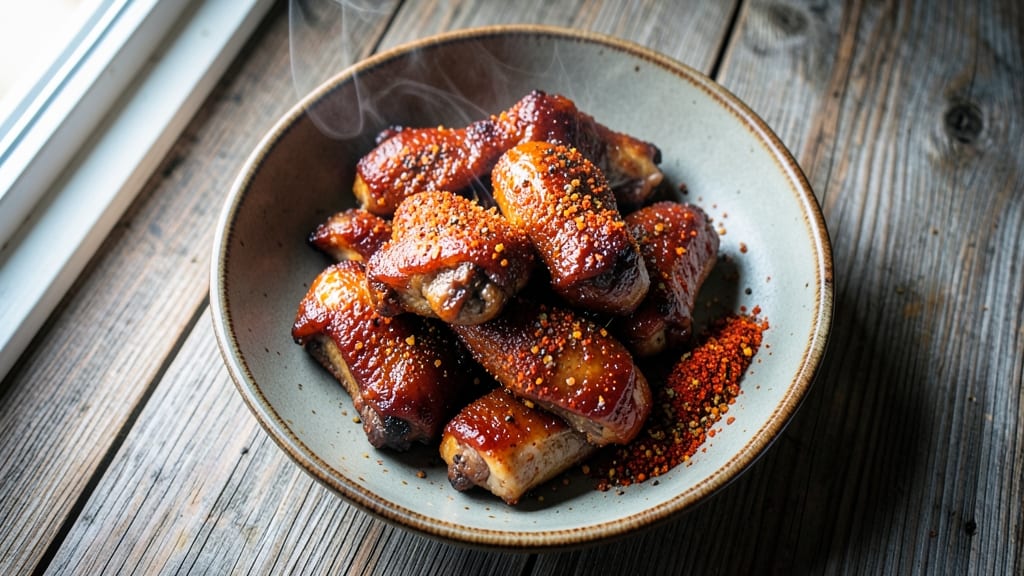
This beef wing rib recipe delivers the perfect balance of smoky dry-rubbed crunch and fall-off-the-bone tenderness that transforms tough cuts into a showstopping centerpiece. The secret lies in a precise blend of spices that penetrate deeply during slow cooking, while high-heat finishing creates that coveted crispy exterior.
I've perfected this method over years of testing—no shortcuts, just restaurant-quality results at home.
The process begins with a dry rub that includes brown sugar for caramelization, smoked paprika for depth, and cayenne for subtle heat.
These ribs cook low and slow until the meat practically melts in your mouth, then get a quick blast of heat to lock in moisture while developing that irresistible crust. This isn't just another wing rib recipe—it's a technique that turns a simple protein into an unforgettable dining experience.
What you'll end up with is meat so tender it separates at the touch of a fork, coated in a dark, aromatic bark that crackles with every bite. The smoky-sweet flavor profile works equally well for casual weeknight dinners or special occasions, making it versatile enough for any menu.
Serve with classic sides like coleslaw or baked beans to complete the meal.
Ready to master this technique? The key steps include proper rub application, precise cooking times, and that final high-heat finish—each one critical for achieving perfect results. Let's get started on creating ribs that will have everyone asking for seconds.
Ingredients for beef wing rib
Precision-sourced ingredients transform tough beef ribs into melt-in-your-mouth perfection with smoky depth.
| Ingredient | Amount | Notes |
|---|---|---|
| Beef Wing Ribs 🍖 | 4 lb | Bone-in, meaty sections preferred |
| Light Brown Sugar 🍚 | ½ cup | Packed, for caramelization |
| Smoked Paprika 🌶️ | 2 tbsp | High-quality for smoky depth |
| Ground Black Pepper 🌶️ | 1 ½ tbsp | Freshly cracked for intensity |
| Cayenne Pepper 🔥 | 1 tsp | Adjust for heat preference |
| Garlic Powder 🧄 | 1 tbsp | Freshly ground preferred |
| Onion Powder 🧅 | 1 tbsp | For balanced sweetness |
| Diamond Crystal Kosher Salt 🧂 | 1 ½ tbsp | Coarse grain for even coating |
| Apple Cider Vinegar 🍎 | ¼ cup | For tenderizing marinade |
| Extra-Virgin Olive Oil 🫒 | ¼ cup | High smoke point preferred |
| Yellow Onion 🧅 | 1 whole | Thinly sliced for aromatics |
| Fresh Garlic Cloves 🧄 | 6 cloves | Minced for flavor infusion |
| Beef Broth 🍲 | 1 cup | Low-sodium preferred |
| Honey 🍯 | 2 tbsp | For glaze enhancement |
The beef wing ribs are the foundation—opt for meaty, bone-in sections with good marbling for optimal flavor and tenderness. Costco or local butcher shops typically carry the highest-quality cuts, though most grocery stores stock them year-round. Look for vibrant red meat with visible fat deposits; this ensures both juiciness and flavor. The rub ingredients must be restaurant-grade: Penzeys Spices or McCormick Gourmet smoked paprika delivers superior depth, while Diamond Crystal kosher salt ensures even distribution without clumping. Freshly cracked black pepper and cayenne add the necessary heat and complexity—never pre-ground spices for this recipe.
Substitutions should prioritize quality over convenience. Brown sugar substitutes like coconut sugar or maple syrup work in a pinch, though they alter the caramelization profile. For the vinegar, balsamic vinegar adds richness but requires halving the quantity due to its concentrated flavor. If fresh garlic isn't available, garlic powder at double the amount suffices, though it lacks the aromatic punch. The beef broth can be swapped for water plus 1 tbsp soy sauce, though the umami depth will be noticeably reduced. For a sweeter glaze, maple syrup or agave can replace honey, though the color will differ slightly.
Proper storage extends freshness and maintains texture. The dry rub can be pre-mixed and stored in an airtight container for up to 3 months in a cool, dark place. Freshly coated ribs should be refrigerated for no longer than 24 hours before cooking to prevent the rub from drying out. Cooked ribs reheat beautifully—wrap in foil and bake at 300°F for 15 minutes to restore moisture without compromising the bark. For meal prep, portion into vacuum-sealed bags and freeze for up to 6 months, thawing overnight in the refrigerator before reheating.
Why You'll Love This Recipe
- Five-Ingredient Magic: I swear, the pantry already has everything—no last-minute grocery runs. Just ribs, brown sugar, paprika, and a pinch of heat. Honestly, it’s the kind of recipe where you’ll forget you even cooked it until the smell hits you halfway through dinner.
- Sweet-Smoky Crunch: That caramelized sugar crust? It’s the star. The smoked paprika gives it this deep, earthy warmth, while the cayenne sneaks in just enough kick to make it feel special—not too sweet, not too spicy, but just right. My husband licks his fingers after every bite.
- Tailgate or Tuesday: Serve it with a cold beer and nachos for game day, or toss it in a wrap for a quick lunch. Between us, I’ve fed a crowd of 10 and reheated leftovers for three days straight. It’s the kind of dish that doesn’t judge what you pair it with.
- Leftovers That Don’t Suck: Most ribs dry out when reheated, but these? They stay tender. I’ll be real: I make a double batch on Sundays because the second round is even better—richer, deeper, like the flavors had time to marry. (Yes, even on a Tuesday night.)
Step-by-step instructions for beef wing ribs
Master the art of low-and-slow cooking to achieve fall-off-the-bone tenderness with a perfectly balanced dry rub.
Prepare the Dry Rub and Tenderize the Ribs
In a medium bowl, combine the 0.5 cup light brown sugar, 2 tablespoons smoked paprika, 1.5 tablespoons ground black pepper, 1 teaspoon cayenne pepper, 1 tablespoon garlic powder, 1 tablespoon onion powder, and 1.5 tablespoons diamond crystal kosher salt. Mix thoroughly with your hands or a whisk until the spices are evenly distributed and the sugar is fully incorporated. The mixture should be coarse enough to cling to the ribs without dissolving completely.
Pat the 4 lb beef wing ribs dry with paper towels—this step is critical for achieving a crispy bark. Place the ribs on a cutting board and use a sharp boning knife to make shallow cuts (about ¼-inch deep) between the bones on the meaty sections. This creates channels for the rub to penetrate deeper and helps tenderize the meat during cooking. Apply the dry rub generously to all sides of the ribs, pressing firmly so it adheres evenly. Let the ribs sit at room temperature for 30 minutes while you prepare the oven.
Sear the Ribs for Depth of Flavor
Preheat your oven to 275°F—this low temperature is essential for achieving tender meat without drying it out. While the oven preheats, heat a large oven-safe skillet or Dutch oven over medium-high heat. Add the 0.25 cup extra-virgin olive oil and allow it to get hot but not smoking. Carefully place the rubbed ribs in the skillet, fat-side down, and sear undisturbed for 4-5 minutes until the rub darkens and a deep, smoky aroma fills your kitchen. Flip the ribs and sear the other side for another 4-5 minutes. This step caramelizes the sugars in the rub, creating a flavorful crust that will later develop into a crispy bark.
Transfer the seared ribs to a parchment-lined baking sheet, bone-side up. Pour any rendered fat from the skillet into a measuring cup—you should have about 2-3 tablespoons. Reserve this fat for basting later, as it contains concentrated flavor from the searing process.
Slow-Cook Until Fork-Tender
Place the ribs on the middle rack of your preheated 275°F oven and cover tightly with aluminum foil. This creates a moist environment that helps the ribs cook evenly and retain their juices. Bake for 3 hours, then carefully remove the foil and baste the ribs with the reserved searing fat. Return the ribs to the oven, uncovered, and continue baking for another 1-2 hours until the internal temperature reaches 195-203°F and the meat pulls away from the bones with minimal resistance. The ribs should have a deep mahogany color and a glossy sheen from the caramelized rub.
Here's the thing—don't rush this step. The low temperature breaks down collagen in the connective tissue, transforming it into gelatin that makes the meat tender. You'll know it's done when a meat thermometer inserted into the thickest part of the meat reads 203°F and the ribs easily separate at the joints. If the ribs aren't tender enough after the initial 3 hours, extend the cooking time by 30-minute increments until they reach the desired tenderness.
Glaze and Finish for Crispy Bark
While the ribs rest, prepare the glaze by combining the 0.25 cup apple cider vinegar, 1 cup beef broth, 2 tablespoons honey, and the 1 whole yellow onion (thinly sliced) in a small saucepan. Bring to a simmer over medium heat and cook for 10 minutes until the liquid reduces by half and the onions soften. Add the 6 cloves fresh garlic cloves (minced) and cook for another 2 minutes until fragrant. Strain the glaze through a fine-mesh sieve to remove the onions and garlic, reserving the liquid for basting.
Once the ribs reach the proper internal temperature, transfer them to a wire rack set over a baking sheet. Brush the reduced glaze evenly over the ribs, concentrating on the meaty sections. Return the ribs to the oven and broil on high for 3-5 minutes until the glaze caramelizes and forms a glossy, sticky crust. Keep a close eye on them—they'll darken quickly, and you want a deep amber color, not burnt spots. The high heat at this stage creates the crispy bark while keeping the meat tender.
Rest and Serve with Confidence
Remove the ribs from the oven and let them rest on the wire rack for 10-15 minutes. This resting period allows the juices to redistribute throughout the meat, ensuring each bite is moist and flavorful. The ribs should be hot but not scorching—ideal for serving immediately. To serve, carefully separate the ribs at the joints using a sharp knife or meat mallet. The meat should pull away from the bones effortlessly, with a tender, almost buttery texture.
Garnish with additional minced garlic cloves if desired and serve with the pan juices reduced by half for a rich, savory sauce. The combination of smoky, spicy, and slightly sweet flavors, paired with the crispy bark and tender meat, makes this dish a showstopper. Leftovers can be refrigerated for up to 3 days or frozen for 3 months, though they rarely last that long.
Pro Tips For Making Beef Wing Rib
- Trim the Fat First: Beef wing ribs have stubborn fat layers—slice through them with kitchen shears before cooking. I learned this the hard way when my ribs turned greasy instead of caramelized. A quick trim lets the sugar and spices cling to the meat where it counts.
- Start with a Hot Pan: Get that pan screaming hot before the ribs hit it—this sears the meat fast and locks in flavor. I used to hover over the stove adjusting heat, and my ribs ended up steamed instead of crispy. Crank it to medium-high and walk away for 30 seconds.
- Mix Sugar with Cayenne: Don’t just sprinkle cayenne on top—combine it with the brown sugar first. The sugar acts like a flavor carrier, spreading heat evenly instead of clumping in one spot. My grandmother swore by this, and she was right: the ribs get a smoother, deeper kick.
- Cover for 10 Minutes: After searing, tent the pan with foil for 10 minutes—this steams the ribs just enough to break down collagen without drying them out. I skipped this once and ended up with tough, chewy meat. (Yes, even if you’re impatient like me.)
Perfect pairings for beef wing rib
Smoky Sauce Pairings
Elevate your ribs with a homemade BBQ sauce that complements the smoky dry rub. I recommend a tangy-sweet blend using ½ cup apple cider vinegar, ½ cup molasses, ¼ cup tomato paste, and 1 tbsp smoked paprika.
Simmer for 15 minutes to thicken, then brush generously over the ribs during the final 5 minutes of broiling. This sauce enhances the caramelized bark while adding depth. 🔥
Classic Side Dishes
Creamy coleslaw cuts through the richness of the ribs beautifully. Use ½ cup mayonnaise, 2 tbsp apple cider vinegar, 1 tbsp Dijon mustard, ½ cup shredded carrots, and 4 cups cabbage. Toss with 1 tsp celery seeds and ½ tsp smoked paprika for a smoky echo. For a heartier option, serve with baked beans—canned or homemade—simmered with brown sugar, mustard, and bacon.
Beverage Pairings
A bold amber ale like Fat Tire or Samuel Adams Boston Lager balances the smoky-sweet flavors perfectly. The maltiness complements the caramelized bark, while the carbonation cleanses your palate. For non-alcoholic options, sparkling apple cider with a splash of ginger beer adds a refreshing contrast.
I also love serving sweet tea with a hint of lemon—its acidity brightens every bite. 🍺
Garnish and Finishing Touches
Fresh chopped parsley or cilantro adds a pop of color and freshness to the dark, smoky ribs. For extra crunch, sprinkle toasted pecans or crushed peanuts over the top.
A drizzle of honey butter (mix 2 tbsp melted butter with 1 tbsp honey) ties everything together with a sweet, creamy finish. Don’t forget to serve with warm dinner rolls for soaking up the juices. ✨
Global Twist Variations
For a Caribbean-inspired twist, swap the glaze for a pineapple-mango salsa with lime juice and cilantro. The tropical flavors contrast the smoky ribs wonderfully.
In Korean-style, serve with kimchi and a gochujang glaze (mix 2 tbsp gochujang, 1 tbsp honey, and 1 tbsp rice vinegar). Both options bring exciting new dimensions to the dish while keeping the ribs as the star. 🌶️
Dessert Pairings
End the meal on a sweet note with bourbon pecan pie—the caramelized pecans mirror the ribs' smoky depth. For a lighter option, lemon berry shortcake offers a bright, citrusy finish.
If you prefer chocolate, dark chocolate-dipped strawberries with a sprinkle of sea salt provide a sophisticated contrast to the rich, savory flavors of the ribs. 🍓
Nutrition facts
Frequently asked questions
Can I use beef wing ribs from the grocery store for this recipe?
Yes, but prioritize quality! Look for meaty, bone-in sections with good marbling—Costco or local butchers often carry the best cuts. Avoid pre-cut "riblets" or overly lean options. The 4 lb requirement is ideal, but 3 lb will work if adjusted cooking time slightly (about 15-20 minutes less total).
Why does the recipe call for such a low oven temperature (275°F
)?
The low temperature is essential for breaking down collagen into gelatin, which transforms tough meat into fall-off-the-bone tenderness. Cooking too hot too soon causes the exterior to dry out before the interior cooks. The 3-hour covered phase ensures even moisture distribution, while the final 1-2 hours uncovered develops that coveted crispy bark.
What's the best way to check if the ribs are done?
Use a meat thermometer! Insert it into the thickest part of the meat—it should read between 195-203°F. The ribs should also separate easily at the joints with minimal resistance. If they're not tender enough after 5 hours, extend by 30-minute increments until they reach the target temperature. The bark will darken naturally as it cooks.
Can I make this recipe in a smoker instead of the oven?
Smoke the ribs at 225-250°F for 4-5 hours until tender, then finish with the glaze and broil step. Use hickory or applewood for a classic smoky flavor. The key is maintaining consistent low heat—just monitor the temperature closely to avoid drying out. The bark will develop differently but still be delicious.
How do I prevent the ribs from drying out during broiling?
Broil for only 3-5 minutes on high, watching closely to avoid burning. Keep the ribs on a wire rack over a baking sheet to allow heat to circulate. If the glaze starts to darken too quickly, reduce to medium-high broil or move the rack slightly lower. The goal is a glossy, caramelized crust, not charred spots.