
Main Courses
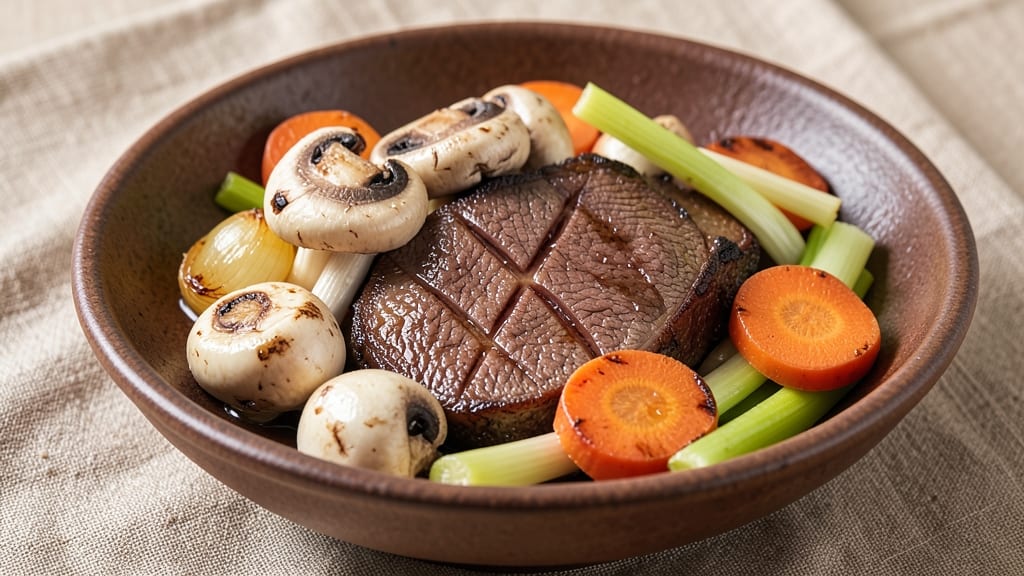
Slow-braising beef tongue with mushrooms transforms tough cuts into melt-in-your-mouth tenderness, creating a dish that’s rich, earthy, and deeply satisfying. The secret lies in patience—allowing the collagen to break down over hours until the meat practically falls apart at the touch.
This technique elevates humble ingredients into something restaurant-worthy, with mushrooms adding umami depth that lingers in every bite.
What sets this recipe apart is the balance of textures and flavors: a silky, caramelized beef tongue paired with mushrooms that soak up the braising liquid, becoming tender yet still holding their shape.
The process is straightforward—sear the beef, simmer it low and slow, and finish with aromatics—but the result is anything but basic. Perfect for special occasions or when you want to impress without fuss.
By the end, you’ll have a dish that’s elegant yet hearty, with a sauce so flavorful it deserves its own bowl. The beef tongue will be fork-tender, the mushrooms infused with savory richness, and the aroma enough to draw everyone to the table.
Serve it with crusty bread to soak up every last drop of that velvety braising liquid.
This recipe delivers professional-quality results at home, proving that slow-cooked dishes don’t require complicated techniques—just time and attention. Whether you’re feeding a crowd or treating yourself to a luxurious meal, the payoff is worth every minute of waiting. Let’s get started on creating something truly memorable.
Ingredients for beef tongue mushroom
Sixteen ingredients transform tough beef tongue into restaurant-worthy melt-in-your-mouth perfection.
| Ingredient | Amount | Notes |
|---|---|---|
| Beef Tongue 🥩 | 3 lb | Cleaned, trimmed of fat |
| Cream Mushrooms 🍄 | 1 ½ lb | Fresh, whole or sliced |
| Yellow Onion 🧅 | 1 whole | Thickly sliced, yellow variety |
| Garlic Cloves 🧄 | 6 cloves | Peeled, whole for infusing |
| Carrots 🥕 | 2 whole | Large, roughly chopped |
| Celery Stalks 🌿 | 3 whole | Cut into thick pieces |
| Tomato Paste 🍅 | ½ cup | High-quality, no sugar added |
| Dry Red Wine 🍷 | 1 cup | Bold variety like Cabernet |
| Beef Broth 💧 | 4 cups | Low-sodium, homemade preferred |
| Bay Leaves 🍃 | 2 whole | Fresh for best flavor |
| Black Peppercorns 🌶️ | 1 tbsp | Whole, lightly crushed |
| Sea Salt 🧂 | 1 ½ tbsp | Kosher or coarse grain |
| Olive Oil 🫒 | ¼ cup | Extra-virgin for searing |
| Fresh Thyme 🌿 | ¼ cup | Leaves only, stems removed |
| Balsamic Vinegar 🍶 | 1 tbsp | For finishing touch |
The beef tongue is the star here, so source it from a trusted butcher or specialty meat market. Look for a piece that's firm, not slimy, with a rich, deep red color—Costco or Whole Foods often carry high-quality cuts. The mushrooms should be fresh and firm, not discolored or soft. For the wine, Cabernet Sauvignon or Merlot add depth, but any bold red will work. The broth matters too—homemade is ideal, but low-sodium store-bought saves time. Fresh thyme and bay leaves elevate the dish, so don't skimp on these aromatics. The tomato paste should be smooth and thick, not watery or clumpy.
No red wine on hand? Substitute beef broth with a splash of balsamic vinegar for acidity. The mushrooms can be swapped for shiitake or oyster mushrooms if you prefer a more intense flavor. For the tomato paste, Trader Joe's squeeze tubes are perfect—they're convenient and keep well. The carrots and celery can be prepped ahead and stored in the fridge for up to 3 days. If you're short on time, frozen mushrooms work in a pinch, though fresh are ideal. The thyme can be dried if necessary, but use half the amount since dried herbs are more concentrated.
This dish rewards patience—plan for at least 3 hours of braising time. The beef tongue will keep in the fridge for 3-4 days once cooked, though it's best enjoyed within 2 days for optimal texture. The braising liquid can be stored separately for up to 5 days and used to make a quick sauce or gravy. For leftovers, reheat gently on the stove with a splash of broth to maintain moisture. The mushrooms should be added back just before serving to preserve their texture, so they stay tender and flavorful.
Why You'll Love This Recipe
- One-Pan Magic: I swear by this recipe—just toss everything (tongue, mushrooms, onions, carrots) in one pot with a splash of broth, and let it simmer. No chopping like a pro, no fancy techniques, and the kitchen stays cleaner than my usual mess.
- Umami Bomb: That beef tongue? It’s like a meaty, rich hug in every bite—especially when it’s slow-cooked until tender. Add the mushrooms and garlic, and suddenly you’ve got a dish that tastes like it’s been simmering for hours, even if it’s ready in under an hour.
- Budget-Friendly Powerhouse: Beef tongue is one of those secret ingredients that makes a meal feel special without breaking the bank. A single tongue feeds four, and the mushrooms and veggies stretch it further—meaning more flavor for less cash. My wallet and my family’s taste buds both win.
Step-by-step instructions for braised beef tongue with mushrooms
Here's the method for transforming tough beef tongue into tender, flavorful slices paired with rich mushrooms.
Prepare and Sear the Beef Tongue
Begin by trimming the 3 lb beef tongue, removing any remaining fat or silver skin. Score the surface lightly in a crosshatch pattern with a sharp knife—this helps the seasoning penetrate and the meat tenderize during braising. Pat the tongue completely dry with paper towels, then season generously with the 1.5 tbsp sea salt and 1 tbsp black peppercorns, pressing the seasoning into the meat.
Heat the 0.25 cup olive oil in a large Dutch oven over medium-high heat until shimmering. Carefully add the seasoned beef tongue and sear for 4-5 minutes per side until deeply browned. The tongue should develop a rich, caramelized crust—this forms the flavor foundation for the braise. Remove the tongue and set it aside on a plate.
Build the Flavor Base with Vegetables and Wine
In the same Dutch oven, add the 1 whole yellow onion, 2 whole carrots, and 3 whole celery stalks, all cut into thick pieces. Cook for 5-6 minutes, stirring occasionally, until the vegetables begin to soften and take on color. Add the 6 cloves garlic cloves and cook for another 30 seconds until fragrant.
Stir in the 0.5 cup tomato paste and cook for 2 minutes, allowing it to darken slightly. Pour in the 1 cup dry red wine and scrape up any browned bits from the bottom of the pot—these contain concentrated flavor. Let the wine simmer for 3-4 minutes until reduced by half, then add the 4 cups beef broth and 2 whole bay leaves. Bring to a gentle simmer.
Braise the Beef Tongue Low and Slow
Return the seared beef tongue to the Dutch oven, submerging it completely in the liquid. The tongue should be mostly covered, but a small portion may remain exposed—this is normal. Cover the pot tightly with a lid and transfer to a preheated 325°F oven. Braise for 2.5 to 3 hours, until the tongue is fork-tender and a knife slides in easily.
Here's the thing—your oven might run hot, so start checking at the 2-hour mark. The tongue is done when it reaches an internal temperature of 195-200°F and can be easily pierced with a fork. If the liquid reduces too much before the tongue is tender, add a splash of water or broth to maintain coverage.
Finish with Mushrooms and Thyme
While the beef tongue braises, prepare the 1.5 lb cream mushrooms by cleaning them and slicing into even pieces. Once the tongue is tender, remove it from the pot and set it aside. In the same braising liquid, add the sliced mushrooms and 0.25 cup fresh thyme leaves. Simmer uncovered for 10-12 minutes until the mushrooms are tender and have absorbed the rich flavors.
Return the beef tongue to the pot and simmer for another 5 minutes to heat through. The mushrooms should now be coated in the deep, caramelized sauce. Taste and adjust seasoning if needed—you may need to add a pinch more sea salt or a splash of balsamic vinegar to balance the flavors.
Rest and Serve with Finishing Touches
Transfer the beef tongue to a cutting board and let it rest for 15 minutes before slicing. This resting period allows the juices to redistribute, ensuring each slice remains moist. Slice the tongue against the grain into ¼-inch thick pieces. Return the sliced tongue to the pot with the mushrooms and warm through for 2-3 minutes.
Finish with the 1 tbsp balsamic vinegar, stirring gently to coat. The vinegar adds a bright contrast to the rich, earthy flavors. Serve immediately with the braising liquid spooned over the top, or use it to moisten crusty bread for dipping. Each bite should deliver tender, melt-in-your-mouth beef tongue paired with mushrooms that have absorbed the deep, savory sauce.
Pro Tips For Making Beef Tongue Mushroom
- SIMMER LOW AND SLOW: Beef tongue needs patience—don’t rush it. After the initial sear, drop the heat to a bare simmer (180–190°F) and let it cook for 2.5–3 hours, turning occasionally. I used to crank the heat, thinking it’d speed things up, but that just makes it tough and chewy. Keep the liquid just bubbling, not boiling.
- SCORE THE TONGUE: Before cooking, slice shallow crosshatches (about ¼-inch deep) on both sides of the tongue. This lets flavors penetrate deeper and shortens cooking time. I learned this the hard way—my first attempt was dry inside because I skipped it. Use a sharp knife, and don’t go too deep or it’ll fall apart.
- SAUTE MUSHROOMS FIRST: Don’t just toss mushrooms in raw—they’ll turn to mush. Sear them in butter or oil over medium-high heat for 5–7 minutes until golden before adding onions or garlic. This builds flavor and texture. I was skeptical until I tried it—now I swear by it for any mushroom dish.
- PEEL CARROTS THIN: Leave a thin strip of skin on the carrots (about 1mm) before slicing. It keeps them from turning to mush while cooking. I used to peel them completely, and they’d dissolve into the sauce. A quick scrape with a peeler does the trick—no fuss, just better texture.
Essential equipment for beef tongue mushroom
Dutch Oven Essentials
A heavy-duty Dutch oven is non-negotiable for this recipe—it needs to handle the searing, braising, and simmering without warping. I swear by the Le Creuset Stoneware Dutch Oven (5.5-quart) for its even heat distribution and durability.
If you're on a budget, the Lodge Pre-Seasoned Cast Iron Dutch Oven is a fantastic alternative, though it requires seasoning before first use. The deep sides prevent spills during braising, and the tight-fitting lid traps steam for perfect tenderness. 🔥
Precision Thermometer
Braising beef tongue requires patience, but a meat thermometer ensures you don’t overcook it. The ThermoWorks Smoke or Thermoworks Dot are my go-to choices—they’re fast, accurate, and can be left in the meat without affecting cooking.
Insert the probe into the thickest part of the tongue to monitor its progress. Aim for an internal temperature of 195-200°F—this guarantees fork-tender results without drying out the meat.
Sharp Knife for Prep
A high-quality chef’s knife (like the Wüsthof Ikon or Shun Premier) is essential for trimming and scoring the beef tongue. The crosshatch pattern you create helps the seasoning penetrate deeply and speeds up the braising process.
For mushrooms, a slicing knife (such as the Victorinox Fibrox) ensures clean, even cuts that cook uniformly. Don’t skimp here—dull knives make prep messy and uneven. ✨
Tongs for Handling
Use heat-resistant tongs (I prefer OXO Good Grips) to safely transfer the seared beef tongue in and out of the Dutch oven without burning yourself. The tongs also help submerge the tongue fully in the braising liquid, ensuring even cooking.
Avoid metal utensils that can scratch your Dutch oven’s seasoning or damage non-stick coatings.
Fine-Mesh Strainer
A fine-mesh strainer (like the OXO Good Grips) comes in handy for skimming any impurities from the braising liquid before adding the mushrooms. This step ensures your final sauce is silky and free of debris.
If you’re serving the dish with a strained sauce on the side, this tool makes the process effortless. Pro tip: Line the strainer with a cheesecloth for an even smoother texture. 💡
Optional: Immersion Blender
For a silky-smooth sauce, an immersion blender (such as the Handy Immersion Blender) lets you blend the braising liquid directly in the pot. This is especially useful if you want to serve the dish with a velvety sauce rather than chunks of vegetables.
Just pulse briefly—you don’t want to over-blend, or the sauce may lose its depth. This step is optional but elevates the dish to restaurant-quality. 💫
Nutrition facts
Frequently asked questions
How do I know when the beef tongue is fully cooked?
The beef tongue is perfectly cooked when it reaches an internal temperature of 195-200°F and can be easily pierced with a fork. It should also feel fork-tender and pull apart easily. Check it at the 2-hour mark, as ovens vary in temperature accuracy.
Can I use dried mushrooms instead of fresh?
While fresh mushrooms are ideal for their texture, you can substitute ½ cup dried mushrooms (rehydrated in warm broth) for the 1.5 lb fresh. Soak them for 20 minutes before adding to the braising liquid. Dried mushrooms add intense umami flavor but won’t have the same tender bite as fresh.
What if my braising liquid reduces too quickly?
If the liquid reduces too much before the beef tongue is tender, simply add ½ cup warm broth or water to maintain coverage. The goal is to keep the tongue submerged—this ensures even cooking and prevents drying. Stir gently to avoid stirring up sediment from the bottom of the pot.
How should I store and reheat leftovers?
Store cooked beef tongue and mushrooms in an airtight container in the fridge for up to 3-4 days. Reheat gently on the stove with a splash of broth to maintain moisture—never microwave directly, as it can make the meat tough. The braising liquid can be reheated separately for up to 5 days.
Can I make this dish in a slow cooker instead?
Yes! Sear the beef tongue first, then transfer it to a slow cooker with all the braising ingredients. Cook on low for 8-10 hours or high for 5-6 hours. The mushrooms should be added during the last 30 minutes to prevent overcooking. The texture will be slightly different but still delicious.