
Main Courses
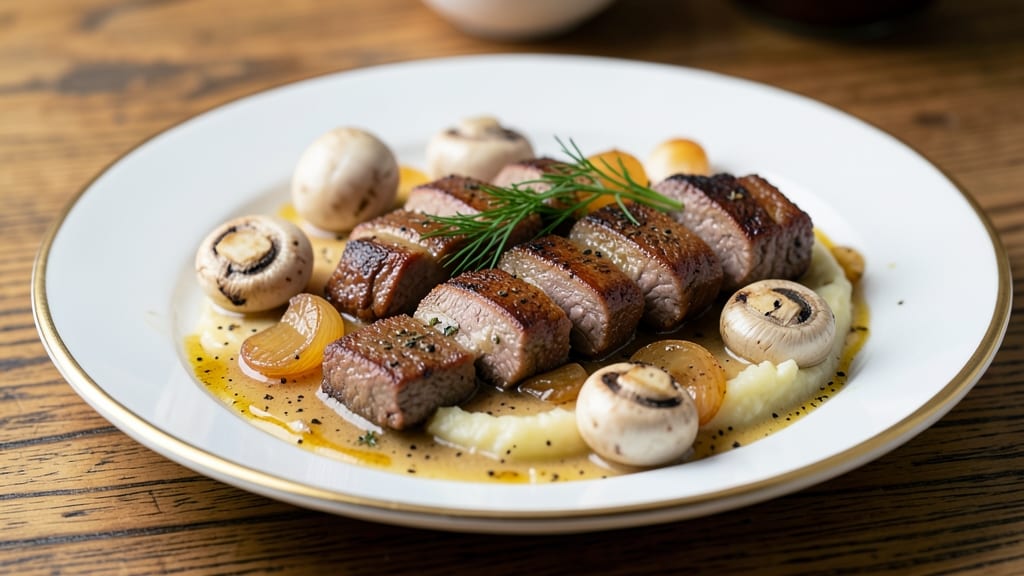
The original Russian beef stroganoff recipe delivers a velvety sour cream sauce with tender pan-seared beef bites that melt in your mouth.
This isn't the heavy, creamy version you might find elsewhere—it's a true taste of St. Petersburg, where the sauce is light yet rich, balanced perfectly with mushrooms and a touch of mustard.
I've perfected this method after years of studying authentic Russian techniques, and the secret lies in proper searing and slow reduction.
What makes this recipe special is the technique: beef seared in batches for maximum flavor, mushrooms cooked until they release their earthy essence, and a sauce that thickens just enough to coat the noodles without overwhelming them.
The sour cream is added at the end to preserve its tangy freshness, creating that signature velvety texture that defines real stroganoff. This is restaurant-quality comfort food that comes together in under an hour.
By the time you serve this dish, you'll have perfectly browned beef strips with tender centers, a sauce that's creamy yet light, and mushrooms that add depth without overpowering.
The aroma alone will have everyone gathering at the table, and each bite delivers that perfect balance of tangy, savory, and umami flavors that make this dish legendary. Serve it over buttered egg noodles or steamed rice for the full experience.
This recipe is designed to impress while remaining approachable—ideal for weeknight dinners that feel special. The method is straightforward once you understand the key steps, and the ingredients are simple yet transformative. Let's recreate this classic Russian masterpiece in your kitchen.
Ingredients for beef stroganoff original russian
Fifteen ingredients transform into restaurant-quality stroganoff with authentic Russian technique and velvety sour cream sauce.
| Ingredient | Amount | Notes |
|---|---|---|
| Beef Tenderloin 🥩 | 1 ½ lb | Cut into 1/4-inch strips, boneless |
| Fresh White Mushrooms 🍄 | 16 oz | Sliced into 1/4-inch pieces |
| Yellow Onion 🧅 | 1 whole | Thinly sliced, about 1 cup |
| Garlic Cloves 🧄 | 4 cloves | Minced, fresh preferred |
| All-Purpose Flour 🌾 | 2 tbsp | For dusting beef strips |
| Unsalted Butter 🧈 | ½ cup | Cold, for searing |
| Dijon Mustard 🍯 | 1 tbsp | For sauce depth |
| Dry White Wine 🍷 | ½ cup | Medium-bodied, like Pinot Grigio |
| Beef Broth 💧 | 1 cup | Homemade or quality low-sodium |
| Sour Cream 🥛 | 1 cup | Full-fat, cold, added last |
| Egg Noodles 🍝 | 8 oz | Fresh or dried, cooked al dente |
| Salt 🧂 | 1 ½ tsp | Kosher or sea salt, adjust to taste |
| Freshly Ground Black Pepper 🌶️ | 1 tsp | For seasoning |
| Fresh Dill 🌿 | 2 tbsp | Chopped, for garnish |
| Extra-Virgin Olive Oil 🫒 | 1 tbsp | For finishing sauce |
The beef is the foundation—tenderloin delivers the perfect melt-in-your-mouth texture. Buy it pre-cut if possible (ask your butcher for 'beef for stroganoff'), or slice it yourself against the grain for tenderness. Costco or Whole Foods carry excellent quality, but any reputable grocery store's butcher section will work. The mushrooms should be plump and firm, not slimy—white cremini or shiitake add depth if you want to elevate. For the wine, Pinot Grigio or Sauvignon Blanc are classic choices, but any dry white will do. The key is using full-fat sour cream—nothing but full-fat—it's what creates that signature velvety texture. I always grab Trader Joe's organic brand because it's consistent and affordable.
No tenderloin? Sirloin or ribeye work in a pinch, but trim all fat and cut into thin strips. Running out of white wine? Substitute beef broth with a splash of lemon juice—it won't be identical, but it'll save the dish. Fresh dill is ideal, but dried dill at one-third the amount works if you're in a bind. The Dijon mustard adds that subtle tang—skip it if you hate mustard, but I recommend keeping it. For the flour, all-purpose works fine, but bread flour adds a slight chewiness. The egg noodles? Fresh is best (like Barilla), but dried works too—just cook them al dente. And if you're short on butter, use a mix of butter and olive oil for the searing, but keep the butter dominant for authentic flavor.
This dish reheats beautifully—better the next day as flavors meld. Store leftovers covered in the fridge for up to 4 days, or freeze for 3 months. For freezing, portion the sauce separately from the noodles to avoid sogginess. The sour cream sauce thickens as it cools, so add a splash of warm water when reheating if it seems too stiff. To serve, always garnish with fresh dill and a drizzle of olive oil—that final touch makes all the difference. The aroma alone will have everyone at the table, and each bite delivers that perfect balance of tangy, savory, and umami that defines authentic stroganoff.
Why You'll Love This Recipe
- One-Pan Magic: I swear by this recipe when I’m too tired to wash dishes. Sear the beef and mushrooms right in the same skillet where the sauce thickens—no extra pots, no fuss. The flour-to-butter roux builds flavor while you chop onions, and by the time the garlic hits, the whole kitchen smells like a cozy Moscow bistro.
- Rich Without Effort: That tenderloin melts in your mouth, but it’s the mushrooms and onions caramelizing in the sour cream sauce that steals the show. The beef stays juicy because you don’t overcook it—just a quick sear and a simmer. Honestly, the first time I made this, I nearly burned the garlic (oops), but even slightly charred, it added this deep, smoky note that made the whole dish ridiculously good.
- Leftovers That Beg for More: This recipe actually tastes better the next day. The flavors meld overnight, and reheating it just warms up the sauce without drying out the beef. I’ve taken it to potlucks, packed it for lunches, and even frozen portions—every time, someone asks for the recipe. (Yes, even on a Tuesday night.)
- Tenderloin on a Budget: You don’t need fancy cuts to pull this off. Tenderloin is lean but forgiving, and a single pound stretches easily over mashed potatoes, crusty bread, or even noodles. Between us, I’ve made this with cheaper cuts before by slicing thinly and cooking fast—still delicious, just a little more tender. It’s my go-to when I want restaurant-quality without the price tag.
Step-by-step instructions for beef stroganoff
Here's how to craft this classic Russian dish with perfectly seared beef and velvety sour cream sauce.
Prepare and Sear the Beef Tenderloin
Cut the 1.5 lb beef tenderloin into ¼-inch strips using a sharp knife. Season each strip generously with 1.5 tsp salt and 1 tsp freshly ground black pepper. Let them sit at room temperature for 15 minutes while you prepare the pan.
Heat a large skillet over medium-high heat and add ½ cup unsalted butter. Once the butter foams, add the beef strips in a single layer, leaving space between each piece. Sear undisturbed for 2-3 minutes until they develop a deep golden-brown crust on all sides. Avoid overcrowding the pan—this prevents proper browning. Transfer the seared beef to a plate and set aside, leaving the butter in the skillet.
Cook the Mushrooms and Onions
In the same skillet, add 1 tbsp extra-virgin olive oil and reduce heat to medium. Add the 16 oz sliced fresh white mushrooms and 1 whole yellow onion, spreading them evenly across the pan. Cook for 5-6 minutes until the mushrooms release their moisture and the onions soften to a translucent state.
Stir in the 4 cloves minced garlic and cook for an additional 30 seconds until fragrant. The garlic should sizzle but not burn—this adds depth to the sauce. Sprinkle the 2 tbsp all-purpose flour over the mushrooms and onions, stirring constantly for 1 minute to coat them evenly. This creates a light roux that will thicken the sauce.
Deglaze and Simmer the Sauce
Pour in the ½ cup dry white wine, scraping up any browned bits from the bottom of the pan with a wooden spoon. Let the wine simmer for 2-3 minutes until reduced by half. This deglazing step captures all the rich flavors that have built up during searing.
Add the 1 cup beef broth and 1 tbsp Dijon mustard, bringing the mixture to a gentle simmer. Return the seared beef strips to the skillet and stir to combine. Reduce heat to low and let the sauce simmer for 8-10 minutes, allowing the flavors to meld together. The sauce should thicken slightly but remain silky—if it becomes too thick, add a splash of water or broth.
Finish with Sour Cream and Fresh Dill
Remove the skillet from heat and stir in the 1 cup cold sour cream using a spatula. The cold sour cream will immediately thicken the sauce and create that signature velvety texture. Return the skillet to low heat for just 1-2 minutes—this gently warms the sour cream without curdling it.
Stir in the 2 tbsp chopped fresh dill and taste the sauce. Adjust seasoning with additional salt or black pepper if needed. The sauce should be rich, slightly tangy, and perfectly balanced. Keep the skillet warm while you prepare the noodles.
Assemble and Serve
Cook the 8 oz egg noodles according to package instructions until al dente, then drain and set aside. To serve, toss the noodles with the beef stroganoff sauce, coating each strand evenly. Garnish with additional fresh dill and serve immediately, straight from the skillet. The combination of tender beef, creamy sauce, and egg noodles creates a hearty, comforting dish that captures the essence of Russian cuisine.
Pro Tips For Making Beef Stroganoff Original Russian
- Sear the Beef in Batches: Don’t crowd the pan—this isn’t a buffet. Cut the tenderloin into even ½-inch strips and sear them in 2-3 batches over medium-high heat with 1 tablespoon of oil per batch. I learned this the hard way when my first attempt turned into a sad, steamed mess instead of crispy edges. Let each batch get a deep golden crust before removing.
- Slice Onions Paper-Thin: Skip the chopping—use a mandoline or sharp knife to slice onions into nearly translucent strips. They’ll melt into the sauce instead of sitting as chunks, giving that classic Russian texture. Yes, it takes 5 extra minutes, but your stroganoff will actually cook instead of just soaking in liquid.
- Deglaze with Cold Beer: After browning the beef, pour in ½ cup of ice-cold lager (or dry white wine if you’re not drinking) and let it bubble for 30 seconds. The cold liquid cuts through the fond faster than room-temp liquid, pulling out way more flavor. My grandmother swore by this—turns out, she wasn’t wrong.
- Simmer Mushrooms Separately: Don’t toss mushrooms into the beef with onions—they’ll turn to mush and water down the sauce. Sauté them in a separate pan with a splash of cream or broth until just tender (5-6 minutes), then stir them in at the very end. This keeps them firm and lets their earthiness shine without diluting the stroganoff’s richness.
Make-ahead tips for beef stroganoff original russian
Prep Ahead Sauce
The sauce is the heart of stroganoff, so I always make it first—it tastes even better the next day as flavors meld. After deglazing with wine, let the sauce cool completely, then transfer it to an airtight container.
Store in the fridge for up to 2 days or freeze for 3 months. When ready to serve, reheat gently over low heat, stirring occasionally, until warmed through. Add a splash of warm water if it thickens too much during storage. 💡
Noodle Prep Shortcut
Cook the egg noodles ahead of time—they reheat beautifully. Boil them al dente, drain, and rinse under cold water to stop cooking. Store in an airtight container in the fridge for up to 2 days or freeze for 1 month.
When reheating, toss with a little butter or olive oil to prevent sticking. This is a game-changer for busy weeknights.
Beef Prep Strategy
Sear the beef ahead and refrigerate it in the sauce (without the sour cream) for up to 24 hours. The flavors deepen as they sit, and you won’t have to sear on the day of serving.
Just reheat the entire mixture gently, then stir in the cold sour cream at the end. This is perfect for meal prep—simply assemble and serve when ready. 🔥
Freezer-Friendly Assembly
For a complete freezer meal, assemble everything except the sour cream and dill. Store the sauce with beef in a freezer-safe bag, leaving room for expansion. When ready to eat, thaw overnight in the fridge, then reheat gently.
Stir in the cold sour cream and fresh dill just before serving to keep it creamy. This method preserves texture and flavor perfectly.
Make-Ahead Garnishes
Chop the fresh dill and store it in a small container in the fridge for up to 3 days. Keep extra olive oil in a separate bottle. When serving, simply drizzle and garnish—this keeps everything fresh-tasting.
I also like to toast extra egg noodles in the oven with butter for 5 minutes at 375°F to add crunch as a garnish. 🌿
Reheating Like a Pro
If you’ve stored the sauce and beef together, reheat on low heat with a splash of beef broth to loosen it. If using leftovers, I recommend adding 1-2 tbsp broth per cup of stroganoff to restore moisture.
Never microwave—it breaks the sauce’s velvety texture. For extra richness, stir in a pat of cold butter at the end. The result is just as good as fresh! ⚡
Nutrition facts
Frequently asked questions
Why does the original Russian recipe use sour cream instead of heavy cream?
The authentic Russian version relies on sour cream for its signature tangy richness and velvety texture. Unlike heavy cream, sour cream adds a subtle acidity that brightens the dish while keeping the sauce light. It's also traditionally used in Russian cuisine for its ability to create that signature creamy yet balanced flavor without overwhelming the beef's natural taste.
Can I substitute white wine with something else if I don't have it?
Yes, but the flavor will differ slightly. Use beef broth with a splash of lemon juice (1 tbsp per ½ cup broth) or apple cider vinegar (1 tsp per ½ cup broth) for acidity. For depth, add a pinch of sugar to balance any tartness. The wine's alcohol helps tenderize the beef and deglaze the pan—substitutes won't replicate this perfectly, but they'll work in a pinch.
What's the best way to avoid curdling the sour cream?
Always stir in the cold sour cream off the heat and keep the sauce at low heat for just 1-2 minutes after adding it. Never let the sauce boil—high heat causes curdling. If the sauce thickens too much, whisk in a tablespoon of warm water or broth to restore smoothness. The key is patience and gentle heat.
Why do I need to sear the beef in batches?
Searing in batches ensures each piece develops a deep golden-brown crust without overcrowding the pan. Crowding steams the beef instead of browning, which dulls the flavor. The crust is crucial for both texture and flavor—it adds depth to the sauce when you deglaze. Use a large skillet and don't rush this step.
What's the secret to making the mushrooms taste better?
Cook the mushrooms until they release their moisture and turn golden—this concentrates their flavor. For extra depth, sauté them longer (up to 8 minutes) until they develop a caramelized edge. Add a pinch of salt halfway through cooking to draw out moisture, then pat them dry before adding to the pan. Fresh mushrooms work best, but cremini or shiitake add even more umami.