
Main Courses
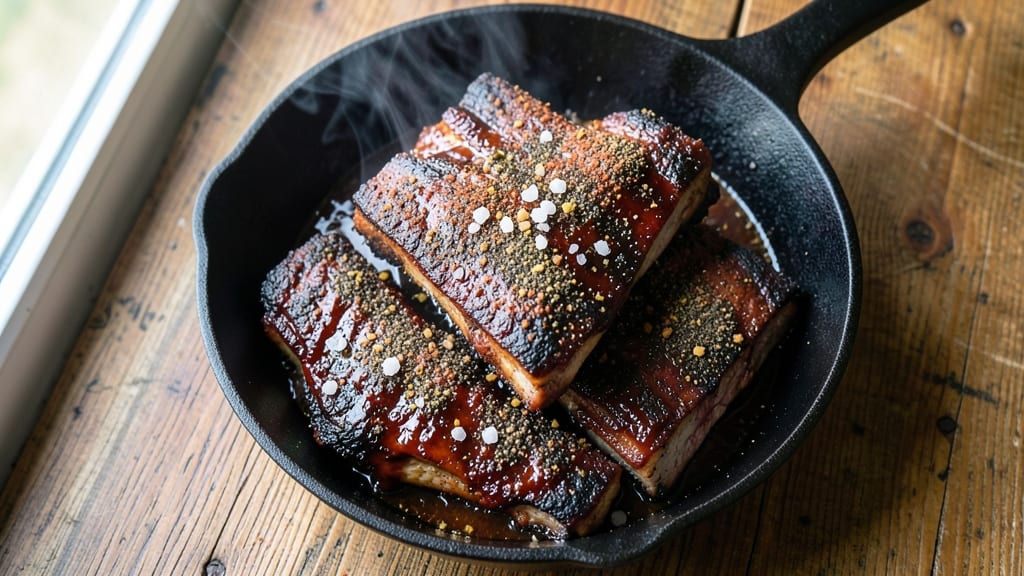
Texas-style beef shoulder ribs deliver melt-in-your-mouth tenderness with a caramelized crust that makes every bite worth the wait. This recipe transforms tough beef shoulder into fork-tender perfection through precise seasoning and low-and-slow cooking—the Texas way.
What sets this method apart is the dry rub that develops deep, smoky flavors while the meat breaks down over hours, not minutes.
The key to success lies in patience and preparation: a well-balanced dry rub of coffee, spices, and brown sugar creates a flavorful bark, while the slow cooking process ensures the connective tissue dissolves into rich, velvety meat.
Unlike traditional pork ribs, beef shoulder ribs benefit from this technique, delivering a restaurant-quality result at home with minimal effort after the initial setup.
By the time you pull these ribs from the smoker or oven, you'll have meat so tender it practically falls apart, with edges that are crispy enough to stand up to a toothpick.
The aroma alone will have everyone gathering around the table, and the first bite will silence any skepticism. This is comfort food at its finest—bold, satisfying, and worth every minute of the process.
Serve with classic Texas sides like cornbread and tangy coleslaw to complete the meal. The recipe scales beautifully for gatherings, and leftovers reheat just as well as the first serving.
Let's get started on creating ribs that will have your guests asking for the recipe—and then begging you to make it again.
Ingredients for beef shoulder texas style ribs
Sixteen ingredients transform tough beef shoulder into Texas-style ribs with restaurant-quality tenderness.
| Ingredient | Amount | Notes |
|---|---|---|
| Beef Shoulder 🥩 | 4 lb | Bone-in, cut into 2-inch rib sections |
| Coarse Kosher Salt 🧂 | ½ cup | Diamond Crystal preferred for texture |
| Ground Black Pepper 🌶️ | 2 tbsp | Freshly cracked for intensity |
| Dark Brown Sugar 🍚 | ¼ cup | Packed, for caramelization |
| Instant Coffee Granules ☕ | 2 tbsp | Finely ground for even distribution |
| Smoked Paprika 🌶️ | 2 tbsp | Honduran or Spanish preferred |
| Garlic Powder 🧄 | 1 tbsp | Freshly ground preferred |
| Onion Powder 🧅 | 1 tbsp | For depth of flavor |
| Ground Cumin 🌿 | 1 tsp | Toasted for aroma |
| Mustard Powder 🍯 | 1 tsp | Dry, for tang |
| Apple Cider Vinegar 🍎 | 2 tbsp | For tenderizing |
| Yellow Mustard 🍯 | 2 tbsp | For initial coating |
| Yellow Onion 🧅 | 1 whole | Sliced for mop sauce |
| Beef Broth 💧 | 1 cup | Low-sodium preferred |
| Apple Juice 🍎 | 1 cup | For moisture during cook |
The beef shoulder is the foundation—look for well-marbled cuts with visible fat for moisture during cooking. Costco or local butchers often carry the best quality, but any grocery store with a meat counter will have suitable options. Cutting the shoulder into 2-inch rib sections ensures even cooking and better bark formation. If you're buying a whole shoulder, ask the butcher to trim it into sections for you—saves time and ensures consistency. For the best results, use the meat within 2 days of purchase, keeping it wrapped tightly in the fridge.
No smoked paprika? Substitute regular paprika plus a pinch of liquid smoke—about 1/4 tsp. The coffee granules can be swapped for instant espresso powder if you prefer a stronger coffee flavor. Mustard powder unavailable? Use Dijon mustard mixed with cornstarch at a 1:1 ratio. The apple cider vinegar and yellow mustard create the initial tenderizing layer—don't skip this step. For the mop sauce, you can use store-bought BBQ sauce as a shortcut, though homemade gives better texture. The beef broth should be low-sodium to avoid overpowering flavors.
Prep the ribs ahead and refrigerate uncovered for 12-24 hours to dry the surface—this creates the perfect bark. Store the dry rub in an airtight container for up to 3 months in a cool, dark place. The cooked ribs reheat beautifully—wrap tightly in foil and bake at 300°F for 15-20 minutes until warmed through. For large gatherings, double the recipe—these ribs freeze exceptionally well for up to 3 months, maintaining both tenderness and flavor.
Why You'll Love This Recipe
- No-Fuss Prep: Honestly, this recipe’s the kind of thing I can do while scrolling through my phone—just rub that beef shoulder with salt, pepper, and brown sugar, then sprinkle coffee granules on top. No fancy marinades, no brining overnight, just three ingredients doing all the heavy lifting.
- Smoky Coffee Magic: Here’s what sold me—the instant coffee isn’t just a trick; it adds this deep, almost smoky backbone that cuts through the richness of the beef. The brown sugar caramelizes into a sticky crust, and that coarse salt? It’s the secret to making every bite feel like a Texas BBQ joint.
- Leftovers for Days: Between us, I’ve made this twice and still had ribs for lunch the next three days. The beef stays tender, and the flavor only gets better as it rests. Wrap them in foil, reheat in the oven, or toss them in a sandwich—no one will guess they’re yesterday’s dinner.
- Budget BBQ Hero: A beef shoulder is cheap, and this recipe stretches it into something ridiculously impressive. I’ve fed six people for under $20, and the coffee and sugar cost pennies. Plus, the leftovers mean I’m not ordering takeout when I’m too tired to cook. Win.
Step-by-step instructions for smoked beef shoulder Texas-style ribs
Here's the method that delivers fall-off-the-bone tenderness with that signature Texas-style bark.
Prepare the Dry Rub and Season the Beef Shoulder
In a medium bowl, combine the 0.5 cup coarse kosher salt, 2 tablespoons ground black pepper, 0.25 cup dark brown sugar, 2 tablespoons instant coffee granules, 2 tablespoons smoked paprika, 1 tablespoon garlic powder, 1 tablespoon onion powder, 1 teaspoon ground cumin, and 1 teaspoon mustard powder. Mix thoroughly until the spices are evenly distributed and the salt crystals are fully integrated.
Pat the 4 lb beef shoulder dry with paper towels—this is critical for bark formation. In a separate small bowl, whisk together the 2 tablespoons apple cider vinegar and 2 tablespoons yellow mustard to create a sticky base. Spread this mixture evenly over the beef shoulder, then press the dry rub firmly into every surface, including the fat cap. The rub should adhere well and not fall off when handled. Let the seasoned beef shoulder rest at room temperature for 1 hour before smoking—this allows the rub to penetrate and the meat to cook more evenly.
Smoke the Beef Shoulder Low and Slow
Preheat your smoker to 225°F using hickory or oak wood. Place a water pan in the smoker to maintain moisture during the cook. Once the smoker reaches temperature and you see clean, thin blue smoke (not thick white smoke), position the beef shoulder fat-side up on the grill grates. This ensures the rendered fat bastes the meat as it cooks.
Close the lid and smoke the beef shoulder undisturbed for 6-8 hours, or until the internal temperature reaches 165-170°F. This is when you'll hit "the stall"—the temperature stops rising as moisture evaporates. Resist the temptation to open the lid or adjust the heat; every time you do, you add 15-20 minutes to your cook time. The bark should be deep mahogany brown and slightly crispy to the touch, with a thick layer of caramelized sugar and spices.
Wrap and Finish the Cook
When the internal temperature hits 165-170°F, remove the beef shoulder from the smoker and wrap it tightly in butcher paper (not foil—paper allows for better bark retention). Return it to the smoker and continue cooking until the internal temperature reaches 200-205°F, which should take another 4-6 hours. This "Texas crutch" technique powers you through the stall while preserving that crispy exterior.
During this final phase, prepare the mop sauce by combining 1 cup beef broth and 1 cup apple juice in a saucepan. Bring to a simmer over medium heat and reduce by half to create a sticky, flavorful liquid. Slice the 1 whole yellow onion into rings and set aside for basting. Every 30-45 minutes, baste the beef shoulder with the reduced mop sauce using a pastry brush. This keeps the meat moist and adds layers of flavor.
Rest and Slice for Maximum Tenderness
Once the internal temperature reaches 205°F and a probe slides in like butter with no resistance, remove the beef shoulder from the smoker. Let it rest in the butcher paper for at least 1 hour (I prefer 2 hours wrapped in towels in a cooler). This resting period allows the juices to redistribute throughout the meat, ensuring every slice is moist and flavorful.
Unwrap the beef shoulder and slice it against the grain into ½-inch thick portions. The meat should be fork-tender and pull apart easily, with a dark, caramelized bark on the outside and a pink smoke ring just beneath. Serve immediately with extra mop sauce spooned over the top. Each bite should deliver rich, smoky beef with a perfect balance of sweet, spicy, and tangy flavors.
Pro Tips For Making Beef Shoulder Texas Style Ribs
- Trim the Fat First: Slice off that thick layer of fat from the beef shoulder before cooking—it’s not just for flavor, it’s for even cooking. I learned this the hard way when my first batch had uneven doneness because the fat shielded parts of the meat.
- Salt the Meat Overnight: Don’t rush the salt—let the beef shoulder sit in a mix of coarse kosher salt and black pepper for at least 12 hours (yes, even if you’re impatient like me). This makes the crust crispier and the meat juicier, and it’s the thing that matters most for Texas-style ribs.
- Use Coffee Sparingly: A sprinkle of instant coffee granules in the rub is classic, but too much can make the ribs bitter. Stick to about 1 tablespoon per pound of meat—just enough to hint at that deep, smoky note without overpowering the beef.
- Wrap in Foil at 160°F: When the internal temp hits 160°F, wrap the ribs tightly in foil and let them rest for 30 minutes. This isn’t just resting—it’s letting the collagen break down into gelatin, which keeps the meat tender and juicy. Skip this, and you’ll end up with dry, tough ribs.
Creative variations of this beef shoulder texas style ribs
Smoky Coffee Bark
The signature coffee-infused bark comes from the 2 tbsp instant coffee granules in the dry rub, which caramelizes beautifully during the long smoke.
For an extra-deep flavor, I swap the instant coffee for finely ground dark roast coffee—just 1 tbsp mixed with 1 tsp brown sugar before pressing it into the meat. This creates a more intense, almost espresso-like crust that pairs perfectly with the smoky paprika. 💫
Spicy Carolina Twist
Transform these ribs into a Carolina-style masterpiece by adding 1 tbsp cayenne pepper and 1 tbsp crushed red pepper flakes to the dry rub.
For the mop sauce, replace the apple juice with ½ cup apple cider vinegar and ½ cup hot sauce—I recommend Crystal or Texas Pete—to balance the heat. Serve with a side of creamy mac and cheese to cool the palate.
The vinegar cuts through the richness while the cayenne adds a fiery kick that’s pure Carolina BBQ.
Sweet BBQ Glaze Finish
For a sticky, saucy finish, brush the ribs with a homemade BBQ glaze—mix ½ cup ketchup, ¼ cup molasses, 2 tbsp apple cider vinegar, 1 tbsp smoked paprika, and 1 tsp liquid smoke—during the last 30 minutes of cooking.
The molasses deepens the sweetness while the vinegar keeps the glaze from becoming too cloying. This works especially well if you’re using the Texas crutch wrap method—the glaze clings beautifully to the butcher paper.
Herb-Infused Texas Style
Add fresh herbs for a brighter, more aromatic profile by incorporating 1 tbsp dried rosemary and 1 tbsp dried thyme—lightly crushed—into the dry rub.
For a fresh twist, mix 2 tbsp finely chopped fresh rosemary and 2 tbsp chopped fresh thyme into the mop sauce along with the beef broth and apple juice. These herbs complement the coffee and smoked paprika without overpowering the beef’s natural richness.
The result is a more complex, herbaceous flavor that still delivers that classic Texas smokiness. 🌿
Slow-Oven Adaptation
No smoker? No problem. Transfer the seasoned beef shoulder to a heavy Dutch oven—I use Le Creuset—and place it in a 300°F oven for 6-8 hours, covered with a lid. Add a water pan to the bottom of the oven to maintain moisture.
Once the internal temperature hits 165°F, wrap the beef shoulder in butcher paper and return it to the oven for another 4-6 hours until it reaches 205°F.
The oven method works surprisingly well, especially for those without access to a smoker, and still delivers that tender, bark-covered perfection. 🔥
Breakfast Ribs
Turn these ribs into a hearty breakfast dish by serving them with crispy hash browns and scrambled eggs topped with sharp cheddar cheese. The smoky, sweet flavors of the ribs pair beautifully with the richness of eggs and the saltiness of the cheese.
For an extra kick, sprinkle crumbled bacon over the top or serve with sausage links on the side. This breakfast adaptation is a crowd-pleaser and makes for a memorable brunch or late-night snack. The coffee notes in the rub even add a subtle depth that complements the breakfast flavors. ☕
Nutrition facts
Frequently asked questions
Why does Texas-style beef shoulder ribs require such a long cook time?
This method uses low-and-slow cooking to break down tough connective tissues into rich, gelatinous goodness. At 225°F, the collagen slowly dissolves over 10-12 hours total, transforming what would otherwise be chewy meat into fork-tender perfection. The extended time also allows the dry rub's sugars to caramelize into that signature crispy bark while keeping the interior moist.
Can I substitute beef short ribs for beef shoulder in this recipe?
Yes, but with adjustments! Beef short ribs (like beef ribeye ribs) are already cut into individual bones, so they cook faster—about 4-5 hours total. Reduce the cook time to 165°F internal temp before wrapping, then finish at 200°F. The bark will form quicker due to their smaller size, but the tenderness will be just as impressive.
What's the best way to store or reheat leftover Texas-style ribs?
Wrap cooled ribs tightly in butcher paper or foil, then store in the fridge for 3-4 days or freeze for up to 3 months. To reheat, bake at 300°F for 15-20 minutes wrapped in foil—this preserves moisture. For crispiness, broil for 2-3 minutes after reheating. The bark stays intact when wrapped properly!
Why did my ribs turn out dry instead of tender?
This usually happens from overcooking past 205°F internal temp or not wrapping in time. The Texas crutch (butcher paper wrap) is crucial—it traps steam to keep meat moist during the stall. Also, ensure your smoker stays at 225°F consistently; temperature fluctuations dry out the meat. Always rest ribs for 1-2 hours before slicing to redistribute juices.
What sides pair best with these Texas-style ribs?
Classic Texas sides like cornbread, creamy coleslaw, and baked beans complement the smoky-sweet flavors perfectly. For a heartier meal, add grilled vegetables or potato salad. The tangy mop sauce also pairs well with pickles or white bread for soaking up extra juices.