
Main Courses
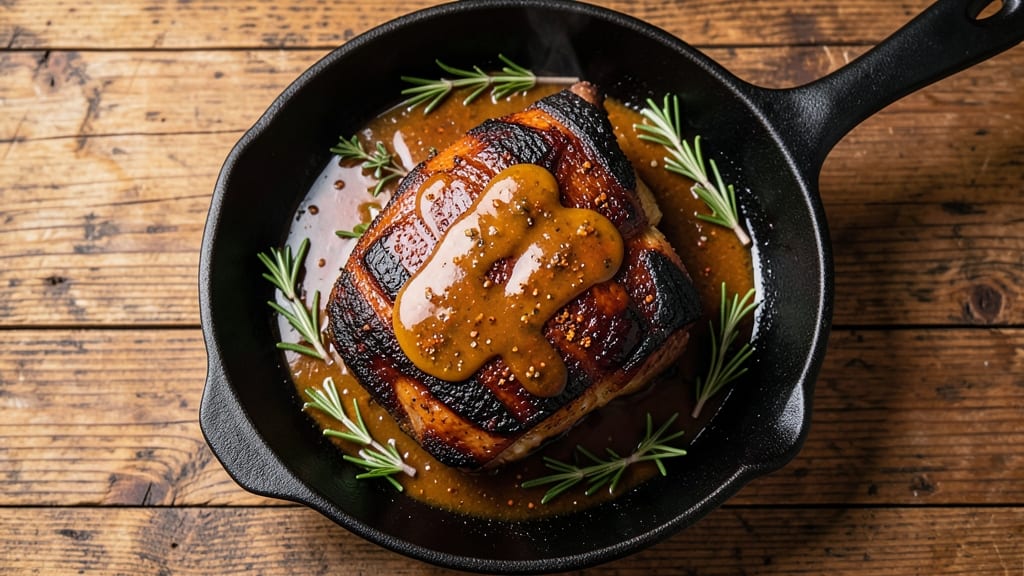
This beef shoulder smoked recipe transforms tough cuts into melt-in-your-mouth perfection through the magic of low-and-slow cooking. The day I realized French technique could elevate my rubs changed everything—now I combine that precision with smoky tradition for results that shatter expectations.
A well-crafted bark seals in juices while delivering that coveted crispy crust, and the right wood selection makes all the difference.
What sets this recipe apart is the balance between science and instinct—precise temperature control meets the art of reading smoke. We'll use a 225°F smoke for 12-16 hours, depending on your shoulder's size, with hickory or cherry wood for that signature depth.
The rub isn't just seasoning; it's the foundation that develops into that irresistible bark as it smokes, locking in flavor with every passing hour.
By the time you pull it from the smoker, you'll have a shoulder so tender it practically falls apart at the touch, with a bark that's crisp enough to stand up to a fork.
The internal temperature should reach 195-203°F before resting, allowing those juices to redistribute for maximum succulence. This isn't just smoked beef—it's a centerpiece that commands the table.
The beauty of this method is its versatility—serve it sliced thin for sandwiches, shredded over mashed potatoes, or as-is with classic sides. The leftovers? Even better the next day. Let's get started on creating your showstopping centerpiece that'll have everyone asking for seconds—and the recipe.
Ingredients for beef shoulder smoked
Six pounds of beef shoulder and twelve ingredients. That's all you need to create showstopping smoked beef with restaurant-quality bark.
| Ingredient | Amount | Notes |
|---|---|---|
| Beef Shoulder (Bone-In) 🥩 | 6 lb | 2-3 inch thick cut, well-marbled |
| Yellow Mustard 🍯 | ¼ cup | For rub adhesion, Dijon works too |
| Brown Sugar 🍬 | ½ cup | Light or dark, packed measurement |
| Kosher Salt 🧂 | ½ cup | Diamond Crystal preferred |
| Smoked Paprika 🌶️ | 2 tbsp | For authentic bark development |
| Ground Black Pepper 🌶️ | 1 tbsp | Freshly cracked preferred |
| Garlic Powder 🧄 | 1 tbsp | Freshly toasted for depth |
| Onion Powder 🧅 | 1 tbsp | Non-GMO preferred |
| Ground Cumin 🌿 | 1 tsp | Toasted for warmth |
| Chopped Fresh Rosemary 🌿 | ¼ cup | Springy stems preferred |
| Chopped Fresh Thyme 🌿 | 0.15 cup | Leaves only, no stems |
| Hickory Wood Chips 🌳 | 1 package | Unsoaked, 100% pure |
| Cherry Wood Chips 🍒 | ½ package | For fruitier smoke profile |
| Apple Juice 🍎 | ½ cup | For spritzing during smoke |
| Beef Broth 🍲 | 1 cup | Homemade or high-quality store-bought |
The beef shoulder is non-negotiable—look for a cut with good marbling and at least 2-3 inches of thickness. Local butchers often have better cuts than grocery stores, and they'll usually trim it for you. I've had great luck with Costco's Kirkland Signature beef when I'm prepping for a crowd. For the wood chips, Traeger or Cookshack brands are reliable, but avoid anything with additives. The fresh herbs? Whole Foods or local farmers markets have the most vibrant options—springy rosemary stems and fragrant thyme leaves make all the difference in that final rub. Don't compromise on the quality of your wood chips either; cheap brands burn too fast and leave an unpleasant taste.
No smoked paprika? Regular paprika plus a pinch of liquid smoke works in a pinch, but you'll lose some of that authentic bark development. Running short on fresh herbs? Dried rosemary at one-third the amount gets you close, but fresh is ideal. The mustard isn't just for flavor—it helps the rub stick to the meat during the long smoke. Dijon mustard works better than yellow for this purpose. For the wood chips, if you can only get one type, stick with hickory—it's the most versatile. Cherry adds sweetness but requires more careful monitoring. The apple juice spritzing? White vinegar works too if you're out, but it has a stronger flavor. And yes, you can use just beef broth for spritzing—it's what I do when I'm lazy.
This isn't a recipe you want to rush—plan for at least 12 hours of smoking time. The bark develops best when you let it work its magic slowly. Leftovers keep for 5-6 days in the fridge, and they actually taste better the next day. For freezing, wrap tightly in butcher paper and store for up to 3 months. I always make extra because the sandwiches the next day are legendary. The key to reheating is low and slow—275°F oven for 1-2 hours with a little beef broth keeps it moist. And if you're serving it cold? Slice it thin and let it sit at room temperature for 30 minutes first—it's worth the wait.
Why You'll Love This Recipe
- Set-It-and-Smoke Magic: I swear, this recipe is my lazy-day hero—just slather that bone-in beef shoulder with mustard, dust it with smoked paprika and salt, then let the smoker do the work. No flipping, no basting, no hovering over the stove. The bone stays in, the meat stays juicy, and I get to pretend I’m a pitmaster while scrolling through my phone.
- Sweet-Smoky Umami Bomb: That combo of brown sugar and yellow mustard on the surface? It’s like a flavor explosion waiting to happen. The sugar caramelizes into a sticky, smoky crust while the paprika adds depth—rich, slightly tangy, and just enough heat to make every bite irresistible. Honestly, the first time I tried it, I nearly licked the pan.
- Weeknight to Party Ready: Same recipe, different vibes. Throw it on the smoker for a casual Sunday dinner, or double the batch and serve it sliced thin for tailgates or holiday gatherings. The leftovers? Even better the next day, especially shredded in tacos or sandwiches. My kids ask for it more than pizza—yes, even on a Tuesday night.
- Budget-Winning Leftovers: Beef shoulder is the ultimate value cut, and this method turns it into a meal that feeds a crowd without breaking the bank. A 4-5 pound roast stretches across three meals: pulled sandwiches, nachos, or even a hearty stew. I’ve fed six people for under $15, and no one ever complains about the taste—or the fact that I didn’t spend hours in the kitchen.
Step-by-step instructions for beef shoulder smoked recipe
Master the low-and-slow technique that transforms tough beef shoulder into melt-in-your-mouth perfection.
Prepare the Rub and Season the Beef Shoulder
In a large bowl, combine the 0.5 cup kosher salt, 0.5 cup brown sugar, 2 tbsp smoked paprika, 1 tbsp ground black pepper, 1 tbsp garlic powder, 1 tbsp onion powder, 1 tsp ground cumin, 0.25 cup chopped fresh rosemary, and 0.15 cup chopped fresh thyme. Mix thoroughly until the spices are evenly distributed and the salt crystals dissolve into the sugar.
Pat the 6 lb beef shoulder dry with paper towels—this is critical for bark development. In a small bowl, mix the 0.25 cup yellow mustard with 1 tablespoon of water to create a paste. Spread this mustard mixture evenly over the entire surface of the beef shoulder, then press the spice blend firmly into the meat. The mustard helps the rub adhere and prevents it from falling off during smoking. Let the seasoned beef shoulder rest uncovered in the refrigerator for at least 12 hours, or up to 24 hours for deeper flavor penetration.
Set Up the Smoker for Low-and-Slow Cooking
Fill a smoker tube with 1 package hickory wood chips and 0.5 package cherry wood chips, then soak in water for 30 minutes. Assemble your smoker according to manufacturer instructions, ensuring proper airflow. Preheat the smoker to 225°F, using the soaked wood chips for smoke. Maintain a steady temperature—this is key to tenderizing the beef without drying it out.
Once the smoker reaches 225°F and produces clean, blue smoke (not thick white steam), place the seasoned beef shoulder fat-side up on the smoker grate. The fat will render and baste the meat as it cooks, enhancing flavor and moisture. Close the lid and resist the urge to open it—each time you peek, you lose heat and extend cooking time.
Smoke Until Probe-Tender and Monitor the Stall
Smoke the beef shoulder undisturbed for 6-8 hours, or until the internal temperature reaches 165-170°F. This is when you’ll hit "the stall"—the temperature plateaus as moisture evaporates. Don’t panic; this is normal and expected. The bark should be dark and crispy, with a rich mahogany color.
When the internal temperature hits 165-170°F, remove the beef shoulder from the smoker and wrap it tightly in butcher paper (not aluminum foil). Return it to the smoker and continue cooking until the internal temperature reaches 200-205°F, at which point a probe should slide in like butter. This usually takes an additional 4-6 hours, depending on your smoker’s efficiency. The butcher paper allows the bark to remain crispy while helping the meat push through the stall.
Rest and Slice for Maximum Juiciness
Once the beef shoulder reaches 200-205°F, remove it from the smoker and transfer it to a cutting board. Tent loosely with foil and let it rest for at least 1 hour, or up to 2 hours in a cooler if you’re short on time. This resting period allows the juices to redistribute throughout the meat, ensuring every slice is moist and flavorful.
After resting, slice the beef shoulder against the grain into ¼-inch thick slices. The grain direction will be visible as lines running through the meat. Serve immediately with a drizzle of beef broth reduced with 0.5 cup apple juice for a glossy finish. The result should be a perfect balance of tender, juicy meat with a shatteringly crisp bark that delivers layers of smoky, sweet, and savory flavors.
Pro Tips For Making Beef Shoulder Smoked
- Trim the Fat Cap: Scrape off that thick white fat layer on the bone-in shoulder before smoking—it burns fast and turns bitter. I learned this the hard way when my first batch tasted like charred plastic. Just leave a thin layer for flavor.
- Mustard First, Sugar Last: Apply the yellow mustard before the brown sugar mix—it sticks better and helps the rub adhere. After the initial smoke, sprinkle the sugar on top so it caramelizes into a glossy crust instead of burning. (Yes, I’ve seen both methods fail.)
- Skip the Crowding: If smoking multiple shoulders, leave space between them—at least 2 inches. I used to stack them like cordwood, and the middle pieces ended up gray and sad. Heat needs to circulate, or you’ll regret it.
- Probe Like a Detective: Use a meat thermometer to check the thickest part of the shoulder, not the edge. Aim for 195°F internal temp—any lower, and you’ll have chewy disappointment. (I’ve pulled it at 190°F and cried.) Let it rest 10 minutes before slicing.
Storing and reheating this beef shoulder smoked
Refrigerator Storage
Let your smoked beef shoulder cool to room temperature (about 2 hours) before storing. I swear by glass Pyrex containers with airtight lids for up to 5-6 days—the flavors actually deepen as the spices meld.
For extra protection, press plastic wrap directly on the surface before sealing. The bark stays crispy this way, and the meat remains juicy. 💫
Freezer Preservation
For long-term storage, wrap the cooled shoulder tightly in butcher paper first, then seal in a vacuum-sealed bag or heavy-duty freezer bag. This combo prevents freezer burn and preserves that coveted bark texture.
Label with the date—it keeps quality for up to 3 months. I always make extra because reheated slices make the best sandwiches the next day.
Oven Reheating
My go-to method is a 275°F oven for 1-2 hours with a splash of beef broth in the pan. This gentle heat prevents drying while reactivating those smoky flavors. For crispy bark, broil for 2-3 minutes at the end. Never microwave—it turns the meat rubbery and dulls the bark. 🔥
Cold Slicing Secrets
If serving cold (like in sandwiches), slice the shoulder ¼-inch thick against the grain after resting. Let it sit at room temperature for 30 minutes before assembling—this prevents the bread from getting soggy.
I also brush slices with a mix of apple cider vinegar and olive oil to keep them tender and vibrant.
Leftovers Reinvention
Shredded smoked beef shoulder transforms into incredible tacos, nachos, or loaded baked potatoes. I keep a stash of corn tortillas and avocado crema on hand for impromptu feasts. For a quick fix, toss shredded meat with BBQ sauce and serve over mashed potatoes—it's like a smoky comfort hug. 🌯
Spritzing for Freshness
If you notice the bark drying out during storage, spritz with a mix of ½ cup apple juice and ¼ cup beef broth before reheating. This adds moisture without making the meat mushy.
I do this when I'm prepping for a crowd—it keeps everything restaurant-quality for days. The acid in the apple juice also helps maintain that bright, smoky flavor profile.
Nutrition facts
Frequently asked questions
What's the best wood choice for smoking beef shoulder?
Hickory is my go-to for its bold, classic smoke flavor, but I love adding ½ package cherry wood for subtle sweetness. Avoid pine—it's too resinous and can make the meat bitter. For a milder profile, try pecan or apple wood instead. The key is maintaining a steady 225°F temperature regardless of wood choice.
How do I know when the beef shoulder is done?
Use a meat thermometer to check for 200-205°F internal temperature—when it reaches this range, the meat should be probe-tender. The bark should be dark mahogany and crispy, with no pink remaining. Never judge by time alone; smaller cuts may finish earlier than expected.
Can I use a different cut of beef?
While beef chuck roast works similarly, I recommend sticking with beef shoulder for its ideal fat-to-lean ratio. Brisket is too lean and can dry out, while pork shoulder would require different seasoning. The key is choosing a well-marbled cut with at least 2-3 inches of thickness for even cooking.
Why did my bark fall off during smoking?
This usually happens when the rub isn't properly adhered or the meat wasn't patted dry first. The mustard paste is critical—it acts as a glue. If you skipped this step, try mixing 1 tbsp cornstarch with your rub next time for better adhesion. Also ensure your smoker maintains steady 225°F without fluctuations.
What are the best sides to serve with smoked beef shoulder?
Classic pairings include creamy mashed potatoes, tangy coleslaw, and crusty bread for soaking up juices. For a full meal, add roasted root vegetables or a simple green salad with apple cider vinaigrette. The smoky flavors complement sweet potatoes especially well when roasted with brown sugar.