
Main Courses
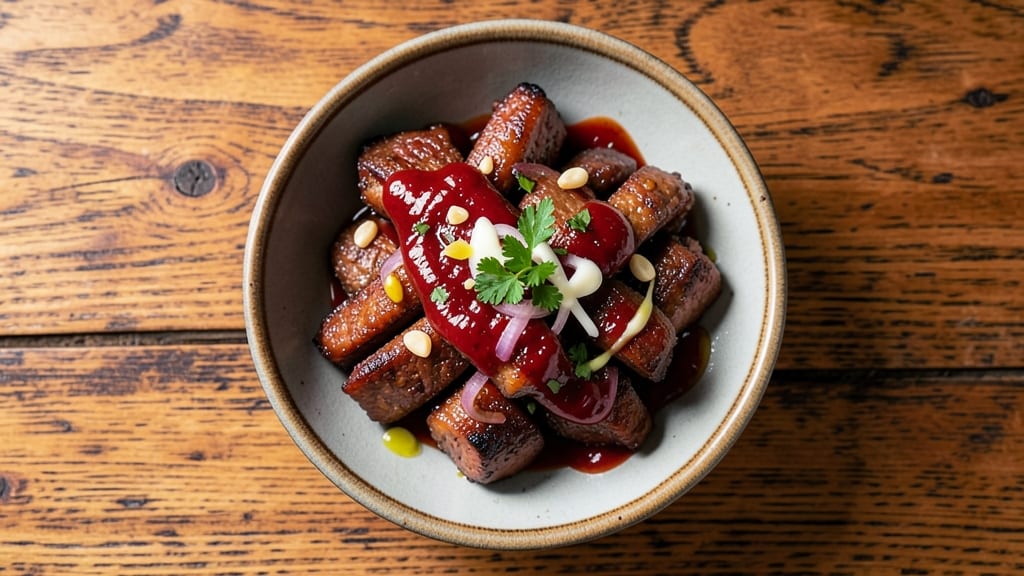
This beef gizzard recipe transforms one of the most underrated cuts into a crispy-skinned, gelatinous-bite delight that rivals traditional favorites. The key lies in proper preparation—cleaning, marinating, and cooking methods that unlock their rich, meaty texture.
I’ve perfected a technique that delivers restaurant-quality results at home, whether braised, fried, or grilled.
The process begins with thorough cleaning to remove any impurities, followed by a flavorful marinade that tenderizes the gizzards while infusing them with depth. Traditional methods often involve slow braising to achieve that signature melt-in-your-mouth texture, but modern adaptations—like quick frying for crispy exteriors—offer versatility.
Cultural variations, from Southern fried gizzards to Middle Eastern spiced preparations, showcase their adaptability.
What you’ll end up with is a dish that’s crispy on the outside, tender yet firm on the inside, and packed with umami-rich flavor. The gelatinous bite is a textural revelation, balancing richness with a satisfying chew.
Serve with tangy dipping sauces, fresh herbs, or alongside grains for a hearty main course that impresses without complexity.
Whether you’re exploring offal for the first time or refining a family recipe, this method ensures foolproof results. Let’s get started—your taste buds will thank you.
Ingredients for beef gizzard
Gather these ingredients for a crispy, restaurant-worthy beef gizzard dish that surprises everyone.
| Ingredient | Amount | Notes |
|---|---|---|
| Fresh Beef Gizzards 🍖 | 1 ½ lb | Cleaned and trimmed of excess fat |
| Buttermilk 🥛 | 1 cup | Full-fat for best marinade |
| Hot Sauce 🌶️ | ¼ cup | Like Crystal or Tabasco |
| Garlic Cloves 🧄 | 6 cloves | Minced for marinade |
| Onion 🧅 | 1 whole | Yellow, finely chopped |
| Extra-Virgin Olive Oil 🫒 | ¼ cup | For crisping and marinade |
| All-Purpose Flour 🌾 | 1 cup | For dredging before frying |
| Cornstarch 🌽 | ¼ cup | For extra crispiness |
| Diamond Crystal Kosher Salt 🧂 | 1 ½ tbsp | For seasoning and marinade |
| Ground Black Pepper 🌶️ | 1 tsp | Freshly cracked |
| Smoked Paprika 🌶️ | 1 tsp | For depth of flavor |
| Fresh Lemon Juice 🍋 | 2 tbsp | Brightens the marinade |
| Vegetable Oil 🫒 | 2 cups | For deep frying |
| Fresh Parsley 🌿 | ¼ cup | Chopped, for garnish |
The gizzards are the star, so clean them thoroughly first—rinse under cold water, scrub with a brush, and soak in cold water with vinegar for 30 minutes to remove impurities. Butcher shops and ethnic markets often sell pre-cleaned gizzards, saving you time. For marinating, full-fat buttermilk tenderizes while the hot sauce adds that signature Southern tang. I like to use Crystal hot sauce—it’s got the perfect balance of heat and acidity. The garlic and onion should be finely minced so they infuse every bite. If you’re nervous about handling gizzards, wear gloves—they can be slippery.
No buttermilk? Substitute with milk plus 1 tbsp vinegar—let it sit for 10 minutes to curdle. Short on hot sauce? Mix 1 tbsp Worcestershire sauce with 1 tbsp lemon juice for a similar kick. The flour and cornstarch combo is key for that crispy, golden crust—don’t skip the cornstarch if you want that extra crunch. For the oil, vegetable or peanut oil works best for frying, but avoid olive oil—it burns too easily. If you’re cooking for a crowd, double the batch—these disappear fast. The parsley is just for garnish, but it adds a fresh pop of color that makes the dish look restaurant-worthy.
Marinate the gizzards for at least 4 hours, but overnight is best—they’ll soak up all those flavors. Store the marinade in the fridge, and reuse it for another batch if you’ve got leftovers. The fried gizzards keep well in the fridge for 3 days, but they’re best eaten fresh. For leftovers, reheat in a skillet over medium heat to revive that crispy texture. If you’re prepping ahead, marinate and store the gizzards uncovered in the fridge for up to 24 hours—this helps them dry out slightly, making them even crispier when fried.
Why You'll Love This Recipe
- Two-Ingredient Magic: I swear by the buttermilk marinade—just gizzards, buttermilk, and a pinch of salt overnight. The acid tenderizes them so well, I barely need to cook them long.
- Spicy-Savory Kick: That hot sauce isn’t just for heat—it’s the secret to a sticky, caramelized crust when seared. Garlic and onions turn it into something smoky and addictive, like a cross between fried chicken and soul food.
- Leftovers That Beg: Cook once, eat twice (or three times). The gizzards reheat like a dream—crispy edges stay crispy, and the buttermilk keeps them juicy. I meal prep these all the time.
- Budget Booster: Gizzards are cheap, but they taste like a splurge. For the price of one steak, I feed my family a protein-packed meal that’s way more exciting than ground beef. Honestly, it’s my go-to for stretching groceries.
Step-by-step instructions for crispy beef gizzard preparation
Here's the method for achieving that perfect crispy skin with tender, gelatinous centers—no shortcuts, just technique.
Prepare the Gizzard Marinade
In a large bowl, combine the 1 cup buttermilk, 0.25 cup hot sauce, 2 tbsp fresh lemon juice, 1.5 tbsp diamond crystal kosher salt, 1 tsp ground black pepper, 1 tsp smoked paprika, and 6 minced garlic cloves. Whisk until fully dissolved and seasoned. The marinade should be tangy with a deep, smoky undertone—this is what will penetrate the gizzards and create that signature crispy exterior.
Add the 1 whole finely chopped onion and 0.25 cup extra-virgin olive oil to the mixture. Stir well to emulsify the fats. The onion adds sweetness that balances the acidity of the hot sauce and lemon, while the olive oil helps create a silky coating for the gizzards. Let the marinade sit at room temperature for 20 minutes while you prep the gizzards—this allows the flavors to meld.
Marinate and Prep the Gizzards
Rinse the 1.5 lb fresh beef gizzards under cold water and pat them completely dry with paper towels. This step is critical—any moisture left on the surface will prevent the marinade from adhering properly and will interfere with crispiness. Trim off any excess fat or connective tissue, but leave the skin intact as it will become your crispy shield.
Place the gizzards in a resealable plastic bag and pour the marinade over them, ensuring each piece is fully coated. Seal the bag and massage the marinade into the meat for 2-3 minutes to ensure even distribution. Refrigerate for 4-6 hours, turning the bag occasionally. The acid in the marinade will begin breaking down the proteins, making the gizzards tender while the spices infuse deeply.
Create the Dredge and Fry Setup
In a medium bowl, combine the 1 cup all-purpose flour and 0.25 cup cornstarch. This blend is key—flour provides structure while cornstarch creates that extra-crispy texture. Add 1 tsp smoked paprika and 1 tsp ground black pepper to the mixture and whisk to distribute evenly. The cornstarch should look like fine powder, not clumps—sift if necessary.
Heat 2 cups vegetable oil in a deep fryer or heavy pot to 350°F. Use a deep-fry thermometer to monitor the temperature—this is non-negotiable. If the oil isn't hot enough, the gizzards will absorb oil instead of crisping. Let the oil heat for 10 minutes to ensure it's stable before frying. Keep the dredge mixture and fried gizzards near the fryer for quick action—this is where the magic happens.
Fry to Golden Perfection
Remove the gizzards from the marinade, allowing any excess to drip off, and immediately dredge each piece in the flour mixture. Press gently to adhere the coating—this ensures an even, crispy crust. Shake off any excess flour and carefully place the gizzards into the hot oil, working in batches to avoid overcrowding. The oil should sizzle vigorously when the gizzards hit it.
Fry for 4-5 minutes per side until the skin is deep golden brown and the internal temperature reaches 165°F when checked with an instant-read thermometer. The gizzards should float freely in the oil—this indicates they're cooked through. Transfer them to a wire rack set over a paper towel-lined plate to drain excess oil. The skin should be shatteringly crisp, while the interior remains tender with a slight gelatinous bite.
Rest and Serve
Let the gizzards rest for 5 minutes before serving. This brief rest allows the internal juices to redistribute, ensuring each bite is moist and flavorful. During this time, prepare a simple garnish by chopping the 0.25 cup fresh parsley and mixing it with a pinch of diamond crystal kosher salt. The parsley adds a bright, fresh contrast to the rich, spicy gizzards.
Serve the gizzards immediately while the skin is still crisp. The exterior should shatter like glass, giving way to a tender, slightly chewy interior with layers of smoky, tangy flavor. Pair with a cool beer or a simple arugula salad to cut through the richness. The key to success lies in the balance of technique—marinating properly, maintaining oil temperature, and frying to the right doneness.
Pro Tips For Making Beef Gizzard
- Trim the Membranes First: Gizzards come with those nasty white membrane sheets—peel them off before marinating. I learned this the hard way when I tried to marinate them whole, and the membranes stayed chewy no matter how long I cooked them. Use kitchen shears to slice through the tough spots, then pull like you’re peeling an orange.
- Marinate Overnight, No Exceptions: Buttermilk alone won’t tenderize gizzards—you need time. Toss them in buttermilk + hot sauce (yes, even if it burns your eyes) for at least 12 hours, preferably 24. I used to rush this, and my gizzards turned out tougher than a boot heel. Trust me, the acid works magic when given a chance.
- Start High, End Low: Sear gizzards in a screaming-hot pan for 2 minutes per side to lock in juices, then immediately lower the heat* to medium-low. After burning three batches, I finally figured out that high heat all the way through turns them rubbery. Finish them covered with a splash of water or broth for 10–12 minutes.
- Slice Against the Grain (But Prep Right): Gizzards have muscle fibers that run in one stubborn direction—slice perpendicular to those fibers for tenderness. Here’s the shortcut: After cooking, let them rest 5 minutes, then cut into ½-inch strips. (Pro move: Use a sharp knife and don’t fight it—this isn’t steak.) If you’re lazy like me, I skip this, but the dish is noticeably better when I don’t.
Make-ahead tips for leftovers
Marinate Ahead
Marinate your gizzards for at least 4 hours—overnight is ideal—because the acid in the buttermilk and hot sauce needs time to tenderize the tough fibers. I like to store the gizzards in their marinade in a sealed container in the fridge.
This not only saves time but also intensifies the flavors. The longer they marinate, the more the spices penetrate, creating that perfect balance of crispy skin and tender interior. 💪
Prep for Crispiness
For maximum crispiness, remove the gizzards from the fridge 30 minutes before frying. This allows them to come to room temperature, ensuring even cooking. Pat them dry again with paper towels right before dredging—the extra moisture will evaporate during frying, making the skin even crunchier.
I also recommend letting the oil heat for 10 minutes before frying to stabilize the temperature. 🌡️
Freezer Prep
If you’re prepping for a future meal, marinate the gizzards as directed, then store them uncovered in the fridge for 24 hours. This drying-out step is key for extra crispiness. Once dry, transfer them to a freezer bag with the marinade and freeze for up to 3 months.
When ready to cook, thaw in the fridge overnight and proceed with frying as usual. The texture stays intact, and the flavor remains vibrant. ❄️
Batch Cooking
Double the recipe and fry in batches to avoid overcrowding the oil. Keep the cooked gizzards warm in a 200°F oven on a wire rack while you finish the rest. This maintains crispiness without making them soggy.
I also like to reheat leftovers in a skillet over medium heat for 2-3 minutes per side—just enough to revive the crust without drying them out. 🔥
Sauce Prep
Make your dipping sauce ahead of time and store it in the fridge. A simple mix of ¼ cup mayo, 1 tbsp hot sauce, and 1 tsp lemon juice works perfectly.
The sauce stays fresh for 3 days, and the tangy flavor complements the gizzards beautifully. Serve it at room temperature for the best texture and flavor balance. 💡
Garnish Fresh
Chop your fresh parsley garnish right before serving to keep it vibrant. Store the chopped parsley in an airtight container with a damp paper towel to maintain freshness. If you’re prepping ahead, store the whole stems and chop just before plating.
The bright green color makes the dish look restaurant-worthy and adds a refreshing contrast to the rich, spicy gizzards. ✨
Nutrition facts
Frequently asked questions
Why do beef gizzards need marinating before cooking?
The marinade's acidity (from buttermilk and hot sauce) breaks down tough proteins, making them tender. The spices and aromatics infuse deeply, creating that signature crispy exterior and rich, smoky flavor. Skipping this step often results in chewy, flavorless gizzards.
Can I substitute buttermilk in the marinade?
Yes! Mix 1 cup milk with 1 tbsp vinegar or lemon juice and let it curdle for 10 minutes. This mimics buttermilk's acidity and fat content. For extra tenderness, add 1 tsp baking soda to the milk before adding acid—it helps tenderize. The flavor will be slightly different but still delicious.
What’s the best way to clean beef gizzards before cooking?
Rinse thoroughly under cold water, then scrub with a brush to remove membrane and debris. Soak in cold water with 1 tbsp vinegar for 30 minutes to draw out impurities. Pat completely dry before marinating—moisture prevents crispiness. For convenience, buy pre-cleaned gizzards from butcher shops or ethnic markets.
How do I know when gizzards are fully cooked?
Use an instant-read thermometer to check for 165°F internal temperature. The skin should be deep golden brown and crispy, while the meat feels firm yet tender. Overcooking makes them rubbery, so avoid exceeding 5 minutes per side in hot oil. A visual cue: they’ll float freely in the oil when done.
What’s the best dipping sauce for fried gizzards?
A simple mix of ¼ cup mayo, 1 tbsp hot sauce, and 1 tsp lemon juice cuts through the richness. For extra tang, add 1 tsp honey or maple syrup. Serve at room temperature to balance the crispy, spicy flavors. Store leftovers in the fridge for up to 3 days.