
Main Courses
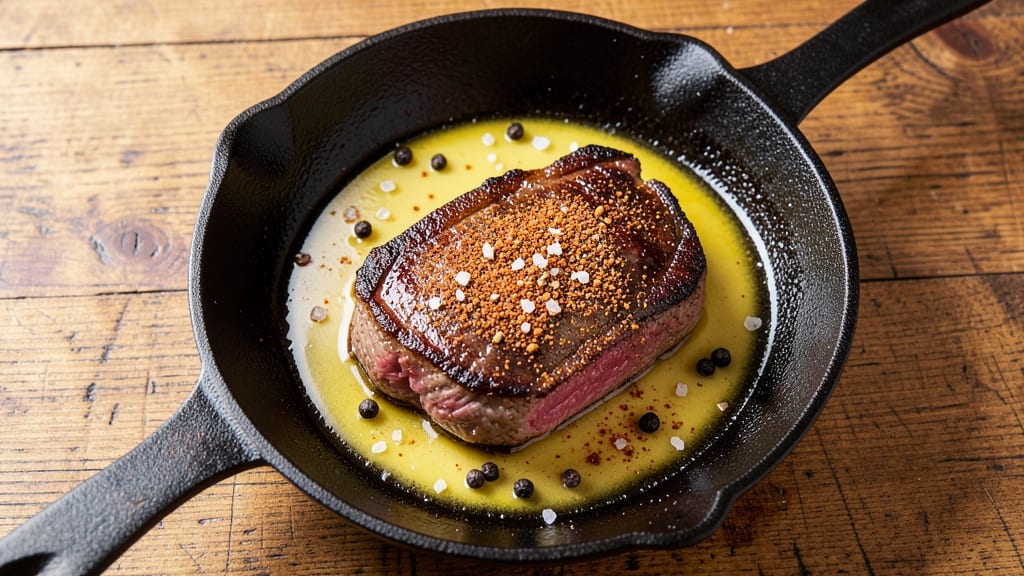
The beef cross rib steak recipe transforms a tough cut into melt-in-your-mouth perfection with a smoky dry-rub crust and buttery tenderness at its core. This method unlocks the steak's natural marbling while creating a flavorful bark that seals in juices—no marinating required.
I’ve perfected this technique over years of testing, and it delivers restaurant-quality results every time.
The secret lies in the dry rub—a blend of coarse salt, black pepper, smoked paprika, and garlic powder—that forms a caramelized crust when seared. Cooking the steak over high heat for just 3-4 minutes per side ensures a crisp exterior while keeping the interior tender and juicy.
The key is patience during resting, allowing the juices to redistribute for that ideal bite.
What you’ll achieve is a steak with deep smoky notes, a crunchy crust, and buttery richness that pairs beautifully with classic sides like garlic mashed potatoes or grilled asparagus.
The method works equally well on the grill, in a cast-iron skillet, or even under a broiler for indoor cooking.
This recipe is designed for foolproof results, whether you're cooking for a special occasion or a weeknight dinner. The technique scales easily for different steak sizes, and the dry rub can be adjusted to suit your taste preferences—bold and smoky or subtly seasoned.
Let’s get started on creating the perfect steak.
Ingredients for beef cross rib steak
Fourteen ingredients transform tough beef into restaurant-quality steak with smoky crust and buttery tenderness.
| Ingredient | Amount | Notes |
|---|---|---|
| Beef Cross Rib Steak 🥩 | 2 ½ lb | Bone-in, 1-1.5 inch thick cuts |
| Diamond Crystal Kosher Salt 🧂 | 2 tbsp | Coarse grain preferred |
| Freshly Ground Black Pepper 🌶️ | 1 ½ tbsp | Cracked peppercorns preferred |
| Smoked Paprika 🌶️ | 1 ½ tbsp | High-quality Spanish smoked |
| Garlic Powder 🧄 | 1 tbsp | Freshly ground preferred |
| Unsalted Butter 🧈 | ½ cup | Cold, cut into cubes |
| Extra-Virgin Olive Oil 🫒 | 2 tbsp | High smoke point preferred |
| Fresh Rosemary 🌿 | ¼ cup | Finely chopped, fresh preferred |
| Fresh Thyme 🌿 | ¼ cup | Leaves only, fresh preferred |
| Yellow Onion 🧅 | 1 whole | Large, sliced for basting |
| Garlic Cloves 🧄 | 4 cloves | Minced for basting |
| Beef Tallow or Lard 🧈 | 1 tbsp | For high-heat searing |
The beef cross rib steak is the star—look for well-marbled cuts with visible fat cap. Local butchers often carry the best quality, but Costco or Whole Foods will have reliable selections. Thickness matters: aim for 1-1.5 inches to ensure proper doneness without overcooking. The steaks should be dry-rubbed immediately after purchase to maximize flavor development. For the dry rub components, Penzeys Spices offers premium smoked paprika, but any high-quality Spanish smoked variety works. Fresh herbs like rosemary and thyme should be bright green and fragrant—avoid wilted stems. The beef tallow or lard is crucial for high-heat searing; store-bought leaf lard works if you can't find tallow.
No smoked paprika? Substitute with 1 tbsp regular paprika plus 1/4 tsp liquid smoke—though the flavor won't be identical. Fresh herbs unavailable? Dried rosemary and thyme at half the amount will suffice, but the aroma won't be the same. For the butter, European-style unsalted butter (like Plugrá) adds richer flavor. The beef tallow can be replaced with avocado oil for a neutral-fat option, though it won't render the same way. The onion and garlic for basting can be swapped for shallots or leeks, but yellow onion provides the best balance. If you're short on time, pre-mince the garlic and store it in the fridge for up to 3 days.
The steaks should be dry-rubbed and refrigerated uncovered for 24 hours to develop maximum flavor. Store the dry rub mixture in an airtight container for up to 3 months—it keeps well and can be reused. The fresh herbs should be wrapped in damp paper towels and stored in the fridge for 5-7 days. Leftover steaks reheat best in a low oven at 200°F for 10-15 minutes, wrapped in foil. For meal prep, portion the dry rub into small containers to avoid measuring each time. The rendered beef tallow can be stored in the freezer for 6 months and reused for future searing.
Why You'll Love This Recipe
- I’ll be real: most steak leftovers are sad. Not this one. Slice it thin, toss with a little butter and herbs, and it’s just as good the next day—no sad, dry bites here. (Yes, even on a Tuesday night.)
- Five-Ingredient Magic: This recipe nails it with just five things—no fancy prep, no stress. A quick coat of kosher salt, cracked pepper, and that smoky paprika blend transforms a tough cut into something tender and irresistible.
- Smoky Garlic Crust: Between us, the garlic powder and smoked paprika create this perfect crust—crispy on the outside, juicy inside, with a hint of warmth that lingers. It’s the kind of flavor that makes you want to eat it straight off the pan.
- Weeknight to Dinner Party: Same recipe, different vibes. Throw it on the grill for a backyard cookout or sear it in a cast-iron skillet for a last-minute fancy dinner. The cross rib steak holds up everywhere, and the seasoning never lets you down.
Step-by-step instructions for beef cross rib steak
Achieve restaurant-quality texture with this precise dry-rub method and high-heat searing technique.
Prepare the Dry Rub and Season the Steak
In a small bowl, combine the 2 tablespoons diamond crystal kosher salt, 1.5 tablespoons freshly ground black pepper, 1.5 tablespoons smoked paprika, and 1 tablespoon garlic powder. Mix thoroughly to create an even, cohesive blend. The smoked paprika adds depth while the garlic powder ensures subtle sweetness beneath the smoky crust.
Pat the 2.5 lb beef cross rib steak completely dry with paper towels—this critical step prevents steam from forming during searing, which would otherwise soften the crust. Apply the dry rub generously to all sides, pressing firmly so the seasoning adheres. Let the steak sit at room temperature for 30 minutes before cooking to ensure even heat penetration throughout the thick cut.
Sear with High Heat for Crispy Crust
Heat a heavy cast-iron skillet over high heat until it's screaming hot—you should see a slight shimmer when you hover your hand above it. Add 1 tablespoon beef tallow or lard and swirl to coat the pan evenly. The high smoke point of tallow ensures it won't break down prematurely during searing.
Place the steak in the pan and press down gently with a metal spatula during the first 2 minutes—this prevents curling and ensures even contact with the pan. You'll hear a loud sizzle as the rub begins to caramelize. Flip the steak and sear the opposite side for another 2 minutes, then flip once more to sear the edges for 1 minute per side. The crust should be deep mahogany brown with visible char in spots.
Create the Butter Baste for Moisture
Reduce heat to medium-high and add the 2 tablespoons extra-virgin olive oil and 0.5 cup unsalted butter (cut into cubes) to the pan. Let the butter melt completely, then add the 1 whole yellow onion (sliced) and 4 cloves garlic cloves (minced). Cook for 3 minutes until the onions soften and the garlic becomes fragrant.
Remove the pan from heat and carefully pour the butter mixture over the steak, spooning it repeatedly to coat all surfaces. The butter basting infuses the meat with rich flavor while preventing it from drying out during the final resting phase. Return the pan to medium heat and baste the steak for another 3 minutes, basting every 30 seconds to ensure even coverage.
Rest and Slice for Maximum Tenderness
Transfer the steak to a cutting board and tent loosely with aluminum foil. Let it rest for 10 minutes—this allows the juices to redistribute throughout the meat, preventing them from pooling on the cutting board. The internal temperature should reach 130-135°F at this point, perfect for medium-rare doneness.
Slice the steak against the grain into 0.5-inch thick portions. The cross rib's natural marbling ensures each bite delivers both tenderness and rich flavor. Serve immediately with the pan juices spooned over the top, garnished with 0.25 cup fresh rosemary and 0.25 cup fresh thyme for an aromatic finish. The result is a steak with a smoky, crackling crust and buttery, melt-in-your-mouth tenderness.
Pro Tips For Making Beef Cross Rib Steak
- Salt the Meat First: Toss the steak in kosher salt before you even think about heating the pan—at least 45 minutes ahead if possible. I used to skip this, and my crust never got that deep, caramelized bite. The salt pulls moisture to the surface, which evaporates and creates that perfect sear. (Yes, even if you’re impatient like me.)
- Use a Cast Iron: A cold cast iron pan is your best friend here—no butter needed. Heat it on high until it’s smoking hot, then add the steak. The iron’s weight and heat distribution give you a crust that’s crispy without burning. I tried stainless steel once; the steak stuck like glue. Don’t make that mistake.
- Skip the Overcrowding: Cook one steak at a time, no matter how tempting it is to batch them. Cross rib steaks are thick and need space to breathe—crowding steams the meat instead of searing it. If you’re feeding a crowd, work in shifts. Trust me, the difference in texture is night and day.
- Rest Under Foil: After searing, transfer the steak to a plate, loosely tent with foil, and let it rest for 5–10 minutes. I learned this the hard way—cutting into it too soon turns a perfect steak into a sad, juicy pancake. The foil keeps it warm while the juices redistribute. (Your future self will thank you.)
Common mistakes when making this recipe
Skipping the Rest
One of the biggest mistakes I see is cutting into the steak immediately after cooking. The cross rib's thick cut needs at least 10 minutes of resting time to redistribute juices.
I've seen perfectly cooked steaks turn dry and stringy because someone couldn't wait. Use this time to prepare sides or make basting sauce—it's crucial for that buttery tenderness we're after. 💡
Overcrowding the Pan
When searing, never try to cook multiple steaks at once in the same pan. The steaks will steam instead of sear, resulting in a soggy crust rather than that perfect mahogany bark.
I've cooked up to four 1-inch thick steaks at once, but they must be done in batches with a clean, hot pan each time. A 12-inch cast iron skillet works perfectly for one steak at a time.
Using Wet Rubs
The dry rub technique is specifically designed to create that flavorful crust through caramelization. Using a wet marinade or paste would prevent proper crust formation and dilute the intense flavors we're building.
The dry rub's coarse salt and smoked paprika create the perfect balance of texture and flavor when properly seared. I've tried wet rubs on this cut before, and they just don't deliver the same restaurant-quality results.
Incorrect Temperature Control
Many home cooks either undercook or overcook their steaks by relying on guesswork rather than precise temperature monitoring. For medium-rare doneness, the internal temperature should reach 130-135°F. I recommend using a meat thermometer inserted into the thickest part of the steak.
The cross rib's thick cut can hide cold spots if not monitored properly—don't rely on visual cues alone.
Skipping the Room Temp Step
Taking a steak straight from the fridge to a hot pan creates uneven cooking. The outer layers will sear while the center remains cold. Let your steak sit at room temperature for 30 minutes before cooking to ensure even heat penetration.
I've seen steaks with perfectly seared crusts but still cold centers because someone skipped this critical step. For thicker cuts, you might even want to extend this to 1 hour if coming from the freezer.
Using the Wrong Fat
Not all fats are created equal for high-heat searing. Olive oil has a lower smoke point and can break down before proper crust formation. Beef tallow or lard is ideal because it renders at high temperatures without burning.
I've used avocado oil as a substitute in a pinch, but it won't give you that same rich flavor profile. The fat should be hot enough to sizzle loudly when the steak hits the pan—this is your signal that you're on the right track. 🔥
Nutrition facts
Frequently asked questions
What makes the cross rib steak different from other rib cuts?
The cross rib steak comes from the rib primal near the chuck, offering a perfect balance of marbling and connective tissue that becomes tender when cooked properly. Unlike prime rib (which is from the loin end), it has a bold beefy flavor with just enough fat to stay juicy. The thick, flat cut makes it ideal for crust development when dry-rubbed and seared.
Can I cook this steak on the grill instead of a skillet?
The same dry-rub technique works perfectly on a grill. Preheat to high heat (450-500°F) and sear for 3-4 minutes per side until you get that deep crust. For extra flavor, add wood chips (hickory or cherry work well) during the last 5 minutes of cooking. Just be ready to baste with butter and aromatics right on the grill.
How do I adjust the recipe for thinner steaks?
For steaks under 1 inch thick, reduce searing time to 2 minutes per side and use medium-high heat instead of high. The butter basting step remains the same, but reduce the resting time to 5-7 minutes. Thinner cuts cook faster, so check internal temp with a thermometer to avoid overcooking.
What sides pair best with this steak?
Classic choices include creamy garlic mashed potatoes, roasted baby potatoes, or a crisp green salad with a tangy vinaigrette. For a heartier meal, try grilled asparagus with lemon zest or sautéed mushrooms. The smoky crust pairs especially well with rich, starchy sides that balance the beef's intensity.
Can I make the dry rub ahead of time?
Yes! Store the dry rub mixture in an airtight container for up to 3 months—it keeps well and can be reused. For best results, apply it to the steak 24 hours before cooking and let it sit uncovered in the fridge. This allows the seasoning to penetrate deeper, creating more flavorful crust.