
Sauces & Condiments
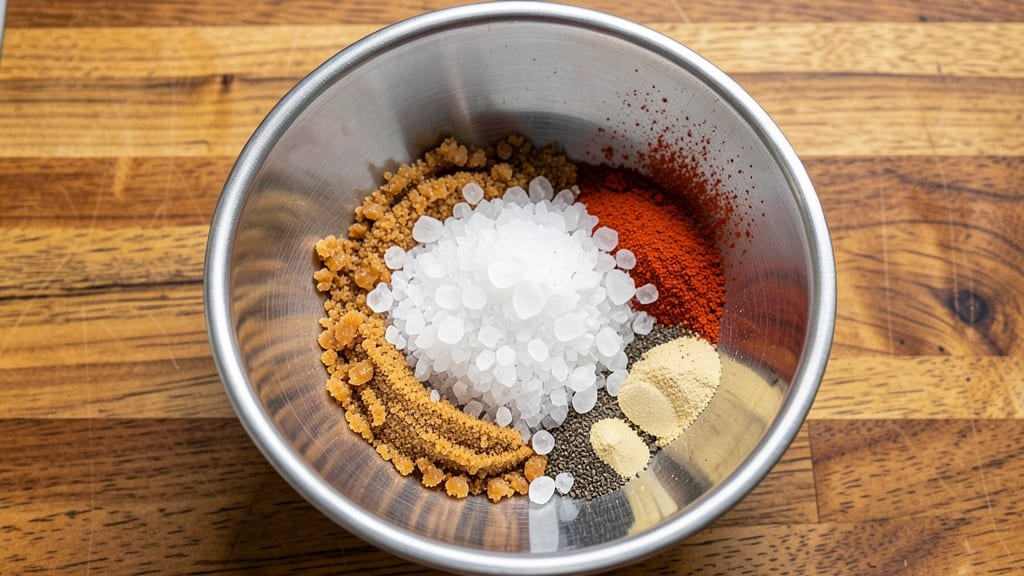
Creating the perfect beef brisket seasoning transforms tough cuts into fall-apart tenderness with every bite—this dry-rub blend is my go-to for deep-smoked brisket that rivals competition-level results.
The secret lies in balancing bold spices with just enough sweetness to caramelize during the long cook, creating that signature bark while keeping the meat juicy inside.
This professional-grade seasoning uses simple pantry staples measured precisely in tablespoons and teaspoons for consistent flavor every time. I developed it after testing countless blends, and the key is the 3:1:1 ratio of salt to sugar to spices—this ensures proper bark formation without overwhelming the beef’s natural richness.
The blend stays dry enough to cling perfectly to the meat, whether you’re smoking, grilling, or roasting.
What you’ll end up with is a deeply aromatic dry rub that develops into a flavorful crust during cooking, locking in moisture and delivering layers of smoky, savory, and slightly sweet flavor.
The spices—black pepper, garlic powder, onion powder, and paprika—work together to penetrate the meat, while the brown sugar adds caramel depth that’s impossible to resist.
Store the blend in an airtight container for up to six months, making it perfect for meal prep or gifting. For variations, adjust the sweetness with honey powder or add cayenne for heat. Let’s create this foolproof seasoning that’ll elevate every brisket you cook.
Ingredients for beef brisket seasoning
Nine simple spices and sugars transform brisket into competition-worthy masterpieces.
| Ingredient | Amount | Notes |
|---|---|---|
| Kosher Salt 🧂 | 3 tbsp | Diamond Crystal preferred for clinging |
| Light Brown Sugar 🍯 | 1 tbsp | Packed for moisture retention |
| Smoked Paprika 🌶️ | 1 tbsp | High-quality for authentic bark |
| Ground Black Pepper 🌶️ | 1 tbsp | Freshly ground for sharpness |
| Garlic Powder 🧄 | 1 tsp | Not garlic salt |
| Onion Powder 🧅 | 1 tsp | Freshly ground preferred |
| Ground Cumin 🌿 | ½ tsp | Toasted for deeper aroma |
| Mustard Powder 🍯 | ½ tsp | Yellow or Dijon preferred |
| Cayenne Pepper 🔥 | ¼ tsp | Adjust for heat preference |
The salt is non-negotiable—Diamond Crystal kosher salt clings better than table salt, and you’ll need it in bulk for that perfect 3:1:1 ratio. Penzeys or the bulk bins at Whole Foods are my go-tos for quality spices. Brown sugar should be packed firmly into the measuring spoon to avoid air gaps, which can dilute the sweetness during the long cook. For smoked paprika, Trader Joe’s has a great affordable option, but if you’re serious about bark, invest in a premium brand like La Boheme. The cumin deserves special attention—lightly toast it in a dry pan for 30 seconds before grinding to release its full aroma. This blend is all about balance, so measure carefully: too much cayenne can overpower the beef’s natural richness.
No smoked paprika? Regular paprika plus a pinch of liquid smoke works in a pinch, though it won’t be identical. Short on brown sugar? Honey powder or maple sugar adds depth without altering the texture. The mustard powder is optional but adds a subtle tang that cuts through the fat—skip it if you prefer pure sweetness. For heat, reduce cayenne to 0.125 tsp if you’re sensitive to spice, or swap in chipotle powder for smoky heat. Freshly ground black pepper makes a world of difference, so if you’ve got whole peppercorns, grind them just before mixing. This blend stays dry and clings perfectly, so no need to worry about moisture issues during the long cook.
Store in an airtight container—glass jars with tight lids work best—somewhere cool and dark. It’ll keep for up to six months, though the spices lose potency after about three. For gifting, divide into small containers or tie a sprig of rosemary to the lid for a rustic touch. Double the batch if you’re prepping for a crowd—this seasoning is too good to keep secret. The blend works equally well on pork shoulder or chicken thighs, though the brisket is where it truly shines.
Why You'll Love This Recipe
- Five-Minute Mix: I swear, this takes less time than waiting for the coffee to brew. Just dump those five ingredients into a bowl—no measuring cups, no fancy techniques—and stir. That’s it. The smoked paprika and garlic powder do all the heavy lifting while I’m still deciding whether to open a bottle of wine or save it for later.
- Smoky-Sweet Magic: Between us, that brown sugar and smoked paprika combo is chef’s kiss. The salt cuts through the richness, the pepper adds a little bite, and the garlic? It’s like a warm hug for your taste buds. Rub it on brisket, and you’ll understand why people slow-cook for hours—it’s worth the wait.
- Leftovers That Don’t Suck: Honestly, I make this seasoning just to have it on hand. Use half on a big brisket for Sunday dinner, save the rest for burgers or roast beef sandwiches the next week. It’s the kind of flavor that turns plain protein into something special without extra effort. My freezer is full of it—because why not?
- Budget Booster: This mix costs pennies and stretches like crazy. A little goes a long way, so you’re not scrambling to buy more every time you want that deep, savory taste. I’ll be real: I’ve used it on everything from steaks to chicken thighs, and it never lets me down. That’s the kind of reliable I can trust.
Step-by-step instructions for beef brisket seasoning
Here's how to create a bold, balanced blend that transforms tough brisket into melt-in-your-mouth perfection.
Combine Dry Ingredients in a Mixing Bowl
Start by placing all ingredients in a medium-sized mixing bowl. I like to use a glass or stainless steel bowl for this—it helps me see the colors blend beautifully as I work. Add the 3 tablespoons kosher salt first, then the 1 tablespoon light brown sugar, 1 tablespoon smoked paprika, and 1 tablespoon ground black pepper. The salt and sugar will create a fine, even base while the paprika and pepper add that signature smoky depth.
Next, add the 1 teaspoon garlic powder and 1 teaspoon onion powder—these will provide subtle, aromatic warmth. The reason we use powders instead of fresh is that they distribute evenly and won't burn during the long smoking process. Sprinkle in the 0.5 teaspoon ground cumin and 0.5 teaspoon mustard powder last, as these have stronger personalities and need to be balanced carefully. Finish with the 0.25 teaspoon cayenne pepper—this is where the heat comes in, so add it sparingly if you prefer a milder rub.
Whisk Until Uniformly Distributed
Use a whisk or a sturdy silicone spatula to combine the ingredients thoroughly. I prefer a whisk because it breaks up any clumps and ensures every particle of salt and sugar gets coated with the smoky spices. Work in small circles at first, then switch to larger motions to aerate the mixture. You're aiming for a texture that's fine but not powdery—think of it like wet sand that clings together when pressed.
Here's the thing—this blend should look like a cohesive, slightly coarse powder with no visible streaks of individual spices. If you see pockets of white sugar or black pepper, keep whisking. The goal is to create a uniform coating that will adhere perfectly to the brisket. A quick test: pinch a small amount between your fingers. If it holds together but dissolves easily when you rub it, you're on the right track.
Transfer to an Airtight Container
Once the blend is perfectly mixed, transfer it to an airtight container with a tight-sealing lid. I recommend a small mason jar or a dedicated spice container—something that will keep out moisture and light. The spices in this blend are sensitive to humidity, which can cause clumping. Tap the container gently on the counter to settle the mixture and remove any air pockets before sealing.
Label the container clearly with the contents and date. This blend will keep for up to 6 months in a cool, dark place or 1 year in the freezer if you plan to make large batches. The smoked paprika and cayenne pepper are particularly sensitive to light, so storing it in a dark container extends its shelf life even further. When you're ready to use it, give the container a good shake before each application—this ensures an even distribution of all the spices.
Apply Generously to Brisket for Maximum Flavor
When you're ready to season your brisket, remove it from the refrigerator and let it sit at room temperature for 30 minutes. This step is crucial—it allows the seasoning to adhere better and ensures even cooking. Pat the brisket dry with paper towels, then apply the seasoning blend generously on all sides, including the fat cap. Press the rub firmly into the meat so it clings tightly and doesn't fall off during the smoking process.
Here's where the magic happens: let the seasoned brisket rest uncovered in the refrigerator for at least 4 hours, or ideally overnight. This resting period allows the salt to penetrate deeply, breaking down proteins and creating that tender, juicy texture you're after. The spices will also meld together, intensifying their flavors. When you're ready to smoke, the brisket will be perfectly primed for a bark that's dark, crispy, and packed with smoky goodness.
Pro Tips For Making Beef Brisket Seasoning
- Mix Dry First: Combine the smoked paprika, garlic powder, and black pepper before adding salt or sugar—this keeps the spices from clumping into bitter lumps. I used to toss them in one by one, and half the time, my seasoning turned into a grainy mess.
- Salt in Layers: Don’t dump all the kosher salt at once. Sprinkle half before searing, then the rest after browning—this prevents a salty crust while locking in flavor deeper. I learned this after my first brisket tasted like a science experiment gone wrong.
- Toast the Sugar: Lightly bloom the brown sugar in a dry pan for 30 seconds before mixing—it caramelizes just enough to add depth without burning. Sounds weird, but it works: the crust turns richer, and the sweetness balances the smokiness better.
- Measure by Weight: Weigh your brisket and seasoning in grams or ounces instead of eyeballing it—aim for about 1.5% salt (by weight) and 1% sugar. I skipped this once and ended up with a brisket that was either bland or overpowering. Precision matters.
Regional styles of these flavors
Texas-Style Bark
This is the classic approach that made Texas brisket famous—focus on a thick, dark bark with minimal sweetness. Reduce the brown sugar to ½ tablespoon and increase the smoked paprika to 1.5 tablespoons for deeper color.
Add ½ teaspoon coriander to complement the smokiness. The key is patience: cook low and slow at 225°F for 12-16 hours to develop that signature crust. 🔥
Carolina Mustard Heat
South Carolina pitmasters swear by a tangy, vinegar-based approach with a kick. Swap the mustard powder for 1 tablespoon yellow mustard powder and add ½ teaspoon black pepper plus ½ teaspoon cayenne.
Use apple cider vinegar (not sugar) to create a wet rub—mix 1 tablespoon vinegar with the dry blend. This creates a sticky, flavorful bark with bright acidity that cuts through the fat.
Kansas City Sweet & Smoky
The KC barbecue style balances sweetness and spice perfectly. Double the brown sugar to 2 tablespoons and add 1 teaspoon chili powder for depth. Include ½ teaspoon cloves and ½ teaspoon cinnamon for warmth.
This blend works exceptionally well with a hickory-pecan wood mix in your smoker, creating a complex, caramelized crust that's both sweet and smoky.
Memphis Dry Rub
Memphis-style brisket focuses on a crispy, dry bark with minimal sugar. Use ½ tablespoon brown sugar and increase the black pepper to 1.5 tablespoons. Add ½ teaspoon celery salt and ½ teaspoon onion powder for that signature Memphis flavor.
The secret? Cook with hickory wood only and wrap the brisket in butcher paper at 165°F to speed up the cooking process without steaming the meat.
Oklahoma Tomato-Based
Oklahoma barbecue often includes tomato sauce in the rub for tanginess. Replace ½ tablespoon brown sugar with 1 teaspoon tomato powder (or blend dried tomato skins into a fine powder). Add ½ teaspoon garlic powder and ½ teaspoon onion powder for depth.
This blend pairs beautifully with a cherry wood smoke for a fruity, slightly sweet profile that's unique to Oklahoma-style brisket.
Modern Fusion Twist
For a contemporary take, blend ½ tablespoon brown sugar with ½ tablespoon honey powder and add ½ teaspoon smoked salt (like Morton Kosher Salt with Smoke). Include ½ teaspoon sumac for a citrusy note and ½ teaspoon cardamom for warmth.
This fusion style works exceptionally well with fruitwood blends like apple and cherry, creating a complex, aromatic bark that's perfect for foodies craving something new. 💡
Nutrition facts
Frequently asked questions
Can I substitute table salt for kosher salt in this seasoning?
Never use table salt—it's too fine and won't adhere properly to the brisket. For every 1 tablespoon kosher salt in the recipe, use 1 teaspoon table salt (Diamond Crystal kosher salt is ideal). The larger crystals create better bark and distribute more evenly during the long cook.
How do I adjust this seasoning for a spicier brisket?
Start by doubling the cayenne to 0.5 teaspoon for noticeable heat. For extra kick, add 0.25 teaspoon chipotle powder or 0.125 teaspoon red pepper flakes. Always taste-test the blend first—spices intensify during cooking, so go easy at first.
Why does my seasoning clump when I store it?
Humidity is the enemy! Store your seasoning in an airtight glass container with a silica gel packet to absorb moisture. If clumps form, crush them gently with a fork before using. Never store it in the fridge—cool, dark pantry space is ideal for up to 6 months.
Can I use this seasoning on other meats besides brisket?
It works beautifully on pork shoulder, chicken thighs, or even lamb chops. For poultry, reduce the cayenne to 0.125 teaspoon to avoid overpowering delicate flavors. The 3:1:1 ratio (salt:sugar:spices) remains perfect for creating bark on any cut.
How much seasoning should I use per pound of brisket?
Use 1 tablespoon of seasoning per pound of brisket for optimal coverage. For a 10-pound brisket, you'll need about 10 tablespoons (or 1.25 cups). Apply generously to all sides, including the fat cap, and press firmly so it sticks during the long cook.