
Main Courses
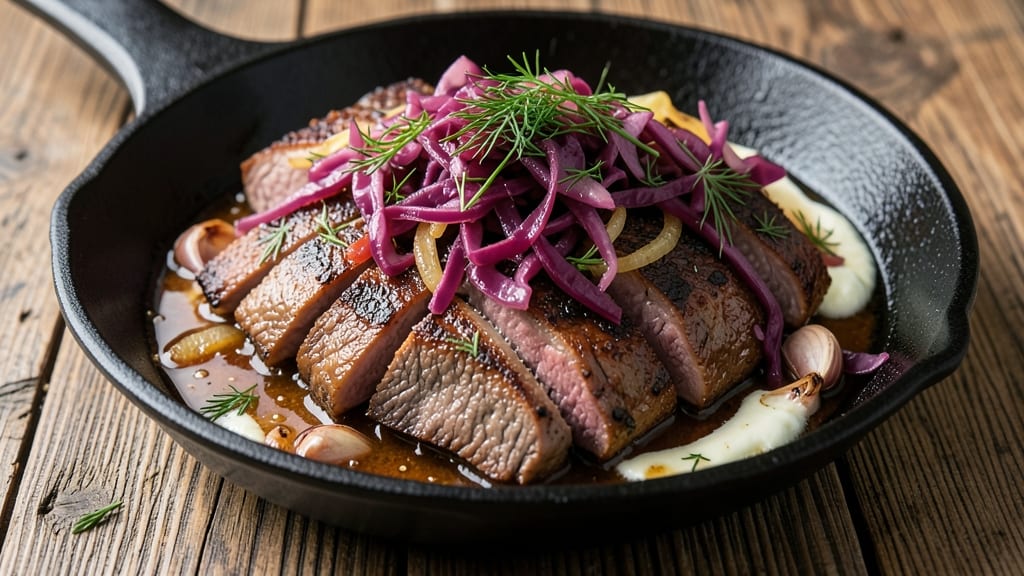
This beef brisket and sauerkraut recipe delivers a perfect balance of smoky, tender meat and tangy fermented cabbage that transforms any meal into a showstopper.
The key lies in slow-cooking the brisket until it's fork-tender while developing that coveted dark bark, then pairing it with sauerkraut that's been warmed just enough to soften its edges without losing its signature crunch and acidity.
I've perfected this technique over years of testing, and it never fails to impress—whether you're cooking for a holiday feast or a cozy weeknight dinner.
The brisket requires patience—about 6 hours of low-and-slow cooking—but the result is worth every minute. You'll start with a well-seared brisket, then let it braise in a flavorful liquid until it pulls apart effortlessly. Meanwhile, the sauerkraut gets gently heated to mellow its sharpness while retaining its vibrant texture.
This dish is all about layers of flavor: the deep, smoky notes of the brisket contrasting beautifully with the tangy, slightly sweet sauerkraut.
By the time you're ready to serve, you'll have slices of brisket that are melt-in-your-mouth tender with a crispy exterior, paired with sauerkraut that's warm, slightly caramelized, and packed with that signature fermented punch.
The combination is hearty, satisfying, and impossibly flavorful—exactly what you want when you're feeding a crowd or treating yourself to a restaurant-quality meal at home.
This recipe works equally well for traditional smokers or modern ovens, so you can adapt it to your kitchen setup without sacrificing results. Whether you're a seasoned cook or just starting out, the step-by-step instructions will guide you through every phase—from searing the brisket to plating the final dish.
Let's get cooking!
Ingredients for beef brisket and sauerkraut
Six core ingredients transform into a showstopper brisket that melts with tenderness and sauerkraut bursting with tangy crunch.
| Ingredient | Amount | Notes |
|---|---|---|
| Beef Brisket 🥩 | 4 lb | Whole packer cut, 1.5-2 inches thick |
| Yellow Onions 🧅 | 2 whole | Yellow or red, sliced into wedges |
| Garlic Cloves 🧄 | 8 cloves | Peeled, smashed for maximum flavor |
| Unsalted Butter 🧈 | ½ cup | Cold, cubed for searing |
| Beef Broth 💧 | 2 cups | Low-sodium preferred, homemade or high-quality |
| Apple Cider Vinegar 🍏 | ¼ cup | For depth and tang |
| Brown Sugar 🍯 | ¼ cup | Light or dark, packed |
| Smoked Paprika 🌶️ | 2 tbsp | For that signature smokiness |
| Black Peppercorns 🌶️ | 1 tbsp | Freshly cracked for intensity |
| Bay Leaves 🍃 | 2 whole | Fresh if possible, dried works |
| Sauerkraut 🥬 | 4 cups | Unopened jar, tangy variety |
| Mustard Seeds 🌶️ | 1 tsp | For subtle heat and crunch |
| Fresh Thyme 🌿 | ¼ cup | Leaves only, chopped |
| Olive Oil 🫒 | ¼ cup | For finishing and deglazing |
| Kosher Salt 🧂 | 2 tbsp | Diamond Crystal preferred |
The brisket is non-negotiable here—look for a packer cut with good marbling, typically around 4-5 lbs. Costco or Whole Foods usually carry the best quality, but your local butcher will have it too. If you can't find a whole brisket, a pre-cut flat or point will work, but it won't have the same depth of flavor. The sauerkraut should be the tangy, unopened jar kind—none of that pre-cooked or sweetened stuff. Bubba's or Wellshire brands are my go-to for that perfect fermented bite. Fresh thyme and bay leaves elevate the dish, so don't skip them if you've got them. If not, dried works at half the amount.
No smoked paprika? Substitute with a mix of cayenne and regular paprika—just a pinch of cayenne goes a long way. Running low on beef broth? Water plus a bouillon cube works in a pinch, but you'll lose some depth. The mustard seeds add a subtle crunch and heat—if you don't have them, a pinch of ground mustard will do. For the sauerkraut, if it's too sharp for your taste, rinse it lightly before heating to mellow the acidity. The brisket can be swapped for beef chuck roast in a bind, though it won't be as tender. And if you're using a smoker, add an extra 1-2 hours to the cook time for that authentic bark.
This dish tastes even better the next day—plan ahead. The brisket reheats beautifully in the oven at 300°F for 20-30 minutes, covered with foil. Store leftovers in the fridge for up to 5 days, or freeze for 3 months. The sauerkraut can be reheated separately and stored in its juices. For serving, I like to slice the brisket against the grain and arrange it over a bed of warm sauerkraut with a drizzle of the braising liquid. The contrast of textures and flavors is what makes this dish unforgettable.
Why You'll Love This Recipe
- One-Pan Magic: I swear by this—just slice the brisket thin, toss it with onions and garlic, and let the butter and broth do the rest. No flipping, no fussing, just hands-off simmering while you sip wine and pretend you’re not cooking.
- Sauerkraut Secret Weapon: That tangy crunch from the sauerkraut cuts through the richness like a cool breeze. Honestly, I’ll take this over dry brisket any day—it’s the perfect balance of savory and bright, with zero extra effort.
- Leftovers That Save Me: Between us, this recipe makes enough for dinner and tomorrow’s lunch. The brisket stays tender, the sauerkraut keeps its bite, and I’m not scrambling to figure out what to eat at noon.
- Budget-Friendly Feast: A whole brisket feeds six for less than takeout. The onions and garlic are cheap, the broth adds depth, and suddenly you’ve got a meal that feels special without breaking the bank—or your grocery budget.
Step-by-step instructions for smoky-sour brisket with sauerkraut
Here's how to transform a simple brisket into a showstopping dish with tangy sauerkraut and deep smoky flavors.
Prepare and Sear the Brisket
Start by trimming any excess fat from the 4 lb beef brisket, leaving about ¼ inch of fat cap for flavor and moisture. Pat the meat completely dry with paper towels—this is critical for achieving that perfect crust. In a heavy Dutch oven, melt the 0.5 cup unsalted butter over medium-high heat until it foams. Place the brisket fat-side down and sear for 4-5 minutes until deeply browned. Flip and sear the other side for another 4-5 minutes.
Here's the thing—don't rush this step. You want that beautiful mahogany crust that locks in all those juices. Once both sides are well-browned, remove the brisket and set it aside on a plate. This initial sear builds the foundation for all that rich flavor we're after.
Build the Flavorful Base
In the same Dutch oven, reduce the heat to medium and add the sliced 2 whole yellow onions and 8 cloves smashed garlic cloves. Cook for 5-6 minutes until the onions are soft and translucent, stirring occasionally. This develops their natural sweetness and creates a fragrant base for our sauce.
Here's where it gets good—sprinkle in the 2 tbsp smoked paprika, 1 tbsp freshly cracked black peppercorns, and 2 whole bay leaves. Stir for 30 seconds to toast the spices, which releases their aromatic oils. Add the 0.25 cup brown sugar and stir for another minute until it begins to caramelize slightly—this adds just the right touch of sweetness to balance the tangy sauerkraut later.
Simmer with Aromatics and Vinegar
Pour in the 2 cups beef broth and 0.25 cup apple cider vinegar, scraping up any browned bits from the bottom of the pot. These bits are packed with flavor—don't miss them! Bring the mixture to a gentle simmer, then return the brisket to the pot, fat-side up. The liquid should come about halfway up the sides of the meat.
Cover the pot and simmer gently for 2 hours. I know it seems like a long time, but patience is key here. The brisket needs this slow cook to break down into tender perfection. About halfway through, check the liquid level and add a splash of water if needed to keep it from drying out. The aroma filling your kitchen will make the wait worthwhile.
Incorporate Sauerkraut and Finish
After 2 hours of simmering, remove the brisket and set it aside on a cutting board. In the same pot, stir in the 4 cups sauerkraut, 1 tsp mustard seeds, and 0.25 cup chopped fresh thyme. Cook for an additional 10-12 minutes until the sauerkraut begins to soften and the flavors meld together beautifully. The mustard seeds will add a subtle crunch and heat that complements the tangy sauerkraut perfectly.
While the sauerkraut cooks, use a meat thermometer to check the brisket's internal temperature. It should read 195-200°F in the thickest part. If it's not quite there, return it to the pot with the sauce and cook for another 15-20 minutes. This final cooking step ensures the brisket is fork-tender and ready to slice easily.
Rest and Serve
Once the brisket reaches the perfect temperature, remove it from the pot and let it rest for 15-20 minutes. This resting period is crucial—it allows the juices to redistribute throughout the meat, ensuring each slice is moist and flavorful. While it rests, stir the 0.25 cup olive oil into the sauerkraut mixture and taste. Adjust the seasoning with additional kosher salt if needed.
Slice the brisket against the grain into ¼-inch thick slices. The grain direction is important—you'll see lines running through the meat. Serve the brisket topped with the sauerkraut mixture, spooning that tangy, smoky sauce generously over each portion. The contrast of tender brisket with the crisp, tangy sauerkraut creates a perfect balance of flavors that's sure to impress your guests.
Pro Tips For Making Beef Brisket And Sauerkraut
- CRANK THE HEAT FIRST: The brisket needs a good sear, so don’t be shy—get that pan screaming hot before adding the butter. I used to take it easy, and the onions just sweated instead of caramelizing. Now I wait until the butter foams and the onions hit the pan with a sizzle. That’s when the magic starts.
- DICE ONIONS UNIFORM: Sauerkraut’s job is to soak up flavor, not compete with the brisket. Cut the onions into even ¼-inch pieces—no big chunks, no slivers. My first batch had uneven pieces, and the big ones stayed raw while the small ones turned to mush. Consistency = even cooking.
- SKIP THE RUSH TO ADD BROTH: Let the onions and garlic brown for at least 8 minutes before pouring in the broth. I learned this the hard way—adding broth too soon just dilutes the flavor instead of building depth. Patience here makes the sauce richer, not thinner.
- USE THE BRISKET’S OWN JUICES: After searing, let the brisket rest 5 minutes before slicing—yes, even if you’re starving. The meat releases juices that’ll turn into a glossy glaze when you toss it with sauerkraut. I skipped this once and ended up with dry, stringy slices. Your future self will notice the difference.
Wine and beer pairings for these flavors
Red Wine Pairings
A bold Cabernet Sauvignon from Napa Valley is my go-to choice for brisket—its dark fruit flavors and firm tannins stand up to the smoky, rich meat while complementing the sauerkraut's tang. Look for a 2018 or newer vintage with notes of blackcurrant and cedar.
If you prefer something lighter, a Syrah from Rhône Valley offers spicy pepper notes that cut through the fat beautifully. 🍷
Malbec Magic
For a crowd-pleasing option, Argentinian Malbec delivers deep plum and chocolate flavors that harmonize with both the brisket and sauerkraut. I recommend a Torrontés blend for a slightly floral contrast that brightens the dish. The medium body won't overpower the meal but adds enough structure to balance the richness.
Beer Alternatives
A crisp German Helles Lager like Weihenstephaner provides a clean, malty base that refreshes your palate between rich bites. For something bolder, try a Belgian Dubbel—its caramel and spice notes echo the brisket's smokiness while the sauerkraut's acidity cuts through the sweetness. 🍺
Craft Beer Picks
Local craft breweries often have perfect matches—look for amber ales with notes of caramel and toasted malt. Allagash White (a Belgian-style witbier) adds citrusy brightness that pairs wonderfully with the sauerkraut's tang. For a smoky twist, try a barleywine with chocolate undertones that complement the brisket's depth.
Non-Alcoholic Options
Don't overlook sparkling apple cider—its effervescence cleanses the palate while the apple notes mirror the vinegar in the recipe. For something richer, a ginger beer with a splash of lime adds zesty contrast to the smoky-sour combination. These options work beautifully for all-day gatherings where alcohol isn't served. ✨
Nutrition facts
Frequently asked questions
Why does the brisket need to rest before slicing?
Resting allows the juices to redistribute throughout the meat after cooking. If you slice too soon, they'll run out onto your plate instead of staying in the brisket. A 15-20 minute rest at room temperature ensures each slice stays moist and flavorful. Trust the process—it's worth the wait!
Can I make this recipe in an oven instead of a smoker?
Preheat your oven to 275°F and follow the same searing method. After searing, transfer the brisket to a baking dish with the sauce, cover tightly with foil, and bake for 4-5 hours until tender. The oven method works especially well if you don't have a smoker, though you'll miss that authentic smoky flavor.
How do I know when the brisket is done?
Use a meat thermometer to check the internal temperature in the thickest part. The brisket is perfect at 195-200°F. It should pull apart easily with two forks, and the probe should slide in like butter. If it's not quite there, return it to the pot with the sauce for another 15-20 minutes. Patience pays off!
What if my sauerkraut is too sharp?
Rinse it lightly under cold water before heating to mellow the acidity. You can also drain some of the liquid from the jar before adding it to the pot. For extra balance, stir in a pinch of brown sugar or honey while cooking. The goal is harmony—adjust to your taste!
Can I make this ahead of time?
This dish actually tastes better the next day! Cook the brisket and sauerkraut as directed, then refrigerate for up to 5 days. Reheat the brisket in the oven at 300°F for 20-30 minutes covered with foil, then warm the sauerkraut separately. The flavors deepen overnight, making it perfect for meal prep.