
Main Courses
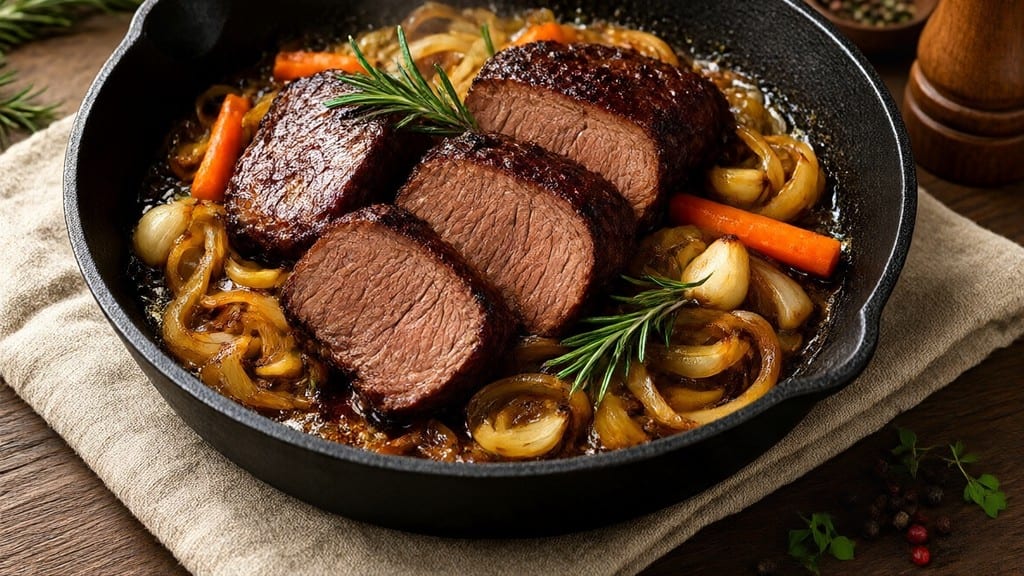
Transforming tough cuts of beef into melt-in-your-mouth perfection requires patience and precision—this beef braise recipe delivers restaurant-quality results in your kitchen. The secret lies in slow simmering, where collagen-rich meat breaks down into rich, flavorful broth that coats every bite.
I've perfected this technique over years of testing, ensuring your Dutch oven becomes the centerpiece of any dinner table.
What sets this braise apart is the balance of deep, savory flavors developed through caramelization and slow cooking. You'll start with a proper sear to build a flavorful crust, then deglaze with wine and aromatics before adding vegetables and broth.
The result? Tender beef with a sauce so rich it clings to every forkful, transforming simple ingredients into something extraordinary.
This method works beautifully with chuck roast or short ribs, delivering consistent results whether you use a traditional Dutch oven or modern pressure cooker. The slow cooking process creates a sauce that's perfect for serving over mashed potatoes, polenta, or crusty bread—each bite offering a symphony of textures and flavors.
Let's create a dish that feels like a hug on a plate.
Ready in about 3 hours (or just 45 minutes with a pressure cooker), this beef braise proves that great meals don't require complicated techniques—just time and attention to detail. The aroma alone will have everyone gathering at the table, eager for their first taste of this deeply satisfying dish.
Ingredients for beef braise
Simple ingredients transform into restaurant-quality beef braise with slow simmering and rich flavors.
| Ingredient | Amount | Notes |
|---|---|---|
| Chuck Roast 🥩 | 3 lb | Bone-in preferred for flavor |
| Yellow Onion 🧅 | 1 whole | Cut into wedges |
| Carrots 🥕 | 4 medium | Peeled, cut into chunks |
| Garlic Cloves 🧄 | 6 cloves | Smashed for flavor |
| Red Wine 🍷 | 1 cup | Dry, bold variety |
| Beef Broth 💧 | 3 cups | Low-sodium preferred |
| Tomato Paste 🍅 | 2 tbsp | Smooth, no sugar added |
| Fresh Thyme 🌿 | 2 sprigs | Or 1 tsp dried |
| Fresh Rosemary 🌿 | 1 sprig | For earthy depth |
| Olive Oil 🫒 | 2 tbsp | Extra-virgin for richness |
| Salt 🧂 | 1 ½ tsp | Kosher or sea salt |
| Black Pepper 🌶️ | 1 tsp | Freshly ground preferred |
| Bay Leaves 🌿 | 2 whole | For aromatic depth |
| All-Purpose Flour 🌾 | 1 tbsp | For thickening sauce |
The beef is everything here—chuck roast with its marbling delivers that melt-in-your-mouth texture. Costco and Whole Foods carry excellent cuts, but any grocery store with a butcher section will have it. Look for good marbling and avoid anything with a grayish tint. I always buy a little extra since it freezes beautifully. The carrots can be baby carrots if you're in a hurry, but whole carrots give you more control over the size. For the wine, any bold, dry red works—Cab Sauv, Merlot, whatever's open. Skip the cooking wine unless you're desperate.
No red wine? Beef broth with a splash of balsamic vinegar gets you close—just add an extra tablespoon of tomato paste for depth. Fresh thyme and rosemary are ideal, but dried works at one-third the amount. If you're using dried, crush the leaves between your fingers to release the oils. The tomato paste? Those little squeeze tubes at Trader Joe's are perfect—no waste, keeps forever. For the flour, King Arthur or Gold Medal brands work best for thickening without adding a raw taste. And if you're short on time, swap the fresh herbs for a teaspoon of each dried—just remember less is more with dried spices.
This braise tastes even better the next day as flavors meld. Keeps 4-5 days in the fridge, freezes for 3 months. I portion mine into containers so lunches are sorted for the week. For serving, I like it over creamy mashed potatoes or crusty bread—soak up every last bit of that rich sauce. If you're making this ahead, let it cool completely before refrigerating to prevent a soggy texture. The sauce thickens as it cools, so you might need to add a splash of broth when reheating.
Why You'll Love This Recipe
- Foolproof Prep: I swear by this—just sear the chuck roast, toss in chopped onions and carrots, and let the slow cooker do the work. No fancy knife skills needed; my kids even help with the chopping (they’re terrible at it, but it’s still edible).
- Wine-Infused Magic: That red wine isn’t just for show—it melts into the meat, turning tough chuck into something so tender it falls apart. The garlic and carrots caramelize into a glossy sauce that’s ridiculously good with crusty bread.
- Leftovers for Days: Between us, this recipe makes way more than I can eat in one sitting. Freeze half for lazy Mondays or reheat the rest for a no-fuss dinner when takeout feels like too much effort.
- Budget Beef Boost: A chuck roast costs a fraction of steak, yet this braise tastes like a fancy dinner. I’ve served it to guests who thought it was from a restaurant—honestly, they never ask where I learned to cook.
Step-by-step instructions for beef braise recipe
Here's how to transform tough chuck roast into melt-in-your-mouth beef through slow cooking.
Sear the Chuck Roast for Maximum Flavor
Heat a heavy Dutch oven over medium-high heat until very hot. Add the 2 tablespoons olive oil and let it shimmer for 30 seconds. Place the 3 lb chuck roast in the pot, turning it to coat all sides with oil. Press down gently on the roast during the first minute - this prevents it from curling and ensures even contact with the pan.
Sear the roast for 4-5 minutes per side until it develops a deep brown crust. You'll see the fat begin to render out and the meat release easily from the pan. This initial searing creates the foundation for rich flavors in your braise. Remove the roast and set it aside on a plate.
Build the Aromatic Base
In the same Dutch oven, add the cut yellow onion wedges and cook for 5 minutes until softened and beginning to brown. Add the 4 medium carrots cut into chunks and continue cooking for another 5 minutes until they start to caramelize slightly. Stir occasionally to prevent burning.
Add the 6 smashed garlic cloves, 2 sprigs fresh thyme, 1 sprig fresh rosemary, and the 2 whole bay leaves. Cook for 1 minute until fragrant - you should smell the garlic and herbs releasing their essential oils. This aromatic base forms the flavor foundation of your braise.
Deglaze and Simmer the Braise
Pour in the 1 cup red wine and scrape up all the browned bits from the bottom of the pot using a wooden spoon. This deglazing step captures all the concentrated flavors that would otherwise be lost. Let the wine simmer for 3-4 minutes until reduced by half.
Add the 3 cups beef broth and 2 tablespoons tomato paste, stirring to combine. Return the chuck roast to the pot, along with 1.5 teaspoons salt and 1 teaspoon black pepper. Bring to a gentle simmer, then reduce heat to maintain a bare bubble at the surface. Cover and cook for 2 hours.
Finish and Thicken the Sauce
After 2 hours, check the tenderness of the beef by inserting a fork - it should slide in easily. If not, continue cooking for another 30-60 minutes. The beef is done when it's fork-tender but still holds its shape.
Remove the beef and set it aside. In a small bowl, mix the 1 tablespoon all-purpose flour with 2 tablespoons cold water. Stir this mixture into the braising liquid and simmer for 2-3 minutes until thickened to your desired consistency. The sauce should coat the back of a spoon.
Rest and Serve
Return the beef to the pot and let it absorb the flavorful sauce for 5 minutes off the heat. Serve the beef with the vegetables and sauce ladled over the top. Each bite should deliver tender beef with rich, wine-infused sauce that clings beautifully.
This braise makes 4 generous servings. Leftovers keep well in the refrigerator for up to 3 days, with flavors actually improving as they sit. The key to success lies in that initial sear and the patience of slow cooking - both essential for developing deep, complex flavors.
Pro Tips For Making Beef Braise
- SEAR THE ROAST FIRST: High heat. Seriously, crank it up to medium-high and let that chuck roast develop a deep brown crust before adding onions or wine. I used to skip this step—now I know it’s the thing that makes the braise taste rich, not just cooked. (Yes, even if you’re impatient like me.)
- SWEAT ONIONS LOW AND SLOW: Caramelizing onions takes time, but rushing it turns them bitter. Start with a splash of water or wine, cover the pan, and let them soften for 10 minutes before adding garlic. This isn’t the prettiest method, but it’s the tastiest.
- SKIP THE CROWDED PAN: Don’t dump all your veggies in at once—layer them in batches. Overcrowding steams instead of sears, and you’ll end up with sad, watery carrots. Work in shifts: onions first, then garlic, then carrots, then the roast.
- DEGLAZE WITH WINE IMMEDIATELY: As soon as you pull the roast out, pour in that red wine and scrape every last bit of browned bits from the pan. Those bits are flavor gold—ignore them, and your braise will taste flat. (Your future self will thank you.)
Health benefits of this beef braise
Protein Powerhouse
This beef braise transforms tough cuts like chuck roast into a high-protein meal that keeps you satisfied for hours. A 3 lb chuck roast yields about 4 servings, providing roughly 30 grams of protein per serving—perfect for muscle repair and recovery.
The slow cooking process makes the protein more bioavailable, meaning your body absorbs it more efficiently than from grilled or pan-seared cuts. 💪
Collagen-Rich Broth
The long simmering process breaks down connective tissue in the beef, releasing gelatin and collagen into the sauce. This creates a nutrient-dense broth that supports joint health and gut healing. The resulting sauce is packed with amino acids that help repair tissues and reduce inflammation.
I notice my joints feel looser after eating this regularly—it's like a natural joint supplement in every bite!
Iron for Energy
Beef is one of the best natural sources of heme iron, which your body absorbs more efficiently than plant-based iron. A 3 lb chuck roast provides nearly 100% of your daily iron needs when served with the sauce.
This iron boost helps maintain energy levels and prevent fatigue, especially important if you're active or prone to low energy. Pair it with vitamin C-rich sides like roasted Brussels sprouts to enhance absorption even more.
Rich in B Vitamins
The braising process preserves the beef's natural B vitamins, particularly B12 and niacin, which play crucial roles in energy metabolism and nervous system function. These vitamins help convert food into energy and support brain health.
The wine and tomato paste in the braise add extra B vitamins, creating a flavorful powerhouse that fuels both body and mind. 💡
Fiber from Vegetables
While beef provides the protein, the included carrots and onions contribute dietary fiber that supports digestion and keeps you feeling full longer. The fiber content helps regulate blood sugar levels and promotes a healthy gut microbiome.
I always add an extra carrot or two because the fiber makes this dish even more satisfying—plus, it balances out the richness of the beef beautifully.
Healthy Fats in Balance
The marbling in chuck roast contains monounsaturated and polyunsaturated fats that support heart health when consumed in moderation. The slow cooking process renders some of this fat into the sauce, creating a flavorful but balanced meal.
Just be mindful of portion sizes—this dish is rich and delicious, so I typically serve it with a side of steamed greens or a fresh salad to round out the meal with more nutrients. ✨
Nutrition facts
Frequently asked questions
Can I use a different cut of beef besides chuck roast?
Short ribs, brisket, or even beef shank work beautifully. For best results, choose cuts with good marbling and connective tissue—these break down beautifully during slow cooking. Short ribs typically cook faster (about 1.5 hours) while brisket may need 3-4 hours for full tenderness.
What if I don't have red wine for the braise?
No problem! Use 1 cup beef broth with 1 tablespoon balsamic vinegar or apple cider vinegar instead. For extra depth, add 1 teaspoon soy sauce or Worcestershire sauce. The key is maintaining acidity to tenderize the meat and build flavor.
How do I know when the beef is fully tender?
Insert a fork or meat thermometer into the thickest part. The beef should reach 195-205°F (well-done) and feel fork-tender with no resistance. If it's still slightly firm after 3 hours, add ½ cup broth and cook another 30 minutes covered.
Can I make this in a slow cooker or Instant Pot?
Yes! For a slow cooker, brown the beef first, then transfer everything (except flour) and cook on low for 6-8 hours or high for 3-4 hours. For an Instant Pot, sear the beef, then cook on high pressure for 45 minutes, followed by a 10-minute natural release. Always thicken the sauce separately after pressure cooking.
Why did my sauce turn out too thin?
This usually happens if you didn't reduce the wine enough or if the flour wasn't mixed properly. Next time, simmer the wine until reduced by half before adding broth, and make sure to whisk the flour mixture vigorously into the hot liquid. For instant thickening, mix 1 tablespoon cornstarch with 1 tablespoon cold water and stir in at the end.