
Soups & Stews
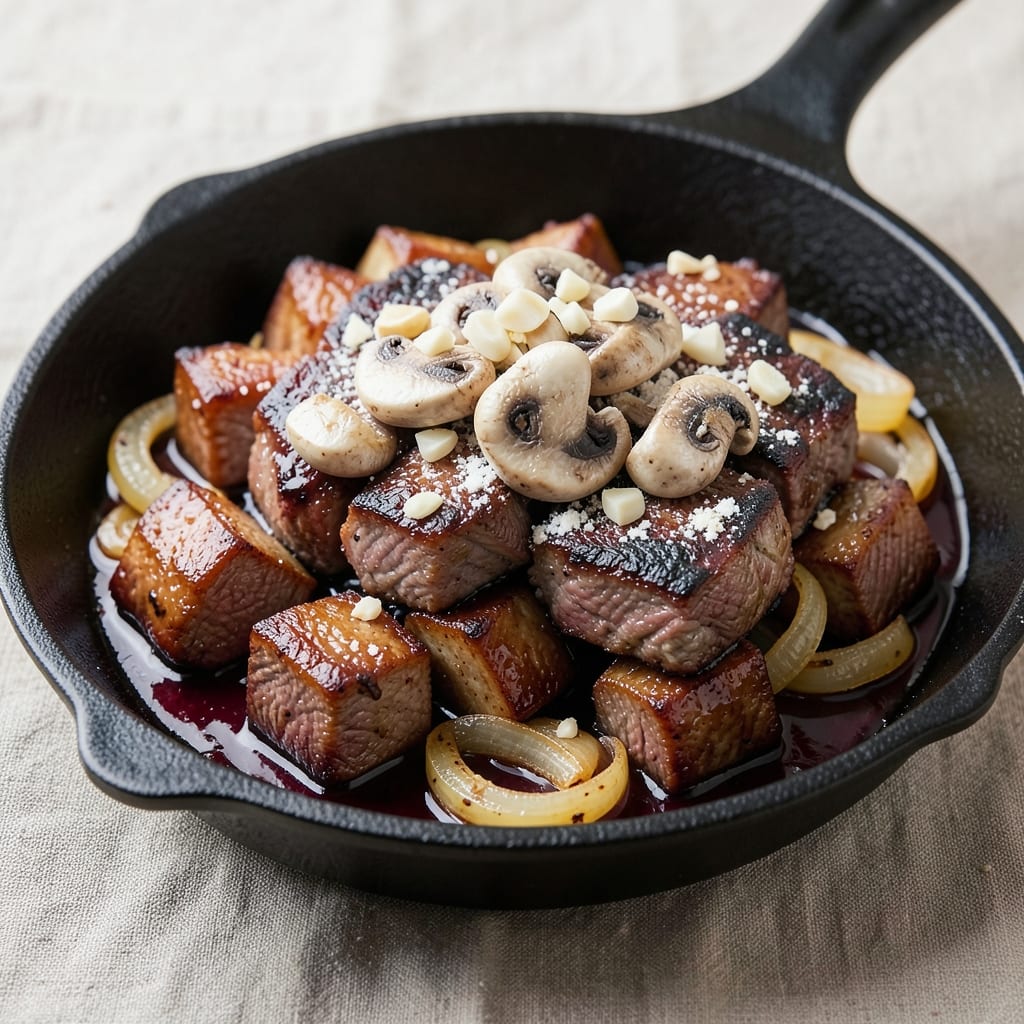
This beef Beaujolais recipe transforms tough beef into melt-in-your-mouth perfection using the earthy depth of red wine. The slow braising process creates rich, tender meat with a sauce so flavorful it'll have everyone asking for seconds. I've perfected this technique through years of testing, ensuring every bite delivers that restaurant-quality satisfaction you crave.
The secret lies in marinating the beef overnight, allowing the wine and aromatics to penetrate deeply before the slow braise. This method guarantees tender results without requiring expensive cuts—simply choose beef chuck or round roast for the best value. The 3-hour cooking time might seem long, but it transforms tough meat into something so tender it practically falls apart.
What you'll end up with is a dish that's elegant enough for dinner parties but simple enough for weeknights. The beef comes out fork-tender, coated in a velvety red wine sauce that's rich with caramelized onions, mushrooms, and herbs. Each bite delivers layers of flavor that balance the wine's earthiness with savory meat and subtle sweetness.
Serve with creamy mashed potatoes or crusty bread to soak up every last bit of that luxurious sauce. The aromas alone will have your kitchen smelling like a Parisian bistro, and the results will impress even the most discerning guests. Here's how to create this French-inspired classic at home.
Ingredients for beef beaujolais
Wine, beef, and slow cooking—just these ingredients transform tough cuts into restaurant-worthy tenderness.
| Ingredient | Amount | Notes |
|---|---|---|
| Beef Chuck Roast 🥩 | 2 lb | Cut into 1.5-inch cubes |
| Dry Red Wine 🍷 | 1 ½ cups | Bold Beaujolais or Cabernet |
| Yellow Onions 🧅 | 2 whole | Thinly sliced, about 2 cups |
| Creamy Mushrooms 🍄 | 8 oz | Sliced, cremini or white |
| Fresh Garlic Cloves 🧄 | 4 cloves | Minced, for depth |
| All-Purpose Flour 🌾 | 2 tbsp | For thickening sauce |
| Beef Broth 💧 | 1 cup | Low-sodium preferred |
| Fresh Thyme 🌿 | 2 sprigs | Or 1 tsp dried thyme |
| Fresh Rosemary 🌿 | 1 sprig | For herbal aroma |
| Olive Oil 🫒 | 2 tbsp | For searing beef |
| Kosher Salt 🧂 | 1 ½ tsp | Diamond Crystal preferred |
| Freshly Ground Black Pepper 🌶️ | ½ tsp | For seasoning |
| Tomato Paste 🍅 | 1 tbsp | For richness |
| Bay Leaves 🍃 | 2 whole | For subtle flavor |
The beef is everything here. Chuck roast delivers that melt-in-your-mouth texture when braised properly—sirloin or ribeye won't cut it. Most grocery stores carry pre-cubed chuck in the meat department, but if you're buying a whole roast, ask the butcher to cut it into 1.5-inch cubes. For the wine, Beaujolais is ideal—its earthy notes complement the beef perfectly, but Cabernet Sauvignon works too if that's what you've got. The key is using a dry red, not sweet. If you're feeling fancy, grab a bottle from Trader Joe's—their French reds are consistently good without breaking the bank.
No red wine? Beef broth with 1 tbsp balsamic vinegar mimics the depth. Fresh thyme and rosemary are non-negotiable for that French bistro aroma, but dried works at one-third the amount. The tomato paste might seem like overkill, but that 1 tbsp adds a subtle sweetness that balances the wine's acidity. Mushrooms can be swapped for cremini or white mushrooms—just slice them evenly so they cook at the same rate. For the onions, yellow or pearl onions both work, but yellow gives that classic caramelized sweetness. If you're short on time, frozen mushrooms thawed and drained work perfectly fine—no one will know the difference.
This dish tastes even better the next day, so make extra if you can. The braised beef keeps 4-5 days in the fridge, and the sauce freezes beautifully for up to 3 months. I always portion the beef into individual containers with some sauce—perfect for quick lunches. For reheating, low heat is key. Microwave in 30-second bursts with a splash of water to keep the sauce from getting rubbery. The aromas alone will have your house smelling like a Parisian bistro, so save this for when you want to impress—or just treat yourself to a fancy dinner at home.
Why You'll Love This Recipe
- One-Pot Magic: The beef, wine, and mushrooms all braise together—no extra pans, no stress. Just slice the onions, dump in the ingredients, and let the slow cooker or oven do the work while you sip that same Beaujolais you’re cooking with.
- Wine-Infused Richness: That dry red wine doesn’t just cook the beef—it tenderizes it and leaves behind layers of deep, earthy flavor. The mushrooms soak it up like a sponge, and the garlic? Oh, it’s the secret weapon turning this into something you’d pay double for at a restaurant.
- Weeknight to Dinner Party: Throw it together on a Tuesday for a meal that feels fancy without the fuss. Or double the batch and serve it at your next gathering—everyone will think you slaved for hours (your secret’s safe with me).
- Budget-Friendly Luxury: A chuck roast stretches further than you’d think, and a bottle of Beaujolais costs less than takeout. The leftovers? Even better the next day, reheated with a splash of red wine to keep it luscious. (Yes, even my picky teens ask for seconds.)
Step-by-step instructions for wine-braised beef with red wine depth
Here's how to transform tough chuck roast into melt-in-your-mouth beef using just red wine and patience.
Sear the Beef Chuck Roast for Maximum Flavor
Heat a large Dutch oven over medium-high heat until hot. Add the 2 tablespoons olive oil and swirl to coat the bottom evenly. Working in batches if needed, add the 2 lb Beef Chuck Roast cut into 1.5-inch cubes, arranging them in a single layer without overcrowding.
Sear undisturbed for 2-3 minutes per side until deeply browned—this creates the Maillard reaction that builds rich, caramelized flavors. I press down gently on the cubes during the first minute to prevent them from curling and ensure even contact with the pan. Once browned, transfer the beef to a plate and set aside.
Build the Aromatic Base with Onions and Mushrooms
In the same Dutch oven, add the 2 whole Yellow Onions sliced thinly and the 8 oz Creamy Mushrooms sliced. Cook over medium heat for 5-6 minutes until the onions soften and the mushrooms release their moisture, then evaporate it completely. This step develops the sweet, earthy foundation of your sauce.
Add the 4 cloves Fresh Garlic Cloves minced and the 1 tbsp Tomato Paste, stirring to coat everything in the paste. Cook for 1 minute until fragrant—this prevents the garlic from burning while adding depth. Sprinkle with 1.5 tsp Kosher Salt and 0.5 tsp Freshly Ground Black Pepper, stirring to combine.
Deglaze with Red Wine and Thicken the Sauce
Pour in the 1.5 cups Dry Red Wine and scrape up all the browned bits from the bottom of the pan using a wooden spoon. This deglazing step captures all the concentrated beef flavor that would otherwise be lost. Let the wine simmer for 3-4 minutes until reduced by half, until it coats the back of a spoon.
Sprinkle the 2 tbsp All-Purpose Flour over the mixture and stir vigorously for 1 minute to cook off the raw flour taste. Slowly pour in the 1 cup Beef Broth while whisking continuously to prevent lumps from forming. Add the 2 sprigs Fresh Thyme and 1 sprig Fresh Rosemary, along with the 2 whole Bay Leaves, then return the beef to the pot.
Braise Until Fork-Tender and Flavorful
Bring the liquid to a gentle simmer, then reduce heat to low. Cover the Dutch oven and let it cook for 2.5-3 hours until the beef is fork-tender and the sauce has thickened. The beef should pull apart easily with minimal resistance, and the sauce should coat the back of a spoon smoothly.
Check the beef after 2 hours—if the sauce reduces too quickly, add 2-3 tablespoons of water or broth to maintain moisture. The key is low and slow cooking that transforms tough chuck into melt-in-your-mouth beef. Remove the thyme and rosemary sprigs before serving, as they can be bitter when overcooked.
Adjust Consistency and Serve Warm
Once the beef is tender, taste the sauce and adjust seasoning if needed. If it's too thick, whisk in 1-2 tablespoons of water or beef broth to reach your desired consistency. The sauce should cling to the beef beautifully, creating a rich, velvety coating with every bite.
Serve the beef Beaujolais immediately over mashed potatoes, polenta, or crusty bread, ensuring each serving gets a generous ladle of that wine-infused sauce. The beef should be juicy, tender, and bursting with the deep, earthy flavors of the red wine and aromatic herbs. Each bite delivers a perfect balance of richness and acidity that makes this dish unforgettable.
Pro Tips For Making Beef Beaujolais
- SEAR THE ROAST FIRST: I used to skip this step, thinking the wine would handle it—but that’s how you end up with a bland center. Hit the chuck roast with a screaming-hot pan for 3-4 minutes per side until it’s deep brown. The crust locks in flavor when you deglaze with wine, not just moisture.
- SLICE ONIONS THICK: Thin slices disappear into the sauce and turn mushy. Cut yellow onions into ½-inch thick rounds so they hold shape and caramelize properly. They’ll soften but still add texture—like little flavor bombs in every bite.
- DEGLAZE WITH WINE, NOT WATER: That’s the rule. After searing, pour in the Beaujolais and let it bubble hard for 2 minutes. The alcohol burns off, concentrating the flavor, while water just dilutes everything. (Yes, even if you’re tempted to skip the wine—don’t.)
- REST THE MUSHROOMS IN SALT: Toss sliced mushrooms with 1 teaspoon of salt and let them sit for 10 minutes before cooking. This draws out moisture so they brown beautifully instead of steaming into a sad, watery pile. Rinse after resting to remove excess salt—cleaner sauce, better texture.
Wine and beer pairings for this beef beaujolais
Beaujolais Wine
The star of this dish is Beaujolais—specifically a Gamay-based red from the Beaujolais region of France. Its earthy, fruity notes (think raspberry, black cherry, and subtle violet) complement the beef's richness without overpowering it. For the best results, use a dry Beaujolais (like Beaujolais Villages or Fleurie)—avoid the sweeter Beaujolais Nouveau. I always keep a bottle of Trader Joe's Beaujolais on hand; it's affordable and consistently delivers that perfect balance of acidity and fruitiness. 🍷
Cabernet Sauvignon
No Beaujolais? No problem. A bold Cabernet Sauvignon (like California or Chilean) works beautifully, especially if you want deeper tannins and blackcurrant flavors. The key is to choose a dry red with moderate tannins—something like Louis M. Martini Cabernet or Concha y Toro Casillero del Diablo. The wine's structure holds up well during the long braise, infusing the beef with its signature dark fruit notes. If your Cabernet is particularly tannic, add 1 tsp sugar to the sauce at the end to soften the edges.
Pinot Noir
For a lighter, more elegant twist, Pinot Noir (such as Oregon Willamette Valley or Burgundy) adds a silky texture and red fruit undertones that pair wonderfully with the mushrooms and thyme. Look for a Pinot with good acidity—something like La Crema Sonoma Coast Pinot Noir. The wine's lower tannins make it ideal for those who prefer a softer, more approachable beef dish. Serve it with buttery mashed potatoes to highlight its delicate flavors.
Beer Pairings
If wine isn't your thing, a dark Belgian ale or amber ale can work surprisingly well. Try a Duvel (Belgian strong ale) or Allagash Amber Ale—their malty sweetness and caramel notes mirror the caramelized onions in the dish. For a hoppier option, a German Dunkel (like Weihenstephaner Dunkel) adds a bitter contrast that cuts through the richness. Just avoid IPAs; their harsh bitterness can clash with the wine-infused sauce. 🍺
Non-Alcoholic Options
For a mocktail pairing, mix 1 cup cranberry juice with ½ cup ginger ale and a squeeze of lemon—the tartness mimics the wine's acidity. Alternatively, a sparkling grape juice (like Martinelli's Sparkling) adds bubbles that cleanse the palate between bites. If you're serving this to kids or non-drinkers, a chilled hibiscus tea (with a touch of honey) provides a bright, floral contrast that works surprisingly well with the earthy beef and mushrooms.
Nutrition facts
Frequently asked questions
Can I use a different cut of beef than chuck roast?
While chuck roast is ideal for its tenderness when braised, you can use round roast or stew beef as substitutes. These cuts work well because they're well-marbled and break down during slow cooking. Avoid leaner cuts like sirloin or ribeye, as they won't become tender enough. If you must use a leaner cut, marinate it for 24 hours in the wine mixture beforehand to help tenderize it.
What if I don't have Beaujolais wine?
Don't worry—this recipe is flexible! Use any dry red wine like Cabernet Sauvignon or Pinot Noir for similar results. Avoid sweet wines or whites, as they won't provide the right depth of flavor. For a non-alcoholic version, substitute with 1.5 cups beef broth + 1 tbsp balsamic vinegar to mimic the wine's acidity and richness.
How do I know when the beef is fully tender?
The beef is done when it's fork-tender—meaning it should easily pull apart with minimal resistance. Test a piece after 2 hours of cooking. If it's still slightly chewy, return it to the pot for another 30-60 minutes. The internal temperature should reach 203°F for maximum tenderness. If the sauce reduces too quickly, add 2-3 tablespoons of broth or water to keep it moist.
Can I make this recipe in a slow cooker?
Sear the beef first in a skillet, then transfer it to the slow cooker with all the aromatics. Add the wine, broth, and herbs, then cook on low for 6-8 hours or high for 3-4 hours. The slow cooker's gentle heat ensures the beef becomes tender without drying out. Just stir occasionally and add a splash of broth if the sauce gets too thick.
What's the best way to reheat leftovers?
Reheat leftovers gently to avoid drying out the beef. Place portions in a skillet with 1-2 tablespoons of beef broth and warm over low heat for 5-10 minutes, stirring occasionally. For microwave reheating, cover with a damp paper towel and heat in 30-second bursts until warmed through. Never reheat to a boil, as this can make the sauce rubbery.