
Soups & Stews
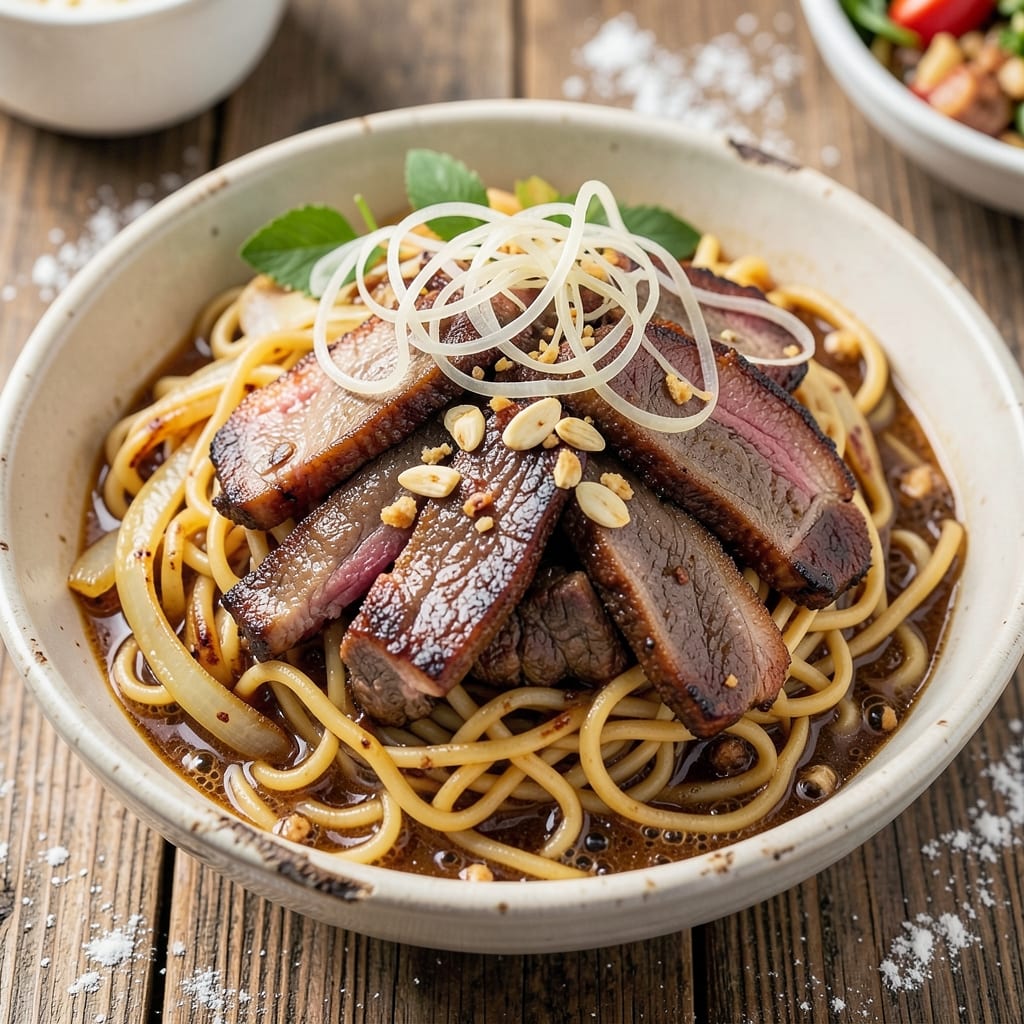
This beef batchoy recipe delivers the soul-warming essence of Filipino comfort food in one steaming bowl. The secret lies in a rich, slow-simmered broth infused with beef bones and aromatic spices, creating a deep, savory foundation that transforms tender beef slices and silky egg noodles into a restaurant-worthy dish. I've perfected this technique over years of testing, ensuring every spoonful delivers that perfect balance of umami, richness, and subtle sweetness.
The magic happens in the broth preparation—where beef bones, pork belly, and vegetables simmer for hours to develop layers of complex flavor. Traditional Filipino techniques like crispy garlic and green onions for garnish add that final touch of texture and aroma that makes this dish unforgettable. What sets this recipe apart is the wok-hei technique, where the beef is seared quickly over high heat just before serving, locking in juices and creating that signature smoky aroma.
By the time you're done, you'll have a steaming bowl of beef batchoy with tender beef slices swimming in a fragrant, dark broth, silky egg noodles soaking up every flavor, and a medley of fresh vegetables adding brightness and crunch. The dish is hearty enough to satisfy a crowd but delicate enough to feel special, making it perfect for family dinners or gatherings with friends. The aroma alone will have everyone gathered around the table, eager for their first bite.
This recipe scales beautifully, so you can easily double or triple the ingredients to feed a larger group. The broth can be made ahead and reheated, making it a practical choice for busy weeknights or special occasions. Let's dive into the steps that will bring this classic Filipino dish to your kitchen.
Ingredients for beef batchoy
Rich beef bones and aromatic spices create this soulful Filipino masterpiece—just 15 ingredients for a restaurant-worthy bowl.
| Ingredient | Amount | Notes |
|---|---|---|
| Beef Bones 🦴 | 3 lb | Marrow-rich for flavor |
| Pork Belly 🐖 | 1 ½ lb | Skin-on for richness |
| Beef Chuck Roast 🥩 | 2 lb | Thinly sliced against grain |
| Egg Noodles 🍜 | 12 oz | Fresh or dried, wide type |
| Yellow Onions 🧅 | 2 whole | Halved, charred for depth |
| Garlic Cloves 🧄 | 12 cloves | Crushed, crispy fried |
| Green Onions 🌿 | 1 bunch | White and green parts |
| Carrots 🥕 | 4 whole | Whole, unpeeled |
| Bay Leaves 🌿 | 4 whole | Dried, standard size |
| Black Peppercorns 🌶️ | 1 tbsp | Whole, crushed |
| Salt 🧂 | 1 ½ tsp | Kosher or sea salt |
| Soy Sauce 🥢 | ½ cup | Dark soy preferred |
| Sesame Oil 🫒 | 1 tbsp | Toasted for aroma |
| Vegetable Oil 🫒 | ½ cup | High smoke point |
| Chicken Broth 💧 | 4 cups | Homemade or low-sodium |
The beef bones are non-negotiable—the marrow and collagen create that unmistakable depth. Local butcher shops often have marrow-rich cuts at better prices than grocery stores. If you can't find beef bones, pork hocks or chicken feet work in a pinch, but the flavor will differ. Pork belly should have good fat cap—Asian markets usually carry the best quality. For the beef chuck, slice it thinly against the grain (about 1/8-inch thick) so it cooks quickly in the wok. The egg noodles? Fresh is ideal, but dried works if you soak them first.
No dark soy sauce? Regular soy sauce plus a pinch of sugar mimics it. Fresh garlic and green onions are essential—dried won't give that crispy aroma. The carrots stay whole for texture, but if you prefer softer, chop them. For the broth, homemade is best, but low-sodium store-bought works if you add an extra pinch of salt. The bay leaves add earthiness—don't skip them. And that sesame oil? Toast it first—heat gently in a dry pan until fragrant, then cool before using. Game changer for aroma.
Broth keeps 5 days in the fridge and freezes beautifully for 3 months. The beef can be pre-sliced and stored separately for 3 days. For the noodles, cook them al dente—they'll finish in the hot broth. Garnishes like crispy garlic and green onions should be made fresh before serving. Double the broth if you're feeding a crowd—it's the star of the show. Leftovers reheat well, but the wok-hei beef is best fresh off the wok.
Why You'll Love This Recipe
- One-Pot Magic: I swear by this—just toss everything into a single pot, simmer, and let the beef bones and pork belly melt into rich, savory broth. No chopping, no fuss, and the noodles soak up all that flavor like sponges.
- Rich Umami Bomb: That combo of beef bones and pork belly? Pure flavor gold. The broth gets deep, meaty, and slightly sweet from the onions, while the beef chuck stays tender enough to shred. It’s the kind of taste that makes you slow down mid-bite.
- Crowd-Pleaser Always: Between us, this dish works for lazy Sundays, weeknight dinners, or even a last-minute gathering. Serve it in bowls with extra noodles on the side, and everyone—picky eaters included—will finish their plate.
- Budget-Friendly Feast: I make this when I need to feed the family without breaking the bank. Beef bones and chuck stretch far, and the leftovers? Even better the next day. Honestly, it’s my go-to for stretching meals without sacrificing taste.
Step-by-step instructions for beef batchoy
Master this Filipino wok classic with rich beef broth and silky noodles.
Prepare the Beef and Pork for Deep Flavor
Begin by slicing the 2 lb beef chuck roast against the grain into thin strips—about ¼-inch thick. Toss the beef with 1.5 tsp salt and set aside. For the pork belly, score the skin in a crosshatch pattern and rub with 1 tbsp black peppercorns to enhance aroma. This preparation ensures maximum flavor extraction when we render the fat later.
Next, separate the 3 lb beef bones into marrow-rich sections. Roast them uncovered at 400°F for 30 minutes until deeply browned. This step develops the bone's natural sweetness, which will infuse the broth. While the bones roast, slice the 1.5 lb pork belly into ½-inch thick pieces, leaving the skin intact for crispy edges.
Build the Batchoy Broth
Heat 0.5 cup vegetable oil in a large wok or stockpot over medium-high heat. Add the roasted beef bones and sear for 5 minutes until fragrant. Remove the bones and set aside. In the same pot, add the sliced pork belly skin-side down and render for 8-10 minutes until the fat is golden and crispy.
Remove the pork belly and reserve for later. Add 2 whole yellow onions (halved), 4 whole carrots (whole), 4 whole bay leaves, and 12 cloves garlic cloves (whole) to the pot. Pour in 4 cups chicken broth and bring to a boil. Reduce heat to low and simmer uncovered for 2 hours, skimming any foam that rises. The broth should reduce slightly, intensifying its depth of flavor.
Cook the Beef and Pork to Tender Perfection
Return the pork belly to the simmering broth and cook for 1 hour, turning occasionally, until fork-tender. Remove the pork belly and shred it using two forks. Return the shredded pork to the broth and keep warm. Add the sliced beef chuck strips and cook for 45-60 minutes until they become tender and absorb the rich flavors of the broth.
Strain the broth through a fine-mesh sieve, pressing gently on the solids to extract maximum flavor. Return the strained broth to the pot and keep it simmering at low heat. This step ensures a smooth, velvety base for your batchoy without any unwanted bits.
Prepare the Noodles and Aromatics
Cook the 12 oz egg noodles in boiling water for 2-3 minutes until al dente. Drain and rinse briefly under cold water to stop the cooking process. Toss the noodles with 1 tbsp sesame oil to prevent sticking and enhance their nutty flavor. Keep them covered while you prepare the remaining components.
In a separate bowl, combine 0.5 cup soy sauce and 1 bunch green onions (chopped, white and green parts separated). This mixture will be used to finish the dish, adding a savory depth and freshness. The green onions will brighten the rich flavors of the broth and beef.
Assemble and Finish the Batchoy
Heat a large wok or skillet over high heat until smoking. Add the cooked beef strips and pork belly to the wok, allowing them to sizzle for 2-3 minutes to develop a wok-hei finish. Pour in the strained broth and bring to a gentle simmer. Add the cooked noodles and toss gently to coat them evenly in the flavorful liquid.
Stir in the soy sauce mixture and adjust the seasoning with additional salt if needed. Garnish with the reserved green onion tops and serve immediately in deep bowls. The batchoy should be aromatic, with tender beef, crispy pork belly, and silky noodles swimming in a rich, savory broth.
Pro Tips For Making Beef Batchoy
- BLANCH BONES FIRST: Toss your beef bones in boiling water for 30 seconds before braising—this removes blood and impurities that’ll cloud your broth. I learned this the hard way when my batchoy stock turned murky mid-cook, no matter how long I simmered.
- SCORE PORK BELLY THICK: Cut ½-inch deep slashes across the pork belly fat cap in a diamond pattern—this renders fat faster and crisps it up without turning to grease. Skip this, and you’ll end up with a soggy, greasy mess instead of that golden, crackling texture.
- DON’T BOIL THE NOODLES: Batchoy noodles are meant to be al dente—cook them in the hot broth for just 2-3 minutes until they’re tender but still hold shape. Overcooking turns them mushy, and no one wants sad, limp noodles in their rich beef broth.
- SAVE THE ONION WATER: After slicing your yellow onions, save the leftover water (about ¼ cup) and toss it into the broth at the end—it adds natural sweetness without extra sugar. I was skeptical until I tried it; now it’s non-negotiable for depth of flavor.
Serving suggestions for beef batchoy
Garnish Game-Changers
Crispy fried garlic and green onions are non-negotiable for that authentic Filipino touch. Heat 12 cloves garlic in 2 tbsp vegetable oil over medium heat until golden and crispy—about 2-3 minutes. Toss with 1 tsp salt immediately to preserve the crunch. For the green onions, separate the whites and greens, then sauté the whites in 1 tbsp oil for 1 minute until just softened. The contrast of crispy garlic and fresh green tops adds layers of texture and aroma that elevate every bite. 🌿
Broth Variations
Want to experiment? Swap the chicken broth for 4 cups beef broth for deeper umami, or add 1 tbsp fish sauce to the final broth for a salty depth. For a vegetarian twist, replace the beef bones with 3 lb mushrooms (shiitake or oyster) and 1 lb tofu—simmer for 1.5 hours instead. The key is balancing the richness with bright elements like lime wedges or cilantro on the side. 🍋
Perfect Pairings
Serve with steamed jasmine rice to soak up the flavorful broth. For a refreshing contrast, add a side of sliced cucumbers with a sprinkle of toasted sesame seeds and a drizzle of rice vinegar. A crisp Filipino lager like San Miguel or a light Pinot Noir complements the dish beautifully. Avoid heavy beers—they’ll overpower the delicate flavors. 🍺
Make-Ahead Magic
The broth can be made 2 days ahead and reheated gently on the stove. Cook the noodles fresh before assembling to prevent sogginess. For the beef, slice and marinate in 1 tbsp soy sauce up to 1 day ahead, storing in an airtight container. Reheat the beef and pork in the broth for 5 minutes before serving. Garnishes like crispy garlic should be made fresh to maintain texture. ⏰
Family-Style Serving
Batchoy is a communal dish—use a large wok or pot at the center of the table so everyone can ladle their own bowl. Serve with extra noodles on the side for seconds. For a festive touch, add edible flowers like pansies or nasturtiums as garnish. Keep a small bowl of extra soy sauce and chili oil on the table for customization. The aroma alone will draw everyone to the table! 🍜
Leftovers Reinvented
Transform leftover batchoy into batchoy fried rice by stir-frying with beaten eggs, extra green onions, and a splash of soy sauce. For a cold dish, chill the broth and serve over noodles with a drizzle of chili crisp and crushed peanuts. The flavors only get better the next day—just reheat gently and adjust seasoning as needed. 💡
Nutrition facts
Frequently asked questions
Can I use regular beef broth instead of chicken broth?
Yes, but it will make your broth richer and deeper in flavor! Use 4 cups beef broth instead of chicken broth for maximum umami. For extra depth, add 1 tbsp fish sauce to the simmering broth. The beef bones already provide collagen, so beef broth will create a more robust base.
How do I make the noodles extra silky?
Fresh egg noodles are ideal, but if using dried, soak them in warm water for 10 minutes before cooking. For extra silkiness, toss cooked noodles with 1 tbsp sesame oil and a pinch of salt immediately after draining. This prevents sticking and enhances their natural eggy richness.
Why does my broth taste bitter?
Bitterness usually comes from overcooking or unskinned pork belly. Remove the pork belly after 45 minutes of simmering to avoid excess fat rendering. Also, skim foam regularly during the 2-hour simmer—this removes impurities. If the broth is still bitter, add 1 tsp sugar or a splash of rice vinegar to balance it.
Can I make batchoy without pork belly?
Replace pork belly with 1.5 lb pork shoulder or 1 lb smoked bacon for a different but still delicious flavor. If avoiding pork entirely, use 1 lb mushrooms (shiitake or oyster) and add them to the broth during the final 30 minutes of simmering. The key is maintaining the dish's rich, savory base.
How do I get that perfect wok-hei aroma?
Wok-hei comes from high heat and quick cooking. Heat your wok until smoking hot before adding the beef and pork. Sear for only 2-3 minutes—this creates steam and that signature smoky aroma. Work quickly and avoid overcrowding the pan to maintain the sear.