
Soups & Stews
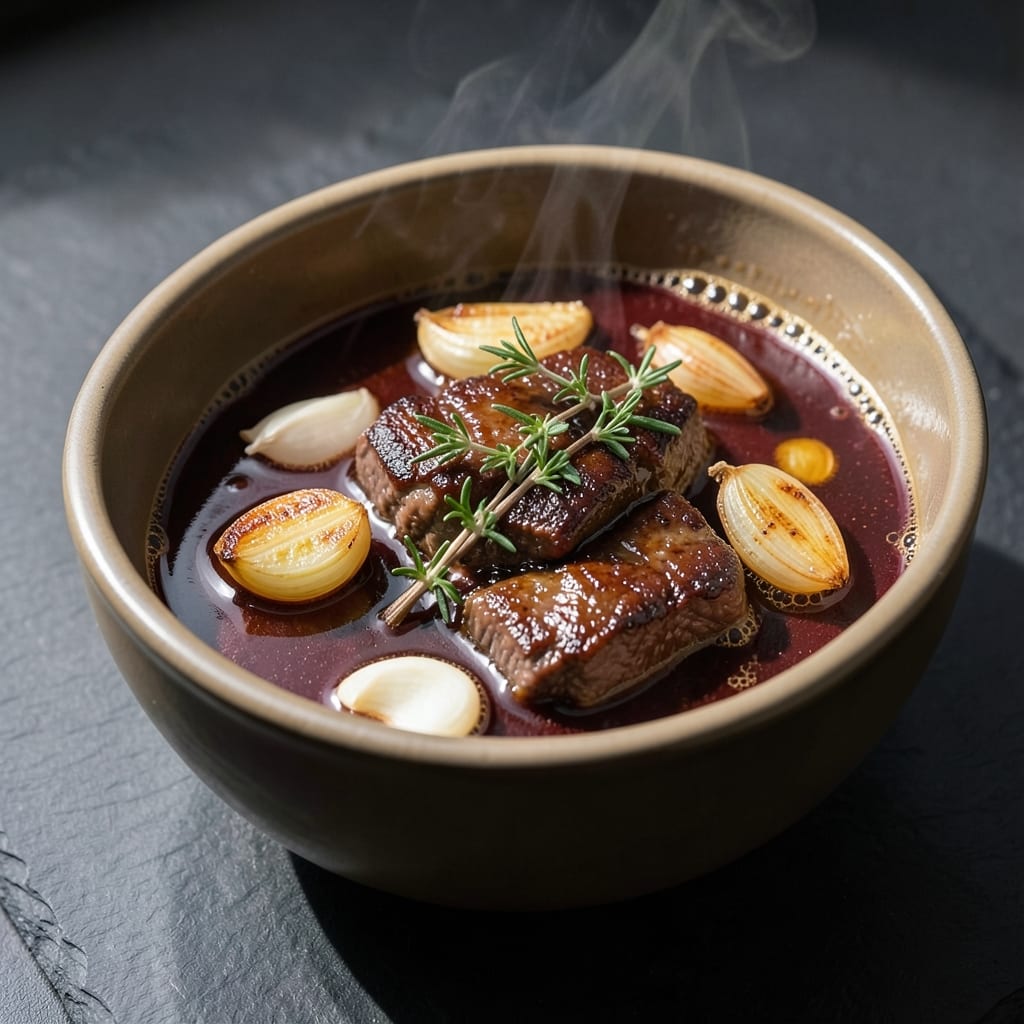
This beef base au jus recipe transforms simple pan drippings into a velvety, umami-rich sauce that elevates any protein dish. The secret lies in deglazing browned bits with wine, then reducing with stock and aromatics until silky—no heavy cream needed. I developed this method after years of restaurant-style cooking, where a proper au jus turns ordinary roasts into showstopping meals.
The process is straightforward but precise: deglaze the pan with wine to capture flavor, reduce with beef stock, and finish with shallots, garlic, and thyme for depth. Straining ensures a smooth texture, while a final touch of butter adds richness. This sauce works equally well with beef drippings from a roast or homemade stock, making it versatile for any kitchen.
What you’ll end up with is a deep, savory sauce that clings to meat like a second skin, amplifying every bite. The aroma alone—warm, caramelized, and herby—will have everyone at the table asking for seconds. It’s the kind of sauce that turns a simple protein into a restaurant-worthy experience without the fuss.
Perfect for drizzling over steaks, roasted meats, or even mashed potatoes, this au jus keeps well in the fridge for up to 5 days. The technique is foolproof, but the results are anything but ordinary. Let’s get started on making this professional-quality sauce at home.
Ingredients for beef base au jus
Six aromatic ingredients transform humble beef drippings into a velvety, umami-rich sauce worthy of fine dining.
| Ingredient | Amount | Notes |
|---|---|---|
| Beef Drippings or Pan Juices 🥩 | 2 cups | From roasted beef or seared steak |
| Dry Red Wine 🍷 | ½ cup | Cabernet Sauvignon or Merlot preferred |
| Beef Stock 🍲 | 1 ½ cups | Homemade or high-quality store-bought |
| Shallots 🧅 | 2 whole | Minced finely for depth |
| Garlic Cloves 🧄 | 4 cloves | Minced for aromatic base |
| Fresh Thyme Leaves 🌿 | 1 tbsp | Or 1 tsp dried thyme |
| Unsalted Butter 🧈 | 2 tbsp | Cold, cut into small pieces |
| Diamond Crystal Kosher Salt 🧂 | ½ tsp | Adjust to taste |
| Black Peppercorns 🌶️ | ¼ tsp | Freshly cracked |
| Cold Water 💧 | ¼ cup | For thinning if needed |
The foundation begins with beef drippings—never skip scraping the browned bits from the pan, as they carry the deepest flavor. For optimal results, use homemade beef stock (or Kirkland Signature if store-bought), as lower-quality versions can make the sauce taste flat. Shallots should be finely minced—almost paste-like—since they cook quickly and add subtle sweetness. Garlic cloves should be peeled and left whole until just before adding to prevent bitterness. Fresh thyme is ideal, but McCormick's dried thyme works in a pinch at one-third the amount. Whole peppercorns should be cracked with a mortar and pestle or a heavy spoon for maximum aroma.
No red wine? Dry sherry or beef broth can substitute, though wine's acidity helps balance richness. Vegetable stock can replace beef stock for a lighter version, though the umami depth will differ. Cold butter should be added at the end—never melted—to create a silky emulsion. If the sauce thickens too much, cold water can thin it gradually. For extra depth, a splash of Worcestershire sauce (ensure it's vegan if needed) can be added at the finish. Store-bought pan drippings work, but homemade always tastes superior due to concentrated flavors.
This au jus reaches peak flavor after 2-3 days in the fridge, as the flavors meld. Store in an airtight container with a thin layer of butter or oil on top to preserve freshness for up to 5 days. For longer storage, freeze in ice cube trays—each cube makes a perfect single-serving drizzle. Reheat gently on the stove, stirring constantly to prevent separation. Never boil—simmer just until warmed through to maintain its velvety texture.
Why You'll Love This Recipe
- Uses What’s Already There: I swear by this trick—no extra shopping needed. Just let those leftover drippings from your roast or seared steak do the heavy lifting. Sauté shallots and garlic in that golden pan juice, deglaze with wine, and boom: restaurant-quality base with zero waste.
- Deep, Rich Umami Bomb: That first sip? Chef’s kiss. The wine cuts through the richness while the beef stock and caramelized shallots build layers of savory depth. It’s the kind of sauce that makes you slow down mid-bite—no artificial shortcuts, just pure, honest flavor.
- Leftovers That Don’t Suck: Store it in the fridge for up to a week, and it only gets better. Thin it with a splash of water for quick pan sauces, or freeze it in ice cube trays to toss into future meals. Honestly, I’ve used it to revive dry roasts and turn bland proteins into something special.
- Weeknight Hero Sauce: Ten minutes, one pot, zero fuss. Perfect for when you’re too tired to fuss but still want to impress. Drizzle it over grilled steaks, toss with mashed potatoes, or even use it as a dipping sauce for crusty bread. (Yes, even on a Tuesday night.)
Step-by-step instructions for beef base au jus recipe
Master this fundamental technique for restaurant-quality pan sauces every time.
Bloom the Aromatics in Beef Drippings
Place a heavy-bottomed saucepan over medium heat and add the 2 cups beef drippings or pan juices. Let them warm gently until small bubbles begin to form around the edges—this indicates the fat is ready to work with. Add the 2 whole shallots and 4 cloves garlic cloves, spreading them evenly across the pan's surface.
Cook the aromatics for 5-6 minutes until they become golden brown and deeply fragrant. This process, called blooming, extracts maximum flavor from the vegetables. Stir occasionally to prevent burning, but don't rush—patience here builds the sauce's depth. You'll know it's perfect when the shallots caramelize slightly and the garlic releases its sweet, pungent aroma.
Deglaze with Wine and Reduce
Pour in the 0.5 cup dry red wine immediately after removing the pan from heat. The wine will sizzle dramatically—this is normal and essential for extracting those browned bits from the pan's surface. Return the pan to medium heat and scrape vigorously with a wooden spoon, working the wine into every corner to lift all the flavorful fond.
Let the mixture simmer for 3-4 minutes until reduced by half and the alcohol has fully evaporated. You'll notice the liquid darkens and thickens slightly, developing a rich, winey aroma. This reduction concentrates the flavors and forms the sauce's foundation. If the mixture seems too thick at this stage, add 1 tablespoon of beef stock to maintain proper consistency.
Build the Base with Stock and Herbs
Add the remaining 1.5 cups beef stock, stirring to combine. Bring to a gentle simmer and add the 1 tbsp fresh thyme leaves, 2 tbsp unsalted butter (cut into small pieces), 0.5 tsp diamond crystal kosher salt, and 0.25 tsp black peppercorns. The butter will melt gradually, creating a velvety texture while adding richness.
Simmer the mixture for 10-12 minutes until it reduces by about 25% and thickens to a syrupy consistency. You're looking for a sauce that coats the back of a spoon but still flows smoothly. Skim off any excess fat that rises to the surface during this time—this ensures a clean, refined finish. The sauce should smell intensely of thyme, garlic, and caramelized shallots, with a deep umami richness from the beef drippings.
Finish and Adjust Seasoning
Remove the pan from heat and let the sauce rest for 2-3 minutes. This brief resting period allows the flavors to meld completely. Taste the sauce and adjust seasoning if needed—add more salt if it tastes bland, or a splash of cold water if it's too thick. The sauce should be balanced, with bright acidity from the wine cutting through the richness of the beef and butter.
For an extra touch of elegance, strain the sauce through a fine-mesh sieve to remove any herb stems or shallot bits. Return it to the pan and keep it warm over low heat until ready to serve. This au jus should be vibrant, glossy, and packed with layers of flavor—perfect for drizzling over roasted meats or using as a base for other sauces.
Pro Tips For Making Beef Base Au Jus
- DEGLAZE HOT, NOT LUKEWARM: The second you pull that beef off the pan, hit the stovetop with high heat—no waiting. Cold drippings turn to grease sludge when you scrape, and you’ll lose flavor. Splash in that wine immediately, then let it bubble for 30 seconds before scraping. I learned this the hard way after making a watery mess that tasted like sad fondue.
- MINCE SHALLOTS FINE: No, "chopped" isn’t enough—this isn’t a salad. Use a knife to smash shallots flat first, then slice into paper-thin half-moons. Or pulse them in a food processor for 2 seconds (don’t overdo it). You want them to dissolve into the sauce, not sit as chunks. My grandmother swore by this, and she was right: the sauce tastes richer when you can’t pick out the veggies.
- SKIP THE BOILING STOCK: Low and slow is the name of the game here. Once you add beef stock, keep the heat at a gentle simmer—never a rolling boil. Boiling turns the sauce cloudy and dulls the wine’s depth. If it’s not bubbling steadily, you’re golden. (Yes, even if you’re impatient like me.) This is the thing that matters most for a clear, glossy finish.
- USE RED WINE YOU’D DRINK: That $3 boxed "cooking wine" is a crime in this dish. Grab a cheap but decent bottle of Cabernet or Merlot, open it, and smell it first. If it smells like vinegar or solvent, don’t use it. A splash of good wine makes the sauce taste like you put in effort—and it actually changes the outcome. I was skeptical until I tried it.
Flavor customization for this beef base au jus
Herb Variations
Swap thyme for rosemary or tarragon to create a completely different flavor profile. For a French-inspired au jus, add 1 sprig fresh rosemary and 1 sprig fresh tarragon along with the thyme. Rosemary brings piney depth, while tarragon adds a subtle licorice note that pairs beautifully with red wine. I love using fresh rosemary from Trader Joe's because it's consistently fragrant and affordable.
For a more complex herb blend, combine 1 tbsp thyme, 1 tsp fresh sage, and ½ tsp fresh marjoram. This trio works exceptionally well with beef and creates a fragrant, earthy aroma. Always use fresh herbs when possible—they release more flavor during cooking. If you must use dried, reduce the amount to ⅓ of the fresh measurement.
Wine Alternatives
No red wine? Try dry sherry or beef broth instead. Sherry adds a nutty, slightly sweet dimension that complements the beef beautifully. Use ½ cup dry sherry and reduce it just like the wine. For a completely alcohol-free version, ½ cup beef broth works well—just add ½ teaspoon balsamic vinegar to mimic the acidity of wine. I've also had great success using dry white wine in a pinch, though it lacks the bold tannins of red.
For a smoky twist, replace the wine with ½ cup beef stock and add 1 teaspoon smoked paprika during the blooming stage. This creates a Texas-style au jus with deep, smoky undertones. The paprika should be added with the aromatics and cooked until fragrant before deglazing. Penzeys brand smoked paprika is my go-to for its consistent quality and rich flavor.
Umami Boosters
Add 1 teaspoon Worcestershire sauce at the end for an extra umami punch. This classic sauce adds depth and complexity that pairs perfectly with beef. For a vegetarian-friendly version, replace Worcestershire with 1 teaspoon soy sauce or 1 teaspoon mushroom powder. Both options provide that savory depth without animal products. I keep Lee Kum Kee soy sauce on hand for its balanced flavor profile.
For a richer, more concentrated umami flavor, add 1 tablespoon fish sauce during the final reduction stage. This works surprisingly well with beef and adds a salty, fermented depth. Use sparingly—just 1 teaspoon is enough to transform the sauce. If you're avoiding fish, 1 tablespoon miso paste (dissolved in the stock) creates a similar effect. White miso from Marukome works beautifully in this application.
Texture Adjustments
For a thicker, more velvety sauce, reduce the stock by an additional 10-15% after adding the butter. This creates a glazed au jus that's perfect for drizzling over roasted vegetables or mashed potatoes. Simply simmer uncovered until the desired consistency is reached. I like to test by spooning a little onto a chilled plate—if it spreads slowly, it's ready.
Need a lighter sauce? Add ¼ cup cold water at the end and gently reheat just until warmed through. This creates a broth-like au jus that's perfect for serving with grilled fish or as a light soup base. The key is to add the water gradually—start with 2 tablespoons, taste, then add more if needed. For extra brightness, finish with 1 teaspoon fresh lemon juice before serving.
Nutrition facts
Frequently asked questions
Can I use store-bought beef bouillon instead of homemade stock?
Yes, but choose a high-quality bouillon cube or powder (like Knox or Better Than Bouillon) for the best flavor. Dissolve 2 cubes in 1.5 cups hot water to mimic the stock's depth. Avoid low-quality bouillon—it can make your sauce taste flat. For extra richness, add 1 teaspoon beef fat or a splash of soy sauce to compensate for the bouillon's artificial notes.
How do I fix a sauce that's too thin or too thick?
For a thin sauce, simmer uncovered for 5-10 minutes to reduce the liquid. Skim excess fat as it rises. If it's still too thin, add 1 teaspoon cornstarch mixed with 1 tablespoon cold water, stir, and cook until thickened. For a thick sauce, whisk in 2 tablespoons cold water or beef stock while stirring constantly over low heat. Never add water directly to hot sauce—it can cause lumps.
Can I make this au jus ahead of time?
This sauce tastes even better the next day as flavors meld. Store in an airtight container in the fridge for up to 5 days. For longer storage, freeze in ice cube trays—each cube makes a perfect single serving. Reheat gently on the stove, stirring constantly to prevent separation. If the sauce thickens too much when reheating, add 1-2 tablespoons cold water and warm through again.
What's the best way to use leftover au jus?
Get creative! Drizzle over roasted potatoes, grilled steak, or seared scallops for instant flavor. Use it as a base for beef stroganoff or meatloaf gravy. For a quick meal, mix with mashed potatoes or pasta. The sauce also freezes beautifully—just thaw and reheat for a restaurant-quality drizzle whenever you need it.
Why does my au jus taste bitter?
Bitterness usually comes from overcooked garlic or shallots. Next time, remove the aromatics 1-2 minutes before the sauce is fully reduced. For an already bitter sauce, balance it with 1 teaspoon lemon juice or ½ teaspoon sugar. Avoid adding more wine—it can intensify the bitterness. If the issue persists, start fresh with a new batch, blooming the aromatics for only 3-4 minutes instead of 5-6.