
Soups & Stews
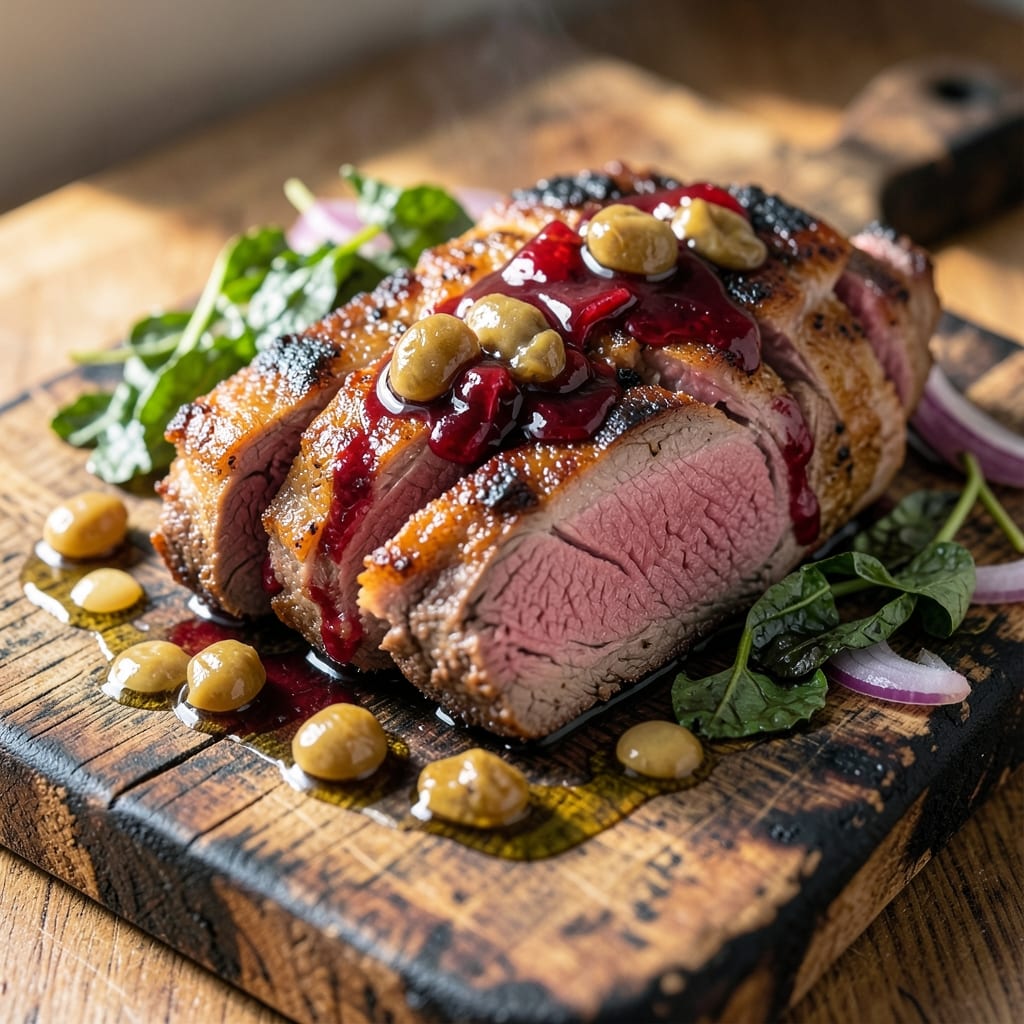
This beef asado Argentina recipe transforms your backyard into Buenos Aires’ legendary parrilla experience—juicy, smoky, and bursting with chimichurri’s bright herbaceousness. 🔥 The secret lies in slow-cooked cuts like vacío or matambre, marinated overnight in garlic, oregano, and red wine vinegar, then grilled over hardwood coals until the crust crackles with caramelized perfection. Every bite delivers melt-in-your-mouth tenderness with a crust so crisp it shatters like glass.
Argentines don’t just grill beef—they celebrate it. The pala (broad-bladed knife) is essential for slicing against the grain, while chimichurri (not sauce, but a salsa cruda) elevates every forkful with parsley, garlic, and olive oil. Serve with provoleta—grilled provolone with oregano—and ensalada rusa, a tangy potato salad, to mirror the full asado spread. The meal isn’t just food; it’s a ritual of fire, laughter, and shared plates.
What sets this apart is the technique: indirect heat for hours, basting with grasa (rendered beef fat), and the patience to let the meat rest before slicing. The result? A centerpiece that commands the table, where even the juices pooling beneath are savored. This isn’t just dinner—it’s a Sunday afternoon in the Pampas, brought to your grill.
Master the asado with confidence: from marinating to the final pala cut, this recipe delivers restaurant-quality tenderness and crust without the fuss of a traditional parrilla. The sides—chimichurri, provoleta, and ensalada—complete the experience, ensuring every bite tells the story of Argentina’s grill culture. Let’s get cooking.
Ingredients for beef asado argentina
Sixteen ingredients transform your grill into an Argentine feast of smoky perfection.
| Ingredient | Amount | Notes |
|---|---|---|
| Vacio Beef Roast 🥩 | 4 lb | Center-cut, 1-1.5 inch thick slices |
| Red Wine Vinegar 🍷 | ½ cup | For marinade, aged 2+ years |
| Garlic Cloves 🧄 | 12 cloves | Fresh, peeled, smashed |
| Dried Oregano 🌿 | 2 tbsp | Argentinian or Mediterranean blend |
| Olive Oil 🫒 | ¾ cup | Extra-virgin, fruity variety |
| Malbec Wine 🍷 | 1 cup | Dry, full-bodied red wine |
| Fresh Parsley 🌿 | 1 cup | Flat-leaf, stems removed |
| Fresh Oregano 🌿 | ½ cup | Argentinian variety preferred |
| Red Bell Pepper 🌶️ | 1 whole | Roasted, skin removed |
| Hardwood Charcoal 🔥 | 4 lb | Quebracho or almond wood |
| Coarse Salt 🧂 | 2 tbsp | Kosher or sea salt |
| Ground Black Pepper 🌶️ | 1 tsp | Freshly cracked |
| Lemon Juice 🍋 | ¼ cup | Freshly squeezed |
| Fresh Red Chili Peppers 🌶️ | 2 whole | Optional, for heat |
The beef selection is non-negotiable for authentic asado. Vacio roast delivers the ideal marbling and tenderness—Costco or specialty butchers carry it pre-sliced, but ask for 1-1.5 inch thick cuts if buying whole. For the marinade, red wine vinegar should be aged two years minimum; Bodega Garzón or La Rioja brands excel. Fresh herbs are critical: Argentinian oregano (found at Latin markets) has a distinct flavor, but Mediterranean works in a pinch. The hardwood charcoal must be quebracho or almond wood—Traeger or Weber sell premium bags, or source from specialty grill shops. Never use lighter fluid; these woods ignite cleanly with a chimney starter.
No Malbec wine? Cabernet Sauvignon or Merlot suffice, but avoid bold Zinfandels. The chimichurri demands fresh parsley and oregano—dried won't cut it. For the roasted red pepper, grill or broil until charred, then peel under running water. Substituting smoked paprika (1 tsp) adds depth if fresh peppers aren't available. The lemon juice should be freshly squeezed; bottled lacks brightness. For heat, Aji amarillo paste (Peruvian) or gochujang works instead of chili peppers. Prep the marinade 24 hours ahead—the acidity tenderizes the beef beautifully.
Store raw beef in its original packaging on the lowest fridge shelf for no more than 3 days. The chimichurri keeps 5 days refrigerated in an airtight jar, submerged in its own oil. Freeze portions for up to 3 months—thaw overnight in the fridge. Charcoal lasts indefinitely; store in a dry place. Reheat slices gently in a skillet with a splash of Malbec to revive that grill aroma. Never microwave—it ruins the texture. Leftovers? Double the marinade and serve with crusty bread for chimichurri sandwiches the next day.
Why You'll Love This Recipe
- Same recipe, endless uses: shred it for tacos on a Tuesday, serve it on a board with crusty bread for guests. The leftovers? Even better cold in sandwiches the next day.
- Foolproof Prep: The vacuum-sealed vacio roast does all the work—just sear, marinate overnight, and throw it in the oven. No fancy carving skills needed; it slices like butter straight from the pan.
- Wine Vinegar Magic: That tangy red wine vinegar? It’s the secret—cuts through the richness while the garlic and oregano build layers of warmth. One bite and you’ll forget how simple the ingredients are.
- Weeknight to Party: Same recipe, endless uses: shred it for tacos on a Tuesday, serve it on a board with crusty bread for guests. The leftovers? Even better cold in sandwiches the next day.
Step-by-step instructions for authentic Argentine beef asado
Master this iconic Argentine grill technique with precise timing and bold flavors.
🔥 Step 1: Prepare the Vacio Roast and Chimichurri Marinade
Pat the 4 lb Vacio Beef Roast completely dry with paper towels—this is non-negotiable for crispy bark. Season aggressively with 2 tbsp Coarse Salt and 1 tsp Ground Black Pepper, pressing the seasoning into all surfaces. The salt should visibly cling to the meat.
In a separate bowl, combine 0.5 cup Red Wine Vinegar, 0.25 cup Lemon Juice, 12 cloves Garlic Cloves (smashed), 0.5 cup Fresh Oregano, 1 cup Fresh Parsley (chopped), and 0.75 cup Olive Oil. Pulse in a food processor until finely chopped but not pasty. This chimichurri marinade should have a vibrant green hue and bright acidity. Let it sit for 30 minutes to meld flavors.
🔥 Step 2: Build the Charcoal Fire and Preheat the Grill
Fill a chimney starter with 4 lb Hardwood Charcoal (Quebracho or almond preferred) and light according to manufacturer's instructions. Once the charcoal turns white and ashy (strongly glowing with no black embers), spread it evenly across a grill or grill pan, creating two heat zones: direct heat on one side and indirect heat on the other.
Preheat the grill to strong heat—you should feel intense heat 6 inches above the grates. The roast will sear first, then move to indirect heat for slow cooking. If using a grill pan, preheat on high heat for 10 minutes until smoking hot.
🍳 Step 3: Sear the Roast and Control the Cook
Place the seasoned roast on the direct heat zone and sear for 8-10 minutes per side until a deep crust forms. You'll see caramelized edges and hear sizzling—this is essential for authentic asado flavor. After searing, move the roast to the indirect heat zone and cover the grill completely.
Add 1 cup Malbec Wine and the roasted Red Bell Pepper (charred and peeled) to the grill grates. The wine will create steam, helping tenderize the meat. Cook for 1.5 hours, basting occasionally with the chimichurri marinade. The internal temperature should reach 130°F for medium-rare—use a meat thermometer for accuracy.
🥘 Step 4: Rest and Serve with Chimichurri
Transfer the roast to a cutting board and tent loosely with foil. Let it rest for 20 minutes—this redistributes juices and ensures tender slices. Slice against the grain into ½-inch thick portions for maximum tenderness.
Serve immediately with the remaining chimichurri spooned generously over each slice. The meat should be juicy with a deep pink center, surrounded by a crisp, caramelized crust. Garnish with 2 whole Fresh Red Chili Peppers (sliced, if using) for an authentic Argentine heat kick.
Pro Tips For Making Beef Asado Argentina
- SEAR THE VACIO FIRST: Get that pan screaming hot—we’re talking smoke-just-starting-to-curl hot—before adding the beef. I learned this the hard way: a lukewarm sear means gray, rubbery crust instead of the deep caramelized bark you want. Pat the roast very dry first, then let it sit uncovered for 10 minutes while you heat the oil. The wait is worth it.
- SLOW THE MARINADE: Mix red wine vinegar, olive oil, garlic, and oregano at least 4 hours ahead—overnight is better. I used to toss it together 30 minutes before cooking, thinking it didn’t matter. Wrong. The vinegar needs time to tenderize the vacio’s tough fibers, and the oregano’s flavor mellows into something richer than the harsh, peppery version you get if you rush it. (Yes, even if you’re impatient like me.)
- DON’T SKIP THE PROBE: Pull the beef off the heat at 115°F (46°C) internal temp, then tent it with foil and let it rest. I’ve sliced into asado only to find it still tough because I trusted my eye instead of a thermometer. The rest is non-negotiable—give it a solid 20 minutes. The meat will climb to 125°F (52°C) while resting, hitting that perfect tira de asado texture.
- USE THE GARLIC SKINS: Save the papery skins from your garlic cloves—toss them into the marinade or directly onto the coals/grill. They’ll add a subtle, smoky depth that store-bought garlic powder can’t match. I was skeptical until I tried it: the asado took on this earthy, almost charred note that made it taste like a proper parrilla, not just another roast. (Your future self will thank you.)
Serving suggestions for leftovers
Chimichurri Essentials
Serve the asado with homemade chimichurri—never bottled. Spoon it generously over each slice, letting the vibrant green sauce cut through the richness. I like to set out small bowls of chimichurri at each place setting, encouraging guests to add as much as they like. The fresh herbs and acidity balance the beef's smokiness perfectly. 🌿
Provoleta Platter
Grilled provolone cheese (provoleta) is a must for any asado spread. Slice 1 lb provolone into ½-inch thick pieces, brush with olive oil, sprinkle with oregano, and grill until bubbly and golden. Serve on a wooden board with crusty bread for dipping. The melted cheese and charred crust make it irresistible. 🧀
Ensalada Rusa
This tangy potato salad (ensalada rusa) is a classic Argentine side. Boil 4 medium potatoes until tender, then slice and mix with ½ cup mayonnaise, 1 tbsp Dijon mustard, 1 tbsp red wine vinegar, ½ cup diced pickles, and ¼ cup chopped hard-boiled eggs. Chill for 1 hour before serving. The creamy texture contrasts beautifully with the smoky beef. 🥔
Wooden Board Presentation
Argentines serve asado on large wooden boards (tablas) for sharing. Use a 12x18-inch board to create a communal centerpiece. Arrange slices of beef, provoleta, and chimichurri in a visually appealing spread. Add grilled red onions (sliced) and roasted peppers for extra color. The rustic presentation adds to the authentic experience. 🪵
Drink Pairings
Serve with Argentinian Malbec or Torrontés white wine. The bold red complements the beef, while the crisp white cuts through the richness. For non-alcoholic options, hibiscus iced tea (cool and refreshing) or Argentinian craft beer (like Quilmes) work well. Keep drinks chilled in a bucket of ice. 🍷
Utensils and Etiquette
Use a pala (broad-bladed knife) to slice the beef against the grain for tenderness. Encourage guests to serve themselves family-style from the wooden board. In Argentina, asado is about sharing—everyone takes turns adding to their plates. The communal experience is just as important as the food. 🔪
Nutrition facts
Frequently asked questions
What cut of beef works best for authentic Argentine asado?
Vacio (flank steak) is the gold standard, but matambre (skirt steak) and entraña (short plate) also shine. These cuts stay tender when grilled low and slow, developing that signature crust. Avoid lean cuts like sirloin—they dry out too easily. For best results, ask your butcher for 1-1.5 inch thick slices.
Can I make asado indoors without a grill?
Use a grill pan on high heat for searing, then transfer to an oven at 275°F for slow cooking. For extra smokiness, add wood chips to the pan or use a smoker box. The key is maintaining indirect heat after searing—just like on a grill. Expect slightly less bark, but the tenderness will still be perfect.
How do I know when the beef is perfectly cooked?
Use a meat thermometer for precision: 130°F for medium-rare (the traditional Argentine preference). The crust should be deep brown and crackly, while the center remains juicy. For extra confidence, press gently—the meat should spring back slowly, not bounce like overcooked beef. Never skip the 20-minute rest before slicing!
What's the deal with chimichurri—is it a sauce or marinade?
It's both! The marinade version (with red wine vinegar) tenderizes the beef, while the serving version (just herbs + oil) is the salsa cruda Argentines spoon over every bite. Pro tip: Make extra marinade—it becomes the perfect chimichurri sauce when thinned with a splash of water. Store any leftovers in an airtight jar submerged in its own oil.
Why does my asado turn out dry?
Overcooking is the #1 culprit—keep internal temps at 130°F max. Other mistakes: not patting the beef dry before seasoning (no crust = no moisture seal), or skipping the rest time (juices escape when sliced too soon). For extra insurance, baste frequently with chimichurri or beef fat during cooking. The secret? Low, slow heat with patience.