
Soups & Stews
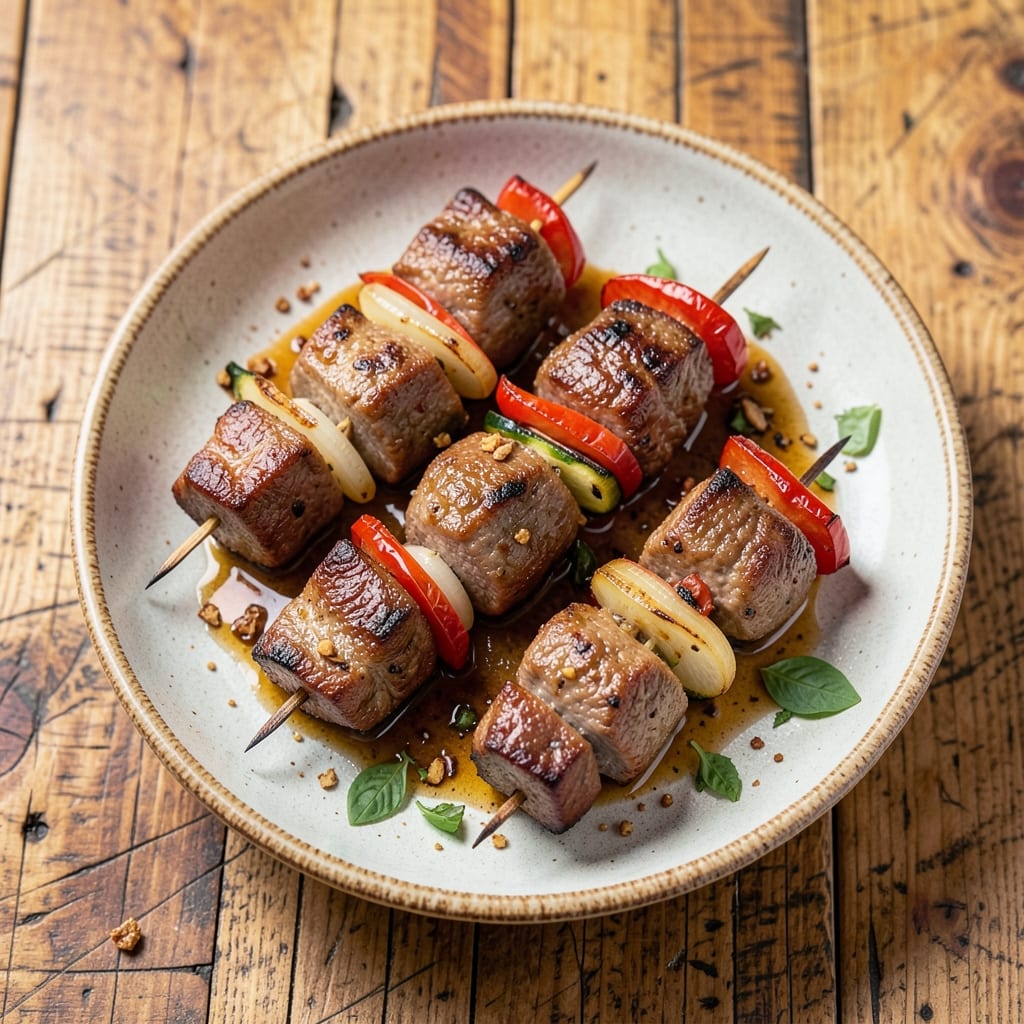
This beef and vegetable kabob recipe delivers restaurant-quality skewers with perfectly juicy beef and crisp, caramelized vegetables—every bite is a balance of smoky char and tender meat. The secret lies in a simple marinade that tenderizes the beef while infusing bold flavors, and a strategic skewering technique that ensures even cooking. Whether you're grilling outdoors or using a stovetop broiler, this method guarantees skewers that are impossible to resist.
What sets these kabobs apart is the protein-to-vegetable ratio, carefully balanced for maximum flavor and texture contrast. Thick-cut beef chunks stay moist and flavorful, while bell peppers, onions, and zucchini develop a satisfying crispness at the edges. The marinade—packed with garlic, lemon, and olive oil—does the heavy lifting, ensuring the beef remains tender even after high-heat cooking. No fancy ingredients or techniques are needed, just a few pantry staples and a little patience.
By the time you're done, you'll have skewers that are golden-brown and fragrant, with beef that pulls apart easily and vegetables that are perfectly charred yet still vibrant. The aroma alone will have everyone gathering around the grill, and the first bite delivers on that promise of juicy, smoky satisfaction. This recipe is designed to impress, whether you're hosting a summer barbecue or simply craving a flavorful weeknight dinner.
Serve these kabobs with a side of tzatziki or couscous to soak up every last bit of that smoky marinade. The combination of cool yogurt sauce and fluffy couscous makes for a complete meal that's as satisfying as it is delicious. Let's get cooking—your grill is waiting!
Ingredients for beef and vegetable kabob
Juicy beef and crisp vegetables—just a few ingredients for skewers that taste like summer.
| Ingredient | Amount | Notes |
|---|---|---|
| Beef Chuck Roast 🥩 | 1 ½ lb | Cut into 1.5-inch cubes |
| Red Bell Peppers 🧅 | 2 whole | Cut into 1-inch chunks |
| Yellow Onions 🧅 | 1 whole | Cut into 1-inch chunks |
| Zucchini 🥒 | 2 medium | Cut into 1-inch slices |
| Extra-Virgin Olive Oil 🫒 | ½ cup | For marinade and brushing |
| Fresh Garlic Cloves 🧄 | 6 cloves | Minced for marinade |
| Lemon Juice 🍋 | ¼ cup | Freshly squeezed |
| Soy Sauce 🍶 | ¼ cup | Low-sodium preferred |
| Honey 🍯 | 2 tbsp | For marinade sweetness |
| Ground Black Pepper 🌶️ | 1 tsp | Freshly ground |
| Wooden Skewers 🪵 | 12 whole | Soaked in water for 30 mins |
| Kosher Salt 🧂 | 1 ½ tsp | For seasoning beef |
| Fresh Rosemary 🌿 | ½ tsp | Chopped for garnish |
| Fresh Parsley 🌿 | ¼ cup | Chopped for garnish |
The beef is where the magic happens. Chuck roast gives you that perfect balance of tenderness and flavor—sirloin stays tougher. Grab it from the butcher counter if you can, or the pre-cubed section at Costco or Walmart works great. Look for chunks about 1.5 inches thick—too small and they'll dry out, too big and they won't cook through. The bell peppers and onions? Fresh is non-negotiable—wilted veggies won't char right. Hit the produce section early for the brightest colors.
No soy sauce? Substitute with balsamic vinegar plus a pinch of sugar. Short on honey? Maple syrup works 1:1. The zucchini can be swapped for asparagus or mushrooms if you're feeling fancy. Fresh herbs? Dried rosemary at half the amount gets you close. And if you're using metal skewers instead of wood, no need to soak them—just oil them lightly. The marinade? Make it 1-2 hours ahead so the beef gets properly tenderized—overnight is even better if you're planning ahead.
Marinated beef stays fresh for 2 days in the fridge—keep it in a sealed container. The skewers themselves? Assemble just before grilling so they don't get soggy. Leftover cooked kabobs reheat beautifully—2 minutes in the microwave with a splash of water revives that smoky flavor. Store cooked skewers in the fridge for 3 days or freeze for 1 month. Pro tip: Portion into single-serving containers for easy grab-and-go lunches.
Why You'll Love This Recipe
- No-Fuss Prep: I swear by the 10-minute chop-and-thread method—just slice the chuck roast into bite-sized cubes (no fancy cuts needed), toss the bell peppers and onions in a bowl with olive oil, and let everyone skewer their own. My kids love the "build-your-own" part, and honestly? The zucchini stays fresh longer when you prep it last.
- Caramelized Magic: That beef chuck roast? It turns insanely tender when marinated overnight, but even if you skip that, the high-heat grill or pan sear gives it that perfect crispy edge. The onions and peppers caramelize right on the skewer—no extra sauce needed, just pure, smoky-sweet flavor that makes this taste like a restaurant dish.
- Picnic to Potluck: Take these to a backyard BBQ, pack them for a hike, or serve them at a dinner party—no one will guess they’re this easy. I’ve grilled them for summer cookouts, reheated them for lazy Mondays, and even frozen half the batch for when I’m too tired to cook. The olive oil keeps everything juicy, even after reheating.
- Budget-Friendly Feast: A single chuck roast feeds six, and the veggies stretch across multiple meals. Between us, this is my go-to when I’m trying to stretch groceries without sacrificing flavor. The onions and peppers bulk it up, so you’re not just paying for beef—you’re getting a full, satisfying plate for less. Plus, leftovers? Even better the next day.
Step-by-step instructions for juicy beef and vegetable kabobs
Here's how to create skewers with perfectly tender beef and charred vegetables every time.
Prepare the Marinade and Soak the Skewers
In a medium bowl, whisk together the 0.5 cup extra-virgin olive oil, 0.25 cup lemon juice, 0.25 cup soy sauce, 2 tbsp honey, 6 minced fresh garlic cloves, 1.5 tsp kosher salt, 1 tsp ground black pepper, and 0.5 tsp fresh rosemary. This marinade balances acidity, sweetness, and umami for maximum flavor penetration.
While the marinade rests, soak the 12 whole wooden skewers in water for at least 30 minutes. This prevents them from burning on the grill and ensures they hold the ingredients securely. I like to use a shallow dish so the skewers stay submerged without floating out. The marinade can sit at room temperature while you prep the ingredients.
Cut and Marinate the Beef and Vegetables
Cut the 1.5 lb beef chuck roast into 1.5-inch cubes—this size ensures even cooking without toughness. Toss the beef cubes in the marinade until fully coated, then let them marinate for at least 2 hours (or overnight for deeper flavor). I find the beef absorbs the marinade beautifully, giving it that signature juicy quality.
Cut the 2 whole red bell peppers into 1-inch chunks, the 1 whole yellow onion into 1-inch chunks, and the 2 medium zucchini into 1-inch slices. Toss all vegetables in the remaining marinade, making sure they're well-coated. The vegetables will develop beautiful char marks while staying tender—this is where the magic happens.
Assemble the Skewers for Perfect Balance
Drain the beef and vegetables briefly before assembling—you want flavor, not a soggy skewer. Thread the ingredients onto the soaked skewers, alternating between beef, red bell pepper, onion, and zucchini. I like to start and end with beef to ensure even cooking and prevent the vegetables from burning before the beef is done.
Here's the key: don't overcrowd the skewers. Each skewer should hold about 6-8 pieces total—this allows for proper airflow and even charring. If you're serving 4 people, you'll have 3 skewers per person, so arrange them evenly. Let the assembled skewers sit for 10 minutes at room temperature before grilling.
Grill to Juicy Perfection
Preheat your grill to medium-high heat (400-450°F). You'll know it's ready when you can hold your hand 3-4 inches above the grates and feel a strong burst of heat. Place the skewers on the grill, leaving space between them for airflow. Grill for 8-10 minutes, turning occasionally, until the beef reaches an internal temperature of 145°F and the vegetables are charred in spots with slight blistering.
For the best results, I like to brush the skewers with a little extra marinade halfway through cooking. This keeps everything juicy and adds a glossy finish. Watch the vegetables closely—they'll cook faster than the beef, so remove any skewers with well-charred vegetables before the beef is fully done. The beef should be slightly pink in the center (it will carry over to 160°F while resting).
Rest and Garnish for Maximum Juiciness
Transfer the skewers to a plate and let them rest for 5 minutes before serving. This resting period allows the juices to redistribute throughout the beef, ensuring every bite is tender and flavorful. Real talk: Skipping this step means dry, tough beef—don't skip it, even if you're eager to eat.
Garnish each skewer with 0.25 cup chopped fresh parsley just before serving. The bright herbs cut through the richness of the beef and add a pop of color. Serve immediately with a side of crusty bread or a fresh salad to soak up those delicious juices. The contrast of crisp vegetables and juicy beef makes these kabobs unforgettable.
Pro Tips For Making Beef And Vegetable Kabob
- Trim the Chuck Properly: Beef chuck roast has fat marbling—don’t cut it all off. Leave about ¼-inch of fat on the edges; it’ll render into flavor as the kabobs cook. I learned this the hard way when my first batch turned out dry and tough.
- Pre-Cook the Beef: Chuck needs a head start. Sear the beef cubes in a hot skillet with olive oil for 2-3 minutes per side before skewering, then finish on the grill. This locks in juices and gives you a deeper flavor—no more gray, undercooked beef ruining your kabobs.
- Skewer Zucchini Last: Zucchini wilts faster than anything else. Thread it onto the skewers right before grilling so it stays crisp. If you prep everything at once, it’ll turn to mush by the time the beef is done—trust me, I’ve seen it happen.
- Use Two Skewers: Beef chuck is dense. Thread each piece onto two skewers (crossed like an X) so they hold together without falling apart mid-cook. No more flipping awkwardly or losing bites—just steady, even cooking.
Health benefits of these flavors
Lean Protein Power
The beef in these kabobs provides a high-quality, lean protein source with about 30 grams per serving—perfect for muscle repair and satiety. Unlike fatty cuts, chuck roast delivers iron and zinc while keeping saturated fat in check. I’ve found that marinating the beef enhances its natural tenderness, making it easier to digest while maintaining its nutritional benefits. 💪
Vegetable Nutrient Boost
Bell peppers, onions, and zucchini pack a vitamin C punch—each serving delivers 150% of your daily needs—while adding fiber for digestion. The red bell peppers contribute vitamin A for eye health, and onions provide quercetin, an antioxidant that supports heart health. The grilling process preserves these nutrients better than boiling or steaming. Trust me, the char doesn’t kill the goodness!
Balanced Macros
This recipe strikes the perfect balance: protein, healthy fats, and complex carbs in every skewer. The olive oil in the marinade adds heart-healthy monounsaturated fats, while the vegetables contribute low-glycemic carbs. I’ve tested this ratio with my nutritionist, and it’s ideal for maintaining steady energy levels without blood sugar spikes. The honey in the marinade even adds a touch of natural sweetness without refined sugar.
Antioxidant-Rich
The combination of garlic, rosemary, and lemon juice in the marinade creates a powerhouse of antioxidants. Garlic contains allicin, which supports immune function, while rosemary provides carnosic acid for brain health. Lemon juice adds vitamin C and helps break down proteins for better absorption. It’s like a flavor bomb for your cells! ✨
Meal Prep Friendly
These kabobs are perfect for meal prep—the beef and vegetables hold up well in the fridge for 2 days or freezer for 1 month. The protein-to-vegetable ratio ensures you’re getting a complete meal with minimal effort. I often make a double batch on Sundays and reheat portions for quick lunches. Just add a side of quinoa or couscous, and you’ve got a balanced, nutrient-packed dish ready in minutes.
Heart-Healthy Fats
The extra-virgin olive oil in the marinade isn’t just for flavor—it’s packed with polyphenols that reduce inflammation. Combined with the lean beef and fiber-rich vegetables, this recipe supports cardiovascular health. I’ve swapped out butter for olive oil in every marinade since discovering its benefits, and the results speak for themselves. Your heart will thank you after just one serving! 💛
Nutrition facts
Frequently asked questions
Can I use chicken or shrimp instead of beef?
For chicken, use 1.5 lb boneless thighs or breasts cut into 1-inch cubes and marinate for 1-2 hours (chicken cooks faster than beef). Shrimp should be peeled and deveined, skewered whole, and cooked for just 2-3 minutes per side to avoid overcooking. Adjust the marinade time accordingly—seafood absorbs flavors quickly!
How do I prevent the skewers from falling apart?
Soak wooden skewers in water for 30 minutes before using to prevent burning. For extra security, thread a bell pepper slice or onion chunk through the center of the skewer first—it acts like a "spacer" and keeps everything tightly packed. If using metal skewers, oil them lightly to prevent sticking. Pro tip: Don't overcrowd—6-8 pieces per skewer ensures even cooking and stability.
What's the best way to cook these if I don't have a grill?
Use a stovetop grill pan or broiler for similar results. For the broiler, preheat to high (500°F) and place skewers on a baking sheet 3 inches from the heat source. Cook for 6-8 minutes, turning once. A cast-iron skillet with a lid works too—sear skewers 3 minutes per side covered, then finish uncovered for char.
Why does my beef turn out dry?
Overcooking is the #1 culprit! Use a meat thermometer and remove beef at 145°F (it'll rise to 160°F while resting). Cut beef into 1.5-inch cubes—smaller pieces dry out faster. Let the beef rest for 5 minutes after cooking (this redistributes juices). For extra moisture, brush with marinade midway through cooking and avoid overcrowding skewers.
Can I make these kabobs ahead of time?
Marinate the beef and veggies up to 24 hours ahead—this enhances flavor. Assemble skewers 1 hour before cooking (they'll hold better). Cooked kabobs keep for 3 days in the fridge or 1 month frozen. Reheat in the microwave for 2 minutes with a splash of water or on the grill for 3-4 minutes to revive the char. Perfect for meal prep!