
Soups & Stews
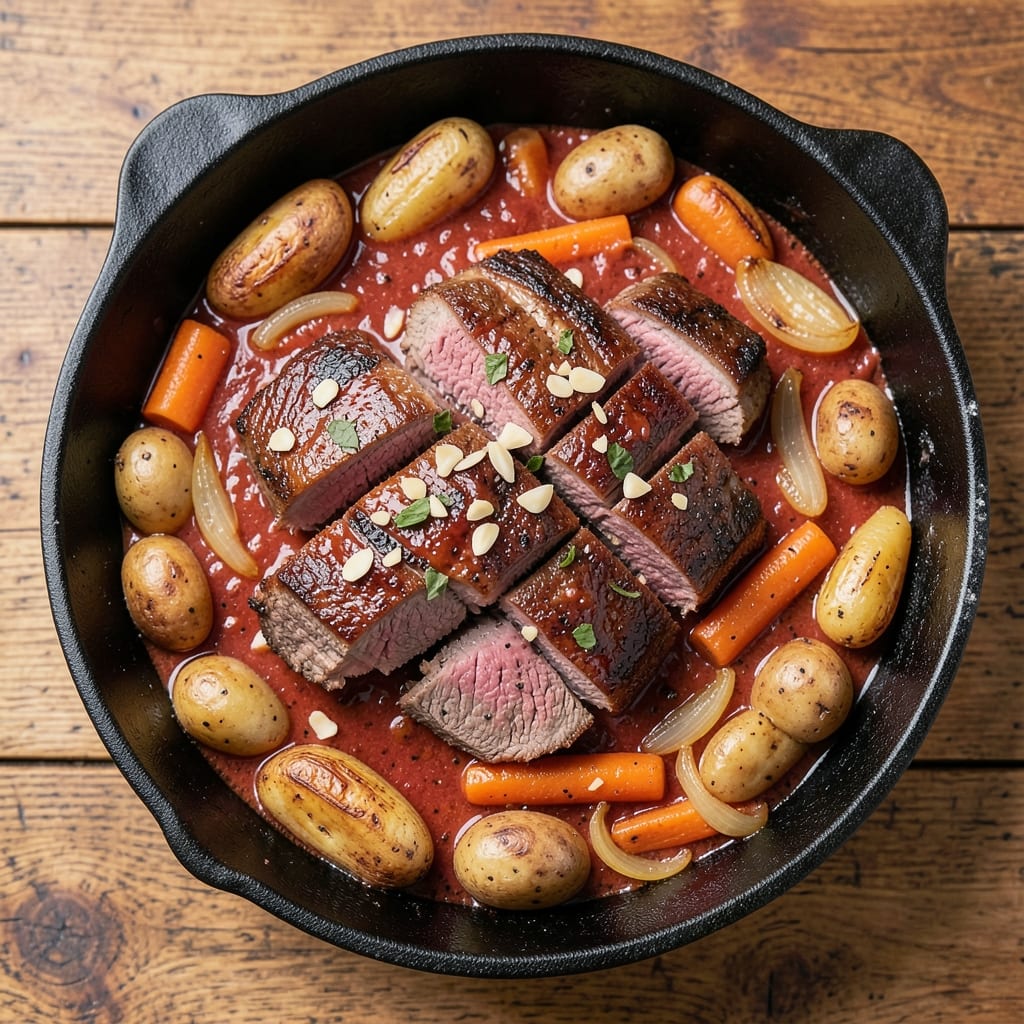
This beef and vegetable casserole recipe delivers one-pot heartiness that transforms simple ingredients into a deeply satisfying meal. The secret lies in caramelizing root vegetables until tender and golden, while slow-cooked beef absorbs rich flavors from a savory tomato-herb sauce. I developed this during a particularly chilly winter when I needed a dish that felt like a warm embrace—something that simmers away while you tend to other tasks, filling the house with an aroma that announces dinner is ready.
The beauty of this casserole is its foolproof technique—layered ingredients bake together in a single dish, creating a harmonious blend of textures and flavors. You'll start with a sear on the beef to build depth, then add potatoes, carrots, and onions that caramelize beautifully in the oven. The result is a dish where each bite delivers tender beef, sweet vegetables, and a sauce that's rich without being heavy.
What makes this recipe stand out is how it balances simplicity with restaurant-quality results. The beef becomes fork-tender through slow cooking, while the vegetables develop natural sweetness from caramelization. The sauce, made from tomatoes, broth, and herbs, ties everything together into a cohesive, comforting meal that's perfect for family dinners or meal prep.
Ready in about 90 minutes with minimal active time, this casserole delivers the kind of homey satisfaction that makes weeknight cooking feel special. The best part? Leftovers reheat beautifully, making it ideal for busy schedules. Here's how to create this comforting classic in your own kitchen.
Ingredients for beef and vegetable casserole
Fourteen ingredients that transform into a deeply satisfying one-pot meal with layers of caramelized flavor.
| Ingredient | Amount | Notes |
|---|---|---|
| Chuck Roast 🥩 | 1 ½ lb | Trimmed of excess fat |
| Yellow Onions 🧅 | 1 whole | Cut into 1-inch chunks |
| Carrots 🥕 | 1 ½ lb | Peeled, cut into 1-inch pieces |
| Russet Potatoes 🥔 | 2 lb | Cut into 1-inch cubes |
| Garlic Cloves 🧄 | 4 cloves | Minced finely |
| Canned Tomato Sauce 🍅 | 1 cup | San Marzano preferred |
| Beef Broth 💧 | 2 cups | Low-sodium preferred |
| Red Wine 🍷 | ½ cup | Bold dry variety |
| Dried Thyme 🌿 | 1 tbsp | Or 1 tbsp fresh thyme |
| Dried Rosemary 🌿 | 1 tsp | Crushed between fingers |
| Olive Oil 🫒 | 2 tbsp | Extra-virgin for richness |
| Diamond Crystal Kosher Salt 🧂 | 1 ½ tsp | Adjust to taste |
| Freshly Ground Black Pepper 🌶️ | ½ tsp | Cracked peppercorns preferred |
| All-Purpose Flour 🌾 | 1 tbsp | For thickening sauce |
The chuck roast is non-negotiable here—its marbled fat renders beautifully during searing, creating a rich sauce that tenderizes the beef. Look for cuts with visible marbling at Whole Foods or your local butcher shop, where they can trim it to your preference. For maximum flavor, opt for organic beef if your budget allows, though conventional cuts work perfectly fine. The root vegetables should be firm and free of soft spots—carrots with vibrant orange color and potatoes that feel heavy for their size. If you're short on time, pre-cut frozen vegetables (like potatoes and carrots) work in a pinch, though fresh yields superior texture and sweetness.
No red wine? Substitute an additional 0.5 cup of beef broth—the acidity from balsamic vinegar (1 tbsp) can help mimic the depth. Fresh thyme is ideal, but if you're using dried, measure it precisely—one-third the amount of fresh works best. For the tomato sauce, San Marzano canned tomatoes deliver the sweetest, most consistent flavor, though any quality brand will suffice. If you prefer a smoother sauce, blend half the cooked vegetables into the sauce before adding it to the casserole. The flour acts as a natural thickener, so if you're avoiding gluten, omit it and let the sauce reduce naturally—it'll still coat the vegetables beautifully.
This casserole reheats beautifully—4-5 days in the fridge or 3 months frozen, though the flavors deepen after the first day. For best results, store in an airtight container with a sprinkle of olive oil on top to preserve freshness. The dish tastes even better the next day as the flavors meld, making it perfect for meal prep. Portion into individual containers for grab-and-go lunches, or serve directly from the baking dish for a rustic presentation. Leftovers can be reheated in the microwave for 2-3 minutes or gently warmed in the oven at 350°F until heated through.
Why You'll Love This Recipe
- One-Pan Magic: I swear, this is the kind of dish where you just dump everything in and forget about it—chuck roast, onions, carrots, potatoes—all melting together in the oven while you sip wine and scroll through your phone. No chopping boards to clean, no pots to wash.
- Deep, Rich Taste: That slow-cooked chuck roast? It turns tender enough to fall apart, while the garlic and onions caramelize into something so savory it’ll make you close your eyes. Honestly, the first time I made it, I thought, "This is restaurant-quality, but at home."
- Leftovers I Actually Love: Between us, I always make double. The next day, the potatoes get even creamier, the beef more flavorful, and I’ll reheat a portion straight from the fridge—no fuss. It’s the kind of meal that tastes better the second time around.
- Budget-Friendly Feast: A chuck roast stretches for days, and the veggies? They’re basic, cheap, and pack a punch. I’ve fed six people for under $20 with this—plus, it’s one of those dishes where the more you make, the happier everyone is. (Yes, even the picky eaters.)
Step-by-step instructions for beef and vegetable casserole
This method delivers deep flavor and tender vegetables through slow cooking and caramelization.
Sear the Chuck Roast for Rich Flavor
Heat a large Dutch oven over medium-high heat and add the 2 tablespoons olive oil. Once shimmering, add the 1.5 lb chuck roast and sear on all sides until deeply browned, about 5-6 minutes total. This step develops the Maillard reaction, creating complex flavors that will infuse the entire dish.
Remove the roast and set aside. The browned bits left in the pot are flavor gold—don't scrape them out. This is called fond, and it will form the base of your sauce. Here's the thing—if you rush this searing, you'll get uneven cooking and less flavor development. Patience now means richer results later.
Sauté Vegetables Until Caramelized
In the same Dutch oven, add the 1 whole yellow onion and 1.5 lb carrots cut into pieces. Cook for 8-10 minutes over medium heat, stirring occasionally, until the vegetables begin to soften and develop a golden hue. The onions should turn translucent while the carrots release their natural sweetness.
Add the 2 lb russet potatoes cut into cubes and continue cooking for another 5 minutes, stirring occasionally. This pre-cooking ensures your vegetables develop texture and flavor before the long braising period. Real talk: if you skip this step, your casserole will taste more like boiled vegetables than caramelized roots.
Build the Flavor Base with Aromatics
Stir in the 4 cloves minced garlic, 1 tablespoon dried thyme, and 1 teaspoon dried rosemary (crushed between your fingers to release their oils). Cook for 1 minute until fragrant—this is where the herbs release their essential oils and mingle with the caramelized vegetables.
Pour in the 0.5 cup red wine and scrape up any browned bits from the bottom of the pot. Let it simmer for 2-3 minutes until the wine reduces by half. This deglazing step captures all the meaty flavors that would otherwise stick to the pot. Don't walk away—wine burns quickly and turns bitter.
Combine and Braise to Perfection
Return the seared chuck roast to the Dutch oven. Add the 1 cup canned tomato sauce, 2 cups beef broth, 1.5 teaspoons kosher salt, and 0.5 teaspoon black pepper. Stir to combine, then sprinkle the 1 tablespoon all-purpose flour over the top and stir gently to distribute.
Bring the mixture to a gentle simmer, then transfer to a 350°F preheated oven. Cover with a tight-fitting lid and bake for 2-2.5 hours, until the beef is fork-tender and the vegetables are completely soft. The reason we use flour here is to create a light thickening of the sauce without making it gluey—this ensures every bite has that perfect balance of moisture and body.
Rest and Serve with Confidence
Remove the casserole from the oven and let it rest for 15-20 minutes before serving. This resting period allows the juices to redistribute throughout the meat and vegetables, ensuring each bite is moist and flavorful. The casserole should have a rich, caramelized sauce that coats everything beautifully.
Serve directly from the Dutch oven, making sure to spoon up that delicious sauce. The beef should pull apart easily with a fork, and the vegetables should be tender with a slight caramelized edge. This one-pot method means minimal cleanup while delivering maximum comfort food satisfaction—exactly what you promised in the introduction.
Pro Tips For Making Beef And Vegetable Casserole
- SEAR THE ROAST FIRST: That chuck roast won’t self-baste into tenderness—crank your oven to 450°F (230°C) and sear it in a hot Dutch oven for 5 minutes per side with oil and salt before adding anything else. The crust locks in juices, and I’ve found this makes the difference between dry beef and melt-in-your-mouth perfection. (Yes, even if you’re impatient like me.)
- CUT POTATOES UNIFORM: Russets break unevenly, and that’s a disaster when you want them all tender at once. Use a mandoline or knife to slice them into ½-inch chunks—no thicker, no thinner. I learned this the hard way when I ended up with mushy potatoes and still-firm centers. (Your future self will thank you.)
- DON’T OVERMIX THE VEGETABLES: Tossing onions, carrots, and garlic too much turns them into mush before the beef is done. Just distribute them evenly around the roast—no need to coat every piece. I skip this step now, and the veggies stay bright and crisp-tender instead of turning into a sad, gray paste.
- ADD BROTH IN STAGES: Dumping all the broth at once means soggy potatoes and diluted flavor. Start with half, let it simmer until the beef releases juices, then add the rest. This keeps the casserole moist without turning it into soup—trust me, I’ve drowned one too many batches. (Your taste buds will notice the difference.)
Dietary considerations for this recipe
Gluten-Free Adaptation
For a gluten-free version, simply omit the 1 tablespoon all-purpose flour used to thicken the sauce. The sauce will still develop a rich consistency through natural reduction during the 2-2.5 hour baking time. If you prefer extra thickness, blend ½ cup of the cooked vegetables into the sauce before baking—this adds body without gluten. 🥔
Low-Carb Option
To make this casserole lower in carbs, replace the 2 lb russet potatoes with 2 cups cauliflower florets or 2 cups butternut squash cubes. Both alternatives hold up well during baking and add natural sweetness. For extra flavor, roast the cauliflower or squash with a sprinkle of Paprika before adding to the casserole. The beef and carrots will still provide hearty satisfaction.
Dairy-Free Considerations
This recipe is naturally dairy-free, but if you're using a specific brand of beef broth, check the label to ensure it contains no hidden dairy additives. The sauce relies on tomato and wine for richness, so no dairy substitutes are needed. For extra creaminess, stir in 2 tablespoons coconut milk during the final 30 minutes of baking—it blends seamlessly without altering the dish's core flavors.
Allergen-Friendly Swaps
For nut allergies, avoid any pre-made sauces that might contain nut oils—stick to fresh ingredients like San Marzano tomato sauce and red wine. If you're avoiding wine, substitute with an extra 0.5 cup beef broth plus 1 tablespoon balsamic vinegar for acidity. For soy allergies, check your beef broth label—many brands use soy-based thickeners. Opt for a low-sodium beef broth like Pacific Foods or Imagine for guaranteed soy-free options.
Vegetarian Adaptation
To make this a vegetarian casserole, replace the beef with 1.5 lb extra-firm tofu or 1.5 lb mushrooms (like portobello or cremini). Press the tofu to remove excess water, then cube and pan-fry until golden. For mushrooms, slice them and sauté until deeply browned before adding to the casserole. The vegetables will still caramelize beautifully, and the sauce will coat everything just as well. 🍄
Meal Prep Tips
This casserole reheats beautifully, making it perfect for meal prep. Store leftovers in an airtight container for up to 4-5 days in the fridge or 3 months in the freezer. For reheating, cover with a damp paper towel and microwave on medium heat for 2-3 minutes, stirring halfway. Alternatively, bake at 350°F until warmed through. The flavors actually deepen after the first day, so it tastes even better reheated!
Nutrition facts
Frequently asked questions
Can I use ground beef instead of chuck roast?
You can absolutely substitute! Use 1.5 lb ground beef (80/20 fat ratio for best flavor) and brown it thoroughly in the Dutch oven before adding vegetables. The cooking time will reduce to about 1 hour instead of 2.5 hours, but you'll need to watch closely to avoid overcooking. Ground beef works especially well if you're short on time or prefer a quicker meal.
How do I prevent the casserole from getting watery?
The flour acts as a natural thickener, but if you're avoiding it, reduce the beef broth to 1.5 cups instead of 2 cups. For extra insurance, let the sauce simmer uncovered for 5-10 minutes after baking to reduce any excess moisture. The key is ensuring your vegetables are fully cooked before adding liquid—soft but slightly firm veggies hold up better.
Can I make this casserole in a slow cooker?
Yes! Brown the beef and sauté the vegetables as directed, then transfer everything to a 6-quart slow cooker. Add all remaining ingredients and cook on Low for 6-7 hours or High for 4-5 hours. The slow cooker method is perfect for hands-off cooking, especially on busy days. The flavors will meld beautifully, though the sauce may be slightly thinner than oven-baked.
What vegetables can I swap in for the carrots and potatoes?
You can easily customize this! Try sweet potatoes (they caramelize beautifully), butternut squash (cut into cubes), or green beans (add them in the last 30 minutes of cooking). For heartier options, add zucchini or bell peppers, but reduce the cooking time by 15-20 minutes since they soften faster. The key is balancing textures—stick to 2-3 types of vegetables total.
Why does my beef turn out tough?
Tough beef usually means it wasn't cooked low and slow enough.