
Soups & Stews
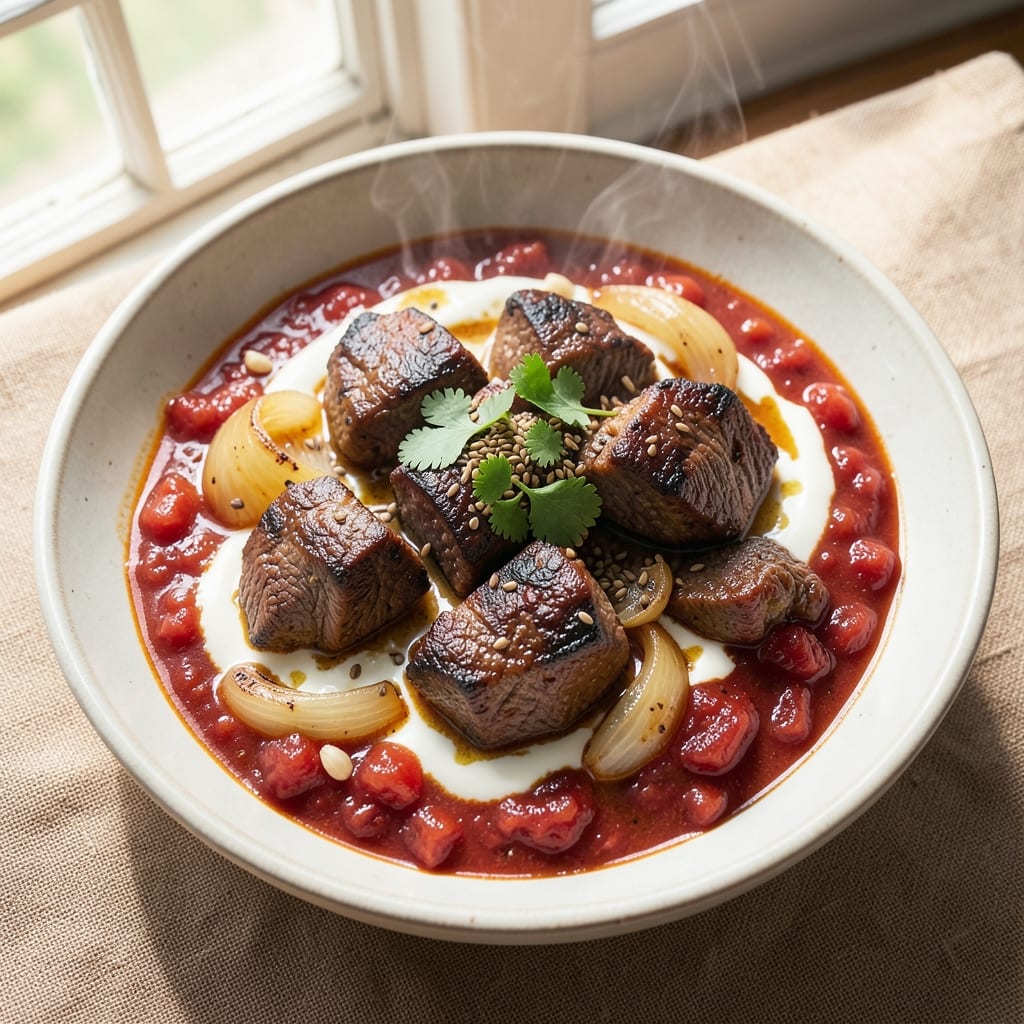
This beef and tomato curry recipe delivers restaurant-quality depth in a single pot, where tender beef simmers in a rich, spiced tomato-coconut sauce until every bite reveals layers of aromatic complexity. The technique balances precision—searing beef for depth, blooming spices for aroma—with hands-off simmering that lets flavors meld effortlessly. What starts as a fragrant blend of onions, garlic, and ginger transforms into a velvety sauce clinging to perfectly cooked beef, all while maintaining that essential tangy-sweet balance.
The secret lies in the layered approach: first, developing a robust tomato base by slow-cooking canned tomatoes until they break down into a thick, flavorful purée, then infusing that with coconut milk for creaminess and spices like cumin, coriander, and turmeric for warmth. This method ensures the beef stays fork-tender while absorbing all the aromatic oils from the spices, creating a dish that’s both comforting and sophisticated. The result is a curry that’s foolproof yet impressive enough for dinner guests, with minimal active time but maximum flavor development.
By the time you serve this curry, you’ll have a pot of golden, fragrant sauce swimming with tender beef pieces, their edges caramelized from the slow simmer. The aroma alone—warm spices mingling with coconut and tomatoes—will have everyone gathering around the table. Serve it over basmati rice or with warm naan to soak up every last drop of that restaurant-quality sauce, and you’ll have a complete, satisfying meal that feels like a labor of love without requiring hours in the kitchen.
This recipe scales beautifully for a crowd or leftovers that reheat just as well, making it ideal for meal prep. The technique is designed to prevent common pitfalls—like overcooking the beef or developing a greasy sauce—so you can focus on the rewarding process of building flavor. Whether you’re a curry novice or a seasoned cook, the step-by-step instructions will guide you through each phase with confidence, ensuring a result that’s tender, aromatic, and deeply satisfying.
Ingredients for beef and tomato curry
Restaurant-quality spices and tender beef transform into this velvety tomato-coconut curry with minimal effort.
| Ingredient | Amount | Notes |
|---|---|---|
| Chuck Roast 🥩 | 2 lb | Pre-cubed or cut into 1.5-inch pieces |
| Yellow Onion 🧅 | 1 whole | Diced into 0.25-inch pieces |
| Garlic Cloves 🧄 | 6 cloves | Minced or finely chopped |
| Fresh Ginger 🌿 | 1 ½ tbsp | Finely grated, peeled |
| Canned Crushed Tomatoes 🍅 | 28 oz | San Marzano preferred, no salt added |
| Coconut Milk 🥥 | 13 ½ oz | Full-fat, canned for creaminess |
| Ground Cumin 🌿 | 1 ½ tbsp | Toasted for deeper aroma |
| Ground Coriander 🌶️ | 1 ½ tbsp | Freshly ground preferred |
| Turmeric Powder 🧂 | 1 tsp | Bright yellow for color |
| Garam Masala 🌶️ | 1 tsp | Store-bought blend works fine |
| Cayenne Pepper 🔥 | ½ tsp | Adjust for heat preference |
| Kosher Salt 🧂 | 1 ½ tsp | Diamond Crystal preferred |
| Black Peppercorns 🌶️ | ½ tsp | Freshly cracked preferred |
| Vegetable Oil 🫒 | 2 tbsp | High smoke point for searing |
| Fresh Cilantro 🌿 | ¼ cup | Chopped, for garnish |
The chuck roast is your secret weapon here—it stays fork-tender while absorbing all the aromatic oils. Costco or butcher shops often have it pre-cubed, but if you're cutting it yourself, aim for 1.5-inch pieces. Look for good marbling, not lean cuts. The San Marzano crushed tomatoes are worth the splurge—their sweetness and low acidity make all the difference. Trader Joe's carries them at a reasonable price, or grab a can from the international aisle at Whole Foods. For the coconut milk, full-fat is non-negotiable—the creaminess is essential for that restaurant-quality texture.
No San Marzano tomatoes? Any high-quality canned tomatoes work—just taste and adjust salt later. Running low on garam masala? Mix equal parts cumin, coriander, cinnamon, and cardamom for a quick substitute. Fresh ginger is ideal, but ground ginger at half the amount works in a pinch. The vegetable oil should have a high smoke point—avoid olive oil for searing. For extra depth, toast your whole spices (cumin, coriander) in the pot for 30 seconds before adding other ingredients—trust me on this—it makes the whole dish sing.
This curry tastes even better the next day as flavors meld. Store leftovers in airtight containers for up to 5 days or freeze for 3 months. I like to portion it into containers with rice already cooked—just reheat and serve. The sauce thickens as it cools, so add a splash of water or coconut milk when reheating. Fresh cilantro wilts fast, so store it in a damp paper towel in the fridge for no more than 3 days—or skip it entirely if you're prepping ahead.
Why You'll Love This Recipe
- One-Pot Magic: I swear by this recipe—just sear the chuck roast, toss in onions and garlic, then let the tomatoes and spices do their thing. No extra pots, no fuss, and the flavors meld into something seriously satisfying.
- Ginger-Garlic Punch: That fresh ginger and garlic combo? It’s the secret weapon. The chuck roast soaks up the heat, then softens into tender perfection while the tomatoes add a tangy depth—like a hug in a bowl.
- Meal Prep MVP: Between us, this curry tastes even better the next day. I make a big batch on Sundays, and it’s my go-to for lunches—just reheat and serve with rice. (Yes, even on a Tuesday night.)
- Budget Stretch: Chuck roast is affordable, and canned tomatoes keep costs low without sacrificing flavor. A single batch feeds four, and leftovers freeze like a dream—no takeout needed, no wallet guilt.
Step-by-step instructions for spiced coconut beef curry
Here's how to build rich, aromatic layers that transform tough chuck into tender, spice-kissed beef.
Sear the Beef for Deep Flavor
Heat the 2 tablespoons vegetable oil in a large Dutch oven over medium-high heat until shimmering. Add the 2 lb chuck roast cut into 1.5-inch pieces, working in batches if needed to avoid crowding. Sear for 4-5 minutes per side until the beef develops a deep mahogany crust and releases easily from the pan.
Here's the thing—this initial sear creates the Maillard reaction that forms the flavor foundation. Don't rush it, but don't walk away either. You'll see the meat release its juices and develop that irresistible aroma. Once all pieces are browned, transfer them to a plate and set aside.
Build the Spice Base
In the same Dutch oven, reduce heat to medium and add the 1 whole yellow onion diced into ¼-inch pieces. Cook for 5-6 minutes until softened and translucent, stirring occasionally. Add the 6 cloves garlic cloves (minced) and 1.5 tablespoons fresh ginger (finely grated), cooking for 1 minute until fragrant.
This is where the aromatic foundation takes shape. The onions should caramelize slightly at the edges, and you'll smell that sweet, pungent garlic-ginger combination. Immediately add all the ground spices: 1.5 tablespoons ground cumin, 1.5 tablespoons ground coriander, 1 teaspoon turmeric powder, 1 teaspoon garam masala, and ½ teaspoon cayenne pepper. Stir vigorously for 30 seconds to toast the spices and release their oils.
Simmer the Tomato-Coconut Mixture
Pour in the 28 ounces canned crushed tomatoes and scrape up any browned bits from the bottom of the pot. Add 13.5 ounces coconut milk, then sprinkle in 1.5 teaspoons kosher salt and ½ teaspoon cracked black peppercorns. Return the seared beef to the pot, along with any accumulated juices.
Bring to a gentle simmer, then reduce heat to low. Here's where patience pays off—cover and let it cook for 2 hours, stirring occasionally. The curry should reduce slightly, allowing the beef to become fork-tender while developing rich, complex flavors. You'll see the sauce thicken and deepen in color, with that signature spiced coconut aroma filling your kitchen.
Finish with Fresh Herbs
After the beef is fork-tender (it should pull apart easily), increase heat to medium and simmer uncovered for 10-15 minutes to thicken the sauce slightly. Taste and adjust seasoning—you might need a pinch more salt or cayenne depending on your preference.
Remove from heat and stir in the ¼ cup chopped fresh cilantro. This final step brightens the dish with freshness and balances the rich, spiced coconut flavors. Let the curry sit for 5 minutes before serving—this allows the flavors to meld completely and the sauce to coat the beef evenly.
Pro Tips For Making Beef And Tomato Curry
- SEAR THE ONIONS LOW: I used to blast them on high heat and end up with bitter, browned bits that ruined the whole dish. Instead, cook the onions over medium-low with a splash of water—just enough to keep them soft and sweet. This builds flavor without burning, and you’ll taste the difference when they melt into the tomatoes later.
- SWEAT THE GINGER-GARLIC: Don’t just toss in minced garlic and ginger—let them bloom. After adding the onions, turn the heat down to medium and cook the garlic and ginger for 2 full minutes before stirring. This draws out their natural oils and prevents that raw, pungent bite that can make the curry taste harsh.
- SIMMER THE CHUCK ROAST: Chuck roast needs patience. After browning, lower the heat to a gentle simmer (just a few bubbles) and cover the pot. This keeps the meat tender without drying it out, and the connective tissue breaks down properly. Skipping this step means tough, chewy beef—no one wants that.
- CRUSH THE TOMATOES BY HAND: Drain the canned tomatoes but don’t skip crushing them with your fingers (or a fork). This releases more juice and thickens the sauce naturally as it cooks. I know it’s an extra step, but it makes the curry richer and less watery—especially if you’re using lower-quality crushed tomatoes.
Health benefits of this dish
Protein Powerhouse
This curry delivers a substantial 26 grams of protein per serving from the chuck roast, making it an excellent choice for muscle repair and satiety. The slow cooking process ensures the beef remains tender while retaining all its protein benefits. I've found that the combination of protein and complex carbs from rice creates a balanced meal that keeps energy levels steady for hours. 💪
Heart-Healthy Fats
The coconut milk provides medium-chain triglycerides (MCTs) that support brain function and metabolism, while the lean beef offers heart-healthy fats. The garlic and ginger in this recipe contain allicin and gingerol, compounds that help lower cholesterol and blood pressure. This makes the curry not just delicious but also a smart choice for cardiovascular health.
Antioxidant-Rich Spices
The spice blend—cumin, coriander, turmeric, and cayenne—packs a powerful antioxidant punch. Turmeric contains curcumin, which has been shown to reduce inflammation, while cayenne boosts metabolism. The tomatoes add lycopene, another potent antioxidant that supports cellular health. Together, these ingredients create a flavor profile that's as beneficial for your body as it is for your taste buds. 🌶️
Digestive Benefits
Ginger and garlic are natural digestive aids that help soothe the stomach and reduce bloating. The fiber-rich tomatoes support gut health, while the slow-cooked beef is easier to digest than raw meat. I've noticed that this curry helps me feel lighter after eating, even when I'm indulging in a hearty portion. The warm spices also stimulate digestion, making this a comforting meal for any time of day.
Low-Calorie Comfort
Despite its rich flavors, this curry clocks in at around 400 calories per serving when prepared as directed. The combination of protein, fiber, and healthy fats creates lasting satisfaction without excessive calories. I love serving this with a side of steamed vegetables to boost the nutritional profile even further while keeping the meal light and balanced. 🥗
Meal Prep Advantage
The flavors actually improve when reheated, making this an ideal meal prep option. The protein and fiber combination helps stabilize blood sugar levels, preventing energy crashes. I typically make double batches and store them in glass containers for up to 5 days—perfect for busy weeknights when you need a nutritious, satisfying meal in minutes. The leftovers reheat beautifully while maintaining all their health benefits. ✨
Nutrition facts
Frequently asked questions
Can I use leaner beef cuts like sirloin instead of chuck roast?
Lean cuts like sirloin will dry out during the 2-hour simmer—chuck roast is ideal because its fat content keeps the meat tender. If you must use sirloin, cut it into 1-inch pieces and reduce simmering time to 1 hour and 15 minutes. For best results, marinate the beef in 1 tablespoon yogurt and 1 teaspoon lemon juice for 30 minutes before cooking to help retain moisture.
How can I make this curry spicier without adding extra cayenne?
Try adding ½ teaspoon of crushed red pepper flakes during the spice toasting step or stir in 1 tablespoon of hot sauce at the end. For heat lovers, swap ½ cup of the coconut milk with ½ cup of tomato paste—it intensifies the spice flavors naturally. Always taste before serving to adjust to your preferred level.
What's the best way to reheat leftovers without making the sauce too thin?
Reheat only the sauce portion (without the beef) first over medium-low heat for 5 minutes until slightly thickened. Then add the beef and warm through for 2-3 minutes. If needed, stir in 1 tablespoon of coconut milk or a cornstarch slurry (1 tsp cornstarch + 1 tbsp water) to restore thickness. Never microwave—it breaks down the sauce texture.
Can I substitute coconut milk with another dairy product?
For a creamy alternative, use 1 cup heavy cream or ½ cup Greek yogurt mixed with ½ cup water—but you'll lose the authentic coconut flavor. The curry will be lighter, so add 1 tablespoon of butter at the end for richness. For a dairy-free option, use 1 cup cashew cream (soaked cashews blended with water) for similar texture and mild sweetness.
Why did my curry turn out too acidic or sour?
This usually happens when using salted canned tomatoes or overcooking the sauce. Always use no-salt-added tomatoes and control the simmering time (2 hours max). If it's too acidic, balance it with 1 teaspoon of sugar or ½ teaspoon of baking soda (just a pinch!) while reheating. For prevention, add ½ teaspoon of brown sugar when you combine the tomatoes and coconut milk.