
Soups & Stews
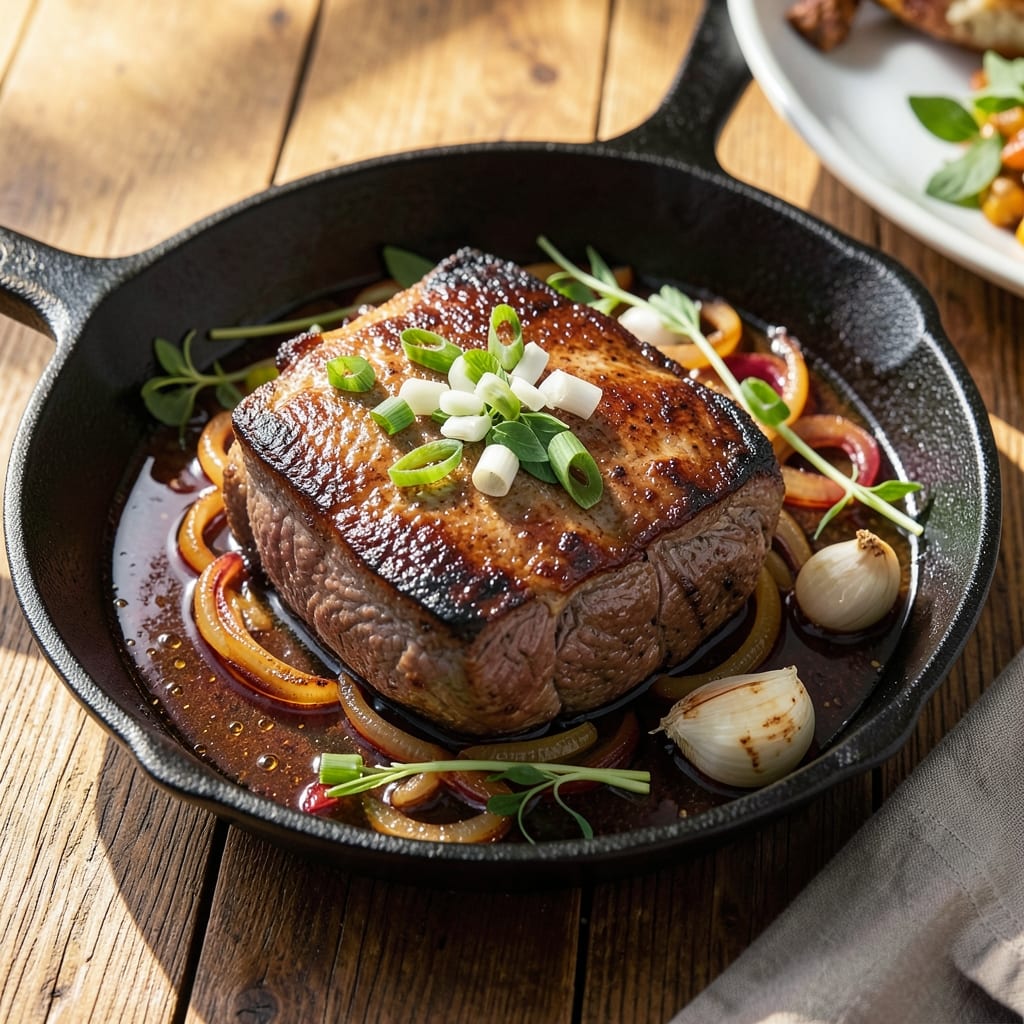
This beef and spring onion recipe transforms humble ingredients into a restaurant-worthy braise with layers of caramelized depth and tender beef. The secret lies in slow-cooking the beef with spring onions until they develop a silky, almost jam-like texture that clings to every bite. I developed this technique after years of perfecting braised dishes—it’s the kind of meal that feels special without requiring hours of prep.
The dish balances rich, savory beef with the natural sweetness of spring onions, creating a harmony of textures and flavors. You’ll start with seared beef that develops a deep, caramelized crust, then simmer it in a fragrant broth until fork-tender. The spring onions soften into a velvety consistency, their mild onion flavor intensifying as they cook. This method ensures every bite delivers both hearty satisfaction and delicate elegance.
Perfect for weeknight dinners or impressing guests, this braise pairs beautifully with buttery mashed potatoes or fluffy jasmine rice. The dish scales effortlessly, making it ideal for feeding a crowd or meal prepping for the week. Optional garnishes like toasted sesame seeds or a sprinkle of chili flakes add a final touch of sophistication.
What sets this recipe apart is its versatility—it works as a standalone main dish or alongside other proteins for a more robust meal. The slow-cooking process infuses the beef with deep flavor, while the spring onions add a subtle sweetness that rounds out the dish. Whether you’re serving it for a casual family dinner or a dinner party, this braise delivers consistent, impressive results.
Ingredients for beef and spring onion
Humble ingredients meet restaurant-quality technique in this rich, velvety beef and spring onion braise.
| Ingredient | Amount | Notes |
|---|---|---|
| Chuck Roast 🥩 | 2 lb | Well-marbled for tenderness |
| Spring Onions 🧅 | 1 ½ lb | Whole, trimmed ends |
| Yellow Onion 🧅 | 1 whole | Sliced into half-moons |
| Garlic Cloves 🧄 | 4 cloves | Smashed, not minced |
| Dry Red Wine 🍷 | 1 cup | Bold variety like Cabernet |
| Beef Broth 💧 | 2 cups | Low-sodium preferred |
| Tomato Paste 🍅 | 2 tbsp | Smooth, not chunky |
| Olive Oil 🫒 | 2 tbsp | Extra-virgin for richness |
| Thyme 🌿 | 1 tbsp | Fresh, stems removed |
| Bay Leaves 🌿 | 2 whole | Dried, standard size |
| Salt 🧂 | 1 ½ tsp | Kosher or sea salt |
| Black Pepper 🌶️ | 1 tsp | Freshly ground |
| Flour 🌾 | 2 tbsp | All-purpose for dredging |
| Butter 🧈 | 2 tbsp | Unsalted for season control |
The chuck roast is non-negotiable here—its marbling ensures melt-in-your-mouth tenderness. Look for cuts with visible fat streaks, which render into flavor during slow cooking. Costco or Whole Foods often carry well-marbled chuck roasts, but any reputable butcher will have a good option. Spring onions are the star, so choose fresh, firm stalks with bright green tops. The yellow onion and garlic form the aromatic base, so don't skimp on quality. For the wine, any bold red like Cabernet or Merlot works—just avoid overly sweet varieties.
No red wine? Dry white wine or extra beef broth keeps the depth without altering the flavor profile. Fresh thyme is ideal, but dried thyme at one-third the amount works in a pinch. The tomato paste can be substituted with crushed tomatoes (1/4 cup) if you prefer a chunkier texture. For the flour, all-purpose works fine, but bread flour adds a slightly chewier texture. The butter is crucial for that final caramelized crust—don't skip it. If you're prepping ahead, sear the beef and store it in the fridge before slow cooking for best results.
This braise tastes even better the next day as flavors meld. Store in an airtight container for up to 5 days in the fridge or 3 months frozen. For meal prep, portion into individual containers with a side of rice or potatoes. The spring onions soften beautifully during reheating, so no need to worry about texture. Garnish with fresh thyme or a drizzle of olive oil just before serving to elevate presentation.
Why You'll Love This Recipe
- One-Pan Magic: I swear by this for nights when I’d rather scroll than chop—just sear the chuck roast, toss in sliced spring onions and onions, deglaze with wine, and let the garlic work its magic while I do the dishes. The pan does all the heavy lifting.
- Wine-Infused Depth: That splash of dry red wine? It’s not just for show—it tenderizes the beef while adding this rich, slightly tangy backbone that makes every bite feel like a little celebration. Even my wine-snob friend nods when she tries it.
- Leftovers That Beg: This recipe actually improves the next day. The beef gets even more tender, and the flavors meld into something heartier—perfect for wraps, salads, or just reheating straight from the fridge. (Yes, I’ve eaten it cold. Don’t judge.)
- Budget Beef Boost: Chuck roast is my secret for stretching meals without breaking the bank. A single cut feeds four for under $15, and the spring onions add freshness that makes it feel fancy. Honestly, it’s the kind of dish that makes grocery day less stressful.
Step-by-step instructions for beef and spring onions braise
This method transforms tough chuck roast into melt-in-your-mouth beef with silky spring onions—simple steps for maximum flavor.
Sear the Chuck Roast for Deep Flavor
Pat the 2 lb chuck roast dry with paper towels—this ensures a proper sear. Heat 2 tbsp olive oil in a heavy Dutch oven over medium-high heat until shimmering. Place the roast in the pot and sear for 4-5 minutes per side until deeply browned. This step develops the Maillard reaction, creating rich, caramelized flavors that form the base of your braise.
While the roast sears, slice the 1 whole yellow onion into half-moons and trim the ends off the 1.5 lb spring onions. Add them to the pot along with the 4 smashed garlic cloves and cook for 2 minutes until the onions soften slightly. Remove the roast and set it aside on a plate.
Build the Braising Liquid
Lower the heat to medium and add 2 tbsp tomato paste to the pot, stirring to coat the bottom. Pour in the 1 cup dry red wine, scraping up any browned bits from the bottom—this releases flavor locked in the fond. Let it simmer for 3 minutes until the alcohol smell dissipates.
Add the 2 cups beef broth, 1 tbsp thyme, 2 whole bay leaves, 1.5 tsp salt, and 1 tsp black pepper. Stir to combine, then return the roast to the pot, along with the spring onions and yellow onions. Bring the liquid to a gentle simmer—it should bubble softly, not boil vigorously.
Braise Until Tender and Silky
Cover the Dutch oven with a tight-fitting lid and transfer it to a 325°F oven. Braise for 2.5-3 hours until the beef is fork-tender. The spring onions should be silky and sweet, almost melting into the sauce. Check occasionally to ensure the liquid doesn’t evaporate completely—add a splash of water if needed.
Here’s the thing—patience is key. The beef should pull apart easily with two forks, and the sauce should thicken naturally as it reduces. If the liquid reduces too much before the beef is tender, uncover the pot and add ¼ cup water, then cover again.
Finish with Butter for Richness
Once the beef is tender, remove it from the pot and set it aside. Skim off any excess fat from the surface of the braising liquid, then stir in the 2 tbsp butter and 2 tbsp flour to create a light roux. Cook for 1-2 minutes until the mixture thickens slightly, creating a velvety sauce.
Return the beef to the pot and spoon the sauce over it, letting it coat evenly. Let the beef rest in the sauce for 10 minutes off the heat—this allows the flavors to meld and the sauce to thicken further. Serve the beef with the spring onions and onions, spooning the sauce generously over the top.
Pro Tips For Making Beef And Spring Onion
- Sear the Roast Hard: Chuck roast needs that crust to stay juicy, so don’t be shy—get your pan screaming hot and let it brown for 5-6 minutes per side. I used to rush this, and the meat always turned out dry. High heat. Seriously, crank it up.
- Trim Those Spring Onions: Cut the spring onions into 1-inch chunks, but save the greens—they’re the star. Chop the whites separately and fry them first in the same pan you seared the beef. The greens can go in later for a fresher finish. (Yes, even if you’re impatient like me.)
- Deglaze with Wine: After searing the beef, pour in that red wine immediately—don’t let the fond burn. Let it bubble for 2 minutes before adding onions and garlic. I learned this the hard way: burnt wine tastes like vinegar, and no one wants that.
- Low and Slow Wins: Chuck roast needs time—braise it at 300°F (150°C) for 2.5-3 hours, covered, until it’s fork-tender. Skipping this step means tough meat. (Your future self will thank you.)
Wine and beer pairings for these flavors
Red Wine Pairings
This rich, caramelized beef braise pairs beautifully with a bold Cabernet Sauvignon or Merlot—both complement the deep, savory flavors while cutting through the silky spring onions. I love a Napa Valley Cabernet for its velvety tannins that harmonize with the dish’s richness. For a lighter option, try a Pinot Noir from Oregon, which adds bright acidity that refreshes your palate. 🍷
Avoid overly oaky or overly tannic wines, as they can overpower the delicate sweetness of the braised spring onions. If you prefer white wine, a dry Chardonnay with subtle oak notes works surprisingly well, balancing the beef’s richness without competing.
Beer Pairings
A dark Belgian ale like Rodenbach or a stout such as Guinness brings malty depth that enhances the braise’s caramelized flavors. The roasted notes in these beers mirror the slow-cooked beef beautifully. For a lighter option, a German Helles Lager offers crisp cleanliness that contrasts the dish’s richness. 🍺
Avoid overly hoppy IPAs or bitter beers—they’ll clash with the dish’s sweet-savory balance. If you’re serving this with mashed potatoes, a wheat beer like Weihenstephaner Hefeweissbier adds a refreshing contrast to the hearty meal.
Non-Alcoholic Options
For a refreshing non-alcoholic match, try sparkling grape juice—its effervescence cleanses your palate between bites. I also love ginger beer (non-alcoholic) for its spicy kick, which complements the beef’s depth. A cold brewed hibiscus tea adds a tart, floral note that pairs surprisingly well with the dish’s richness. 💛
For a more traditional approach, a sparkling apple cider with a hint of cinnamon enhances the braise’s sweet-savory profile without overpowering it. The acidity in these options helps balance the dish’s richness, making every bite more enjoyable.
Nutrition facts
Frequently asked questions
Can I substitute spring onions with regular onions?
While you can use regular onions, the texture and flavor will differ significantly. Spring onions add a delicate sweetness and tender bite that regular yellow or white onions lack. For the best results, stick with spring onions—they soften beautifully into a silky consistency during braising. If you must substitute, use 1 lb green onions (scallions) for a similar mild onion flavor, but expect a slightly different texture.
How do I know when the beef is fully tender?
The beef is ready when it reaches an internal temperature of 203°F and pulls apart easily with two forks. Insert a meat thermometer into the thickest part—this ensures perfect doneness without overcooking. If the beef feels slightly firm, return it to the oven for another 30 minutes. The slow braising process is forgiving, so don't rush it.
Can I make this recipe in a slow cooker?
Transfer the seared beef, onions, and braising liquid to a 6-quart slow cooker and cook on low for 8-10 hours or high for 5-6 hours. The slow cooker's gentle heat mimics oven braising, though you'll need to finish with the butter and flour step on the stovetop to create the velvety sauce. Check occasionally to ensure the liquid doesn't reduce too much.
What's the best way to reheat leftovers?
Reheat leftovers gently in the microwave for 2-3 minutes on medium power, then transfer to a skillet with 1 tbsp butter to warm through evenly. For best results, add a splash of beef broth to restore moisture. The spring onions will soften further but remain delicious. This braise actually tastes better the next day as flavors meld!
Can I use a different cut of beef?
While chuck roast is ideal for its marbling, you can use brisket or short ribs for similar results. Avoid leaner cuts like sirloin—they won't become tender enough. If using brisket, increase cooking time by 1-2 hours to ensure proper tenderness. The fat content is crucial for that rich, silky sauce.