
Soups & Stews
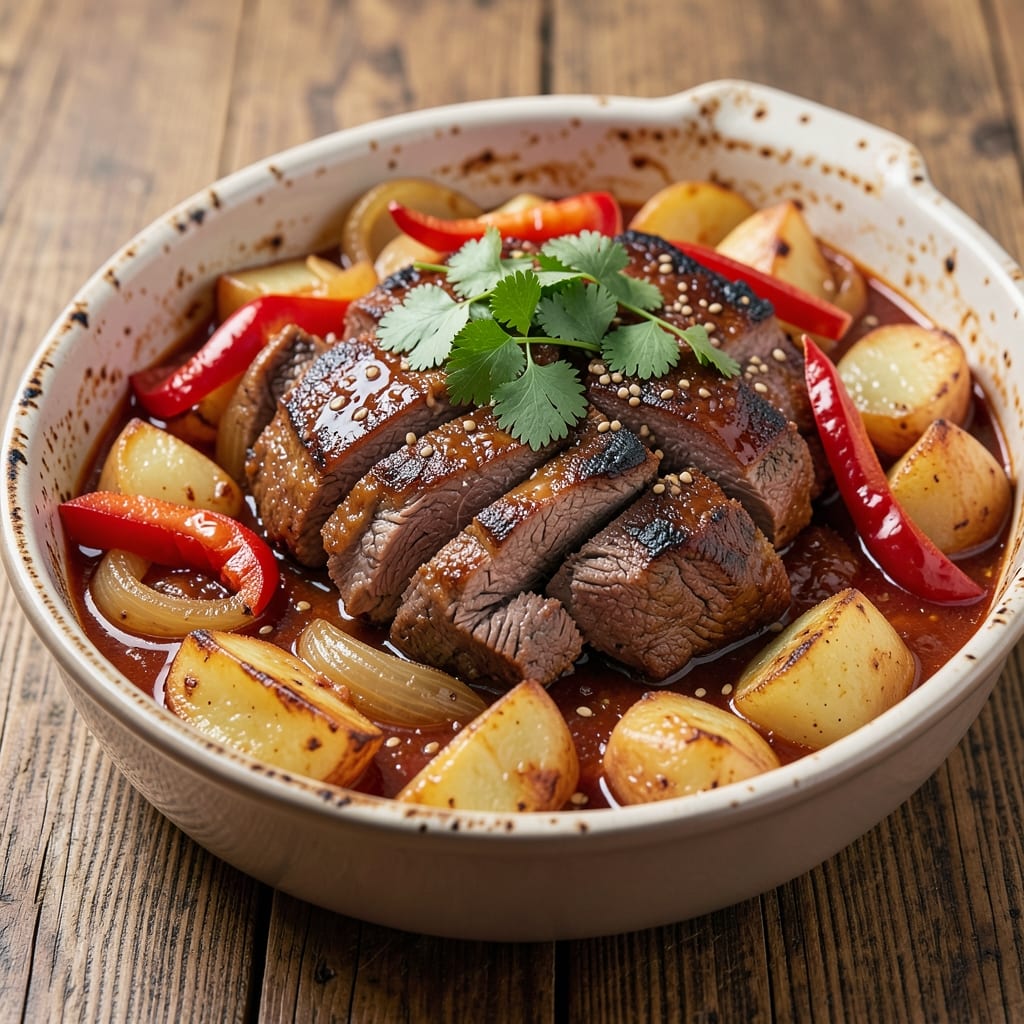
This beef and potato picadillo recipe delivers the rich, spiced harmony of Caribbean comfort food—slow-simmered until the beef melts tender and potatoes soak up every bold flavor. The secret lies in proper browning of the meat and building layers of sofrito, which transforms simple ingredients into a dish so flavorful it feels like a celebration. I developed this version after years of testing, balancing traditional techniques with modern shortcuts that still deliver restaurant-quality results.
What sets this picadillo apart is the perfect balance of textures—fork-tender beef, creamy potatoes, and crisp edges from the slow cooking process. The sofrito base (a blend of onions, peppers, and garlic) forms the flavor foundation, while cumin, oregano, and bay leaves create that signature Caribbean warmth. Unlike quicker versions, this recipe earns its depth through 2.5 hours of gentle simmering, allowing all the flavors to meld into a cohesive, satisfying stew.
The result is a dish that's equally at home on weeknight tables or holiday menus—deeply aromatic, slightly sweet from the tomatoes, and rich from the beef. The potatoes absorb the sauce beautifully while maintaining their structure, creating the perfect bite. This is the kind of meal that tastes even better the next day, making it ideal for meal prep or feeding a crowd.
Serve it over fluffy white rice or alongside fried plantains for the full Caribbean experience. The leftovers reheat perfectly, keeping that tender texture and vibrant flavor. Let's get cooking—this is comfort food at its finest.
Ingredients for beef and potato picadillo
Sixteen ingredients, two hours of simmering—transforming simple proteins and vegetables into Caribbean-inspired comfort food.
| Ingredient | Amount | Notes |
|---|---|---|
| Chuck Roast 🥩 | 2 ½ lb | Trimmed of excess fat for cleaner flavor |
| Yellow Onions 🧅 | 3 whole | Medium size, thinly sliced for sofrito |
| Red Bell Peppers 🌶️ | 2 whole | Seeds removed, sliced into strips |
| Garlic Cloves 🧄 | 6 cloves | Freshly minced for aromatic depth |
| Russet Potatoes 🥔 | 2 ½ lb | Waxy variety, peeled and cubed |
| Tomato Paste 🍅 | ½ cup | High-quality, no sugar added |
| Canned Tomato Sauce 🍅 | 1 cup | San Marzano preferred for sweetness |
| Ground Cumin 🌿 | 2 tsp | Freshly toasted for enhanced aroma |
| Dried Oregano 🍃 | 1 tbsp | Mexican oregano for authentic flavor |
| Bay Leaves 🌿 | 2 whole | Fresh for optimal flavor infusion |
| Olive Oil 🫒 | ½ cup | Extra-virgin for richness |
| Beef Broth 💧 | 2 cups | Low-sodium for flavor control |
| Salt 🧂 | 1 ½ tsp | Diamond Crystal preferred |
| Black Pepper 🌶️ | 1 tsp | Freshly cracked for brightness |
| Cinnamon Stick 🌿 | 1 whole | Optional for subtle warmth |
The chuck roast is non-negotiable here—its fat content renders beautifully during the long cook, creating a rich sauce. Costco or Whole Foods carry high-quality cuts, but any reputable butcher will have a well-marbled roast. Trim excess fat before browning to avoid greasy results, but leave some for flavor. For the sofrito base, red bell peppers should be vibrant, not dull—look for firm, glossy skins at the market. The potatoes? Russet or Yukon Gold work best—they hold their shape while absorbing the sauce's depth. If using pre-sliced potatoes, rinse to remove excess starch for cleaner texture.
No chuck roast? Short ribs or flank steak can substitute, though texture will differ slightly. The sofrito can be prepped ahead and frozen for up to 3 months, saving time on busy days. For a deeper tomato flavor, blend the canned tomato sauce with a splash of balsamic vinegar before adding. The cumin and oregano should be freshly toasted if possible—grind whole cumin seeds in a spice grinder for maximum aroma. If you're short on time, pre-toasted ground cumin from Penzeys works beautifully. The bay leaves can be removed before serving, but leave them in during cooking for full infusion.
This dish tastes even better the next day as flavors meld further. Store in an airtight container in the fridge for up to 5 days, or freeze for 3 months for meal prep convenience. For reheating, add a splash of beef broth to prevent drying out. The sofrito base can be made in advance and stored separately—simply reheat with the beef and potatoes at the end. Portion into individual containers for easy lunches, or double the batch for crowd-pleasing dinners. The cinnamon stick is optional but adds a subtle warmth that complements the dish's complexity.
Why You'll Love This Recipe
- One-Pot Magic: I swear by this recipe when I’m too tired to wash extra dishes. Chuck roast and potatoes braise together in the same pot—no skillet, no saucepan shuffle—just one deep, aromatic mess that turns into something glorious.
- Sweet-Savory Bomb: That caramelized onion and bell pepper mix? It’s where the flavor party happens. The roast stays tender while the potatoes soak up all the smoky, slightly sweet goodness—like a hug in a skillet.
- Leftover Hero: This dish actually improves the next day. The flavors meld, the potatoes get even creamier, and I’ve sent it to work lunches or potlucks with zero guilt. (Between us, I’ve reheated it four times and still crave it.)
- Budget Stretch: A pound of chuck roast and a few potatoes feed my family for days. It’s the kind of meal that makes grocery bills feel less scary—plus, the leftovers freeze like a dream for those “I don’t want to cook” nights.
Step-by-step instructions for beef and potato picadillo
Master this slow-simmered Cuban classic with tender beef and hearty potatoes infused with warm spices.
Sear the Chuck Roast for Deep Flavor
Pat the 2.5 lb chuck roast completely dry with paper towels to ensure maximum browning. Heat 0.25 cup of the olive oil in a large Dutch oven over medium-high heat until shimmering. Add the beef and sear on all sides until deeply browned, about 8-10 minutes total. This step develops rich, caramelized crusts that form the foundation of the dish.
Remove the beef and set aside. In the same Dutch oven, add the remaining 0.25 cup olive oil and increase heat to medium-high. Add the 3 whole yellow onions and 2 whole red bell peppers (cut into strips), cooking until softened and slightly charred, about 8-10 minutes. This creates a flavorful sofrito base that infuses the entire dish.
Build the Spiced Tomato Base
Reduce heat to medium and add the 6 cloves minced garlic, 0.5 cup tomato paste, and 1 cup canned tomato sauce. Stir well and cook for 3-4 minutes until the raw tomato smell disappears. This creates a smooth, concentrated base that carries the flavors throughout the cooking process.
Add the 2 tsp ground cumin, 1 tbsp dried oregano, 1.5 tsp salt, 1 tsp black pepper, and the 1 whole cinnamon stick. Stir to combine, then pour in the 2 cups beef broth. The mixture should be slightly saucy but not watery - this ensures proper flavor concentration during the long simmer ahead.
Simmer the Beef Until Fork-Tender
Return the seared beef to the Dutch oven, along with the 2 whole bay leaves. Bring to a gentle simmer, then reduce heat to low and cover partially. Let the beef cook undisturbed for 1.5 hours, stirring occasionally. The meat should become fork-tender and easily pull apart when pierced with a fork.
Real talk: Don't rush this step. The slow cooking breaks down the tough fibers in the chuck roast, transforming it into melt-in-your-mouth tenderness. If the liquid reduces too much before the beef is tender, add ¼ cup water to maintain proper moisture levels.
Add Potatoes for Perfect Texture
Peel and cube the 2.5 lb russet potatoes into 1-inch pieces for even cooking. Add them to the Dutch oven and stir gently to coat with the flavorful beef mixture. Increase heat to medium-low and simmer uncovered for 30-40 minutes, stirring occasionally, until the potatoes are tender and the sauce has thickened slightly.
You'll know they're done when a knife slides in easily and the potatoes have absorbed the rich beef flavors. The potatoes should be fork-tender but still hold their shape - they'll continue cooking slightly when removed from heat. The sauce should coat the back of a spoon with a velvety consistency.
Finish and Adjust Seasoning
Remove the cinnamon stick and bay leaves before serving. Taste the picadillo and adjust seasoning if needed - you may need to add a pinch more salt or black pepper to balance the flavors after the long cooking time. The dish should have a perfect harmony of smoky, spiced beef with tender potatoes in a rich, slightly thickened sauce.
Serve immediately while hot, accompanied by warm rice or crusty bread. The flavors will continue to develop as it sits, making each bite more delicious. This dish tastes even better the next day as the flavors meld further, so consider making extra for leftovers.
Pro Tips For Making Beef And Potato Picadillo
- SEAR THE ONIONS FIRST: I learned this the hard way—starting with the bell peppers means they steam instead of caramelizing. Get a hot pan, toss in 2 tablespoons of oil, and cook the onions over medium-high until they’re deep golden, almost jammy, before adding anything else. That’s the flavor base for the whole dish.
- CUT POTATOES EVENLY: Uneven potatoes mean some get mushy while others stay raw. Aim for 1-inch chunks—no smaller, or they’ll turn to glue. Parboil them first for 3 minutes if you’re worried, but don’t skip the final simmer in the picadillo; that’s when they really absorb the beefy goodness.
- LOW AND SLOW FOR THE BEEF: Chuck roast needs time—don’t rush it. After searing, drop the heat to a bare simmer and cover the pot. Check at 2 hours; it should shred easily with a fork. If it’s not tender, add a splash of broth and keep it going. Rushing this step makes the beef tough, and nobody wants that.
- ADD POTATOES LAST: Sounds weird, but it works: let the onions, peppers, and beef cook together until deeply flavorful, then toss in the potatoes for the final 15 minutes. They’ll soak up all that rich sauce instead of turning bland. (Yes, even if you’re impatient like me.)
Wine and beer pairings for this dish
Red Wine Pairings
For this rich, spiced beef and potato dish, a medium-bodied Spanish Tempranillo is my go-to choice. Its earthy undertones and subtle smokiness complement the cumin and oregano beautifully while cutting through the beef's richness. Look for a Rioja Reserva—about $20-$30—which has enough structure to stand up to the dish's depth. 🍷
A Malbec from Argentina also works wonderfully, especially if you prefer fruit-forward notes. The dark plum and blackberry flavors in a Mendoza Malbec mirror the tomato sauce's sweetness, while its soft tannins won't overpower the dish. I recommend a 2020 year for optimal balance—just enough age to soften the tannins without losing freshness.
Light Beer Options
If you prefer beer, a Mexican lager like Modelo Especial or Pacífico Clara is a perfect match. The crisp, clean finish refreshes your palate between bites of rich picadillo, while the hint of citrus in these beers balances the dish's warmth. Serve it ice-cold—around 40°F—to enhance the contrast. 🍺
For a craft beer twist, try a Belgian-style witbier like Hoegaarden or Stella Artois (yes, it's technically a witbier!). The corianander and orange peel notes add a bright, almost floral contrast to the spiced beef, making each bite feel fresh and vibrant. Pair it with a slice of lime for an extra zing.
White Wine Surprise
Don’t overlook white wine—this dish pairs surprisingly well with an off-dry Riesling from Germany. The honeyed apple and peach notes in a Mosel Riesling complement the caramelized onions and potatoes, while its lingering acidity keeps the meal feeling light. Choose a Kabinett-level Riesling for a budget-friendly option around $15-$20.
For a bolder white, a Viognier with its stone fruit and floral aromas adds a luxurious touch. A California Viognier (like Ramey or Yalumba) brings apricot and melon notes that harmonize with the tomato sauce's sweetness. Serve it slightly chilled—around 50°F—to preserve its aromatic complexity.
Non-Alcoholic Pairings
Skip the alcohol? A sparkling hibiscus iced tea (like Jamaican sorrel) is a refreshing match. The tart, cranberry-like flavor cuts through the richness, while the effervescence cleanses your palate. Brew it with hibiscus flowers, ginger, and cinnamon for an authentic Caribbean twist. Serve over ice with a lime wedge. 🍹
For something simpler, a ginger beer with a honey infusion adds warmth without overpowering. The spicy ginger echoes the cumin in the dish, while the honeyed sweetness balances the savory flavors. Look for Fever-Tree or Brewer’s Artisan Ales for a premium option.
Nutrition facts
Frequently asked questions
Can I substitute chuck roast with another beef cut?
Yes! For a quicker cook, use short ribs (about 2 lbs) which become tender in 1.5 hours. Flank steak works too, but slice it thinly against the grain and cook for only 45-60 minutes to avoid toughness. The key is choosing a cut with good marbling to keep the sauce rich.
Why does my picadillo turn out too saucy?
This usually happens when the potatoes release too much starch. To fix it, simmer uncovered for 10-15 extra minutes to thicken the sauce naturally. If still too thin, mix 1 tbsp cornstarch with 2 tbsp cold water and stir it in at the end. For prevention, use Yukon Gold potatoes instead of Russets—they hold their shape better.
How can I make this dish ahead of time?
Picadillo actually tastes better the next day! Cook it completely, then store in an airtight container in the fridge for up to 5 days. Reheat gently with ¼ cup beef broth to restore moisture. For freezing, portion into meal-sized containers and freeze for 3 months. Thaw overnight in the fridge before reheating.
What's the best way to serve this dish?
Traditionally, picadillo is served over fluffy white rice or with tostones (fried green plantains). For extra flair, top with fresh cilantro and a squeeze of lime. The rich sauce pairs perfectly with warm cornbread or crusty bolillo bread for dipping.
Can I make this in a slow cooker?
Brown the beef and sofrito as directed, then transfer everything to a 6-quart slow cooker. Add potatoes and cook on low for 6-7 hours or high for 3-4 hours. The slow cooker method actually enhances the tenderness. Just check liquid levels and add broth if needed during cooking.