
Soups & Stews
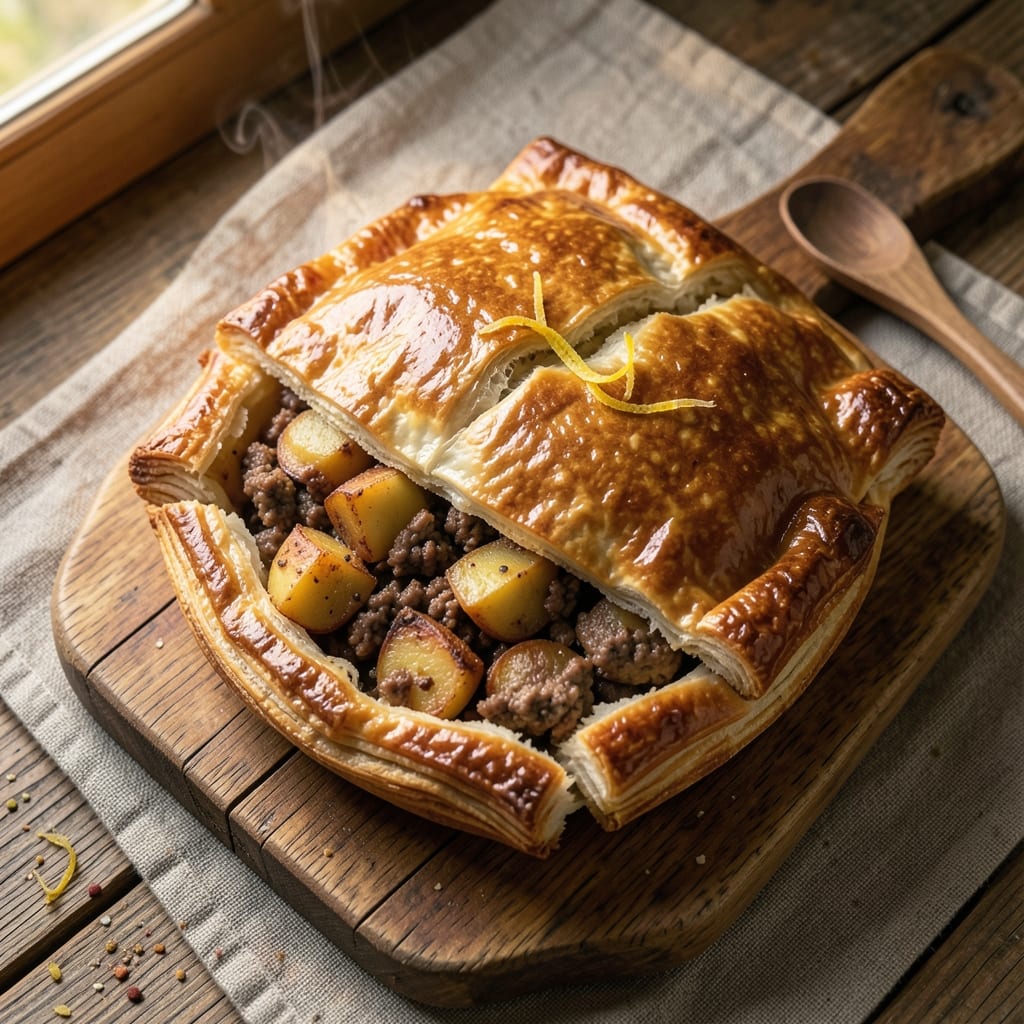
This beef and potato pasty recipe delivers the perfect balance of flaky crust and hearty filling that tastes like a hug from Cornwall. The secret lies in a well-constructed dough that encases tender beef, potatoes, and onions—steamed to perfection inside a golden, crispy pocket. I've perfected this recipe over years of testing, ensuring the filling stays juicy while the crust achieves that signature shatteringly crisp texture.
The traditional pasty technique involves creating a steam pocket by pinching the edges tightly before baking, which keeps the filling moist and flavorful. You'll start with a simple dough made from flour, lard, and a touch of salt, then layer it with seasoned beef, diced potatoes, and onions. The beauty of this dish is its versatility—whether you're making it for a family dinner or a rustic potluck, the pasty always delivers impressive results.
What makes this recipe truly special is how the flavors meld together during baking. The beef becomes tender and rich, the potatoes develop a creamy texture, and the crust achieves that golden brown finish that's impossible to resist. The aroma alone will have everyone gathering around the table, and each bite combines the satisfying crunch of the crust with the comforting warmth of the filling.
Ready in about 45 minutes, this pasty is perfect for a cozy weeknight dinner or a special occasion. The dough comes together quickly, and the filling requires minimal prep—just chop, season, and assemble. Once baked, slice into wedges and serve with a side of tangy mustard or a crisp green salad for a complete meal that feels both rustic and refined.
Ingredients for beef and potato pasty
Flaky crust, hearty filling—just these 12 ingredients transform into a rustic Cornish classic.
| Ingredient | Amount | Notes |
|---|---|---|
| All-Purpose Flour 🌾 | 3 cups | For flaky crust texture |
| Lard 🧈 | ½ cup | Cold, for flaky layers |
| Ice Water 💧 | ½ cup | Chilled, for dough handling |
| Salt 🧂 | 1 tsp | Kosher or sea salt |
| Ground Beef 🥩 | 1 lb | 80% lean, finely chopped |
| Russet Potatoes 🥔 | 2 medium | Peeled, diced small |
| Yellow Onion 🧅 | 1 medium | Diced, fine |
| Butter 🧈 | 2 tbsp | Unsalted, melted |
| Black Pepper 🌶️ | ½ tsp | Freshly ground |
| Dried Thyme 🌿 | 1 tsp | Crushed leaves |
| Dried Parsley 🌿 | 1 tsp | For fresh flavor |
| Mustard 🍯 | 1 tbsp | Dijon or whole-grain |
The lard is non-negotiable for that signature flaky texture—leaf lard from Whole Foods or Trader Joe's is ideal, but regular lard works too. Keep it cold when mixing with flour to prevent melting. For the beef, 80% lean ground chuck gives the best flavor—Costco sells it in bulk for great value. Russet potatoes should be firm and free of sprouts; Yukon Golds work too but won't hold their shape as well. The key is dicing them uniformly so they cook evenly inside the pasty. If your lard is warm, chill the dough for 30 minutes before rolling.
No lard? Cold butter works in a pinch—just expect slightly less flakiness. Substituting beef? Pork shoulder or lamb works well, but beef is traditional. For the potatoes, sweet potatoes add sweetness if you want to experiment. The thyme and parsley can be swapped for fresh herbs at double the amount, but dried is more convenient. Mustard adds tang—Dijon for sharpness, whole-grain for texture. If you're making multiple pasties, double the dough recipe—it keeps well in the fridge for 2 days or frozen for 3 months.
The dough needs 30 minutes of rest before rolling—don't skip this. Wrap it tightly in plastic and refrigerate. For the filling, prep everything ahead: chop the potatoes and onions, measure the spices. The pasties can be assembled and refrigerated overnight before baking. If freezing, bake first, then cool completely before storing in airtight containers. Reheat from frozen at 375°F for 20-25 minutes—the crust stays crispy this way.
Why You'll Love This Recipe
- No Flour Fuss: I swear by this dough—just mix flour, lard, ice water, and salt until it stops sticking. No rolling pin required; I just pat it out with my hands while watching TV. That crispy, golden crust? Pure magic with zero effort.
- Rich, Rustic Bite: The lard in the crust and the tender ground beef filling create layers of flavor—salty, savory, and just a hint of smoky richness. Honestly, the first bite makes me forget about takeout menus forever.
- Lunchbox Legend: These pasties are my secret weapon for meal prep—I bake a batch on Sunday and freeze them. Reheat in the oven, and they’re ready for school lunches or a quick workday dinner. (Yes, even the picky eaters ask for seconds.)
- Budget-Friendly Feast: Ground beef and potatoes stretch into a filling meal that costs next to nothing. I make six pasties for under $10, and they feed my whole family—plus, leftovers taste just as good reheated as they do fresh. That’s real value.
Step-by-step instructions for beef and potato pasty
Master the art of flaky layers and hearty fillings with this traditional method.
Make the Flaky Pastry Dough
In a large bowl, combine the 3 cups all-purpose flour and 1 teaspoon salt. Cut in the ½ cup cold lard using a pastry cutter or two forks until the mixture resembles coarse crumbs with pea-sized fat pieces. This texture is crucial for achieving that signature flaky crust.
Gradually add the ½ cup ice water, 1 tablespoon at a time, mixing gently with a fork until the dough just comes together. Avoid overworking it—just until the dough holds when pressed. Shape into a rough disk, wrap in plastic, and chill for 30 minutes. The cold dough prevents excessive spreading during baking and ensures those delicate layers.
Prepare the Savory Filling
In a large skillet over medium-high heat, cook the 1 pound ground beef until browned, breaking it up with a wooden spoon. Drain excess fat, leaving about 1 tablespoon in the pan for flavor. Add the finely diced yellow onion and cook until softened, about 5 minutes. This step builds the foundation of your filling's rich flavor.
Add the peeled and diced russet potatoes, 2 tablespoons melted butter, ½ teaspoon black pepper, 1 teaspoon dried thyme, 1 teaspoon dried parsley, and 1 tablespoon mustard. Stir well to combine, then remove from heat. The potatoes should be tender but not mushy—they'll finish cooking in the oven. Let the filling cool slightly before assembling.
Assemble the Pasty
Preheat your oven to 375°F. On a lightly floured surface, roll out about ⅔ of the chilled dough into a 12-inch circle. Spoon the filling onto the center, leaving a 2-inch border. Fold the edges up and over the filling, then crimp the edges with a fork or your fingers to seal completely. This creates that iconic half-moon shape while ensuring the filling stays contained during baking.
Brush the top with a little water using a pastry brush, then cut a small steam hole in the center. Place on a parchment-lined baking sheet and bake for 45-50 minutes until the crust is deep golden brown and the filling is bubbling through the steam hole. The crust should sound hollow when tapped—this indicates it's fully baked.
Rest and Serve
Remove from the oven and let the pasty rest for 10 minutes before serving. This resting period allows the filling to set slightly and makes it easier to slice. The crust should be crisp and flaky, while the filling remains moist and flavorful. Serve warm with a side of mustard or a simple green salad for a complete meal.
For best results, serve immediately while the crust is at its crispest. Leftovers can be reheated in a 350°F oven for 15-20 minutes to restore the flaky texture. The secret to this pasty lies in the flaky crust and perfectly balanced filling—don't rush either component.
Pro Tips For Making Beef And Potato Pasty
- Chill the Dough First: I learned this the hard way—rolling out cold dough is a nightmare. Wrap the dough in plastic and refrigerate for 30 minutes before shaping. It’ll handle better, seal tighter, and you won’t end up with a lumpy mess fighting sticky dough.
- Use Cold Lard: Sounds weird, but it works: pull the lard straight from the fridge and cut it into small cubes. Mixing cold fat into the flour creates pockets that steam during baking, giving you that signature flaky crust. Warm lard? You’re just making a dense brick.
- Don’t Overwork the Meat: Once you’ve seasoned the ground beef with salt and pepper, resist the urge to keep pressing it down. Overworking it turns the filling dense and greasy. Just mix it lightly with your hands—enough to combine, but leave it rustic.
- Steam Before Baking: Place your shaped pasty on a baking sheet, then cover it loosely with foil. Bake at 375°F (190°C) for 20 minutes first. This steaming step locks in moisture so the potatoes stay tender instead of drying out. I skip this when I’m lazy, and the difference is noticeable.
Serving suggestions for this beef and potato pasty
Classic Mustard Dip
Serve your pasty with a side of Dijon mustard mixed with a splash of apple cider vinegar—about 2 tablespoons of each. This tangy dip cuts through the richness of the beef and potatoes beautifully. I like to add a pinch of black pepper and ½ teaspoon sugar to balance the flavors. Store-bought French's Classic Yellow Mustard works in a pinch if you're short on time. 🍯
Crisp Green Salad
A simple mixed greens salad with a light vinaigrette keeps the meal fresh and balanced. Toss 4 cups baby spinach or arugula with 1 tablespoon olive oil, 1 teaspoon balsamic vinegar, and a pinch of salt. Add ¼ cup sliced radishes or thinly sliced cucumber for crunch. The peppery greens contrast perfectly with the hearty pasty. 🥗
Pickled Vegetables
Brighten your plate with quick-pickled red onions or carrots. Thinly slice 1 small red onion and 1 carrot, then soak in a mix of ½ cup apple cider vinegar, ½ cup water, 1 tablespoon sugar, and ½ teaspoon salt for at least 30 minutes. The acidity enhances the savory filling and adds a refreshing crunch. 🥕
Creamy Coleslaw
For a heartier side, try a quick coleslaw with a creamy dressing. Shred 2 cups cabbage and 1 carrot, then toss with 2 tablespoons mayonnaise, 1 tablespoon sour cream, 1 teaspoon apple cider vinegar, and a pinch of celery seed. The cool, creamy texture complements the warm pasty wonderfully. 🥬
Beverage Pairings
Pair your pasty with a dark ale like Guinness or a crisp lager such as Peroni to balance the richness. For non-alcoholic options, sparkling apple cider or iced tea with lemon works beautifully. The effervescence cleanses the palate between bites of flaky crust and savory filling. 🍺
Make-Ahead Serving
If serving a crowd, assemble the pasties ahead of time and refrigerate them overnight. Bake straight from the fridge—just add 5-10 extra minutes to the baking time. The crust stays crisp, and the filling remains juicy. For a rustic touch, serve on a wooden board with extra mustard and pickled veggies scattered around. 🍽️
Nutrition facts
Frequently asked questions
Why does the dough need to rest before rolling?
The 30-minute rest allows the gluten to relax, preventing the dough from shrinking or tearing when you roll it out. Cold dough also helps create those signature flaky layers—without it, the lard won't create proper separation between the layers. Think of it like giving the dough a chance to "breathe" before the big bake!
Can I make this pasty ahead of time?
Assemble the pasties and refrigerate them overnight before baking. For frozen pasties, bake first, then cool completely before storing in airtight containers. To reheat from frozen, bake at 375°F for 20-25 minutes—the crust stays crispy this way. The flavors actually deepen after resting!
What's the best way to slice a pasty?
Let the pasty rest for 10 minutes after baking before slicing to prevent the filling from spilling out. Use a sharp knife and cut into 8 wedges, starting from the center outward. For extra flaky texture, slice through the crust at an angle. Serve immediately while the crust is at its crispest!
Can I substitute butter for lard in the dough?
You can use cold butter as a substitute, but expect slightly less flakiness. The lard's higher fat content creates more layers. For best results, use leaf lard (available at specialty stores) or a 50/50 mix of lard and butter. The texture difference is worth the effort for that authentic pasty experience!
How do I know when the pasty is fully baked?
The crust should be deep golden brown and sound hollow when tapped. The filling should be bubbling through the steam hole, and the internal temperature should reach 165°F in the center. If the crust browns too quickly, tent it with foil for the last 10 minutes of baking.