
Main Courses
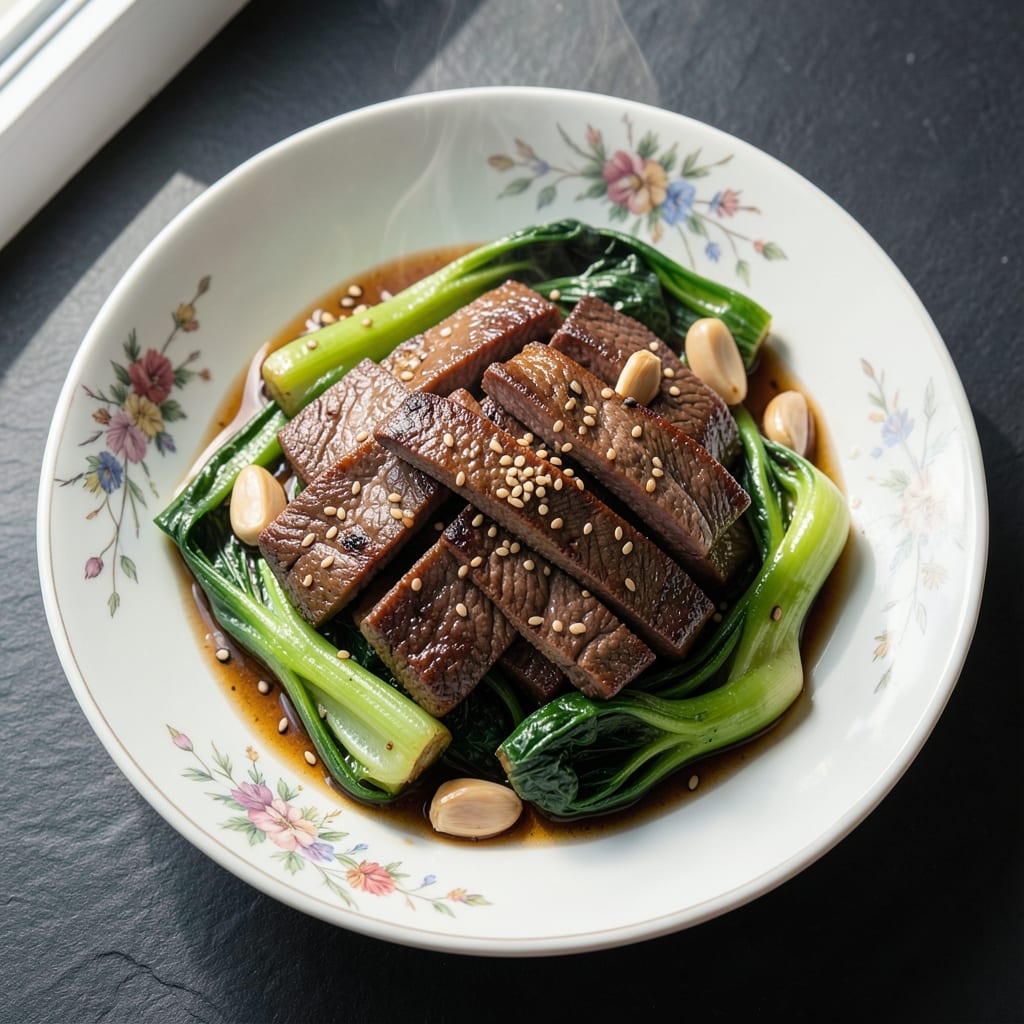
This beef and pak choi stir fry delivers restaurant-quality wok-hei flavor with perfectly seared beef strips and vibrant, slippery greens in just 20 minutes. The secret lies in high-heat searing and precise timing—no soggy vegetables or overcooked meat here. I developed this recipe after years of testing stir-fry techniques, and it never fails to impress, whether you're feeding a crowd or treating yourself to a quick weeknight meal.
The key to success is prepping everything ahead: thinly slicing the beef against the grain for tender bites and washing the pak choi thoroughly to remove any grit. A quick marinade with soy sauce and cornstarch ensures that beef stays crispy while absorbing maximum flavor. The stir-fry technique itself is simple but critical—getting the wok or pan screaming hot before adding oil creates that signature smoky aroma and crispy texture that defines wok-hei cooking.
What you'll end up with is a plate of golden-brown beef with caramelized edges, bright green pak choi that's still crisp-tender, and a sauce that's perfectly balanced—savory, slightly sweet, and umami-rich. The aroma alone will have everyone gathering around the table, and the first bite delivers that satisfying contrast of textures and flavors. This is the kind of dish that transforms a simple weeknight into a memorable dining experience.
Serve it over steamed rice or noodles to soak up every last bit of that flavorful sauce. The recipe scales easily, so you can double or halve it without losing quality. Let's get cooking—this stir fry is simpler than it looks but delivers restaurant-quality results every time.
Ingredients for beef and pak choi stir fry
Quick grocery run for these 14 ingredients—everything you need for crispy beef and vibrant greens.
| Ingredient | Amount | Notes |
|---|---|---|
| Flank Steak 🥩 | 1 lb | Thinly sliced against grain |
| Pak Choi 🥬 | 1 lb | Baby or regular, washed well |
| Low-Sodium Soy Sauce 🍶 | ¼ cup | For marinade and sauce |
| Cornstarch 🌾 | 1 tbsp | For crispy beef coating |
| Garlic Cloves 🧄 | 4 cloves | Minced for marinade |
| Sesame Oil 🫒 | 1 tbsp | For aroma (not cooking) |
| Vegetable Oil 🫒 | ½ cup | High smoke point preferred |
| Oyster Sauce 🍶 | 2 tbsp | For umami depth |
| Honey 🍯 | 1 tbsp | For subtle sweetness |
| Red Pepper Flakes 🌶️ | ½ tsp | Optional for heat |
| Green Onions 🧅 | 3 whole | Sliced for garnish |
| Sesame Seeds 🌾 | 1 tsp | Toasted for crunch |
| Salt 🧂 | ½ tsp | Kosher or sea salt |
| Black Pepper 🌶️ | ¼ tsp | Freshly ground |
The beef is everything here. Flank steak is lean and slices beautifully against the grain—skirt steak works too. Grab it from the butcher counter if possible (they'll slice it for you), or ask the meat department to do it. Look for good marbling—it keeps the beef juicy while searing. If you can't find flank steak, sirloin in a pinch, but slice it extra thin. The pak choi? Baby pak choi from the produce section is sweeter and more tender—Trader Joe's has great pre-washed bags that save time. Wash it thoroughly before using, even if it's pre-washed—grit ruins the texture.
No low-sodium soy sauce? Regular soy sauce at half the amount works, but you'll need to adjust salt later. Cornstarch is non-negotiable for that crispy crust—arrowroot powder works too if you're out. The garlic can be pre-minced from a jar (trust me, it's fine), but fresh is always better. Sesame oil smells amazing but burns easily—add it at the very end for aroma. For the sauce, Lee Kum Kee oyster sauce is my go-to, but any brand works. Skip the honey if you're avoiding sugar—maple syrup is a solid swap. The red pepper flakes? Taste first—some brands are way hotter than others.
Prep ahead to save time: slice the beef and chop the garlic the night before. Store everything in airtight containers in the fridge. The cooked stir-fry reheats beautifully—2 minutes in a hot pan with a splash of water revives the crispiness. Keeps for 3 days in the fridge or 3 months frozen. I always make extra because it's that good. Serve over steamed rice or noodles—jasmine rice is ideal, but any white rice works.
Why You'll Love This Recipe
- Stove Time Saved: I swear by this recipe on nights when I’m already late. The flank steak slices in minutes—no fancy butchering—and the pak choi chops itself (seriously, it’s that easy). Toss in the garlic, a splash of soy, and you’re done before the rice even finishes.
- Umami Magic: That cornstarch coating? It’s the secret weapon—crispy edges on the beef, silky sauce clinging to every bite. The low-sodium soy sauce keeps it bright, not salty, and the garlic? Oh, it hits in all the right ways. Honestly, I’ll take this over takeout any day.
- Leftover Reinvention: This stir-fry keeps perfectly for three days, and I don’t even joke about it. Double the batch on Sunday, and you’ve got lunch ready—just reheat with a drizzle of soy and a sprinkle of sesame seeds. (Yes, even on a Tuesday night.)
- Budget-Friendly Powerhouse: Flank steak stretches further than you’d think, and pak choi is dirt cheap at the market. A single pound of beef feeds four, and the rest of the ingredients? Less than five bucks total. Between us, this is how I feed my family well without breaking the bank.
Step-by-step instructions for beef and pak choi stir fry
Here's how to nail that perfect wok-hei texture with tender beef and vibrant greens.
Prep the Flank Steak for Maximum Crispiness
Slice the 1 lb flank steak thinly against the grain into ¼-inch thick strips. This ensures tender bites and faster cooking. In a bowl, combine the steak strips with 0.25 cup low-sodium soy sauce, 1 tbsp cornstarch, 4 minced garlic cloves, 0.5 tsp salt, and 0.25 tsp black pepper. Toss gently until the cornstarch coats the beef evenly—this creates that signature crispy crust when seared.
Let the marinated beef rest for 15 minutes while you prep the pak choi. This time allows the cornstarch to fully adhere, guaranteeing that wok-hei texture we're after. Don't skip this step—it's what separates good stir-fry from great stir-fry.
Blanch the Pak Choi for Perfect Texture
Fill a large pot with water and bring to a rolling boil. Add the 1 lb pak choi and blanch for 1 minute—just enough to soften the stems slightly while keeping the leaves crisp. Immediately drain and plunge into ice water to stop the cooking process. This quick shock treatment preserves the pak choi's vibrant color and slippery texture.
Drain well and pat dry with paper towels. The pak choi should be cool enough to handle but still retain moisture—this prevents it from turning mushy during the stir-fry. Keep it in a colander until you're ready to cook.
Create the Signature Sauce
In a small bowl, whisk together 2 tbsp oyster sauce, 1 tbsp honey, 0.5 tsp red pepper flakes (if using), and 1 tbsp sesame oil. This sauce should be smooth and well-combined—no lumps. Set it aside while you prep the wok. The honey adds subtle sweetness that balances the savory umami from the oyster sauce, while the sesame oil brings that authentic wok-hei aroma.
I like to taste the sauce at this stage to adjust seasoning. If it needs more heat, add a pinch more red pepper flakes. If it's too sweet, a splash of soy sauce helps balance it. Remember, you can always adjust as you cook, but starting with a well-seasoned base makes all the difference.
Cook the Beef to Wok-Hei Perfection
Heat 0.5 cup vegetable oil in a wok or large skillet over high heat until shimmering. Add the marinated beef in a single layer and let it sear undisturbed for 1-2 minutes until the edges are deep golden brown and crispy. This is where the magic happens—don't move it yet, even if it looks like it's sticking. The cornstarch will create that beautiful crust.
Once the beef is browned, stir-fry for another 30 seconds to cook through. Remove the beef from the wok and set it aside. The high heat should carry over and finish cooking the beef perfectly. If you find any pieces sticking, add a splash of water to deglaze and scrape up those flavorful browned bits.
Finish with Pak Choi and Sauce
In the same wok, add a bit more oil if needed and bring the heat back to high. Toss in the blanched pak choi and stir-fry for 1-2 minutes until just wilted but still vibrant. Add the cooked beef back to the wok along with the prepared sauce. Toss everything together for 30 seconds to coat the beef and pak choi evenly with the sauce.
Finish with 3 sliced green onions and 1 tsp toasted sesame seeds. Serve immediately over steamed rice while the pak choi is still bright and the beef retains that perfect wok-hei crispiness. The contrast of the slippery greens with the crispy beef is what makes this dish truly special.
Pro Tips For Making Beef And Pak Choi Stir Fry
- Slice Against the Grain: Flank steak’s fibers run long—cutting them perpendicular to the grain shortens them, so every bite stays tender. Grab your knife and slice at a 45-degree angle after cooking; it’s more work upfront but saves you from chewing leather.
- Prep Pak Choi Like a Pro: Tear the leaves away from the stems instead of chopping everything. The stems take longer to soften and can turn mushy if overcooked—keep them whole or slice them thinner. (Yes, it looks messy, but it cooks evenly.)
- Velvet the Beef: Toss sliced flank steak in 1 tablespoon cornstarch and a splash of soy sauce before searing. The starch creates a glossy crust that locks in juices, while the soy adds depth early. Skip this, and you’ll end up with dry slices that stick to the pan.
- Start Hot, Finish Fast: Sear the beef on high heat until deeply browned—this builds flavor—but as soon as the pak choi hits the pan, drop the heat to medium-high. Crowding the pan steams the greens instead of wok-frying them, turning them soggy. Work in batches if needed.
Wine and beer pairings for these flavors
Crisp White Wine
For this vibrant stir fry, I reach for a dry Riesling from Germany or a Sauvignon Blanc from New Zealand. The crisp acidity cuts through the richness of the beef while complementing the pak choi's natural sweetness. A glass of 2019 Dr. Loosen Blue Slate Riesling (around $25) has just the right balance of citrus and mineral notes that elevate the dish without overpowering it. 🍷
Light Lager
A Japanese lager like Asahi Super Dry or Sapporo is my go-to beer pairing. The clean, crisp profile lets the stir fry's flavors shine while adding a refreshing contrast. The subtle hop bit also enhances the sesame and garlic notes in the dish. For a craft option, try a Belgian witbier like Stella Artois Wit—its coriander and citrus notes mirror the pak choi's freshness. 🍺
Rice Wine Pairing
If you're serving this with steamed rice, consider a dry sake like Dassai 18 or Kubota Junmai. The nutty, slightly umami profile of junmai sake complements the beef's caramelized crust and oyster sauce. For a non-alcoholic option, Yakult Rice Vinegar (diluted with sparkling water) creates a refreshing, tangy sip that mirrors the dish's bright flavors. 🍶
Spicy Variations
If your stir fry includes red pepper flakes, a Gewürztraminer from Alsace adds a nice contrast with its lychee and spice notes. For heat lovers, a Chenin Blanc with a hint of chili works beautifully. I like to chill my wine slightly more than usual (around 45°F) to enhance the refreshing qualities that balance the spice. 🌶️
Beer Brewing Tip
Want to try your hand at pairing? Brew a light wheat beer with notes of ginger and citrus—it'll mirror the stir fry's fresh ingredients perfectly. For a quick homebrew, add 1 oz of coriander seeds and ½ oz of orange peel to your fermenter. The result? A beer that tastes like it was made for this dish. 🍺
Nutrition facts
Frequently asked questions
Can I substitute flank steak with another cut?
Skirt steak works perfectly—it's even more flavorful. For leaner options, try sirloin or ribeye, but slice them ⅛-inch thick and marinate for 20 minutes to ensure tenderness. Avoid tougher cuts like chuck—they won't hold up to the quick stir-fry method.
Why does my pak choi turn mushy?
Overcooking is the #1 culprit. Blanch pak choi for only 1 minute (not longer!) and stir-fry for 1-2 minutes max over high heat. Also, ensure it's completely dry before cooking—any moisture steams the greens instead of searing them. Pro tip: Use a wok or large skillet to maximize surface area and prevent crowding.
How do I get that crispy crust on the beef?
The cornstarch marinade is key, but timing matters most. Let the beef rest 15 minutes after marinating so the coating adheres. Then sear undisturbed for 1-2 minutes until golden brown—resist the urge to stir! High heat (highest setting) and a screaming-hot wok create that signature wok-hei texture. A splash of water can help release stuck bits without losing crispiness.
Can I make this ahead of time?
Cooked stir fry reheats beautifully! Store in an airtight container for 3 days in the fridge. To revive crispiness, reheat in a hot pan with 1 tsp oil and 1 tsp water for 2 minutes over medium-high heat. For freezing, cook fully, cool completely, then freeze for up to 3 months. Thaw overnight in the fridge before reheating.
What's the best way to serve this?
Steamed jasmine rice is classic, but don't stop there! Try rice noodles for a lighter option or cauliflower rice for low-carb. Garnish with extra sesame seeds and green onions for color. For extra flavor, drizzle with a chili oil or serve with sriracha on the side. The contrast of slippery greens and crispy beef makes every bite exciting!