
Soups & Stews
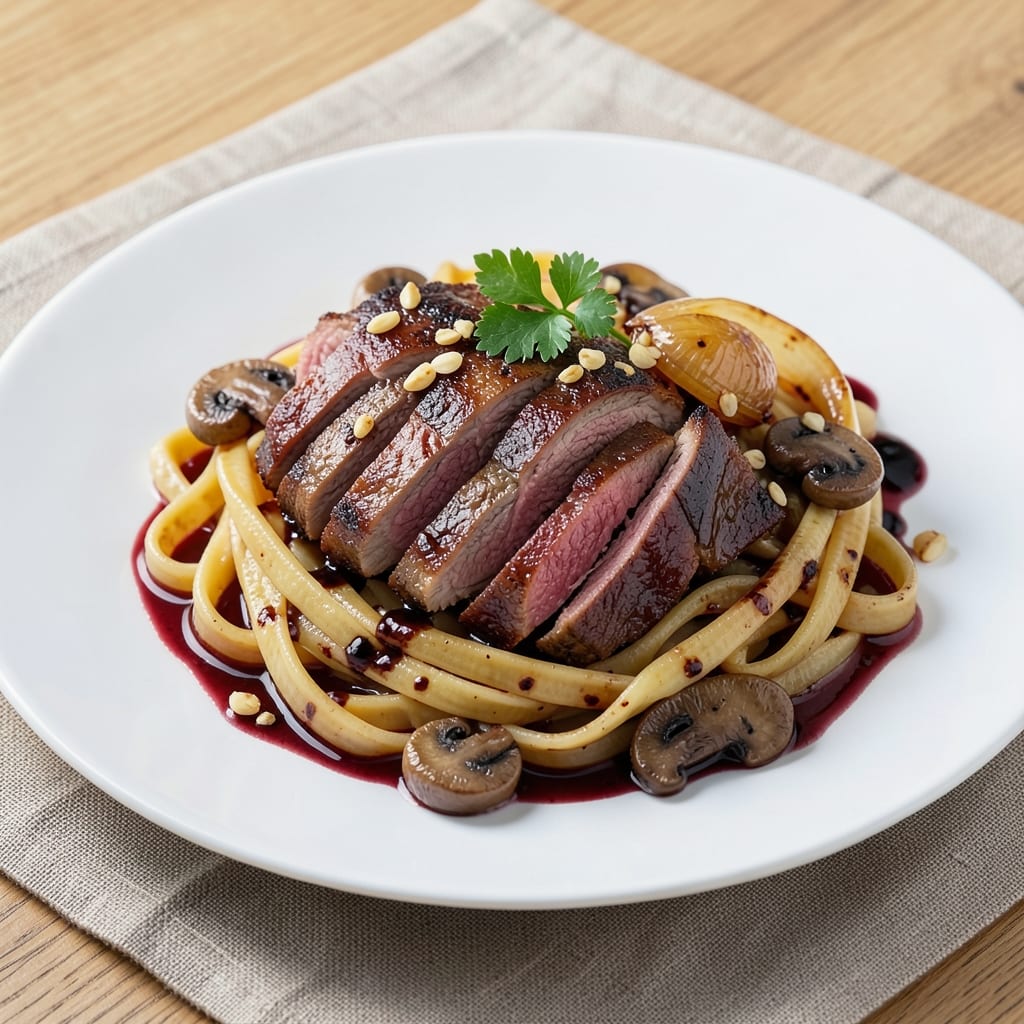
This beef and mushroom pasta recipe delivers restaurant-quality depth with every forkful—where tender beef strips and earthy mushrooms meld into a rich, umami-packed sauce. The secret lies in proper searing and slow simmering, transforming simple ingredients into a dish that feels both elegant and approachable. I've perfected this technique over years of testing, ensuring the beef stays tender while absorbing all those savory flavors.
The process starts with high-heat searing for beef and mushrooms, developing deep caramelized notes before building the sauce with garlic, onions, and a splash of red wine. This isn't just another pasta dish—it's a flavor experience where each component plays a crucial role. The pasta cooks al dente to handle the robust sauce without turning mushy, while the final toss combines everything into perfect harmony.
What you'll end up with is pasta coated in a velvety sauce that balances beefy richness with mushroom earthiness, all finished with a sprinkle of fresh herbs. The dish serves four generously, making it ideal for weeknight dinners or weekend gatherings. Pair with garlic bread and a simple salad for a complete meal that feels special without requiring hours in the kitchen.
This recipe delivers on both flavor and practicality—no fancy techniques required, just proper timing and attention to detail. The result is a dish that tastes like it came from an Italian trattoria but works perfectly in your home kitchen. Let's get started on creating this umami-rich masterpiece.
Ingredients for beef and mushroom pasta
Rich beef and earthy mushrooms transform simple pasta into an elegant umami masterpiece.
| Ingredient | Amount | Notes |
|---|---|---|
| Beef Chuck Roast 🥩 | 1 ½ lb | Cut into 1-inch strips |
| Creamini Mushrooms 🍄 | 16 oz | Sliced into quarters |
| Yellow Onion 🧅 | 1 whole | Diced into small pieces |
| Garlic Cloves 🧄 | 4 cloves | Minced finely |
| Fettuccine Pasta 🍝 | 12 oz | Dry, al dente preferred |
| Dry Red Wine 🍷 | ½ cup | Bold variety like Cabernet |
| Beef Broth 💧 | 1 cup | Low-sodium preferred |
| Heavy Cream 🥛 | ½ cup | Full-fat for richness |
| Fresh Thyme Leaves 🌿 | ¼ cup | Chopped finely |
| Fresh Parsley Leaves 🌿 | ¼ cup | Chopped for garnish |
| Olive Oil 🫒 | 2 tbsp | Extra-virgin preferred |
| Salt 🧂 | 1 tsp | Kosher or sea salt |
| Black Pepper 🌶️ | ½ tsp | Freshly ground |
| Butter 🧈 | 2 tbsp | Unsalted, for finishing |
The beef is everything here. Chuck roast gives you that perfect balance of tenderness and flavor—sirloin or ribeye will stay too tough. Cut it into even strips so they cook through without drying out. I always grab mine from Costco when I'm doing a big batch, but the regular grocery store chuck works fine. Look for good marbling—those white streaks mean more flavor. The mushrooms? Creamini are my go-to because they hold up to high heat without turning to mush, but shiitake or oyster mushrooms work beautifully too if you're feeling fancy.
No red wine? Beef broth with a splash of balsamic vinegar gets you close—just add an extra tablespoon of sugar to balance the acidity. Fresh thyme is ideal, but dried at one-third the amount works in a pinch. The pasta needs to be al dente—undercooked is better than mushy. For the olive oil, Californian extra-virgin from Trader Joe's is my secret weapon, but any good quality oil will do. The butter at the end? Don't skip this part—it adds that final luxurious touch that makes this dish feel restaurant-worthy.
This sauce tastes even better the next day—honestly, it's worth making extra. Keeps for 4-5 days in the fridge, and freezes beautifully for 3 months. I portion mine into containers so lunches are sorted for the week. Store the pasta separately if you're prepping ahead, then toss it with the sauce right before serving. The herbs should go on last—freshly chopped makes all the difference.
Why You'll Love This Recipe
- I swear by this trick: brown the chuck roast first, then toss everything in the same pan with the pasta. Less dishes, more flavor—those mushrooms caramelize right into the beefy sauce while the fettuccine cooks. (Yes, even on a Tuesday night.)
- Here’s what sold me: this makes perfect leftovers. Pack the next day’s lunch with pasta, beef, and mushrooms still clinging together, reheated in minutes. My kids actually eat their veggies this way. (Not the prettiest, but the taste makes up for it.)
Step-by-step instructions for beef and mushroom pasta
This method delivers rich umami flavors through precise timing and layering techniques.
🍳 Step 1: Sear the Beef Chuck Roast
Heat a large skillet over medium-high heat and add the 2 tablespoons olive oil. Once shimmering, add the 1.5 lb beef chuck roast strips in a single layer, being careful not to overcrowd. Let them sear undisturbed for 3-4 minutes until developing a deep brown crust on all sides.
Here's the thing—don't move the beef until you see that perfect crust forming. If it sticks, gently nudge it with a wooden spoon rather than scraping. Once browned on all sides, remove the beef and set it aside on a plate. You'll notice the beef releases easily when properly seared, which means it's ready for the next stage. This initial searing builds the foundation for that deep, meaty flavor we're after.
🍳 Step 2: Develop the Mushroom and Aromatic Base
In the same skillet (no need to clean it—the browned bits add flavor), add 2 tablespoons butter and let it melt completely. Add the 1 whole yellow onion and cook for 5 minutes until softened and translucent. Stir in the 16 oz creamini mushrooms and cook for another 6-8 minutes until they release their moisture and begin to brown.
Add the 4 cloves minced garlic and 0.25 cup chopped fresh thyme leaves and cook for 30 seconds until fragrant. This step is where the earthy mushroom flavors meld with the sweetness of the onions and the aromatic punch of garlic and thyme. The mushrooms should be tender but still hold their shape—don't let them turn to mush. If they release too much liquid, let it evaporate before proceeding.
🍷 Step 3: Deglaze and Build the Sauce
Pour in the 0.5 cup dry red wine and scrape up all the browned bits from the bottom of the pan with a wooden spoon. Let the wine simmer for 3-4 minutes until reduced by half. Add the 1 cup beef broth and bring to a gentle simmer, then return the seared beef to the skillet. Let it cook for 10-12 minutes until the beef is tender and easily pierced with a fork.
The wine reduction creates a concentrated flavor base, and the beef broth adds depth while keeping the sauce from becoming too heavy. As the beef cooks, it will release juices that infuse into the sauce, creating a rich, umami-packed liquid. If the sauce starts to reduce too quickly, add a splash of water to maintain the proper consistency. This is the moment that matters—balance is key between tender beef and flavorful sauce.
🍲 Step 4: Finish with Cream and Pasta
Strain the beef and sauce through a fine-mesh sieve to remove any excess thyme stems or mushroom debris. Return the sauce to the skillet and stir in the 0.5 cup heavy cream. Simmer for 2-3 minutes until the sauce thickens slightly but remains silky. Season with 1 teaspoon salt and 0.5 teaspoon black pepper, adjusting to taste.
Meanwhile, cook the 12 oz fettuccine pasta in a separate pot of salted boiling water until 1 minute shy of al dente. Reserve 1 cup pasta water before draining, then add the cooked pasta to the beef and sauce. Toss gently to coat, adding reserved pasta water as needed to achieve a creamy consistency. The pasta should be perfectly coated with sauce, with each strand carrying bits of tender beef and earthy mushrooms.
🍽️ Step 5: Serve with Fresh Herbs
Transfer the pasta to serving plates and top each portion with the reserved beef. Garnish with 0.25 cup chopped fresh parsley leaves for a pop of freshness and color. Serve immediately while the pasta is hot and the sauce is at its peak consistency. The combination of tender beef, rich sauce, and al dente pasta creates a harmonious balance of textures and flavors that will satisfy any pasta lover.
Real talk: The sauce will thicken as it cools, so if it starts to look too thick after a few minutes, simply toss in a splash of hot water or pasta water to loosen it. This dish is best enjoyed fresh, with each bite delivering layers of umami, earthy mushroom flavor, and the richness of the cream sauce.
Pro Tips For Making Beef And Mushroom Pasta
- SEAR THE BEEF FIRST: I used to toss the chuck roast straight into the sauce, and it ended up gray and sad. Instead, cut it into 1-inch cubes, pat them very dry with paper towels, then hit a hot skillet with 2 tablespoons of oil—high heat, no crowding. The crust locks in flavor and keeps the meat from turning to mush later.
- SAUTE MUSHROOMS LOW AND SLOW: Creamini mushrooms release their water like they’re auditioning for a musical. After searing onions and garlic, push them to the side, reduce heat to medium-low, and let the mushrooms cook undisturbed for 5 minutes. Only then stir—this caramelizes them properly without a soggy mess.
- SALT THE PASTA WATER LIKE THE SEA: Your fettuccine deserves more salt than you think. Toss in at least 2 tablespoons per 4 quarts of water (yes, even if your pasta box says otherwise). Under-salted water means bland noodles, and no one wants that fighting with rich beef and mushrooms.
- DEGLAZE WITH BEER OR BROTH: After browning the beef, don’t just splash in water—use ½ cup of beer (stout or ale works) or beef broth. It adds depth without thinning the sauce too fast. Scrape up those browned bits (the fond) while you’re at it—that’s where the flavor hides.
Essential equipment for this dish
Skillet Essentials
Your 10-inch cast-iron skillet is the star of this recipe—it retains heat beautifully for that perfect sear. I swear by my Lodge 10-inch pre-seasoned skillet because it develops a natural non-stick surface over time. For budget-friendly alternatives, a stainless steel skillet with a heavy base works too, but you may need to add a touch more oil to prevent sticking. 🔥
If you're prepping ahead, a large stainless steel sauté pan (like the All-Clad Stainless 10-inch) gives you more surface area for searing without crowding. Just remember: never use non-stick pans for searing beef—the high heat can release harmful fumes. The key is a well-seasoned pan that can handle medium-high heat without warping.
Pasta Tools
A pasta pot with a capacity of at least 8 quarts is non-negotiable—you need room for the pasta to move freely. I use my Cuisinart 6-quart pasta pot (it's a workhorse) but any heavy-bottomed pot with a lid works. The lid helps maintain a steady boil, which is crucial for even cooking. Pro tip: Salt the water generously—about 2 tablespoons per gallon—to season the pasta from the start.
For draining, a fine-mesh colander (preferably stainless steel) prevents pasta from sticking together. I keep a OXO Good Grips colander in my kitchen—it's durable and easy to handle. Reserve 1 cup pasta water before draining—this starchy liquid is liquid gold for adjusting sauce consistency later.
Sauce Thickeners
The fine-mesh sieve (like the Anova Stainless Steel Sieve) is your secret weapon for removing debris while keeping the sauce smooth. I use mine to strain the beef and sauce before adding cream, which prevents any unwanted texture. For a smoother finish, you could also use a nut milk bag if you're feeling fancy, but a good sieve does the job just fine.
If your sauce needs thickening, keep pasta water or beef broth on hand—both work wonders. I also keep a small bowl of cornstarch slurry (1 tbsp cornstarch + 2 tbsp water) nearby for emergencies, but the sauce in this recipe should naturally thicken as it simmers. The heavy cream does most of the work, but the starch slurry is a lifesaver if you're adjusting flavors last-minute.
Garnish & Finishing
Fresh herbs deserve a sharp chef's knife and a cutting board. I use my Victorinox 8-inch chef's knife for chopping parsley and thyme—it's lightweight but razor-sharp. A wooden cutting board (like the John Boos Maple) prevents herbs from turning brown too quickly. For extra flair, I sometimes add toasted pine nuts or grated Parmesan, but keep it simple with the parsley for the classic touch.
Don't overlook a tongs set (I love OXO Good Grips) for tossing the pasta—it gives you better control than a fork. And for serving, a large serving spoon (like the Mercer Culinary Genius) helps portion out the dish beautifully. The final touch? A small bowl of extra parsley on the table so everyone can garnish their own plate.
Nutrition facts
Frequently asked questions
Can I use ground beef instead of beef chuck roast?
Ground beef works in a pinch, but the texture will be different. For best results, use 80/20 ground chuck (20% fat) to mimic the richness of seared strips. Brown the meat thoroughly first—it needs that deep crust to develop flavor. If using ground beef, reduce cooking time to 5-7 minutes after adding broth to prevent drying out.
What if I don't have red wine? Can I substitute?
Use 1 cup beef broth + 1 tablespoon balsamic vinegar for depth, or ½ cup beef broth + ½ cup apple cider for a fruity twist. For extra umami, add 1 teaspoon soy sauce or Worcestershire sauce. The key is maintaining the same acidity level—just adjust seasoning to taste after cooking.
How do I prevent the pasta from getting mushy?
Cook pasta 1 minute less than package instructions (al dente), then drain immediately and toss with sauce right away. Never rinse pasta—it removes the starch needed to cling to the sauce. For extra insurance, reserve 1 cup pasta water and add it gradually to the sauce while tossing. The starchy water acts like a natural thickener.
Can I make this dish ahead of time?
Yes! Cook the beef and sauce completely, then cool and refrigerate for up to 4 days. Store the pasta separately and toss it with the sauce when reheating. For best texture, add a splash of beef broth or water when reheating to loosen the sauce. The flavors actually improve overnight as they meld together.
What's the best way to reheat leftovers?
Gently reheat in a skillet over low-medium heat with a splash of beef broth or water to prevent drying. Add a pat of butter to keep the sauce creamy. Microwaving works too, but stir frequently and cover loosely to retain moisture. For crispy edges, broil for 2-3 minutes at the end.