
Soups & Stews
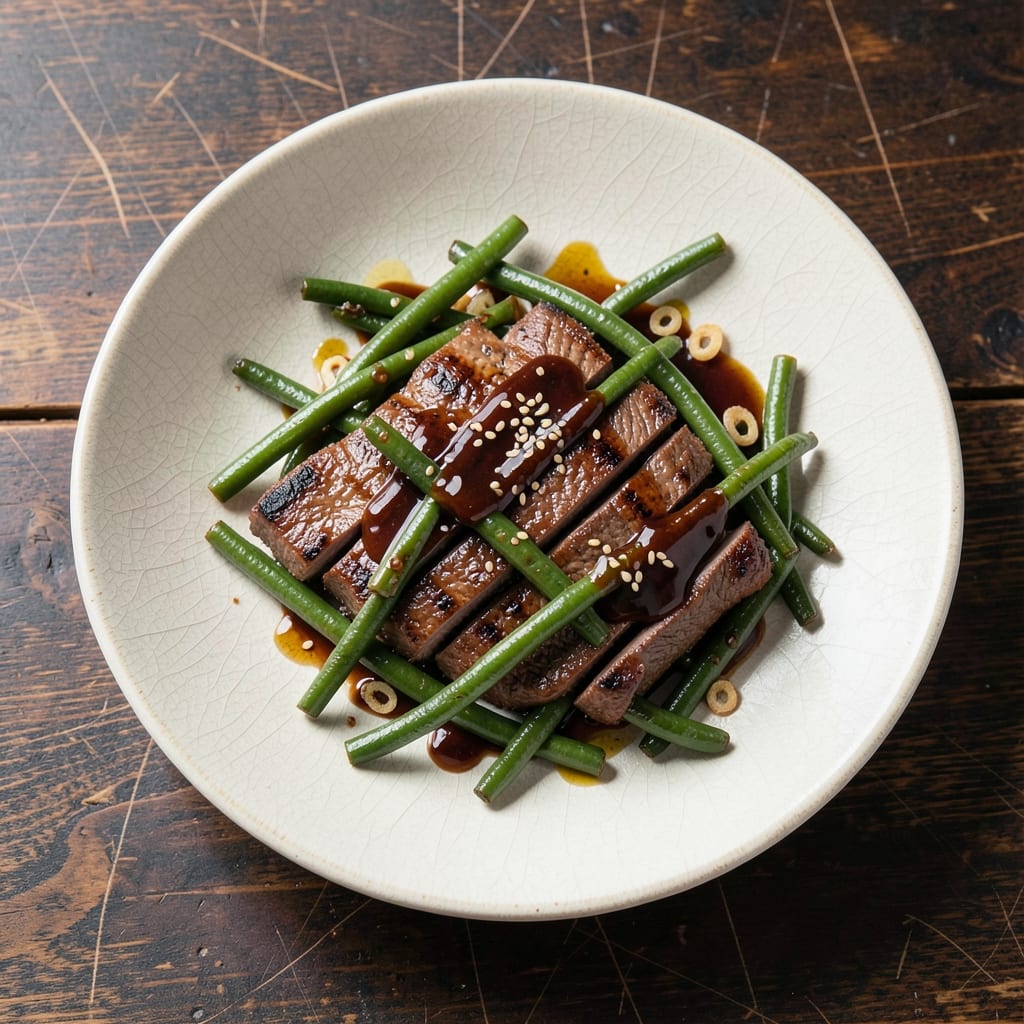
This wok-hei crispy beef with silky long beans delivers the perfect balance of smoky, caramelized edges and tender, juicy beef paired with vibrant green beans. The secret lies in high-heat stir-frying and quick-wok techniques that capture that signature restaurant-quality texture—crispy on the outside, succulent within. I developed this recipe after years of perfecting stir-fry timing, ensuring every bite achieves that coveted contrast. What sets this dish apart is the marriage of textures: beef that develops a deep, mahogany crust while remaining fork-tender, and long beans that stay crisp-tender with just a hint of char. The sauce—a savory blend of soy, oyster, and a touch of sweetness—enhances rather than overpowers, letting the ingredients shine. This isn’t just a stir-fry; it’s a restaurant-worthy dish you can recreate at home with the right technique. The process is straightforward but demands attention to heat control and timing—critical for achieving that crispy finish without drying out the beef. You’ll work in batches to maintain temperature, ensuring each piece gets the perfect sear. The result? A dish that’s rich in umami, vibrant in color, and impossible to resist. Serve it over steamed jasmine rice or noodles to soak up every last drop of that flavorful sauce. Let’s get cooking—this recipe is a game-changer for weeknight dinners.
Ingredients for beef and long beans
Restaurant-quality texture starts with these carefully selected ingredients for wok-hei crispy beef with silky long beans.
| Ingredient | Amount | Notes |
|---|---|---|
| Flank Steak 🥩 | 1 ½ lb | Thinly sliced against grain |
| Long Green Beans 🌱 | 1 ½ lb | Trimmed, cut into 2-inch pieces |
| Light Soy Sauce 🍶 | ½ cup | High-quality, low-sodium preferred |
| Oyster Sauce 🍶 | ¼ cup | Kikkoman brand for authenticity |
| Dark Soy Sauce 🍶 | 1 tbsp | For depth of color |
| Sesame Oil 🫒 | 1 tbsp | Toasted, for aroma |
| Cornstarch 🌾 | 2 tbsp | For crispy coating |
| Garlic Cloves 🧄 | 6 cloves | Minced, fresh preferred |
| Fresh Ginger 🌿 | 2 tbsp | Finely grated, peeled |
| Neutral Oil 🫒 | ½ cup | High smoke point (avocado or peanut) |
| Brown Sugar 🍯 | 1 tbsp | Lightly packed |
| White Wine 🍷 | ¼ cup | Dry, like Sauvignon Blanc |
| Jasmine Rice 🍚 | 2 cups | Uncooked, for serving |
| Salt 🧂 | 1 ½ tsp | Diamond Crystal kosher salt |
| Black Pepper 🌶️ | ½ tsp | Freshly cracked |
The flank steak is non-negotiable for this dish—its lean yet tender texture holds up perfectly to high-heat searing. Look for USDA Choice or Prime at Whole Foods or your local butcher shop, and slice it thinly against the grain for maximum tenderness. Costco often carries pre-sliced versions, but slicing it yourself ensures the right thickness. The long beans should be bright green and crisp—avoid any that feel rubbery or yellowing. If you can't find them at the grocery store, check the Asian market for better selection. For the sauce components, Kikkoman oyster sauce delivers that authentic umami depth, while light soy sauce balances with its cleaner profile. The dark soy sauce isn't just for color—it adds a subtle sweetness that rounds out the flavors.
No flank steak? Skirt steak or sirloin works equally well, but slice it just as thinly. Running out of long beans? Substitute snow peas or regular green beans—just blanch them for 30 seconds first to soften slightly. The cornstarch is crucial for that crispy crust, but if you're out, potato starch works in a pinch. For the aromatics, fresh ginger and garlic are ideal, but powdered ginger or garlic paste (at half the amount) will do. The white wine can be swapped for dry sherry or extra chicken stock, though wine adds a nice brightness. Pro tip: if your sesame oil smells strong, it's fresh—toast it in the wok for 10 seconds before adding other ingredients to release its aroma without overpowering.
Prep the beef and beans ahead of time to streamline cooking—store them in airtight containers in the fridge for up to 2 days. The sauce components keep well for 3 months in the pantry, so mix them in a jar for convenience. This dish reheats beautifully—cover with foil and warm in a skillet over medium heat for 2-3 minutes. For leftovers, portion into containers with a thin layer of neutral oil to preserve crispiness. The rice should be steamed just before serving to maintain its texture—jasmine rice is ideal, but any long-grain variety works. Freeze the beef mixture (without sauce) for up to 3 months if you want to prep ahead for busy nights.
Why You'll Love This Recipe
- One-Pan Magic: Between us, this dish is that recipe you’ll make when you don’t want to wash a million dishes. Flank steak strips and long beans hit the same pan—no chopping, no fuss—just sear, stir, and let the sauces do the work. Honestly, I’ve made it on nights when I’d rather binge Netflix than cook.
- Umami Bomb: That combo of light and dark soy with oyster sauce? It’s like a flavor explosion in your mouth. The beef stays juicy, the beans get that perfect snap, and the sauce clings like a hug. I’ll be real: my picky-eating partner actually licked his plate clean.
- Weeknight to Dinner Party: Need something fast for yourself? Done. Hosting unexpected guests? Also done. The same ingredients work for a quick weeknight stir-fry or a fancier plated dish if you slice the beef thin and garnish with scallions. (Yes, even on a Tuesday night.)
- Budget Stretch: Flank steak is affordable, long beans last forever, and a little soy/oyster sauce goes a long way. I’ve fed four people for under $15 with this, and it still tastes like a restaurant dish. Plus, leftovers reheat like a dream—no dry, sad meat here.
Step-by-step instructions for wok-hei crispy beef with silky green beans
Master the wok-hei technique for restaurant-quality texture—crispy beef and tender green beans in perfect harmony.
Prepare the Marinated Beef for Maximum Flavor and Texture
In a medium bowl, combine the 1.5 lb flank steak (sliced thinly against the grain), 0.5 cup light soy sauce, 0.25 cup oyster sauce, 1 tbsp dark soy sauce, 1 tbsp brown sugar, 6 cloves minced garlic, and 2 tbsp finely grated ginger. Mix well until the steak is fully coated in the marinade. Let it sit for at least 30 minutes (or up to 2 hours in the refrigerator) to tenderize the meat and infuse flavor.
While the beef marinates, prepare the cornstarch slurry by whisking together 2 tbsp cornstarch with 2 tablespoons of the marinade in a small bowl. This slurry will create the crispy wok-hei crust we're after. The longer the marinade sits, the more flavorful and tender the beef will become—don't skip this step, as it's crucial for achieving that signature wok-hei texture.
Cook the Jasmine Rice to Perfect Al Dente
Rinse the 2 cups jasmine rice thoroughly under cold water until the water runs clear. This removes excess starch that can make the rice gummy. Combine the rice with 3 cups water and 1.5 tsp salt in a pot, then bring to a boil over high heat. Once boiling, reduce heat to low, cover tightly, and simmer for 15 minutes. Remove from heat and let it steam, covered, for another 10 minutes. Fluff with a fork before serving—this rice should be tender with a slight bite, not mushy.
The rice acts as the perfect neutral base for this vibrant dish. Don't peek while it cooks—the steam buildup is what creates those individual grains. If you're making this for a crowd, you can cook the rice ahead and keep it warm in a rice cooker or covered pot over low heat.
Sear the Beef for Wok-Hei Crispiness
Heat 0.25 cup neutral oil in a wok or large skillet over high heat until shimmering. Add the marinated beef in a single layer, spreading it out evenly. Let it sear undisturbed for 1-2 minutes until the edges begin to crisp and turn golden brown. This initial sear is critical—it develops the wok-hei texture by creating a crispy crust while keeping the interior tender.
Once the beef is golden on one side, add the cornstarch slurry and toss vigorously for 30 seconds until the beef is fully coated. The cornstarch will create a glossy, crispy coating. Remove the beef and set it aside on a plate. The beef should be golden brown and slightly caramelized—if it's not, it needs more time in the wok. This step is where the magic happens, transforming tender beef into crispy, restaurant-quality bites.
Stir-Fry the Green Beans for Silky Tenderness
In the same wok, add 0.25 cup white wine and scrape up any browned bits from the bottom with a wooden spoon. This deglazing captures all those delicious caramelized flavors. Add 0.5 cup neutral oil and heat until shimmering again. Add the 1.5 lb trimmed and cut long green beans and stir-fry for 3-4 minutes until they're bright green and just beginning to soften—you want them to retain their crisp-tender texture, not become mushy.
Add 1 tbsp sesame oil and toss the green beans for another 30 seconds to infuse them with aroma. The green beans should be vibrant and slightly blistered in spots but still holding their shape. This quick cooking time preserves their natural sweetness and crisp texture. If you're concerned about the beans cooking unevenly, cut them into uniform 2-inch pieces before cooking.
Combine and Finish with Perfect Sauce Balance
Return the seared beef to the wok along with the green beans. Stir-fry everything together for 1-2 minutes until the beef is heated through and the green beans are evenly coated in the sauce. The beef should be crispy on the outside with tender, juicy meat inside, while the green beans remain vibrant and slightly blistered. Taste and adjust seasoning with 0.5 tsp black pepper if needed—you want a balance of salty, sweet, and umami flavors.
Serve immediately over the jasmine rice, garnished with extra sesame seeds if desired. The contrast of crispy beef, silky green beans, and fluffy rice creates a perfect bite. This dish is best enjoyed fresh from the wok, when the textures and flavors are at their peak. If you need to reheat leftovers, do so gently in a skillet to maintain the crispy texture of the beef.
Pro Tips For Making Beef And Long Beans
- Slice Against the Grain: Flank steak’s stubborn fibers need a knife, not brute force. Cut it thin (¼-inch) on the diagonal after cooking—this makes every bite tender, not chewy. (I used to fight this step, but trust me, it’s worth the extra 2 minutes.)
- Blanch Beans First: Toss long beans in boiling water for 30 seconds, then ice bath. This softens them just enough to absorb the sauce without turning mushy. Skip this, and they’ll stay crunchy while the beef gets overcooked.
- Use Dark Soy for Depth: That dark soy sauce isn’t just for color—it adds a smoky, caramelized punch. Add it last (after beef and light soy) and simmer 30 seconds. I learned this the hard way when my dish looked dull but tasted flat.
- Rest Beef Before Slicing: Let the steak sit 5 minutes under foil after searing. The heat redistributes, so it stays juicy when sliced. I know, you’re eager to plate—just wait. (Your knife will thank you.)
Common mistakes when making your beef and long beans
Overcrowding the Wok
This is the #1 mistake I see home cooks make when attempting wok-hei beef. Adding too much beef at once lowers the pan temperature, causing the meat to steam instead of sear. The result? Mushy, gray beef with no crispy edges. Work in batches—I typically divide the 1.5 lb flank steak into 3-4 portions and cook each batch separately. This maintains the high heat needed for that signature crispy crust. 🔥
Skipping the Marinade Time
Rushing the 30-minute minimum marinade time means your beef won't develop enough flavor or tenderness. I've learned this the hard way—under-marinated beef turns out tough and bland. Let the beef sit for at least 30 minutes (or up to 2 hours) in the refrigerator. This allows the acidity in the soy sauce and oyster sauce to break down the muscle fibers, creating that perfect texture contrast we want.
Using Low-Quality Soy Sauce
Not all soy sauces are created equal. Using regular supermarket soy sauce instead of high-quality light soy sauce (like Lee Kum Kee) means you're missing that clean, bright umami flavor. The same goes for oyster sauce—Kikkoman is my go-to because it has a deeper, more complex flavor profile. The difference is noticeable in the final dish, so don't cut corners here.
Overcooking the Green Beans
Long beans should be crisp-tender, not mushy. I've seen people leave them in the wok for too long, resulting in a sad, limp pile of green beans. Cook them for only 3-4 minutes until they're bright green and just beginning to soften. If you're unsure, taste-test one piece—it should offer slight resistance when bitten. 🌱
Ignoring the Cornstarch Slurry
The cornstarch slurry is what creates that magical crispy coating. Skipping it or using too little means you'll miss out on that restaurant-quality texture. I recommend using 2 tbsp cornstarch mixed with 2 tbsp marinade to create a smooth, glossy coating. Toss the beef vigorously in this mixture right before the final sear—this is what gives you that perfect wok-hei finish.
Not Deglazing the Wok
After searing the beef, those delicious browned bits (fond) contain concentrated flavors that you don't want to waste. Adding 0.25 cup white wine to deglaze the wok scrapes up these flavorful bits, creating a richer sauce. Skipping this step means you're missing out on layers of depth in your dish. Always deglaze—it's one of the easiest ways to elevate your stir-fry. 🍷
Nutrition facts
Frequently asked questions
Can I substitute flank steak with another cut of beef?
Skirt steak or sirloin work perfectly—just slice them thinly against the grain for maximum tenderness. Ribeye is too fatty for this dish, while round steak can be tougher. For best results, choose cuts with good marbling but not excessive fat.
How do I prevent the long beans from turning mushy?
Cook them for only 3-4 minutes over high heat until bright green and just tender. Overcrowding the wok lowers the temperature, so cook in batches if needed. For extra crispness, blanch them for 30 seconds in boiling water before stir-frying.
Can I make this recipe without a wok?
Yes! A cast-iron skillet or carbon steel pan works perfectly. Heat it to smoking hot before adding oil. If using a nonstick pan, avoid high heat—it won't develop the crispy crust. A heavy-based pan retains heat better than lightweight options.
What's the best way to reheat leftovers?
Reheat in a skillet over medium heat for 2-3 minutes with a splash of water to restore moisture. Microwaving makes the beef rubbery. For extra crispiness, toss with 1 tsp cornstarch before reheating. Store in airtight containers for up to 3 days.
Is this dish gluten-free?
Not traditionally, but you can make it gluten-free by substituting soy sauces with tamari (gluten-free soy sauce) and using a gluten-free oyster sauce. Check labels carefully—some brands contain wheat. The cornstarch is naturally gluten-free.