
Soups & Stews
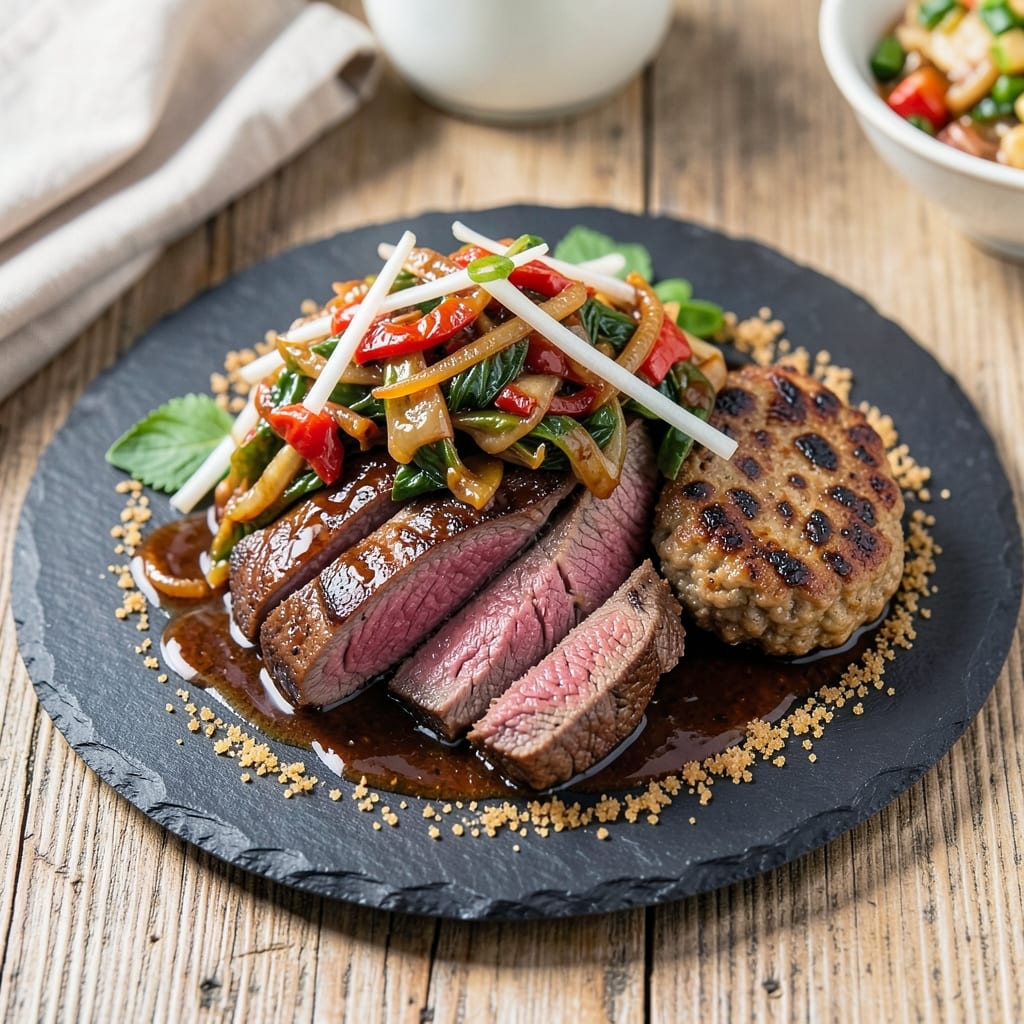
This beef and kimchi recipe delivers a bold fusion of spicy, sweet, and savory flavors that transform simple ingredients into a restaurant-worthy dish. 🌟 The secret lies in balancing the fermented tang of kimchi with tender beef and a rich, caramelized sauce—perfect for weeknight dinners or weekend feasts. Whether you're making traditional kimchi jjigae or a quick stir-fry, this method ensures deep, complex flavors without complicated techniques.
The foundation starts with high-quality kimchi—its natural acidity and spice cut through the richness of the beef while adding layers of umami. I recommend using a mix of ground beef and thinly sliced ribeye for texture contrast, then slow-cooking until the meat is fork-tender and the sauce thickens into a glossy, slightly sweet glaze. The result? A dish that’s hearty enough for a main course but versatile enough to pair with rice, noodles, or even as a taco filling.
What sets this recipe apart is the caramelized depth achieved through a two-step cooking process: first searing the beef to lock in juices, then simmering until the kimchi’s flavors meld into a cohesive, aromatic sauce. The dish stays vibrant and flavorful even reheated, making it ideal for meal prep. Serve with steamed rice to soak up every last drop of that spicy-sweet sauce—trust me, it disappears fast.
For those who love customization, adjust the heat level by adding gochujang (Korean chili paste) or balancing sweetness with a touch of honey. This recipe scales effortlessly—double it for a crowd or halve it for a cozy portion. The key is patience: letting the flavors develop over time transforms this into a dish that tastes like a home-cooked masterpiece, not just another weeknight meal.
Ingredients for beef and kimchi
High-quality kimchi and two beef cuts create a spicy-sweet symphony of flavors.
| Ingredient | Amount | Notes |
|---|---|---|
| Ribeye Steak 🥩 | ½ lb | Thinly sliced against grain |
| Ground Beef 🥩 | ½ lb | 80% lean for richness |
| Kimchi 🥬 | 2 cups | High-quality, fermented |
| Gochujang 🌶️ | 2 tbsp | Korean chili paste for depth |
| Soy Sauce 🍶 | ¼ cup | Korean or Japanese preferred |
| Brown Sugar 🍚 | 2 tbsp | Light or dark variety |
| Sesame Oil 🫒 | 1 tbsp | Toasted for aroma |
| Garlic Cloves 🧄 | 4 cloves | Minced for aromatic base |
| Asian Pearl Onions 🧅 | 1 whole | Sliced thinly |
| Green Onions 🧅 | 4 whole | Sliced for garnish |
| Sesame Seeds 🌾 | 1 tbsp | Toasted for crunch |
| Vegetable Oil 🫒 | 2 tbsp | High smoke point |
| Steamed White Rice 🍚 | 2 cups | Cooked, for serving |
| Salt 🧂 | ½ tsp | Kosher or sea salt |
| Black Pepper 🌶️ | ¼ tsp | Freshly ground |
The beef selection is critical. Ribeye provides tender slices that caramelize beautifully, while 80% lean ground beef adds richness. For the best kimchi, seek out Korean market brands like Napa or Gochu-Garu—their fermentation depth is unmatched. If using pre-sliced ribeye, separate the slices carefully to maintain even thickness. The gochujang should be smooth, not grainy—Maesil or Daesang are reliable choices. Store kimchi in its juice to preserve its probiotic benefits and vibrant color.
No gochujang? Substitute with 1 tbsp sriracha plus 1 tbsp honey for heat and sweetness. Swapping ribeye for sirloin or flank steak works, but slice against the grain for tenderness. Pearl onions can be replaced with regular onions or shallots, though they hold their shape better during cooking. For extra umami, add 1 tbsp fish sauce (ensure it's vegetarian if needed), but reduce soy sauce slightly to balance flavors. If your kimchi is particularly spicy, add 1 tsp honey or sugar to temper the heat.
This dish tastes even better the next day as flavors meld. Store in an airtight container for 3-4 days in the fridge, or freeze for up to 3 months. To reheat, warm gently on the stove with a splash of water or broth to restore moisture. The sauce thickens upon cooling, so a few drops of water or a quick stir will restore its glossy texture. Serve over steamed jasmine rice for the perfect balance of textures—each bite should have tender beef, crisp onions, and a burst of fermented kimchi.
Why You'll Love This Recipe
- One-Pan Magic: I swear by this—just sear the ribeye and ground beef in one skillet, toss in the kimchi and gochujang, and let it simmer. Five ingredients, one pan, zero stress. The ribeye stays juicy while the ground beef soaks up all that fermented, spicy goodness.
- Flavor Bomb: That first bite? Chef’s kiss. The gochujang caramelizes into a sticky, slightly sweet glaze, the kimchi adds a tangy crunch, and the soy sauce ties it all together like a perfect hug. It’s the kind of dish that makes you close your eyes and sigh.
- Weeknight to Dinner Party: Make it for yourself on a Tuesday or double the batch for guests—it works both ways. The ribeye feels fancy enough for company, but the ground beef keeps it hearty and budget-friendly. Serve with rice and call it a night (or a celebration).
- Leftovers That Don’t Suck: Honestly, this tastes better the next day. The flavors meld into something even richer, and it reheats like a dream. Pack it for lunch or freeze portions—no sad, dry leftovers here, just pure, smoky, umami goodness waiting to be devoured.
Step-by-step instructions for beef and kimchi fusion
Master this bold flavor combination with precise technique and bold seasoning.
🍳 Step 1: Sear the Ribeye for Rich Depth
Heat 1 tablespoon vegetable oil in a large skillet over medium-high heat until shimmering. Add the 0.5 lb ribeye steak, sliced thinly against the grain, and sear for 2-3 minutes per side until edges are deep golden brown and slightly charred. The high heat creates a flavorful crust while keeping the slices tender.
Remove the ribeye and set aside on a plate. Here's the thing—don't overcrowd the pan. If you're cooking in batches, wipe the pan clean between searing rounds to prevent steam buildup, which would make the beef soggy. The residual oil in the pan will become the flavor base for the ground beef later.
🍳 Step 2: Build the Spicy-Sweet Base
In the same skillet, add 1 tablespoon vegetable oil and reduce heat to medium. Add the 0.5 lb ground beef and cook for 5-6 minutes, breaking it into small pieces with a wooden spoon, until browned and fully cooked with no pink remaining.
Add the 4 minced garlic cloves and cook for 30 seconds until fragrant—this prevents them from burning. Stir in the 2 cups kimchi, pressing down with a spatula to release its juices. Cook for 3-4 minutes until the kimchi softens and the flavors meld. This is where the magic happens—the tangy, spicy kimchi transforms into a flavorful sauce.
🥘 Step 3: Develop the Sauce with Umami Balance
Add the 2 tbsp gochujang, 0.25 cup soy sauce, and 2 tbsp brown sugar to the skillet. Stir well to combine, then add 1 tbsp sesame oil and 0.5 tsp salt. Let the mixture simmer for 2-3 minutes until slightly thickened and the flavors meld into a cohesive sauce. You're looking for a glossy, sticky consistency that coats the back of a spoon.
Return the seared ribeye to the skillet and toss gently to coat in the sauce. Sprinkle with 0.25 tsp black pepper and let it heat through for 1-2 minutes. The pepper adds a subtle heat that cuts through the richness of the beef and sweetness of the kimchi. Taste and adjust seasoning—you want a perfect balance of spicy, sweet, and umami.
🥘 Step 4: Finish with Aromatics and Garnish
Add the 1 sliced Asian pearl onion and cook for 1 minute until softened. Remove from heat and stir in the 4 sliced green onions. Let the dish rest for 2 minutes to allow the flavors to settle. The onions add a touch of sweetness and freshness that brightens the dish.
Garnish with 1 tbsp toasted sesame seeds and serve immediately over 2 cups steamed white rice. The sesame seeds add a nutty crunch that contrasts beautifully with the tender beef and sticky sauce. Serve with extra kimchi on the side for those who want more spice.
Pro Tips For Making Beef And Kimchi
- Sear the Ribeye First: Take the steak out of the fridge 30 minutes before cooking, then hit it with a screaming-hot pan—no oil needed if you’re using ribeye with enough fat. Let it develop that crust for 2-3 minutes per side before pulling it out to rest. I used to toss everything in at once, and the steak ended up gray and sad.
- Drain and Press the Kimchi: Skip the watery kimchi by draining it in a colander for 10 minutes, then press out every last drop with a clean kitchen towel. The extra moisture throws off the sauce balance, and nobody wants a soggy stew. (Yes, even if you’re in a hurry—this takes two minutes.)
- Bloom the Gochujang: Heat your oil until it shimmers, then toss in the gochujang and let it sizzle for 30 seconds before adding anything else. This deepens the flavor instead of letting it dissolve into the sauce like a shy ingredient. I learned this after a batch tasted bland—now it’s always the first thing in the pan.
- Deglaze with Soy Sauce Last: Let the ground beef brown deeply first, then push it to the side and deglaze with a splash of water or kimchi juice before adding the soy sauce. Adding soy too early just steams the meat instead of building layers of flavor. (And no, the pan won’t taste like raw soy—trust the process.)
Pro cooking tips for great beef and kimchi
Searing Secrets
For the ribeye, slice it paper-thin against the grain using a sharp knife—this ensures maximum tenderness. I recommend a Japanese santoku knife for clean cuts. Sear in small batches over medium-high heat to avoid steaming the meat, which makes it tough. The goal is a deep golden crust—this locks in juices and builds flavor. 🔥
Kimchi Flavor Boost
Don’t drain the kimchi—its juice is liquid gold for the sauce. Press it with a spatula while cooking to release those tangy, spicy flavors. For extra depth, add 1 tsp fish sauce (if you’re not avoiding it) or 1 tsp honey to balance heat. The longer you cook it—3-4 minutes—the more the kimchi’s probiotics and umami meld into the dish.
Sauce Control
The sauce should coat the back of a spoon but still be silky, not gluey. If it thickens too fast, add 1-2 tbsp water to loosen it. For a shinier finish, stir in 1 tsp rice vinegar at the end—it brightens the flavors and cuts through the richness. Taste as you go: gochujang adds heat, brown sugar sweetness, and soy sauce umami.
Two-Step Heat Mastery
First, sear the beef at high heat to build crust and flavor. Then, simmer the sauce at medium-low to develop depth without burning the gochujang. If your pan isn’t wide enough, cook the ground beef in batches—overcrowding steams instead of browns. A 12-inch cast-iron skillet is ideal for even heat distribution.
Finishing Touches
Toast the sesame seeds in a dry pan for 30 seconds until fragrant—this amplifies their nutty flavor. For extra crunch, add thinly sliced green onions right before serving. The contrast of crunchy seeds, tender beef, and sticky sauce makes every bite irresistible. Serve with steamed jasmine rice to soak up all that flavor. ✨
Nutrition facts
Frequently asked questions
Can I substitute ground beef with another protein?
For a leaner option, try ground turkey or chicken, but reduce cooking time to 4-5 minutes to avoid drying out. For extra richness, swap in pork shoulder or short ribs—simmer them longer (10-15 minutes) until fork-tender. Just adjust seasoning: pork needs more salt, while poultry benefits from a splash of broth to prevent dryness.
How do I make this less spicy?
Start by reducing the kimchi’s heat—use 1 cup instead of 2 or pick a milder variety. For extra control, add 1 tsp honey or brown sugar to balance the spice, or stir in 1 tbsp rice vinegar at the end. If using gochujang, cut it to 1 tbsp and replace with 1 tsp soy sauce for umami without heat.
Can I make this in a slow cooker?
Yes! Brown the beef first in a skillet, then transfer everything (including sauce) to the slow cooker. Cook on low for 4-5 hours or high for 2-3 hours, stirring occasionally. The slow cooking deepens flavors, but add 2 tbsp water if the sauce thickens too much. For ribeye, slice it thinner (¼-inch) to ensure tenderness.
What’s the best way to store leftovers?
Let the dish cool completely, then store in an airtight container in the fridge for 3-4 days. For reheating, warm gently on the stove with 1 tbsp water or broth to restore moisture. Freeze for up to 3 months: portion into single servings, seal tightly, and thaw overnight in the fridge. The flavors actually improve after reheating!
Why did my kimchi turn watery?
This happens when kimchi isn’t pressed during cooking, releasing its juice too quickly. Next time, press it with a spatula for 1-2 minutes while cooking to thicken the sauce. If it’s already watery, simmer uncovered for 3-5 minutes to reduce the liquid. For extra thickness, stir in 1 tsp cornstarch mixed with water at the end.