
Soups & Stews
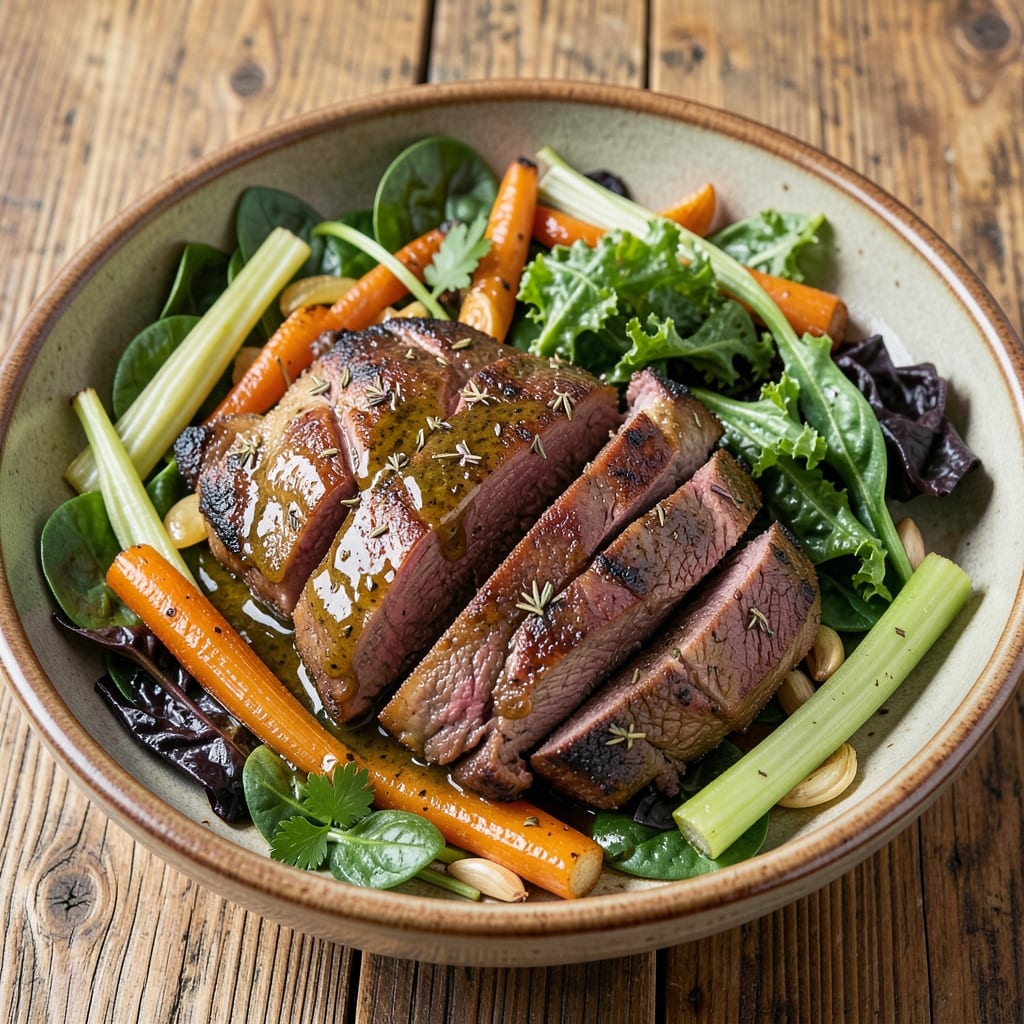
This beef and greens recipe delivers slow-simmered richness with deep umami flavor that transforms tough cuts into melt-in-your-mouth tenderness. The secret lies in a two-step process: first searing the beef to develop a flavorful crust, then braising it low and slow until fork-tender. Meanwhile, the greens—whether spinach, kale, or collards—are wilted just enough to soften without losing their vibrant color and subtle bitterness.
The result is a harmonious balance of textures and flavors: tender beef infused with aromatic spices, paired with greens that retain their natural brightness. This method works equally well with chuck roast, short ribs, or even brisket, making it versatile for different occasions. The slow cooking process allows flavors to meld beautifully, creating a dish that tastes even better the next day.
What makes this recipe stand out is its adaptability—you can customize it with your favorite greens, spices, or even a splash of wine for added depth. Serve it over buttery mashed potatoes, alongside crusty bread, or with a side of roasted root vegetables to round out the meal. The umami-rich broth makes it hearty enough for a main dish but light enough for a comforting weeknight dinner.
Perfect for feeding a crowd or meal prepping for the week, this beef and greens recipe is foolproof and delivers restaurant-quality results at home. The key is patience—letting the beef simmer until it’s effortlessly tender while keeping the greens vibrant. Once you try this method, you’ll never settle for anything less than a deeply flavorful, satisfying meal.
Ingredients for beef and greens
Six hearty ingredients for melt-in-your-mouth beef and vibrant greens that taste even better tomorrow.
| Ingredient | Amount | Notes |
|---|---|---|
| Chuck Roast 🥩 | 3 lb | Well-marbled for tenderness |
| Yellow Onion 🧅 | 1 whole | Chopped into 1-inch pieces |
| Garlic Cloves 🧄 | 6 cloves | Smash with side of knife |
| Carrots 🥕 | 4 medium | Cut into 1-inch chunks |
| Celery Stalks 🥬 | 4 whole | Chopped into 1-inch pieces |
| Dried Thyme 🌿 | 1 tbsp | Or 1 tbsp fresh thyme |
| Ground Black Pepper 🌶️ | 1 ½ tsp | Freshly cracked preferred |
| Kosher Salt 🧂 | 1 ½ tsp | Diamond Crystal preferred |
| Beef Broth 💧 | 4 cups | Low-sodium preferred |
| Red Wine 🍷 | 1 cup | Bold like Cabernet Sauvignon |
| Tomato Paste 🍅 | 2 tbsp | Squeeze tube works best |
| Fresh Kale 🌱 | 12 oz | Stems removed, chopped |
| Extra-Virgin Olive Oil 🫒 | 2 tbsp | For searing beef |
| Balsamic Vinegar 🍶 | 1 tbsp | For finishing drizzle |
The beef is everything here. Chuck roast from the butcher section (not pre-cut) gives the best marbling—look for pieces with good fat distribution. Costco or local grocers usually have it on sale in bulk. If you're using short ribs instead, trim excess fat to keep the dish lighter. The aromatics—onion, garlic, carrots, and celery—are your flavor base, so don't skimp. I chop mine roughly (about 1-inch pieces) so they cook down but still hold their shape. Fresh thyme is ideal, but dried works in a pinch—just use half the amount.
No red wine? Substitute extra beef broth—just add 1/4 cup more. The tomato paste can be tricky if you've never used it before—those little squeeze tubes from Trader Joe's are perfect because you only need a tablespoon. For the greens, kale is my go-to, but spinach or collards work just as well. If you're using frozen greens, thaw and drain them first. The olive oil matters for searing—use something with a high smoke point like Avocado oil if you're worried about burning. And trust me, the balsamic vinegar at the end? Worth the extra minute for that glossy finish.
This dish tastes even better the next day—3-4 days in the fridge, honestly. Portion it into containers with a splash of broth to keep it moist. Freezes beautifully for up to 3 months—just thaw overnight in the fridge. For meal prep, I double the batch and freeze half. The greens will wilt more after reheating, but a quick sauté with garlic and olive oil brings them back to life. Serve with crusty bread to soak up all that rich broth.
Why You'll Love This Recipe
- One-Pot Magic: I swear by this—just toss everything in one pot, walk away, and come back to tender beef and veggies that practically melt in your mouth. No fancy techniques, no extra dishes.
- Deep, Rich Flavor: That chuck roast? Slow-cooked until it’s fork-tender, then finished with garlic and onions until the kitchen smells like a Sunday dinner. The carrots and celery soak up all the savory goodness—no dry bites here.
- Meal Prep Hero: Between us, this is my go-to for busy weeks. Cook a big batch on Sunday, and you’ve got lunch or dinner covered for days. The flavors actually get better as it sits, so leftovers? They’re the best part.
- Budget-Friendly Feast: Chuck roast stretches so far—you’ll feed a crowd without breaking the bank. Plus, the veggies are cheap staples, and the dish tastes like you spent hours on it. (Yes, even on a Tuesday night.)
Step-by-step instructions for slow-simmered beef and greens
Here's how to transform tough chuck roast into fork-tender beef with rich, umami-packed greens.
Sear the Chuck Roast for Deep Flavor
Heat a large Dutch oven over medium-high heat until it's smoking hot. Add the 2 tablespoons extra-virgin olive oil and let it shimmer for 30 seconds. Pat the 3 lb chuck roast completely dry with paper towels—this ensures maximum browning.
Place the roast in the Dutch oven and sear for 4-5 minutes per side until it develops a deep brown crust. I press down gently with a spatula during the first minute to prevent curling. This searing step creates the Maillard reaction that builds the foundation for all that beefy flavor. Don't rush this—you want that crust to be dark and caramelized.
Build the Aromatic Base with Vegetables
Remove the roast and set it aside. In the same Dutch oven, add the 1 whole yellow onion, 6 cloves garlic cloves, 4 medium carrots, and 4 whole celery stalks—all chopped as specified. Cook for 5-6 minutes until the vegetables begin to soften and the garlic releases its fragrant aroma.
Here's the thing—don't stir constantly. Let the vegetables brown slightly in spots for maximum flavor. After 3 minutes, sprinkle in the 1 tablespoon dried thyme, 1.5 teaspoons ground black pepper, and 1.5 teaspoons kosher salt. Stir just to combine, then add the 2 tablespoons tomato paste and cook for another 1 minute to deepen the color.
Deglaze and Simmer the Beef
Pour in the 1 cup red wine and scrape up all those browned bits from the bottom of the pot with a wooden spoon. This deglazing step captures all the flavor that would otherwise stick to the pan. Let the wine simmer for 2-3 minutes until it reduces by half and the alcohol burns off.
Return the roast to the Dutch oven, then add the 4 cups beef broth. Bring everything to a gentle boil, then reduce heat to low and cover partially. This is where patience pays off—simmer for 2.5-3 hours until the beef is fork-tender and pulls apart easily. I check the internal temperature with a meat thermometer after 2 hours—it should read between 195-205°F when done.
Finish with Kale and Balsamic
Once the beef is tender, remove it from the pot and set it aside. Add the 12 oz fresh kale (stems removed and chopped) to the braising liquid and simmer uncovered for 5-7 minutes until the greens are tender but still vibrant. The kale should wilt down but retain some texture—overcooking turns it mushy.
Return the beef to the pot and stir in the 1 tablespoon balsamic vinegar. Let everything simmer together for another 2 minutes to meld the flavors. The balsamic adds a touch of brightness that cuts through the richness of the beef. Taste and adjust seasoning if needed—sometimes the wine makes things a bit acidic, so a pinch more salt might be needed.
Rest and Serve with Confidence
Transfer the beef and greens to a serving platter and let it rest for 10 minutes. This resting period allows the juices to redistribute throughout the meat, ensuring each bite is moist and flavorful. I like to spoon the braising liquid over the top just before serving—it's packed with flavor from all the vegetables and wine.
Serve the beef sliced against the grain with the kale and sauce spooned over the top. The result should be tender, flavorful beef with vibrant greens that have absorbed all that rich umami flavor from the slow cooking. This dish tastes even better the next day, so make extra if you can—it's perfect for meal prep or leftovers.
Pro Tips For Making Beef And Greens
- CRUSH THE VEGETABLES: Dice the onions, carrots, and celery into ¼-inch pieces—no bigger, no smaller. I used to think "chopped" meant "roughly," but this size ensures even cooking and that perfect, melty texture in the finished dish. (Yes, it takes 5 minutes longer, but your future self will notice.)
- SEAR THE ROAST FIRST: Don’t skip browning the chuck roast—high heat, 3-4 minutes per side—before adding liquids. That crust locks in flavor and keeps the meat from drying out later. I learned this the hard way when my first batch tasted bland, no matter how long I braised it.
- SALT THE POT WATER: When blanching greens (if using), add 1 tablespoon salt per gallon of water. It crisps them up and seasons them before they even hit the pot. I was skeptical until I tried it—now it’s non-negotiable for me.
- USE A MEAT THERMometer: Chuck roast needs 195–205°F internal temp for tender perfection—way past the 160°F safe mark. I used to guess, and my meat was always chewy. A cheap instant-read thermometer changes everything. (No excuses.)
Perfect pairings for beef and greens
Classic Side Pairings
Crusty sourdough bread is my go-to for soaking up all that rich braising liquid—look for a loaf with a thick crust from your local bakery. The texture contrasts perfectly with the tender beef and wilted greens. For extra indulgence, serve with buttery mashed potatoes infused with roasted garlic and a splash of whole milk. 🥔
If you want something lighter, roasted root vegetables like carrots, parsnips, and sweet potatoes add natural sweetness that balances the dish. Toss them in olive oil, sea salt, and fresh rosemary before roasting at 400°F for 25 minutes. The caramelized edges complement the slow-cooked beef beautifully.
Wine Pairings
A bold Cabernet Sauvignon from Napa Valley enhances the dish's umami depth—its dark fruit notes and tannins stand up to the rich beef flavors. I recommend a 2019 vintage for optimal balance. For something lighter, a Pinot Noir from Oregon offers bright acidity that cuts through the dish's richness. 🍷
If you prefer white wine, a Chardonnay with oak notes (like those from California's Sonoma Coast) adds a creamy texture that pairs surprisingly well with the kale's earthiness. Avoid overly oaky whites—they can overpower the delicate greens.
Beer Complements
A stout beer like Guinness or Samuel Smith's Nut Brown Ale works surprisingly well with this dish. The roasted malt flavors and slight bitterness complement the beef's caramelized crust and the greens' earthy notes. Serve it slightly chilled to enhance the contrast. 🍺
For a lighter option, try a Belgian-style witbier like Hoegaarden. The citrusy coriander notes brighten the dish, while the effervescence cleanses your palate between bites. Avoid heavy IPAs—they can compete with the beef's robust flavors.
Fresh Garnishes
Finish your plate with toasted walnuts for crunch—toss ½ cup chopped walnuts with 1 teaspoon olive oil and toast in a dry pan for 3-4 minutes until golden. Their nutty flavor adds a nice contrast to the tender beef. 🌰
Fresh parsley or thyme sprigs add a pop of color and freshness. I like to sprinkle 1 tablespoon chopped parsley over each serving just before eating. For a tangy finish, drizzle with aged balsamic glaze—simmer ¼ cup balsamic vinegar until reduced by half for a glossy, sweet-tart topping.
Nutrition facts
Frequently asked questions
Can I substitute other greens besides kale?
Spinach wilts faster (3-4 minutes of simmering), while collards or Swiss chard need 5-7 minutes to soften. For heartier greens like mustard greens, add them with the beef during the final 30 minutes of cooking. Just adjust timing—you want vibrant color, not mushy texture.
What's the best cut of beef for this recipe?
Chuck roast is ideal for its marbling and affordability, but short ribs or brisket work too. For leaner cuts like sirloin, reduce cooking time to 1.5-2 hours and add 1 cup extra broth to prevent drying. The key is 205°F internal temp for melt-in-your-mouth tenderness.
How do I prevent the beef from becoming dry?
Never skip the sear—it locks in juices. Keep the pot partially covered during simmering to maintain moisture, and add 1/2 cup warm water if the liquid reduces too much. The resting time (10 minutes) is crucial—it lets juices redistribute.
Can I make this in a slow cooker?
Yes! Brown the beef first, then transfer everything to a 6-quart slow cooker on low for 7-8 hours or high for 4-5 hours. Add greens during the last 30 minutes to prevent overcooking. The slow cooker's gentle heat ensures perfect tenderness without watching the stove.
What if I don't have red wine?
Use 1 cup beef broth + 1 tablespoon apple cider vinegar for depth, or substitute 1 cup chicken broth + 1 teaspoon soy sauce. For umami, add 1 teaspoon Worcestershire sauce. The wine's acidity helps tenderize—just adjust seasoning afterward.