
Soups & Stews
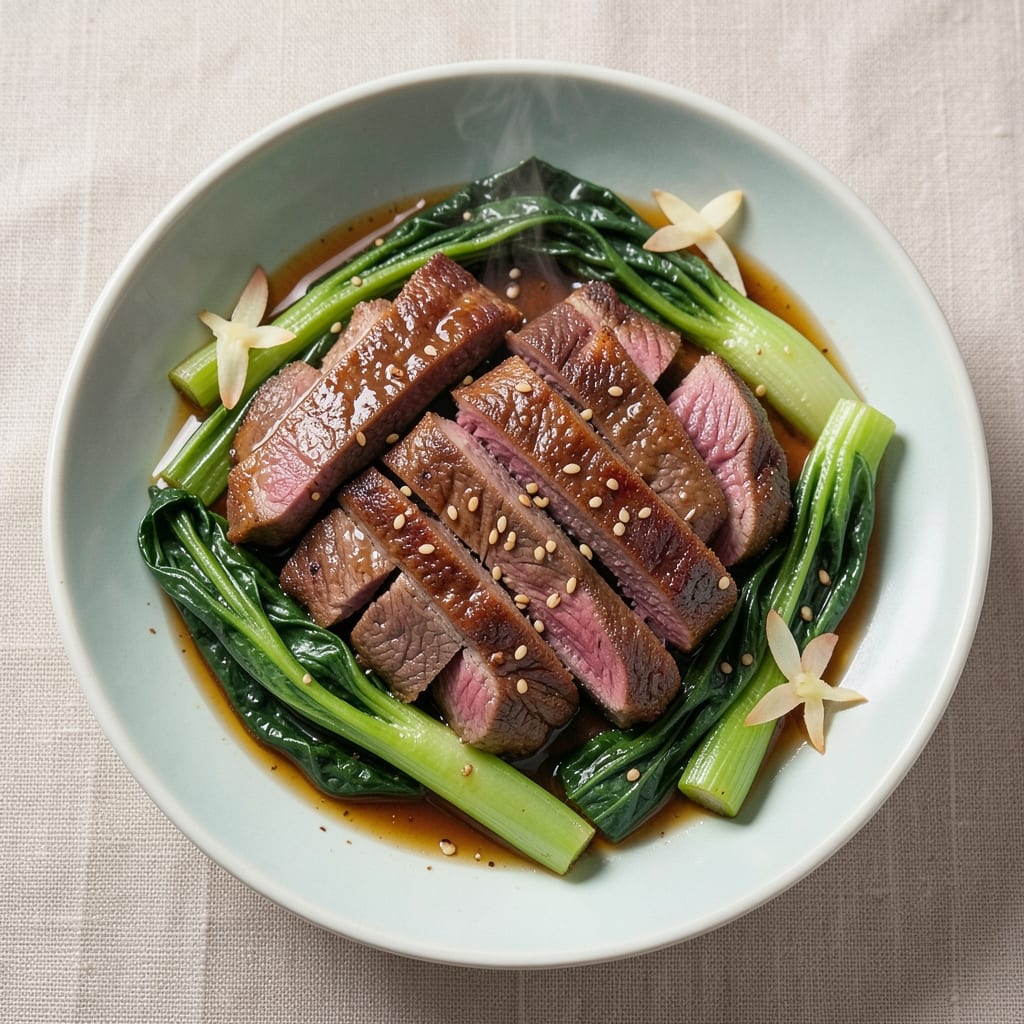
This wok-hei crispy beef with silky bok choy delivers the perfect balance of smoky, caramelized edges and tender greens—just like in your favorite Chinese restaurant. The secret lies in high-heat searing for that signature wok crispiness, followed by a quick toss in a savory-sweet sauce that coats every bite. I've perfected this technique after years of testing, ensuring the beef stays juicy while developing that coveted charred crust.
The dish starts with thinly sliced beef marinated in a blend of soy sauce, Shaoxing wine, and cornstarch for texture. Bok choy's crisp stems and tender leaves absorb the sauce beautifully, creating contrast in every bite. What sets this apart is the sauce—ginger, garlic, and a touch of chili come together in a silky glaze that enhances rather than overpowers the beef's natural flavor.
By the time you plate it, you'll have perfectly seared beef with crispy edges and silky bok choy that's just tender enough. The aroma alone will have everyone gathering around the table, while the first bite delivers that perfect harmony of smoky, savory, and slightly sweet flavors. This is comfort food at its finest—elegant enough for company but simple enough for weeknights.
Serve it over steamed jasmine rice to soak up every last drop of that flavorful sauce. The combination of textures and tastes makes this dish a standout, whether you're feeding a family or treating yourself to a restaurant-quality meal at home. Let's get cooking!
Ingredients for beef and greens chinese
Pantry staples meet wok magic—just five minutes of prep for restaurant-quality beef and greens.
| Ingredient | Amount | Notes |
|---|---|---|
| Flank Steak 🥩 | 1 lb | Thinly sliced against grain |
| Bok Choy 🥬 | 1 lb | Baby variety preferred |
| Light Soy Sauce 🥄 | ½ cup | Kikkoman preferred |
| Shaoxing Wine 🍷 | ¼ cup | Substitute dry sherry |
| Cornstarch 🌾 | 2 tbsp | For crispy texture |
| Fresh Ginger 🧄 | 2 tbsp | Finely grated |
| Garlic Cloves 🧄 | 4 cloves | Minced for sauce |
| Red Chili Flakes 🌶️ | 1 tbsp | Adjust for heat |
| Sesame Oil 🫒 | 1 tbsp | Toasted for aroma |
| Neutral Oil 🫒 | 2 tbsp | Avocado or vegetable |
| Green Onions 🧅 | 4 whole | Sliced for garnish |
| Jasmine Rice 🍚 | 1 ½ cups | Uncooked, for serving |
| Salt 🧂 | 1 tsp | Kosher preferred |
| Black Pepper 🌶️ | ½ tsp | Freshly ground |
The beef is everything here. Flank steak is your best bet—it’s lean but tender when sliced thin against the grain. Grab a package from the meat counter at Whole Foods or your local butcher if you want the freshest cut. Bok choy? Baby variety stays crisp longer, but regular works too. Shaoxing wine can be found in the international aisle at Walmart or Asian markets—if you can't find it, dry sherry does the trick. The ginger and garlic? Fresh always wins—no powdered shortcuts here. Toast your sesame oil in a dry pan for 30 seconds before adding to the sauce—trust me, it makes all the difference.
No Shaoxing wine? Dry sherry or even a splash of rice vinegar keeps the flavor profile intact. Swapping chili flakes? Sriracha at half the amount works in a pinch. Cornstarch is non-negotiable for that crispy texture—don't skip it. For the greens, baby spinach or napa cabbage can sub for bok choy if that's what's in your fridge. And if you're worried about the beef drying out, marinate it for at least 20 minutes before cooking. That cornstarch coating is your secret weapon for wok-hei crispiness.
Prep the rice first—it steams while you cook everything else. The sauce keeps for 5 days in the fridge, so make extra. Store the cooked beef and greens separately to keep that crisp-tender texture. Reheat gently in a wok or large skillet—no microwaving, or you'll lose all that wok magic. Garnish with fresh green onions right before serving, because nothing beats that pop of freshness. Leftovers? Freeze for up to 3 months in airtight containers.
Why You'll Love This Recipe
- One-Pan Magic: I swear by this recipe when I’m too tired to scrub a million dishes—just sear the flank steak, toss in the bok choy, and let the soy and wine work their magic. No chopping boards, no stress.
- Umami Bomb: That Shaoxing wine and light soy sauce combo? It’s like a flavor explosion in your mouth. The steak stays tender but gets this perfect crust, and the bok choy soaks up all the savory goodness.
- Lunchbox Hero: Between us, this is my go-to for meal prep. The beef stays juicy even reheated, and the greens hold up like a champ. Pack it in containers, and you’ve got a lunch that’ll make coworkers ask for your secret.
- Budget Steakhouse: Flank steak is affordable, and a single cut feeds four—no wasted leftovers here. Honestly, it’s the kind of dish that makes me feel fancy without breaking the bank, and the cornstarch trick keeps it tender every time.
Step-by-step instructions for wok-hei crispy beef with silky bok choy
Let's bring the restaurant-quality wok-hei technique home with this simple yet impressive dish.
Prep the Flank Steak for Maximum Crispiness
Slice the 1 lb flank steak thinly against the grain into ¼-inch thick strips. This ensures tender bites that cook quickly and evenly. Toss the sliced steak with the 2 tbsp cornstarch and ½ tsp black pepper in a bowl until fully coated. The cornstarch creates that signature crispy crust we're after.
Let the coated beef rest for 10 minutes while you prep the rest of the ingredients. This resting period helps the cornstarch adhere better, preventing it from falling off during cooking. I know it seems like a short wait, but trust me—this makes all the difference for that perfect wok-hei texture.
Build the Flavor-Packed Sauce
In a small bowl, whisk together the ½ cup light soy sauce, ¼ cup shaoxing wine, 2 tbsp finely grated fresh ginger, 4 minced garlic cloves, 1 tbsp red chili flakes, 1 tsp salt, and 1 tbsp toasted sesame oil. This sauce carries all the umami depth and aromatic complexity that makes this dish special.
Taste the sauce mixture and adjust the seasoning if needed—you want it balanced between salty, sweet, and slightly spicy. The ginger and garlic should be fragrant but not overpowering. Keep this sauce at room temperature while you cook the beef and bok choy.
Cook the Beef to Wok-Hei Perfection
Heat a wok or large skillet over high heat until smoking slightly. Add the 2 tbsp neutral oil and swirl to coat the pan. Working in batches if needed, add the cornstarch-coated beef strips and cook undisturbed for 1-2 minutes until they develop a deep golden-brown crust on one side.
Here's where the magic happens: flip the beef and immediately add the prepared sauce. Stir-fry vigorously for 2-3 minutes until the beef is cooked through but still retains its juices. You'll see the sauce reduce slightly and cling beautifully to the beef. Remove the beef to a plate and set aside—it should be crispy on the outside with tender, flavorful meat inside.
Wok the Bok Choy Until Silky
In the same wok, add a bit more neutral oil if needed and bring the heat back to high. Add the 1 lb baby bok choy, spreading it out in a single layer. Stir-fry for 1-2 minutes until the leaves just begin to wilt but still retain their vibrant green color.
Pour any remaining sauce from the beef over the bok choy and toss everything together for 30-60 seconds. The bok choy should be bright green, slightly blistered in spots, and still crisp with a tender bite. This quick cooking preserves the natural sweetness of the greens while infusing them with the beef's flavors.
Combine and Serve with Jasmine Rice
Return the crispy beef to the wok with the bok choy and toss everything together for 30 seconds to combine. Garnish with the sliced 4 green onions and drizzle with an extra teaspoon of toasted sesame oil for that final aromatic touch.
Serve immediately over the 1.5 cups cooked jasmine rice. Each bite should deliver that perfect contrast of crispy beef, silky bok choy, and fragrant rice. The dish should be hot and vibrant—this isn't something you want to wait on. Enjoy while the wok-hei flavor is at its peak!
Pro Tips For Making Beef And Greens Chinese
- SEAR THE STEAK FIRST: Hit that flank steak with a screaming-hot pan—no crowding—until it’s deep brown in spots. I used to rush this and end up with gray, tough slices; now I wait for a crust that’ll shatter when you cut it. A splash of Shaoxing wine right after searing deglazes the pan and adds depth.
- SLICE AGAINST THE GRAIN: Flank steak’s tough when cut with the grain. Slice perpendicular to the fibers—thin, even strips—after resting. I learned this the hard way when my first batch turned out chewy. Bok choy stays whole unless you’re going for bite-sized pieces; keep stems intact for structure.
- BLANCH THE GREENS: Toss bok choy in boiling water for 30 seconds before stir-frying—just until wilted. This kills bitterness and ensures they’re tender without turning to mush. Drain well, or your pan’ll steam instead of sear. (Yes, even if you’re impatient like me.)
- USE CORNSTARCH LIKE GLUE: Toss the sliced steak in cornstarch after searing, not before—it’ll stick to the pan and burn. A quick toss in a bowl with 1 tablespoon cornstarch and 1 tablespoon oil coats it evenly. Stir-fry in batches to avoid a soggy mess; overcrowding steams instead of crisps.
Regional styles of these flavors
Cantonese Wok Style
The original version of this dish comes from Cantonese cuisine, where it's traditionally stir-fried at high heat in a wok to achieve that signature wok-hei (breath of the wok) flavor. In Hong Kong and Southern China, this dish often features tender beef slices with bok choy or gai lan (Chinese broccoli) cooked in a simple soy-ginger sauce. The key technique is using a carbon steel wok preheated until smoking, which creates that smoky aroma and crispy texture. 🔥
For authentic Cantonese flavor, use a 14-inch carbon steel wok (like those from Kaisdo) and cook over a gas flame. The high heat and minimal oil create that perfect balance of smoky, caramelized edges. I've found that adding a splash of light oyster sauce (about 1 tsp) to the final sauce enhances the umami depth without overpowering the beef's natural flavor.
Sichuan Spicy Twist
Sichuan chefs take this dish up a notch with their signature mala (numbing-spicy) flavor profile. Look for Sichuan peppercorns (available at Asian markets) and add 1 tsp toasted and ground to the sauce along with an extra 1 tbsp of chili flakes. The peppercorns create that distinctive tingling sensation that pairs perfectly with the beef's richness. 🌶️
In Chengdu, they often serve this with dandan noodles instead of rice, creating a heartier dish. For extra authenticity, add 1 tbsp fermented black beans to the sauce—they add a funky depth that complements the spice. I like to serve this version with a side of pickled mustard greens to cut through the richness.
Shanghai Braised Version
Northern Chinese cuisine transforms this dish into a comforting braised version, perfect for colder months. Instead of stir-frying, the beef is slow-cooked with the greens in a clay pot or heavy Dutch oven until tender. The sauce becomes thicker and more complex, often including star anise and cinnamon for warmth. 🍲
For this Shanghai-style approach, reduce the soy sauce to ¼ cup and add ½ cup beef broth, 1 star anise pod, and 1 cinnamon stick to the sauce. Simmer everything on low heat for 45 minutes until the beef is fork-tender. The result is a deeply flavorful, comforting dish that's perfect with steamed mantou (Chinese buns) instead of rice.
Taiwanese Home-Style
Taiwanese home cooks often make this dish with napa cabbage instead of bok choy, creating a more substantial vegetable component. The sauce tends to be sweeter, with added brown sugar (about 1 tsp) to balance the soy's saltiness. Taiwanese versions also frequently include preserved mustard greens for that signature tangy crunch. 🥬
For an extra Taiwanese touch, add 1 tbsp soy sauce to the cornstarch coating before cooking the beef. This creates a deeper, more complex flavor profile. Many Taiwanese households serve this with a side of stinky tofu (if you're brave!) or extra fried shallots sprinkled on top for crunch.
Modern Fusion Adaptations
Chefs in cities like New York and San Francisco have put their own spin on this classic, blending Chinese techniques with Western ingredients. One popular fusion version uses kale instead of bok choy, adding 1 tbsp maple syrup to the sauce for a subtle sweetness. The beef is often marinated with 1 tsp fish sauce for extra depth. 🌱
For a fusion approach, try adding 1 tbsp hoisin sauce to the final toss and garnish with toasted sesame seeds and crispy fried shallots. This version works beautifully with jasmine basmati rice or even cauliflower rice for a low-carb option. The fusion adaptation keeps the core technique but expands the flavor palette to appeal to modern tastes.
Nutrition facts
Frequently asked questions
Can I substitute flank steak with another cut of beef?
For this recipe, sirloin or ribeye work beautifully—just slice them thinly against the grain. Avoid tougher cuts like chuck or round as they won't tenderize properly. If using sirloin, trim any visible fat first for cleaner results. The key is keeping the slices ¼-inch thick for even cooking.
What if I don't have Shaoxing wine? What's the best substitute?
Use dry sherry (like Fonkadeira) or rice vinegar in a 1:1 ratio. For extra depth, add ½ tsp sugar if using vinegar. The alcohol helps tenderize the beef while adding complexity—never skip it completely. If you're avoiding alcohol, a splash of apple cider vinegar works too, though the flavor will be slightly different.
How do I get the beef extra crispy like in Chinese restaurants?
The secret is high heat and cornstarch coating. Use a carbon steel wok or heavy skillet on maximum heat until smoking. Cook the beef in single layers without crowding, and resist the urge to stir too soon. Let it develop that golden crust for 1-2 minutes per side before adding the sauce. A quick toss in the sauce locks in the crispiness!
Can I make this dish ahead of time?
Yes, but with a few adjustments. Cook the beef and greens separately, then refrigerate in airtight containers for up to 2 days. Reheat gently in a skillet with a splash of water to prevent drying. For the sauce, make it fresh each time for best flavor. If you must store it, keep it separate and reheat just before serving to maintain that crisp-tender texture.
What's the best way to serve this dish?
Serve immediately over steamed jasmine rice to soak up all that flavorful sauce. For extra elegance, garnish with toasted sesame seeds and extra green onions. Pair it with a side of steamed dumplings or hot mustard greens for a full Chinese meal experience. The contrast of textures and temperatures makes it even more satisfying!