
Soups & Stews
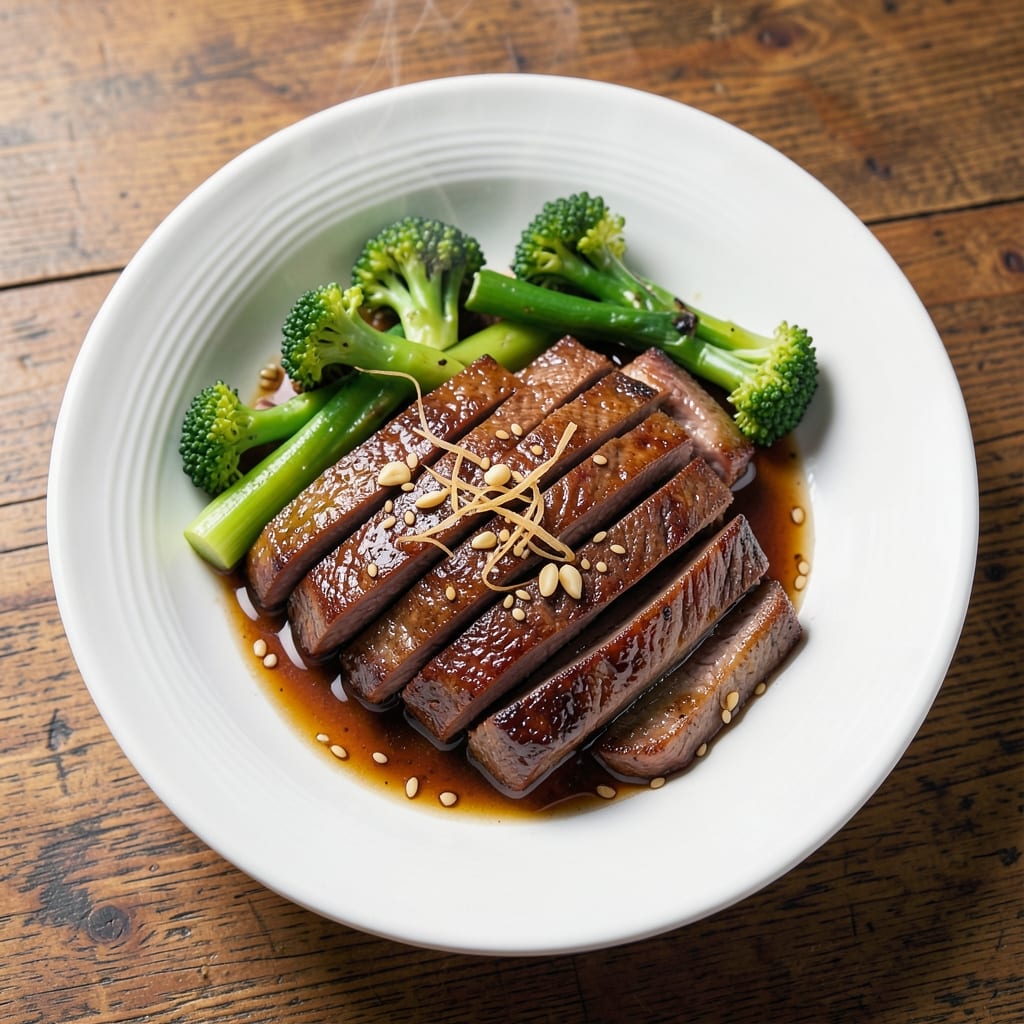
This beef and gai lan recipe delivers the perfect balance of wok-hei crispy beef and silky greens, a dish that transforms humble ingredients into something restaurant-worthy. The secret lies in high-heat stir-frying the beef until it develops that signature smoky aroma and caramelized crust, while the gai lan cooks just enough to maintain its vibrant texture. I developed this recipe after years of experimenting with stir-fry techniques, and it never fails to impress—whether you're feeding a family or treating yourself to a weeknight meal.
The beauty of this dish is its simplicity—just a handful of ingredients, but each plays a crucial role. Thinly sliced beef gets marinated in a blend of soy sauce, garlic, and ginger, then stir-fried to achieve that coveted crispy texture while staying tender. The gai lan, a type of Chinese broccoli, is added later to preserve its natural crunch and vibrant green color. A touch of oyster sauce and sesame oil ties everything together, creating a sauce that's both savory and slightly sweet.
What you'll end up with is a dish that's as visually appealing as it is delicious—golden, crispy beef pieces glistening with sauce, nestled among bright green gai lan that's just tender enough to bite into. The aroma alone will have everyone gathering around the table, and the first bite delivers a perfect harmony of textures and flavors. This is the kind of meal that feels special without requiring hours in the kitchen.
Serve it over steamed jasmine rice or with a side of egg noodles to soak up every last drop of that flavorful sauce. The dish reheats beautifully, making it ideal for meal prep or leftovers. Let's get started on creating this crispy, silky masterpiece!
Ingredients for beef and gai lan
Just 12 ingredients transform simple beef and gai lan into restaurant-quality wok-hei perfection.
| Ingredient | Amount | Notes |
|---|---|---|
| Flank Steak 🥩 | 1 lb | Thinly sliced against grain |
| Gai Lan (Chinese Broccoli) 🥬 | 2 bunches | Stems cut into 1-inch pieces |
| Low-Sodium Soy Sauce 🍶 | 3 tbsp | Kikkoman preferred |
| Oyster Sauce 🍲 | 2 tbsp | High-quality brand |
| Sesame Oil 🫒 | 1 tbsp | Toasted, for aroma |
| Garlic Cloves 🧄 | 4 cloves | Minced, fresh preferred |
| Fresh Ginger 🌿 | 1 tbsp | Grated, peeled |
| Neutral Oil 🫒 | 2 tbsp | Vegetable or canola |
| White Peppercorns 🌶️ | ½ tsp | Freshly cracked |
| Dark Brown Sugar 🍚 | 1 tbsp | Packed lightly |
| Cornstarch 🌾 | 1 tbsp | For coating beef |
| Jasmine Rice 🍚 | 1 cup | Uncooked, for serving |
The flank steak is your star here—look for well-marbled cuts at the meat counter. Costco or Whole Foods usually have the best quality, but any grocery store's butcher section will work. Slice it thinly against the grain for that signature tender bite. Gai lan can be found in the produce section of Asian markets or well-stocked grocery stores—look for bright green stems and leaves. If you can't find gai lan, regular broccoli works in a pinch, but the flavor won't be identical. For the soy sauce, Kikkoman is my go-to, but any low-sodium brand will do.
No oyster sauce? Hoisin sauce or extra soy sauce gets you close. Fresh ginger is non-negotiable here—dried won't give you that bright, zesty kick. If you're short on time, jarred minced garlic works, but fresh is always better. The cornstarch coating is crucial for that crispy texture—don't skip it. For the rice, jasmine is ideal, but any long-grain white rice will work. Want more heat? Add a pinch of red pepper flakes to the sauce. The sesame oil should be toasted—regular sesame oil lacks that nutty aroma.
Marinate the beef for at least 30 minutes—overnight is even better. Gai lan stays fresh for 5-7 days in the fridge, wrapped in a damp towel. The cooked beef and sauce keep for 3-4 days refrigerated, but the gai lan is best used fresh. Portion the rice in advance for easy reheating—just microwave with a splash of water. This dish reheats beautifully, making it perfect for meal prep.
Why You'll Love This Recipe
- One-Pan Magic: I swear by this recipe when I’m too tired to scrub pots—just sear the flank steak, toss in the gai lan, and let the soy and oyster sauce work their magic. The sesame oil finishes it with that nutty aroma that fills the whole kitchen, and honestly? Cleanup is just wiping one pan.
- Umami Bomb: That combo of low-sodium soy and oyster sauce on tender flank steak? It’s like a flavor explosion in your mouth. The gai lan adds a satisfying crunch, and the sesame oil ties it all together with a depth that makes takeout feel like a cheat code.
- Lunchbox Hero: Between us, this is my go-to for meal prep—I slice the steak thin, mix it with the stir-fried gai lan, and pack it in containers. It stays fresh for days, and my kids (who usually reject anything green) devour it. (Yes, even on a Tuesday night.)
- Budget Powerhouse: Flank steak stretches further than you’d think when sliced against the grain, and gai lan is cheaper than most greens. A single pan of this feeds four for under $15, and leftovers reheat like a dream—no soggy veggies here. My wallet and I both approve.
Step-by-step instructions for wok-hei crispy beef with silky greens
Master the wok-hei technique for restaurant-quality texture and flavor in every bite.
Prep the Flank Steak for Maximum Crispiness
Slice the 1 lb flank steak thinly against the grain into ¼-inch thick strips. This ensures tender bites that cook quickly and evenly. Transfer the sliced beef to a bowl and toss with 1 tbsp cornstarch until evenly coated. The cornstarch creates a crispy crust while preventing the beef from drying out.
Let the coated beef rest for 10 minutes at room temperature. This step is crucial—it allows the cornstarch to adhere properly and prevents the beef from curling up during cooking. While it rests, prepare the remaining ingredients so everything is ready when you're ready to cook.
Build the Flavor Base and Cook the Beef
Heat a wok or large skillet over high heat until it's smoking hot. Add 2 tbsp neutral oil and swirl to coat the surface. Add the beef in a single layer and let it sear undisturbed for 1-2 minutes until the edges turn deep golden brown. This initial sear locks in the juices and creates that signature wok-hei crispiness.
Stir the beef and cook for another 2-3 minutes until it's 80% cooked but still slightly pink in the center. Remove the beef and set aside. In the same wok, add 2 tbsp neutral oil and stir in 4 cloves minced garlic and 1 tbsp grated fresh ginger. Cook for 30 seconds until fragrant—this builds the aromatic foundation of your dish.
Prepare the Gai Lan and Sauce
Cut the stems of 2 bunches gai lan into 1-inch pieces and separate the florets. Heat 1 tbsp neutral oil in the wok over medium-high heat. Add the gai lan stems first and stir-fry for 2 minutes until they begin to soften. Add the florets and cook for another 1 minute until they brighten in color but remain crisp.
In a small bowl, whisk together 3 tbsp low-sodium soy sauce, 2 tbsp oyster sauce, 1 tbsp dark brown sugar, and 0.5 tsp freshly cracked white peppercorns. Pour this mixture into the wok with the gai lan and toss to coat evenly. Cook for 1 minute until the sauce thickens slightly and clings to the greens.
Finish the Dish with Wok-Hei Perfection
Return the beef to the wok and toss everything together for 1-2 minutes until the beef is fully cooked and the sauce has thickened to a glossy consistency. Drizzle with 1 tbsp sesame oil and toss one final time to distribute the aroma evenly. The dish should be hot, crispy, and coated in a silky-sweet sauce.
Serve immediately over 1 cup cooked jasmine rice to soak up every delicious bite. The contrast between the crispy beef, silky greens, and fragrant rice creates a harmonious balance of textures and flavors that's pure wok-hei magic.
Pro Tips For Making Beef And Gai Lan
- Slice Against the Grain: Flank steak’s tough fibers run diagonally—cutting perpendicular to them shortens the strands and makes every bite tender. I used to ignore this and ended up with chewy mouthfuls that ruined the dish.
- Blanch Gai Lan First: Drop gai lan in boiling water for 30 seconds before stir-frying—it softens the stems just enough to cook through without turning to mush. Skip this, and you’ll end up with a pile of underdone greens and overcooked florets.
- Use a Hot Wok: Cold oil = sad sear. Heat your wok until a drop of water sizzles and evaporates instantly before adding the beef. I learned this the hard way—my first attempts with lukewarm oil left the steak gray and greasy.
- Deglaze with Soy Sauce: After searing the beef, let those browned bits caramelize for 30 seconds, then splash in 1 tablespoon of low-sodium soy sauce to lift them off the pan. It adds depth without slathering the dish in salt. (Yes, even if you’re impatient like me.)
Storing and reheating your beef and gai lan
Refrigerator Storage
Store your cooked beef and gai lan in an airtight container with a splash of neutral oil (about 1 tbsp) to preserve moisture and prevent drying. The beef stays tender for 3-4 days when refrigerated at 40°F or below. I like using glass Pyrex containers because they keep flavors fresh longer than plastic. The gai lan, however, is best used fresh—its crisp texture softens significantly after a day. 🥬
Freezer-Friendly Prep
For longer storage, freeze the cooked beef and sauce separately in quart-sized freezer bags. Remove as much air as possible to prevent freezer burn. The beef maintains its texture for up to 3 months, while the sauce keeps for 2 months. When ready to reheat, thaw overnight in the fridge for even cooking. The gai lan doesn’t freeze well—it turns mushy—so prep it fresh each time you serve.
Stovetop Reheating
My go-to method is stovetop reheating over medium-low heat with a splash of water or beef broth (about 2 tbsp). Add the beef and sauce to a wok or skillet, cover, and heat for 3-4 minutes until warmed through. Stir occasionally to prevent sticking. The gai lan reheats best separately in the same pan for 1-2 minutes—just add it back in the final minute to preserve its texture. 🔥
Microwave Shortcuts
For quick reheating, use the microwave on 50% power in 1-minute intervals, stirring between each interval. Cover with a damp paper towel to retain moisture. The beef should reach 165°F internal temperature—test with a meat thermometer if unsure. Add a dash of soy sauce after reheating to revive the flavors. This method works best for the beef and sauce, not the gai lan.
Rice Reheating Tips
Reheat jasmine rice in the microwave with 2 tbsp water for 1-2 minutes, stirring halfway. For stovetop, use a nonstick pan on low heat with a splash of water to prevent sticking. The rice should be fluffy and slightly moist—this helps it absorb the beef sauce beautifully. Portion rice in advance for easy reheating alongside your beef and gai lan. ✨
Nutrition facts
Frequently asked questions
Can I substitute gai lan with regular broccoli?
You can use regular broccoli in a pinch, but the flavor and texture won't be identical. Gai lan has thicker stems and a slightly sweeter, more tender profile. For the best results, try baby bok choy or Chinese broccoli from an Asian market. If using broccoli, cut the stems into smaller pieces since they're tougher and need more cooking time.
How do I get the beef extra crispy without drying it out?
The key is the cornstarch coating and proper heat control. First, slice the beef thinly against the grain and pat it dry before coating. Use a well-heated wok or skillet on high heat—it should be smoking hot before adding oil. Cook the beef in small batches so it doesn't steam, and resist the urge to stir too soon. Let it develop a deep golden crust for 1-2 minutes before flipping.
What's the best way to marinate the beef for maximum flavor?
Marinate the beef for at least 30 minutes—overnight is even better. Use a mix of 2 tbsp soy sauce, 1 tbsp oyster sauce, 1 tbsp grated ginger, and 2 cloves minced garlic per 1 lb beef. Add a pinch of white pepper and 1 tsp brown sugar to enhance depth. Store in the fridge in a sealed container. The longer it marinates, the more tender and flavorful the beef becomes.
Can I make this dish in a regular skillet instead of a wok?
While a wok gives you that signature wok-hei aroma, a 10-12 inch cast iron skillet or stainless steel pan works perfectly. The key is using high heat and keeping the beef in a single layer. If your pan isn't wide enough, cook the beef in two batches to avoid steaming. A cast iron skillet actually retains heat better than many woks, so you might get even better browning.
Why did my gai lan turn mushy?
Overcooking is the most common cause. Gai lan cooks quickly—just 1-2 minutes after adding to the pan. Add it to the wok after the beef has already cooked, and stir-fry on medium-high heat. If using pre-cut gai lan, reduce cooking time to 30-60 seconds. Also, avoid covering the pan while cooking, as steam will soften the greens too quickly. The stems should be tender but still slightly crisp.