
Breakfast & Brunch
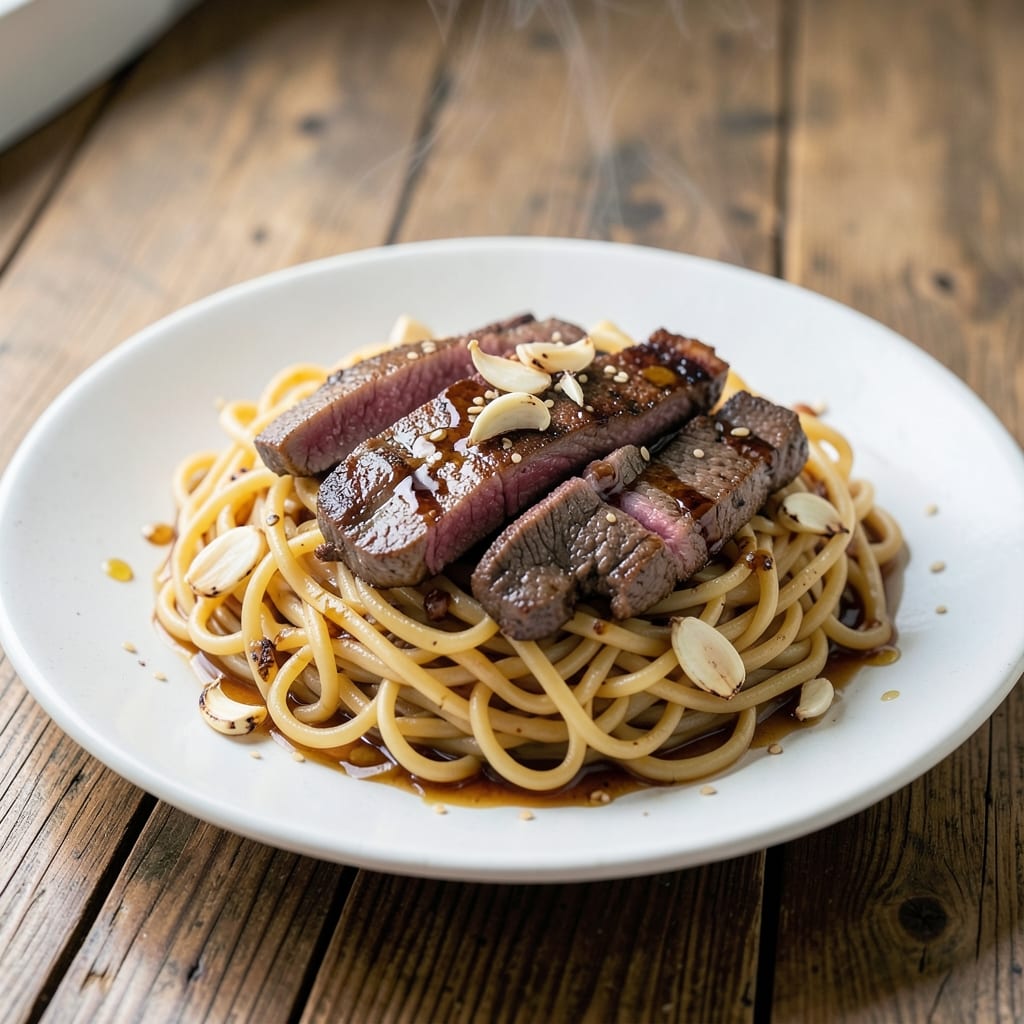
This beef and frozen egg noodles recipe transforms a simple pantry staple into a hearty, protein-packed brunch that comes together in one pan with minimal effort. The secret lies in searing thinly sliced beef until it develops that coveted wok-hei flavor—smoky, aromatic, and deeply savory—before tossing it with egg noodles and a rich umami broth. I developed this recipe after realizing how often frozen egg noodles get overlooked for their convenience, and with the right technique, they can deliver restaurant-quality results at home.
The beauty of this dish is its flexibility—you can adapt it to whatever proteins and vegetables you have on hand, but the foundation remains the same: properly seared beef, al dente noodles, and a sauce that clings to every strand. The key steps are simple but critical: high-heat searing for the beef, a quick blanch for the noodles, and a well-balanced sauce that ties everything together without overpowering the natural flavors. It’s the kind of meal that feels indulgent but requires no special ingredients or skills.
What you’ll end up with is a protein-packed brunch or lunch that’s hearty enough to satisfy a crowd but simple enough for a weeknight dinner. The beef stays tender and flavorful, the noodles absorb the savory sauce without turning mushy, and the whole dish comes together in under 30 minutes—perfect for busy mornings or lazy weekends. The aroma alone will have everyone at the table asking what’s for dinner.
Serve it with a drizzle of sesame oil and a sprinkle of green onions for freshness, or keep it classic with a side of steamed vegetables. The possibilities are endless, but the technique remains foolproof. Let’s get cooking—this one-pan wonder is about to become a staple in your rotation.
Ingredients for beef and frozen egg noodles
Pantry staples meet restaurant-quality technique in this one-pan beef and egg noodles dish.
| Ingredient | Amount | Notes |
|---|---|---|
| Thinly Sliced Beef (Flank Steak or Sirloin) 🥩 | 1 lb | Cut against grain for tenderness |
| Frozen Egg Noodles 🍜 | 12 oz | Wide or thin variety preferred |
| Low-Sodium Soy Sauce 🍶 | ½ cup | For umami depth |
| Beef Broth 💧 | 1 cup | Low-sodium preferred |
| Sesame Oil 🫒 | 1 tbsp | Toasted for aroma |
| Garlic Cloves 🧄 | 4 cloves | Minced for flavor |
| Fresh Ginger 🌿 | 1 tbsp | Grated, for brightness |
| Vegetable Oil 🫒 | 2 tbsp | High smoke point |
| Cornstarch 🌾 | 1 tbsp | For thickening sauce |
| Green Onions 🧅 | 3 whole | Sliced, for garnish |
| Salt 🧂 | 1 tsp | Kosher or sea salt |
| Black Pepper 🌶️ | ½ tsp | Freshly ground |
| Sesame Seeds 🌾 | 1 tsp | Toasted for crunch |
The beef is where the magic happens. Flank steak or sirloin cuts thinly against the grain—about 1/8-inch thick—for maximum tenderness. I grab mine pre-sliced from the Asian market or butcher counter, but if you're slicing yourself, freeze the meat 30 minutes first for cleaner cuts. Look for good marbling; it keeps the beef juicy during the quick sear. The frozen egg noodles? Any brand works, but the wider noodles hold up better to the sauce. Quick tip: don't thaw them—they'll turn mushy when cooked.
No soy sauce? Coconut aminos or tamari do the trick in a pinch. Fresh ginger is ideal, but powdered works at half the amount. The sesame oil is non-negotiable for that signature aroma—toast it in the pan first to release its nutty flavor. Cornstarch is your secret weapon for that glossy, clingy sauce. If you're short on time, 1 tbsp all-purpose flour works too, though it won't be as smooth. The beef broth can be bouillon powder mixed with hot water if you're really pressed, but low-sodium is key—we don't want to over-salt the dish.
This dish reheats beautifully—just add a splash of water or broth to the pan. Keeps for 4-5 days in the fridge, or 3 months frozen. I double the recipe and freeze half for lazy weeknights. For serving, I always toast the sesame seeds and green onions separately—toss them in while the dish is still hot so they crisp up. The noodles will soften slightly when reheated, but that's okay—the sauce will cling to them perfectly.
Why You'll Love This Recipe
- No Chopping Nightmares: I swear by my mandoline for slicing that flank steak paper-thin—no knife skills required. The beef cooks in minutes, and those frozen egg noodles? Just toss them in boiling water for three. Honestly, I’ve made this on days I forgot to thaw anything.
- Umami Bomb Combo: That low-sodium soy sauce and beef broth? A flavor powerhouse. The sesame oil adds a nutty warmth, while the beef stays tender with just a hint of chew. It’s the kind of dish where every bite tastes like you actually put in effort—even when you didn’t.
- Lunchbox Hero: Between us, this is my go-to for packed lunches. The noodles hold up in containers, and the beef stays juicy. I’ll reheat it in a skillet with a splash of broth, and it’s like I’m eating at home—except I’m not stuck at home. My coworkers call it “the magic bowl.”
- Budget Meal, Big Payoff: A pound of flank steak and a bag of frozen noodles stretch for four servings, easy. Leftovers? Even better cold. I’ve sent this to work, packed it for road trips, and served it to guests who think I’m a short-order chef. (Spoiler: I’m not.)
Step-by-step instructions for beef and frozen egg noodles
This one-pan method delivers tender beef and perfectly cooked noodles in under 30 minutes.
Sear the Beef for Maximum Flavor
Heat the 2 tablespoons vegetable oil in a large skillet over medium-high heat until shimmering. Add the 1 pound thinly sliced beef and cook undisturbed for 2-3 minutes until the edges turn golden brown. This initial sear locks in juices and builds deep flavor.
I press down gently on the beef slices during the first minute—this prevents them from curling and ensures even contact with the pan. Once the beef releases easily from the pan (around 2-3 minutes total), transfer it to a plate and set aside. The beef should be browned but still slightly pink in the center—it'll finish cooking later.
Sauté Aromatics and Prepare the Sauce Base
In the same skillet, reduce heat to medium and add the 4 cloves minced garlic and 1 tablespoon grated fresh ginger. Cook for 30 seconds until fragrant—you'll smell that bright, zesty aroma. Be careful not to let the garlic burn, as it turns bitter quickly.
Pour in the ½ cup low-sodium soy sauce and 1 cup beef broth, scraping up any browned bits from the bottom of the pan. These bits pack concentrated flavor, so don't miss them. Bring the mixture to a gentle simmer, then add the 1 tablespoon sesame oil. Stir well and let it cook for 2 minutes to meld the flavors.
Cook the Noodles and Combine
Add the 12 ounces frozen egg noodles directly to the skillet with the sauce. Stir to coat the noodles evenly in the liquid. Bring to a boil over medium-high heat, then reduce to medium-low heat and cover with a lid. Cook for 8-10 minutes, stirring occasionally, until the noodles are tender and the sauce has thickened slightly.
Here's where it gets important: The noodles should absorb just enough liquid to soften but still have a slight bite. If they're cooking too quickly, add 2-3 tablespoons water to maintain the sauce consistency. The goal is al dente noodles with a flavorful sauce.
Finish with Protein and Thicken the Sauce
Return the beef to the skillet and stir gently to combine with the noodles. Increase heat to medium-high and bring the mixture to a boil. In a small bowl, whisk together the 1 tablespoon cornstarch with 2 tablespoons water to create a slurry. Slowly pour this into the skillet while stirring constantly.
The sauce should begin to thicken immediately—keep stirring for 1-2 minutes until it coats the back of a spoon. Taste and adjust seasoning with 1 teaspoon salt and ½ teaspoon black pepper. The sauce should be savory, slightly sweet from the soy, and well-balanced.
Garnish and Serve Immediately
Remove the skillet from heat and let it sit for 1 minute to allow the sauce to set slightly. Stir in the 3 whole sliced green onions and sprinkle with 1 teaspoon toasted sesame seeds. The green onions add freshness while the sesame seeds provide a delightful crunch.
Serve immediately while hot, transferring directly from the skillet to plates. The beef should be tender yet still holding its shape, and the noodles should be perfectly cooked with a glossy sauce clinging to each strand. This dish tastes best fresh out of the pan when everything is hot and the flavors are at their peak.
Pro Tips For Making Beef And Frozen Egg Noodles
- Freeze the Beef First: Toss your sliced beef in the freezer for 20-30 minutes before cooking—it tightens the fibers so they sear better and stay tender. I learned this the hard way when my flank steak turned chewy after a rushed stir-fry.
- Boil Noodles Halfway: Cook frozen egg noodles for 2-3 minutes in boiling water before adding them to the pan—just until they’re pliable but still firm. This prevents mush and lets them absorb flavors faster without overcooking.
- Deglaze with Broth Early: After searing the beef, splash in beef broth immediately to scrape up browned bits—don’t wait for the soy sauce. Those bits pack flavor, and skipping this step means losing half the depth of taste.
- Finish with Cold Sesame Oil: Stir in sesame oil at the very end, off the heat, to keep it aromatic. Heating it too long burns the oil and turns it bitter—just a teaspoon at the last second makes all the difference.
Storing and reheating this dish
Fridge Storage Tips
Store your beef and noodle dish in an airtight container for up to 4-5 days in the refrigerator. I use glass Pyrex containers with snap-on lids because they distribute heat evenly when reheating. Let the dish cool completely before storing to prevent condensation, which can make the noodles soggy. The flavors actually deepen overnight as the sauce melds with the beef and noodles. 💫
Freezer-Friendly Method
This dish freezes beautifully for up to 3 months without losing texture. I recommend using quart-sized freezer bags—they stack efficiently and thaw faster than containers. Leave 1 inch of headspace to prevent expansion, and squeeze out excess air to avoid freezer burn. For best results, freeze the dish unseasoned and add salt/pepper when reheating to maintain freshness. 🧊
Stovetop Reheating
My preferred method is stovetop reheating—it preserves the best texture. Add 2-3 tablespoons beef broth to the pan and heat over medium-low heat for 8-10 minutes, stirring occasionally. The broth prevents sticking and helps restore the sauce's glossy consistency. If the sauce looks too thick, add a splash of water. Taste and adjust seasoning—reheated dishes often need a pinch more salt. 🔥
Microwave Shortcut
For quick meals, microwave individual portions covered with a damp paper towel on 70% power for 2-3 minutes. Stir halfway through and continue in 30-second intervals until reaching 165°F internal temperature. Add 1 tablespoon water if the noodles look dry. The microwave method works best for single servings and saves time for busy mornings. ⏰
Garnish Refresh
Always toast fresh sesame seeds and green onions separately before adding them to reheated dishes. Toss them in a dry pan over medium heat for 30 seconds to crisp up, then sprinkle over the top. This simple step makes reheated portions taste almost as good as fresh—like a restaurant-quality finish. 🌿
Portion Control
Divide leftovers into single-serving portions before storing to make reheating easier. I use small glass containers for this purpose—they're microwave-safe and keep the dish fresh. Label containers with dates to track freshness. This method ensures you can grab and reheat just what you need without dealing with large batches. 📅
Nutrition facts
Frequently asked questions
Can I use regular egg noodles instead of frozen ones?
Yes, but with one key adjustment: cook fresh egg noodles 1-2 minutes less than package instructions since they'll finish cooking in the sauce. Fresh noodles absorb sauce better but can turn mushy faster, so keep an eye on them. The frozen variety works best because their texture holds up perfectly to the one-pan method.
What if my beef is still tough after cooking?
That usually means it wasn't sliced thin enough or cooked long enough. For next time, slice against the grain to 1/8-inch thickness and cook until it reaches 160°F internal temperature. If it's still tough, try marinating the beef for 30 minutes in soy sauce and cornstarch before cooking to help tenderize it.
How can I make this dish spicier?
Add 1/2 teaspoon red pepper flakes or 1 tablespoon sriracha to the sauce while simmering. For extra heat, stir in 1 teaspoon gochujang (Korean chili paste) with the soy sauce. Adjust to taste—start small since spices intensify as the dish cools.
Can I substitute chicken for the beef?
Use 1 lb boneless chicken thighs (they stay juicier than breast) and slice them 1/4-inch thick. Cook them 4-5 minutes until no longer pink inside. Chicken works well but needs slightly longer cooking time than beef.
Why did my sauce turn out too thin?
This usually happens if you didn't use the cornstarch slurry or if the noodles absorbed too much liquid. Next time, whisk the cornstarch with 2 tablespoons cold water and stir vigorously into the simmering sauce. If it's still too thin, remove from heat and let it sit for 2-3 minutes—the starch will activate more as it cools.