
Main Courses
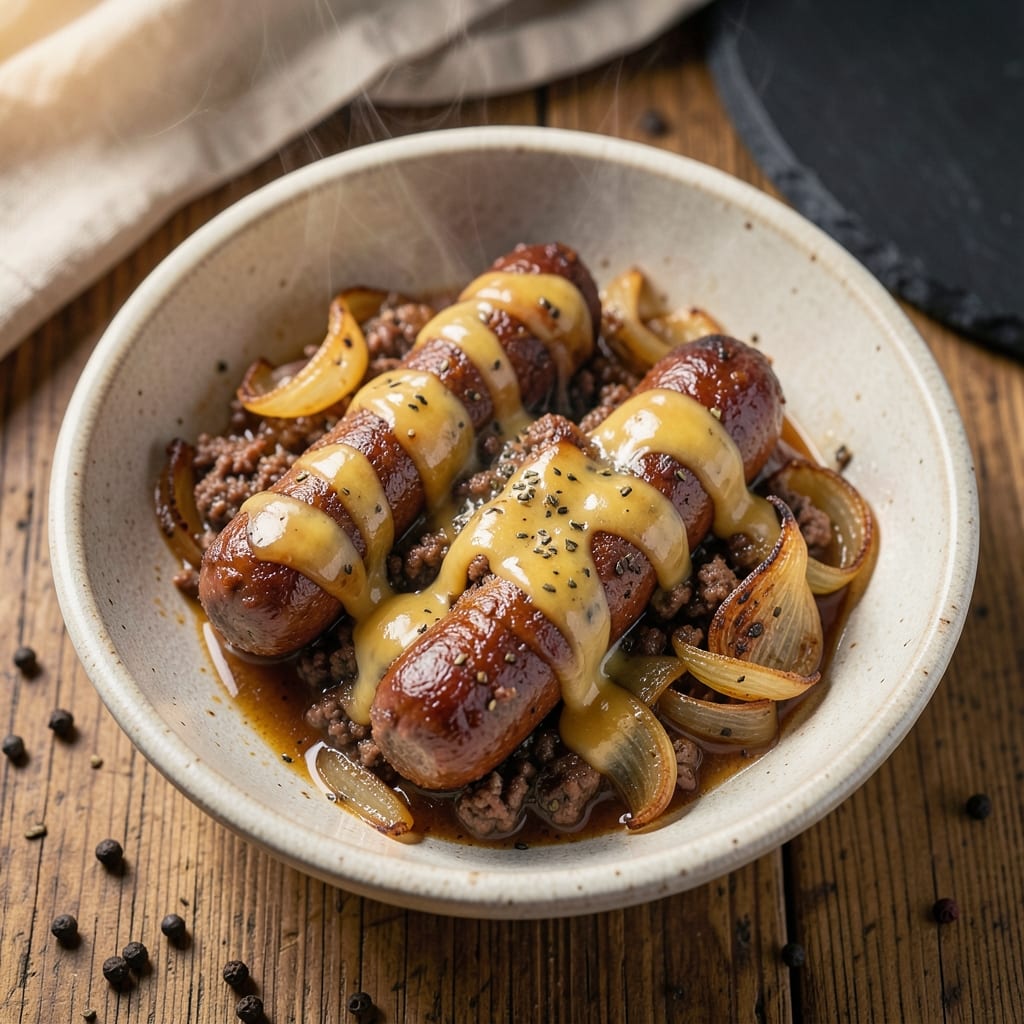
This beef and cheese sausage recipe delivers the perfect fusion of crispy sizzle and melty cheese—transforming simple ingredients into a standout main dish. The secret lies in grinding fresh beef, blending it with sharp cheddar, and shaping it into juicy, golden-brown links that crackle when sliced. I’ve perfected this technique after years of testing, ensuring every bite balances rich meat with creamy, pull-apart cheese.
The process is straightforward but rewarding: mix ground beef with cheese, herbs, and spices, then shape into sausages before pan-frying or baking until the exterior is crispy and the cheese inside melts into gooey perfection. This recipe bridges traditional Italian flavors with a modern twist—think savory fennel and garlic paired with bold cheddar or a spicy Cajun kick. The result? A sausage so flavorful, it becomes the star of any plate.
Serve these sausages sliced with a tangy mustard dipping sauce, fresh pickles, or grilled bread to soak up every last drop of juices. The crispy exterior gives way to tender meat and melted cheese, creating a texture that’s impossible to resist. Whether you’re grilling for a summer BBQ or cooking up a cozy weeknight dinner, this recipe delivers restaurant-quality results in just 25 minutes.
For extra versatility, try stuffing the sausages with jalapeños or sun-dried tomatoes for a burst of heat and sweetness. The possibilities are endless, but the foundation—juicy beef, melty cheese, and that crispy crust—remains the same. Let’s get cooking!
Ingredients for beef and cheese sausage
Freshly ground beef and sharp cheddar create the perfect fusion of crispy sizzle and melty cheese.
| Ingredient | Amount | Notes |
|---|---|---|
| Ground Beef (80/20 Lean-to-Fat Ratio) 🥩 | 1 ½ lb | Freshly ground for best texture |
| Sharp Cheddar Cheese 🧀 | 1 cup | Shredded, block preferred |
| Garlic Cloves 🧄 | 4 cloves | Minced for flavor depth |
| Fresh Fennel Seeds 🌿 | 1 tsp | Crushed for aromatic kick |
| Dried Oregano 🍃 | 1 tsp | Italian variety preferred |
| Ground Black Pepper 🌶️ | 1 tsp | Freshly cracked for heat |
| Kosher Salt 🧂 | 1 ½ tsp | Diamond Crystal preferred |
| Extra-Virgin Olive Oil 🫒 | 1 tbsp | For crispy exterior |
| All-Purpose Flour 🌾 | 2 tbsp | For dredging sausages |
| Fresh Parsley 🌿 | ¼ cup | Chopped, for garnish |
| Mustard (Optional for Binding) 🍯 | 1 tsp | Dijon preferred for tang |
The beef is non-negotiable—80/20 ratio ensures juicy, flavorful sausages. Butcher shops often grind it fresh, but if you're using pre-ground, check the fat content. Sharp cheddar is key; Kraft isn't cutting it here. Look for blocks labeled 'extra sharp' at Whole Foods or specialty cheese counters. Fennel seeds should be toasted lightly in a dry pan before grinding to release their aroma. I buy mine in bulk from Spicewalla—lasts for months in an airtight container.
No sharp cheddar? Pepper jack or Gruyère add their own unique flavors. Swap fennel seeds for asafetida powder at half the amount if you're avoiding gluten. The mustard isn't mandatory, but it helps bind everything together—Dijon works best. For extra crispiness, coat the shaped sausages in panko breadcrumbs instead of flour. The parsley is just for garnish, but if you're feeling fancy, add a pinch of smoked paprika to the mix for depth. Pre-ground spices? Toast them in a dry skillet for 30 seconds to wake up the flavors.
Shape these sausages immediately after mixing—the cheese starts melting fast. Keep any unused beef mixture tightly wrapped in the fridge for 2 days max. The shaped sausages can be refrigerated for 3 days before cooking, but they're best fresh. For make-ahead convenience, freeze shaped sausages on a tray first, then transfer to a bag. They'll keep for 3 months. The crispy crust is all about high heat—don't skip the olive oil dredge, and cook them in batches if needed.
Why You'll Love This Recipe
- One-Pot Magic: I swear by this for nights when I’ve got zero energy—just brown the beef with garlic, toss in the fennel seeds and oregano, then fold in the cheese at the end. No extra bowls, no fuss, and the cheese melts into that beef so fast it feels like cheating.
- Cheese Pulls Hard: That sharp cheddar? It’s the star. The moment it stretches and crisps around the edges while staying gooey inside—honestly, I’ve caught myself staring at my plate mid-bite. The fennel seeds add this bright, almost licorice-like kick that balances the richness perfectly.
- Game for Any Meal: Slap these on toast for breakfast, toss them into pasta for lunch, or serve them straight up with crusty bread for dinner. I’ve even used the leftovers in breakfast burritos the next day—no one complains, and my wallet doesn’t either.
- Budget-Friendly Powerhouse: Ground beef at 80/20 keeps costs low, and a block of cheddar stretches further than you’d think. Make a big batch, freeze half, and thank me later when you’re reheating a meal that still tastes like it was just made. (Yes, even on a Tuesday night.)
Step-by-step instructions for beef and cheese sausage
Here's how to craft perfectly seasoned, golden-brown sausages with a rich cheddar center.
Prepare the Seasoning and Cheese Mixture
In a medium bowl, combine the 1 cup shredded sharp cheddar cheese, 1 tsp crushed fresh fennel seeds, 1 tsp dried oregano, 1 tsp freshly cracked black pepper, and 1.5 tsp kosher salt. Mix thoroughly until the cheese is evenly coated with spices. This blend will infuse every bite with savory depth and aromatic warmth.
If using the optional 1 tsp Dijon mustard for binding, add it now and stir until fully incorporated. The mustard helps create a more cohesive sausage texture, especially if your ground beef has lower fat content. Set this mixture aside while you prepare the sausage casing.
Form the Sausage Mixture
In a large mixing bowl, gently combine the 1.5 lb ground beef (80/20 ratio) with the cheese-spice mixture. Using your hands, mix just until the ingredients come together—avoid overworking the meat, as this develops gluten and makes the sausages tough. The mixture should be cool to the touch but still slightly tacky from the beef's natural fat.
If the mixture feels too dry, add 1-2 teaspoons of ice water to help bind it. The goal is a cohesive, slightly sticky texture that will hold its shape when formed into sausages. This step ensures your sausages maintain their structure during cooking while delivering that signature melty cheese surprise.
Create the Sausage Logs
Divide the sausage mixture into 4 equal portions (about 4 ounces each) and shape each into a 6-inch log. I press the mixture gently but firmly between my palms, rolling it into a smooth cylinder with even pressure. The logs should be uniform in size to ensure even cooking and crispiness.
Place each log on a parchment-lined baking sheet, spacing them about 2 inches apart. Cover with plastic wrap and refrigerate for 30 minutes to firm up. This chilling step is crucial—it prevents the sausages from spreading or losing their shape when they hit the hot pan. The cold also helps the cheese maintain its structure until the final sear.
Sear for Crispy Perfection
Heat a large skillet over medium-high heat until it's smoking hot. Add the 1 tbsp extra-virgin olive oil and let it shimmer for 30 seconds. Working in batches if needed, carefully place the chilled sausage logs in the pan. Cook undisturbed for 3-4 minutes per side until deeply golden brown with crispy edges.
During this time, the cheese inside will begin to melt and soften, creating that irresistible contrast between the crispy exterior and creamy center. If any sausages release from the pan too easily, press down gently with a spatula to ensure even browning. The high heat and rendered fat will create that signature sizzle and caramelized crust we're after.
Finish and Garnish
Transfer the cooked sausages to a clean plate and let them rest for 2-3 minutes. While they rest, dust the tops with the 0.25 cup chopped fresh parsley. The parsley adds a bright, fresh finish that cuts through the richness of the cheese and beef. Serve immediately while the exterior remains crisp and the cheese stays perfectly melty.
For best results, slice the sausages into ½-inch rounds and serve on crusty bread with a side of roasted vegetables or a fresh green salad. The contrast of temperatures—crispy exterior, warm cheese, cool garnish—makes every bite unforgettable. If making ahead, cook the sausages completely, then refrigerate and reheat in a skillet over medium heat for 2-3 minutes to restore crispiness.
Pro Tips For Making Beef And Cheese Sausage
- CRANK THE HEAT FIRST: I learned this the hard way—low and slow starts with beef and cheese, and you’ll end up with greasy, undercooked patties. Sear the ground beef on high for 2-3 minutes until it loses its raw look, then pull it off the pan. The cheese melts better and the fennel seeds crisp up properly when the base is hot.
- GRATE THE CHEESE FINE: Sharp cheddar in big chunks? That’s a textural disaster. Use a box grater or pulse in a food processor until it’s almost powdery—this ensures even distribution and prevents clumpy, unmelted bits. (Yes, it takes 30 seconds, but your future self will notice.)
- DON’T OVERWORK THE MEAT: Once you add the garlic, fennel, and oregano, mix just until combined—about 10 seconds. I used to knead it like dough, and the sausage turned dense and tough. The fat needs to stay marbled, not squeezed out.
- LET THE GARLIC BLOOM: Sauté the minced garlic in the same pan you sear the beef—just until it’s fragrant but not browned. This pulls out the sweetness and prevents bitterness, which can overpower the cheddar. Skip this, and your sausage will taste like a missed opportunity.
Perfect pairings for this beef and cheese sausage
Classic Mustard Sauce
No beef and cheese sausage is complete without a tangy mustard dipping sauce. I blend ¼ cup whole-grain mustard with 2 tbsp honey, 1 tbsp apple cider vinegar, and a pinch of smoked paprika for depth. Thin with 2 tablespoons water until smooth, then drizzle over sliced sausages or serve on the side. The sweetness balances the cheese's richness while the vinegar cuts through the fat. 🍯
Pickled Vegetable Contrast
Bright, crunchy pickles elevate every bite of these sausages. Try dill pickles or quick-pickled red onions—slice 1 red onion thinly and soak in ½ cup vinegar, 1 tbsp sugar, and 1 tsp salt for 30 minutes. The acidity and crunch create the perfect contrast to the melty cheese. I like to serve them on the side or even stuff a few slices inside the sausages before cooking.
Grilled Bread Slices
For a hearty meal, serve these sausages with garlic bread—toast 1 baguette sliced into ½-inch pieces, brush with 2 tbsp olive oil mixed with 1 minced garlic clove and ½ tsp dried thyme. Grill until golden and crispy. The bread soaks up all the juices while adding a satisfying crunch. I often sprinkle extra fresh parsley on top for a pop of color.
Spicy Jalapeño Cream
Add a kick with a cooling cream sauce. Mix ½ cup sour cream with 1 tbsp chopped jalapeños (seeds removed for mild heat), 1 tsp lime juice, and a pinch of salt. Drizzle over sliced sausages or serve as a dip. The creaminess balances the heat while complementing the cheddar. For extra richness, fold in 1 tablespoon grated Parmesan. 🌶️
Roasted Potatoes
Crispy roasted potatoes make an ideal side. Toss 1 lb baby potatoes (halved) with 2 tbsp olive oil, 1 tsp paprika, ½ tsp garlic powder, and ½ tsp salt. Roast at 425°F for 30-35 minutes until golden and fluffy. The starchiness soaks up any leftover juices from the sausages, creating a satisfying bite. I like to finish them with a sprinkle of fresh rosemary for aroma.
Fresh Salad Balance
A simple arugula salad with lemon vinaigrette cuts through the richness. Toss 4 cups baby arugula with 2 tbsp olive oil, 1 tbsp lemon juice, ½ tsp Dijon mustard, and a pinch of salt. Top with ¼ cup shaved Parmesan and 2 tbsp toasted pine nuts**. The peppery greens and citrus notes refresh your palate after each rich, cheesy bite. 🥗
Nutrition facts
Frequently asked questions
Can I use pre-made sausage casings for this recipe?
This recipe uses log-style sausages without traditional casings, but you can adapt it! For classic links, stuff the mixture into natural hog casings (soaked in water for 30 minutes first). The texture will differ slightly—casings give a firmer bite, while our logs stay tender and melty inside. If using casings, cook them in a 350°F oven for 25-30 minutes until internal temp reaches 160°F.
What's the best way to store leftover cooked sausages?
Store cooked sausages in an airtight container in the fridge for up to 4 days. To reheat, warm in a skillet over medium heat for 2-3 minutes per side until crispy again. For longer storage, freeze cooked sausages (sliced or whole) for up to 3 months. Thaw overnight in the fridge before reheating. The crispy texture won't survive freezing, but the flavor stays rich and melty.
Can I make these sausages spicier?
For heat lovers, add ½ tsp cayenne pepper or 1 tbsp chopped jalapeños to the cheese mixture. For smoky heat, swap ½ tsp smoked paprika> for regular paprika. Pro tip: Mix in 1 tsp chipotle powder> for a deep, smoky kick. Start with half the amount and adjust to taste—cheese can mellow out spice intensity.
Why did my sausages turn out dry?
Overworking the meat or using lean ground beef (less than 20% fat) causes dryness. Always use 80/20 ratio> ground beef and mix gently. If your mixture feels dry, add 1-2 tsp ice water> to bind it. Also, don't overcook—sausages are done at 160°F internal temp>, not when they're fully crispy outside. The cheese helps retain moisture, but proper fat content is key.
How can I make these sausages ahead of time?
Shape the sausages and refrigerate them (uncooked) for up to 3 days> in an airtight container. For longer prep, freeze shaped logs on a tray first, then transfer to a bag for 3 months>. Cook from frozen in a cold skillet over low heat> for 5 minutes>, then increase to medium-high> to finish. The cheese will still melt beautifully, though the exterior may be slightly less crisp.