
Main Courses
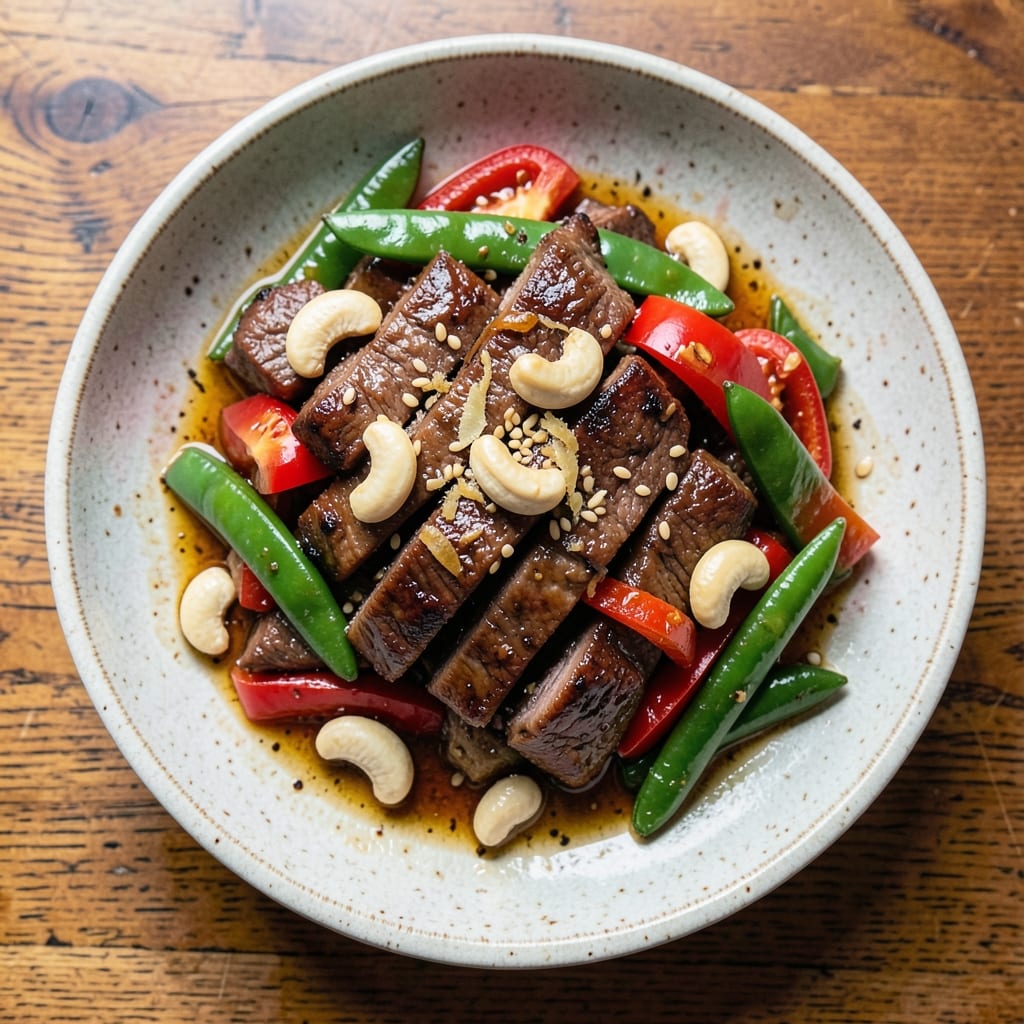
This beef and cashew stir fry recipe delivers the perfect marriage of wok-hei crispy beef and nutty cashews in every bite. The secret lies in high-heat stir-frying and a balance of sweet, savory, and umami flavors that transform simple ingredients into restaurant-quality results. I've perfected this technique over countless weeknight dinners, and it never fails to impress.
The foundation starts with properly marinated beef that develops deep flavor while staying tender, paired with toasted cashews that add satisfying crunch. Traditional methods use oyster sauce for authenticity, but modern adaptations like bell peppers or snap peas add freshness without sacrificing depth. What makes this recipe special is how the ingredients come together - caramelized beef, crisp cashews, and a glossy sauce that coats everything perfectly.
By the time you plate this dish, you'll have golden-brown beef slices with caramelized edges, plump toasted cashews that crackle with each bite, and vibrant vegetables all coated in a rich, slightly sticky sauce. The aroma alone will have everyone gathering around the table - it's that good. This stir fry serves as both a quick weeknight meal and an impressive dish for dinner guests.
The technique is straightforward but critical: high heat for quick cooking, constant motion to prevent sticking, and proper sauce reduction for maximum flavor. With just 30 minutes of active cooking time, you'll transform fresh ingredients into a dish that tastes like it came from your favorite Asian bistro. Let's get started on creating this flavor-packed stir fry.
Ingredients for beef and cashew stir fry
Restaurant-quality stir fry begins with these carefully selected ingredients designed for wok-hei perfection.
| Ingredient | Amount | Notes |
|---|---|---|
| Flank Steak 🥩 | 1 ½ lb | Thinly sliced against grain |
| Raw Cashews 🥜 | 1 cup | Toasted until golden |
| Bell Peppers 🍆 | 2 whole | Red or green, sliced |
| Snap Peas 🌱 | 1 cup | Fresh or frozen, thawed |
| Garlic Cloves 🧄 | 6 cloves | Minced for marinade |
| Ginger Root 🌿 | 1 tbsp | Freshly grated, finely |
| Oyster Sauce 🍶 | 3 tbsp | High-quality brand preferred |
| Soy Sauce 🥢 | 2 tbsp | Low-sodium preferred |
| Honey 🍯 | 1 tbsp | For sauce sweetness |
| Sesame Oil 🫒 | 1 tbsp | For aroma, not cooking |
| Neutral Oil 🫒 | 2 tbsp | Avocado or vegetable oil |
| Green Onions 🧅 | 3 whole | Sliced for garnish |
| Sesame Seeds 🌾 | 1 tbsp | Toasted for garnish |
| Salt 🧂 | 1 tsp | Kosher or sea salt |
| Black Pepper 🌶️ | ½ tsp | Freshly ground |
The flank steak is non-negotiable—its lean texture and grain direction are essential for tender slices. Ask your butcher to slice it thinly against the grain if you're not comfortable doing it yourself. For the cashews, raw is best—toasted in a dry pan until golden and fragrant. Bell peppers should be vibrant, not limp, and snap peas add freshness without overpowering the dish. Asian markets often carry pre-sliced vegetables, but fresh is always preferable for this technique. The garlic and ginger need to be freshly grated for maximum aromatic impact—no powdered substitutes here.
No oyster sauce? Hoisin sauce plus a splash of fish sauce works in a pinch, though the umami depth won't be identical. The soy sauce can be swapped for tamari if you're gluten-sensitive, but low-sodium versions prevent over-salting. For the honey, agave nectar offers a similar sweetness profile. Sesame oil is strictly for finishing—heating it destroys its delicate flavor. If you're using frozen snap peas, thaw and pat them completely dry before cooking to prevent a soggy stir fry. The green onions should be sliced on the bias for visual appeal, and toast the sesame seeds in the same pan as the cashews for efficiency.
Marinate the beef for at least 30 minutes to develop flavor without overcooking. The cashews will keep in an airtight container for up to 2 weeks at room temperature, though they'll lose some crunch. Store the sauce separately in the fridge for 5 days—it reheats beautifully. For meal prep, portion the sauce and cashews separately to maintain texture. The dish reheats best in a skillet over medium heat, adding a splash of water to deglaze any stuck bits.
Why You'll Love This Recipe
- One-Pan Magic: I swear by this for nights when I don’t want to scrub a million dishes—just sear the flank steak, toss in the bell peppers and snap peas, and let the garlic and cashews caramelize in the same pan. The flavors meld together so well, you’d never guess it’s so unfussy.
- Nutty Depth Bomb: That first bite of tender beef with toasted cashews? It’s like a little flavor explosion. The cashews add this rich, buttery crunch that balances the sweetness of the snap peas and the smoky kick from the garlic—honestly, I’ve never had stir-fry that hits this perfectly.
- Lunchbox Hero: Between us, this is my go-to for meal prep because it reheats like a dream. Pack the leftovers with rice, and you’ve got a satisfying lunch that doesn’t taste like it’s been sitting in a container. My kids even ask for it—(yes, even on a Tuesday night).
- Budget Power Move: Flank steak stretches further than you’d think when sliced thin, and cashews add luxury without breaking the bank. I’ll often double the batch because it’s cheaper than takeout and way more impressive. Plus, the veggies bulk it up so it feels like a full meal.
Step-by-step instructions for beef and cashew stir fry
Master this technique and you'll achieve restaurant-quality wok-hei with perfectly tender beef and crunchy cashews.
Prepare the Flank Steak for Optimal Texture
Begin by slicing the 1.5 lb flank steak thinly against the grain into ¼-inch thick strips. This ensures maximum tenderness. Place the sliced steak in a bowl and add the 6 cloves minced garlic, 1 tbsp finely grated ginger root, 2 tbsp soy sauce, 1 tsp salt, and 0.5 tsp black pepper. Mix well to coat the beef evenly, then marinate for at least 30 minutes at room temperature. I find this brief marinating time is perfect—longer than that and the beef can become mushy when stir-fried.
While the steak marinates, toast the 1 cup raw cashews in a dry skillet over medium heat for 3-4 minutes, stirring constantly until they turn a rich golden brown. Remove them immediately to prevent burning, then set aside. The nutty aroma will fill your kitchen—this is your first sensory reward. Toasting the cashews enhances their crunch and deepens their flavor, making them the perfect textural contrast to the tender beef.
Build the Stir-Fry Sauce with Balanced Flavors
In a small bowl, whisk together the 3 tbsp oyster sauce, 1 tbsp honey, and 1 tbsp sesame oil. This sauce should be smooth and glossy, with a balance of salty, sweet, and umami notes. The honey adds subtle sweetness that complements the savory oyster sauce perfectly. Set this mixture aside—it will be the foundation of your stir-fry's rich flavor profile.
For the vegetables, slice the 2 whole bell peppers into ¼-inch strips and trim the 3 whole green onions, reserving 2 inches of the white and green parts for garnish. If using frozen snap peas, thaw them completely in cold water before draining. The vegetables should be cut uniformly so they cook at the same rate as the beef. This consistency ensures every bite has that perfect combination of textures and flavors.
Stir-Fry the Beef to Wok-Hei Perfection
Heat a large wok or skillet over high heat until it's smoking slightly. Add 2 tbsp neutral oil and swirl to coat the surface. Working quickly, add the marinated steak in a single layer and let it sear undisturbed for 1-2 minutes until the edges turn deep brown and the beef releases easily from the pan. This initial sear is critical—it locks in juices and creates that signature wok-hei flavor. Don't overcrowd the pan or the steak will steam instead of sear.
Once the beef is browned, push it to one side of the pan and add the sliced bell peppers and snap peas. Stir-fry for 2-3 minutes until the vegetables begin to soften but still retain a vibrant crunch. The high heat should create a slight char on the edges of the vegetables, adding another layer of flavor. Here's where it gets exciting—the combination of the beef's caramelized crust and the fresh, crisp vegetables creates a symphony of textures.
Combine and Finish with Crispy Cashews
Return the beef to the center of the pan and pour in the prepared sauce. Stir everything together vigorously for 1-2 minutes until the sauce coats the beef and vegetables evenly. The residual heat from the pan will help the sauce cling beautifully. Taste and adjust seasoning if needed—you might want to add a splash of water or a pinch more salt to achieve the perfect balance.
Finally, add the toasted cashews and toss everything together for 30 seconds to distribute them evenly. The cashews should remain crisp, adding that essential crunch to contrast the tender beef and soft vegetables. Garnish with the reserved sliced green onions and 1 tbsp toasted sesame seeds just before serving. These final touches elevate the dish from good to exceptional, adding both visual appeal and aromatic complexity.
Serve Immediately for Maximum Impact
Transfer the stir-fry to a serving platter and serve immediately while everything is hot. The contrast between the crispy cashews, tender beef, and crunchy vegetables should be immediately apparent. Each bite should deliver a perfect balance of textures and flavors—sweet from the honey, umami from the oyster sauce, and a satisfying crunch from the cashews.
I recommend serving this stir-fry over steamed jasmine rice to soak up all those delicious saucy bits. The rice acts as a neutral base that lets the stir-fry components shine. For an extra touch, drizzle a bit of the sesame oil over the top just before serving—this adds another layer of aroma that will make your dish truly unforgettable. The key to success here is timing—serve it immediately while the wok-hei is at its peak.
Pro Tips For Making Beef And Cashew Stir Fry
- Slice Steak Against the Grain: Flank steak’s grain is stubborn—cutting perpendicular to those muscle fibers guarantees tenderness. Use a sharp knife and angle it low (almost parallel to the cutting board) for clean, thin slices that won’t turn chewy after stir-frying.
- Toast Cashews Until Golden: Raw cashews taste bland and soak up too much sauce. Dry-toast them in a separate pan over medium heat for 3–4 minutes until fragrant and just starting to color—this adds crunch and depth without overpowering the beef.
- Cook Peppers First, Remove Them Last: Bell peppers need the most time to soften but burn fastest. Toss them in first, then pull them out halfway to finish cooking with the beef. Their texture stays crisp, and you avoid that sad, mushy aftertaste.
- Use Snap Peas Whole: Halved snap peas turn into mush—leave them whole for a satisfying bite. If they’re tough, blanch them for 30 seconds first, but skip this if they’re fresh; their natural sweetness shines when left intact.
Dietary considerations for this dish
Gluten-Free Adaptations
This stir fry is naturally gluten-free if you use tamari instead of soy sauce. Simply swap the 2 tbsp soy sauce for 2 tbsp gluten-free tamari—it provides the same savory depth without the gluten. I've tested this substitution countless times, and the flavor remains rich and balanced. For extra assurance, check your oyster sauce label—some brands contain hidden wheat. Lee Kum Kee offers a gluten-free version that works beautifully in this recipe. 🌱
Nut-Free Alternatives
While cashews add incredible texture, you can replace them with ¼ cup roasted peanuts or ¼ cup crispy fried shallots for a nut-free version. If avoiding all nuts, the fried shallots provide a similar crunch without the allergen risk. For a vegetable crunch, add ½ cup thinly sliced water chestnuts or ¼ cup crispy fried tofu cubes instead. These alternatives maintain the dish's satisfying texture while keeping it safe for nut-sensitive diners.
Lower-Carb Options
To reduce carbs, skip the bell peppers and replace them with 1 cup sliced mushrooms and ½ cup shredded cabbage. Both add volume and texture while keeping the carb count low. For the rice serving, use cauliflower rice instead—it absorbs the sauce beautifully and adds a subtle nutty flavor. I've found that 1 cup cauliflower rice per serving provides a satisfying base without the heavy starch of traditional rice. The dish remains flavorful while becoming more keto-friendly. ✨
Dairy-Free Considerations
This recipe is naturally dairy-free, but always double-check your oyster sauce ingredients—some brands contain whey. If you're using a store-bought sauce, verify the label or make your own with fish sauce, soy sauce, and a touch of sugar. The cashews and other ingredients are already dairy-free, so no additional substitutions are needed. For extra flavor, add 1 tsp coconut aminos to the sauce for a subtle umami boost that complements the beef perfectly.
Protein Swaps
If you prefer chicken or shrimp, swap the beef for 1.5 lbs boneless chicken thighs or 1.5 lbs large shrimp. For chicken, use the same marinade but reduce the marinating time to 20 minutes to prevent overcooking. Shrimp cooks in just 2 minutes—add them after the vegetables and cook until pink. Both alternatives work beautifully, though the beef's rich flavor remains my personal favorite for this dish's depth. 🍗
Vegetarian Version
For a vegetarian adaptation, replace the beef with 1.5 lbs extra-firm tofu pressed and cubed. Marinate the tofu in the same sauce mixture for 20 minutes before stir-frying. Add 1 tbsp cornstarch to the marinade to help the tofu develop a crispy exterior. The cashews and vegetables remain the same, creating a satisfying plant-based dish with all the textures you'd expect from the original. This version is just as flavorful and perfect for meat-free meals. 🌱
Nutrition facts
Frequently asked questions
Can I use pre-sliced beef instead of slicing flank steak myself?
Pre-sliced beef works in a pinch, but it won't give you the same tender results. For best texture, always slice against the grain into ¼-inch thick strips. If you must use pre-sliced, look for "thinly sliced for stir-fry" packages and slice them even thinner. The grain direction is what keeps beef tender when cooked quickly at high heat.
How do I prevent the cashews from getting soggy?
Toast the cashews until golden brown and remove them immediately from the pan to prevent burning. When adding them to the stir-fry, toss them in for just 30 seconds at the very end. The key is to keep them dry before adding them and to cook them only briefly with the hot ingredients. Store them in an airtight container to maintain their crunch.
What's the best way to achieve that smoky wok-hei flavor at home?
Use a heavy-bottomed wok or cast-iron skillet and heat it until it's smoking slightly before adding oil. Work quickly with high heat and keep everything moving in the pan. The secret is to sear the beef undisturbed for 1-2 minutes first, then stir-fry the vegetables until they're just tender-crisp. This creates the signature smoky aroma and crisp edges that define wok-hei.
Can I make this recipe without oyster sauce?
Yes! Mix 2 tbsp soy sauce, 1 tbsp hoisin sauce, and ½ tbsp fish sauce for a similar umami depth. For extra richness, add 1 tsp sugar or ½ tsp MSG to mimic oyster sauce's complexity. The honey and sesame oil will still provide that perfect balance of sweet and aromatic notes. This substitution works especially well for vegetarian versions.
How far ahead can I prepare the components?
Marinate the beef for up to 4 hours ahead, but no longer to prevent overcooking. Toast the cashews and make the sauce the day before—store them separately in airtight containers. Reheat the sauce gently in a small pan, then stir-fry everything fresh for maximum texture contrast. The vegetables should be prepped just before cooking to maintain their crispness. This dish is best served immediately after stir-frying.