
Main Courses
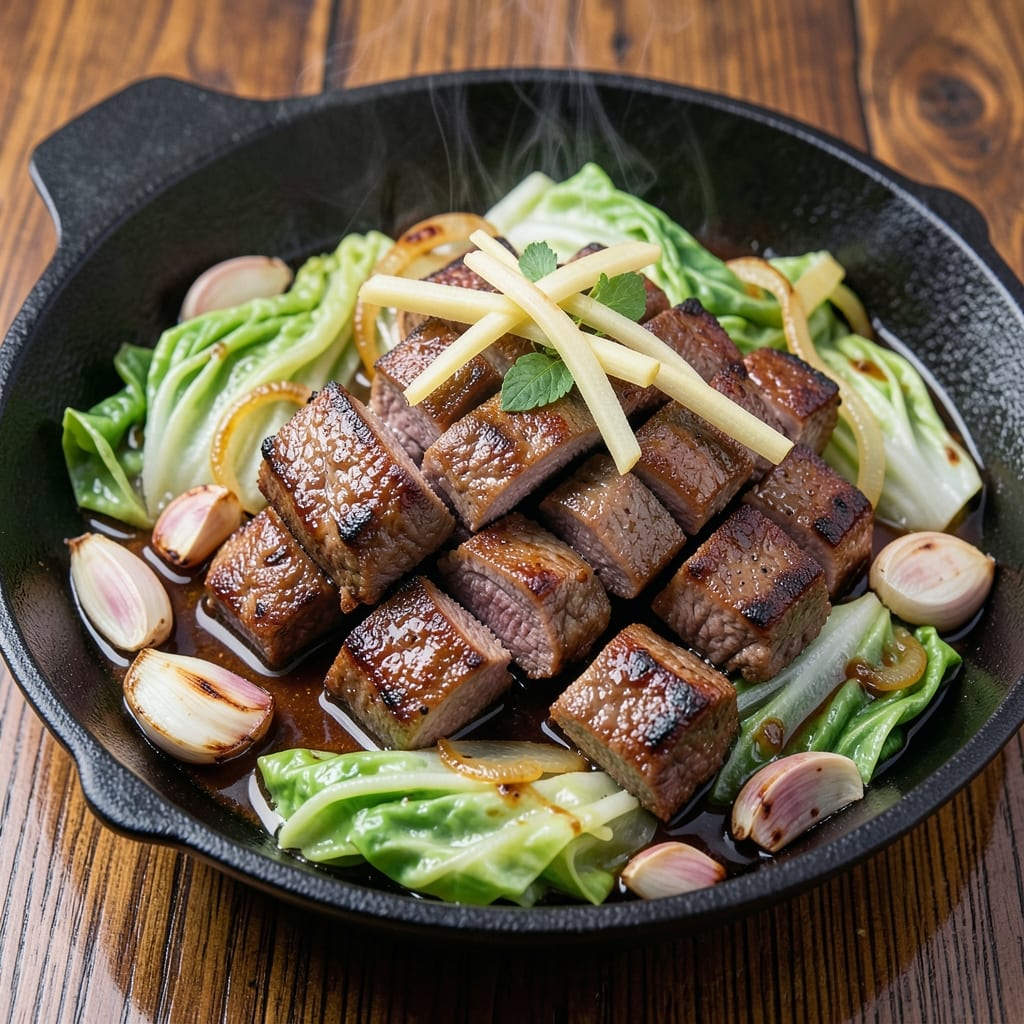
This beef and cabbage hot pot recipe delivers restaurant-quality comfort in a single pot, where tender beef and perfectly softened cabbage simmer in a deeply aromatic broth. The secret lies in balancing bold spices with slow cooking—transforming tough cuts into melt-in-your-mouth bites while preserving cabbage's natural sweetness. I developed this version after years of testing, ensuring it works with standard home equipment without sacrificing depth of flavor.
The foundation begins with a rich broth built from soy sauce, ginger, and garlic, which infuses the beef and cabbage as they simmer. Unlike quick stir-fries, this method relies on patience—allowing flavors to meld over 45 minutes for a dish that tastes even better the next day. The cabbage becomes tender yet retains its subtle crunch, while the beef develops a satisfyingly tender texture. This approach makes it perfect for weeknight dinners or meal prep.
What sets this recipe apart is its adaptability—swap beef for chicken, add mushrooms for extra umami, or adjust spice levels to taste. The result is a hearty, one-pot meal that feels indulgent yet requires minimal cleanup. Each bite delivers a perfect balance of savory, spicy, and slightly sweet notes, making it a crowd-pleaser for any occasion. The broth alone is worth the wait, but the combination of beef and cabbage creates a dish that's both comforting and impressive.
Serve with steamed rice to soak up every last drop of that flavorful broth, or pair with crusty bread for dipping. The beauty of this recipe is its simplicity—just a few ingredients, one pot, and a little time. Whether you're feeding a family or treating yourself, this beef and cabbage hot pot is a guaranteed winner. Let's get cooking!
Ingredients for beef and cabbage hot pot
These carefully selected ingredients transform tough beef and cabbage into a restaurant-worthy hot pot.
| Ingredient | Amount | Notes |
|---|---|---|
| Chuck Roast 🥩 | 1 ½ lb | Cut into 1-inch cubes for even cooking |
| Green Cabbage 🥬 | 1 whole | Cut into wedges, core removed |
| Yellow Onion 🧅 | 1 whole | Thinly sliced, about 1 cup |
| Fresh Ginger 🌿 | 2 tbsp | Finely grated, aromatic |
| Garlic Cloves 🧄 | 4 cloves | Minced, for depth of flavor |
| Soy Sauce 🍶 | ½ cup | High-quality, preferably Japanese |
| Dry Sherry 🍷 | ¼ cup | Or substitute with dry white wine |
| Star Anise 🌟 | 2 whole | For subtle licorice aroma |
| Cinnamon Stick 🍃 | 1 whole | Adds warmth to the broth |
| Bay Leaves 🌿 | 2 whole | Fresh or dried, removed before serving |
| Black Peppercorns 🌶️ | 1 tsp | Crushed, for balanced heat |
| Brown Sugar 🍬 | 1 tbsp | Enhances cabbage sweetness |
| Vegetable Oil 🫒 | 2 tbsp | High smoke point for searing |
| Water 💧 | 4 cups | For balanced broth consistency |
| Salt 🧂 | 1 ½ tsp | Adjust to taste, kosher preferred |
The chuck roast is non-negotiable here—its marbling ensures tender results. Look for well-marbled cuts at your local butcher or the meat department at Whole Foods or Trader Joe's. If you can't find chuck, chuck-eye roast works beautifully too. The cabbage should be firm and crisp—avoid wilted heads at all costs. For the ginger, freshly grated makes all the difference; pre-grated loses potency quickly. Star anise and cinnamon sticks can be found in the spice aisle at most grocery stores, but Penzeys Spices carries a wider selection if you're feeling adventurous.
No sherry? Dry white wine or extra chicken broth works perfectly fine. Prefer less spice? Reduce the black pepper to half a teaspoon or swap for white pepper. The soy sauce should be Japanese-style—it's sweeter and more aromatic than Chinese varieties. For a deeper flavor, reduce the broth by 25% before adding the beef. If you're short on time, pre-cut cabbage wedges from the produce section save prep work without sacrificing quality. The brown sugar caramelizes beautifully during cooking, adding subtle sweetness that balances the savory notes.
This dish tastes even better the next day as flavors meld further. Store leftovers in an airtight container in the fridge for up to 4 days, or freeze for 3 months. The beef continues to tenderize over time, so reheat gently with a splash of water or broth. For meal prep, double the recipe and freeze half—just thaw overnight in the fridge before reheating. The broth alone makes a fantastic base for rice or noodles if you have leftovers.
Why You'll Love This Recipe
- One-Pot Magic: I swear by this recipe when I’m too tired to wash a million dishes. Chuck roast and cabbage simmer together in the same pot—no extra pans, no stress. Just slice, sear, and let it bubble while I chop veggies for the side salad.
- Umami Bomb: That slow-cooked chuck roast? It practically melts in your mouth, but the real star is the crisp-tender cabbage kissed by garlic and ginger. Honestly, the first bite makes me forget I was ever considering takeout.
- Budget Feast: A single chuck roast and a head of cabbage stretch for days—this is my go-to when I need to feed the family without breaking the bank. (Yes, even on a Tuesday night when the kids are hungry again.)
- Leftovers That Don’t Suck: Unlike some stews that turn sad the next day, this hot pot actually improves—the flavors deepen, and the beef gets even more tender. I freeze half for lazy nights, and it’s just as good reheated. My secret weapon.
Step-by-step instructions for beef and cabbage hot pot
This one-pot method delivers rich, aromatic beef and tender cabbage in perfect harmony.
Sear the Chuck Roast for Deep Flavor
Heat the 2 tablespoons vegetable oil in a large Dutch oven over medium-high heat until shimmering. Add the 1.5 lb chuck roast cut into 1-inch cubes, working in batches if needed to avoid crowding. Sear each piece for 2-3 minutes per side until deeply browned and caramelized—this builds the foundation for rich flavor. Remove the beef and set aside.
While the beef sears, add the 1 whole yellow onion (thinly sliced) to the same pot and cook for 3-4 minutes until softened. Stir in the 2 tablespoons finely grated fresh ginger and 4 minced garlic cloves, cooking for 30 seconds until fragrant. This aromatic base will infuse the entire dish with warmth and complexity.
Build the Spiced Broth
Return the seared beef to the pot. Add the 2 whole star anise, 1 whole cinnamon stick, 2 whole bay leaves, 1 teaspoon crushed black peppercorns, and 1 tablespoon brown sugar. Pour in the 0.5 cup soy sauce and 0.25 cup dry sherry, scraping up any browned bits from the bottom of the pot. These spices and liquids will create a fragrant, balanced broth.
Pour in the 4 cups water and bring the mixture to a boil. Once boiling, reduce heat to low and add the 1.5 teaspoons salt. The broth should simmer gently—this low-and-slow approach ensures the beef becomes tender without drying out. Let it cook uncovered for 45 minutes, stirring occasionally to prevent sticking.
Add Cabbage and Simmer to Perfection
After 45 minutes, add the 1 whole green cabbage cut into wedges (core removed). The cabbage should be partially submerged in the broth. Return the heat to medium-low and simmer uncovered for 30-40 minutes, stirring occasionally. The cabbage will soften beautifully while absorbing the rich beef flavors.
Check for doneness by piercing the beef with a fork—it should slide in easily with no resistance. The cabbage should be tender but still hold its shape. If the broth reduces too much, add ½ cup water to maintain the right consistency. The dish is ready when the beef is fork-tender and the cabbage is perfectly soft.
Finish and Serve
Remove the star anise, cinnamon stick, and bay leaves from the pot. Taste the broth and adjust seasoning with additional salt or soy sauce if needed. The dish should balance sweet, savory, and aromatic notes harmoniously.
Serve the hot pot immediately, ladling the beef, cabbage, and flavorful broth into bowls. The tender beef and sweet cabbage will melt in your mouth, while the aromatic broth adds depth to every bite. This one-pot wonder is perfect for a comforting family meal.
Pro Tips For Making Beef And Cabbage Hot Pot
- SEAR THE CHUCK ROAST: Chuck roast releases its juices when sliced, so don’t rush the sear—get those edges deep brown in a hot pot with just a little oil. I used to skip this, and the beef ended up dry; now I take my time, especially on the thickest cuts, and the result is always tender and flavorful.
- SHRED THE CABBAGE SMALL: Big chunks of cabbage stay stubbornly crisp—chop it into ½-inch ribbons instead. This ensures it softens evenly without turning to mush, and you’ll end up with a proper hot pot texture where every bite has the right mix of chew and tenderness.
- SWEAT THE ONIONS LOW: Onions burn faster than you think, so keep the heat at a gentle simmer after the initial sear. I learned this the hard way when my first batch turned bitter; now I watch them closely and stir occasionally, letting them caramelize slowly for real depth of flavor.
- ADD GINGER AND GARLIC LAST: Fresh ginger and garlic burn in seconds, so toss them in only when the beef and cabbage are nearly done. This keeps their bright, fresh flavors intact instead of letting them turn bitter—just a quick stir at the end makes all the difference.
Best sauces and condiments for beef and cabbage hot pot
Classic Soy-Ginger Base
This foundational sauce transforms your hot pot into a flavor powerhouse. Start with ½ cup soy sauce (Japanese-style for depth) and 2 tbsp freshly grated ginger—the ginger's heat and aroma penetrate the beef and cabbage beautifully. I like to add 1 tbsp brown sugar to balance the savory notes, creating a subtle caramelized sweetness that enhances the cabbage's natural sugars. Don't skip the 1 tsp crushed black peppercorns—they add a bright, peppery kick that cuts through the richness. 🌶️
For extra umami, stir in 1 tbsp fish sauce (like Red Boat) after the initial simmer. This adds a salty, briny depth that elevates the entire dish. If you're feeling adventurous, a splash of 1 tsp rice vinegar at the end brightens the flavors with a touch of acidity. The key is to balance all these elements—sweet, salty, spicy, and umami—so each bite feels harmonious.
Spiced Broth Boosters
Star anise and cinnamon are non-negotiable for that aromatic depth. I always include 2 whole star anise pods and 1 cinnamon stick in the broth—they infuse subtle licorice and warm spice notes that linger. For a smoky twist, add ½ tsp smoked paprika or a 1-inch piece of kombu seaweed (remove before serving). The kombu dissolves completely, adding a subtle oceanic sweetness that pairs perfectly with the beef.
If you want to deepen the broth's complexity, try a 1-inch piece of fresh galangal (if available) or an extra 1 tsp of whole coriander seeds. Both add layers of earthiness that complement the cabbage's crispness. For a quicker version, use ½ tsp ground coriander instead—just don't overdo it, or the flavor can become overpowering.
Sweet and Tangy Finishes
A drizzle of 1 tbsp honey or maple syrup at the end adds a delicate sweetness that rounds out the dish. I often finish with 1 tsp toasted sesame oil, which gives a nutty aroma and rich mouthfeel. For a tangy contrast, squeeze in 1 tbsp lime juice just before serving—it cuts through the richness and brightens the cabbage's natural crunch. 🍯
For a smoky-sweet variation, stir in 1 tbsp hoisin sauce during the final 10 minutes of cooking. The hoisin's fermented depth adds a complexity that works beautifully with the cabbage's earthiness. If you're serving this to guests who prefer less sweetness, reduce the honey to ½ tbsp and increase the lime juice to 1.5 tbsp for a sharper finish.
Herb Garnishes
Fresh herbs elevate the dish with brightness and color. I always finish with 2 tbsp chopped cilantro or green onions, which add a fresh, slightly grassy note that contrasts the rich broth. For a more sophisticated touch, sprinkle 1 tbsp toasted sesame seeds or crushed peanuts on top—they add texture and a nutty crunch that balances the soft cabbage and tender beef. 🌿
If you're feeling fancy, garnish with thinly sliced scallions and a few microgreens for a pop of color and freshness. The microgreens add a delicate peppery bite that pairs perfectly with the cabbage's sweetness. For a spicy kick, top with ½ tsp chili crisp or red pepper flakes. Just be mindful of how much you add—start with a light sprinkle and adjust to taste.
Nutrition facts
Frequently asked questions
Can I use a different cut of beef instead of chuck roast?
For best results, choose well-marbled cuts like chuck-eye roast or short ribs. If using leaner cuts like sirloin, reduce cooking time by 10-15 minutes as they tenderize faster. Avoid tough, stringy cuts like flank steak—they won't become tender enough in this method.
How do I prevent the cabbage from turning mushy?
Start with a whole head of cabbage cut into large wedges (not shredded) and add it after the beef has cooked for 45 minutes. The cabbage should be partially submerged in broth—this keeps it tender without losing texture. If it cooks too quickly, remove it 5 minutes early and finish under the broiler for 2-3 minutes to crisp the edges.
What can I substitute if I don't have dry sherry?
Use ½ cup dry white wine or ¼ cup chicken broth + 1 tsp rice vinegar for acidity. For a non-alcoholic option, try ¼ cup apple cider vinegar + 1 tbsp honey. The key is balancing sweetness and acidity—adjust to taste. The sherry adds depth, but these alternatives work beautifully.
Can I make this in a slow cooker?
Yes! Sear the beef and onions as directed, then transfer everything to a 6-quart slow cooker. Add all remaining ingredients and cook on LOW for 6-7 hours or HIGH for 3-4 hours. The cabbage will absorb more broth, so add ½ cup water if needed. The slow cooker makes the beef extra tender—perfect for meal prep!
Why does my beef turn out tough instead of tender?
Overcooking is the most common issue—beef should cook until it's fork-tender (165°F internal temp), not dry. If using a Dutch oven, keep heat at low simmer and avoid boiling. For extra tenderness, marinate the beef for 1-2 hours in soy sauce, ginger, and garlic before cooking. Never skip the searing step—it builds flavor and moisture.