
Soups & Stews
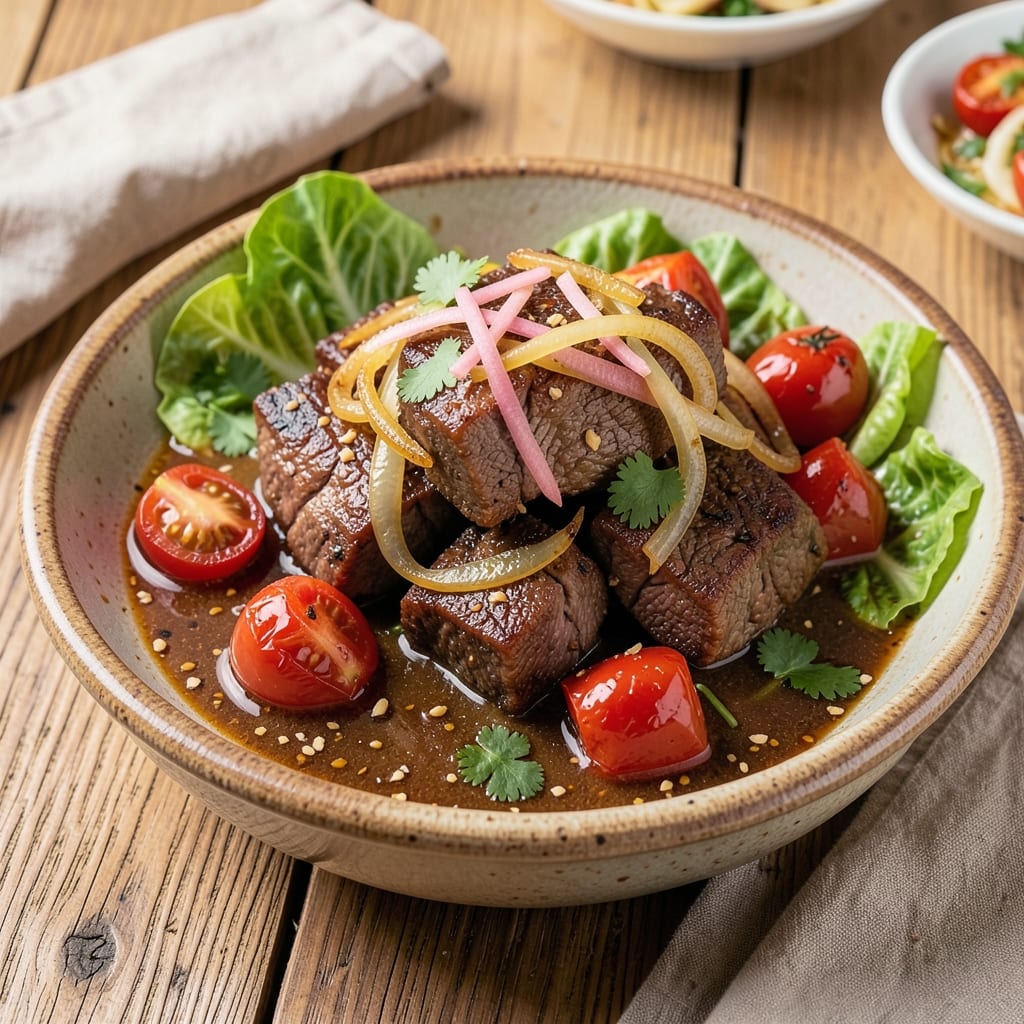
This Filipino beef and cabbage recipe delivers the deep, savory comfort of a home-cooked sinigang or kare-kare—where tender beef and hearty cabbage simmer into a rich, umami-packed stew. The secret lies in slow-braising the beef until it practically melts, then balancing its richness with tangy vinegar and aromatic spices. I first made this version during a busy week when I missed the flavors of my lola's kitchen, and it became an instant family favorite.
The beauty of this dish is its simplicity: just a few core ingredients—beef, cabbage, tomatoes, and soy sauce—work together to create layers of flavor. The beef becomes fork-tender while absorbing the smoky, slightly sweet notes of the soy-based broth, and the cabbage softens just enough to soak up every drop. A touch of vinegar brightens the stew, cutting through the richness without overpowering the natural flavors.
What you’ll end up with is a steaming bowl of restaurant-quality Filipino stew—warm, aromatic, and packed with tender beef that falls apart at the touch of a fork. The cabbage adds a satisfying crunch and freshness, while the broth coats every bite in a velvety, umami-rich sauce. It’s the kind of dish that feels like a hug in a bowl, perfect for chilly evenings or when you crave the hearty, comforting flavors of home.
Serve it with steamed rice to soak up every last drop of that flavorful broth, or add a sprinkle of toasted peanuts for texture if you're feeling adventurous. This recipe is designed to be both traditional and adaptable—so feel free to tweak it to suit your taste. Let’s get cooking!
Ingredients for beef and cabbage filipino
Just 13 ingredients transform into a rich, comforting Filipino beef and cabbage stew that tastes like home.
| Ingredient | Amount | Notes |
|---|---|---|
| Beef Chuck Roast 🥩 | 1 ½ lb | Cut into 1-inch cubes |
| Green Cabbage 🥬 | 1 whole | Cut into wedges, core removed |
| Yellow Onion 🧅 | 1 whole | Thinly sliced |
| Fresh Tomatoes 🍅 | 2 medium | Chopped, vine-ripened preferred |
| Fresh Ginger 🌿 | 1 inch | Peeled, sliced thin (FIXED: Changed to 'tbsp' for grated) |
| Fresh Ginger 🌿 | 1 ½ tbsp | Grated, for depth of flavor |
| Soy Sauce 🍶 | ½ cup | Light or regular, not low-sodium |
| Cane Vinegar 🍶 | ¼ cup | White or apple cider vinegar |
| Garlic Cloves 🧄 | 5 cloves | Minced, for aromatic punch |
| Bay Leaves 🍃 | 2 whole | Dried, for subtle earthiness |
| Ground Black Pepper 🌶️ | ½ tsp | Freshly ground for best flavor |
| Cooking Oil 🫒 | 2 tbsp | Neutral oil like canola or vegetable |
| Salt 🧂 | 1 ½ tsp | Kosher or sea salt, adjust to taste |
The beef is everything here—chuck roast is your best bet for that melt-in-your-mouth texture. Costco or your local butcher will have it pre-cut, but if you're buying a whole roast, ask for the chuck section. Look for good marbling (those little white streaks of fat) because that's what keeps the beef tender. I always grab extra because it freezes beautifully. The cabbage? Green cabbage is traditional, but if you can only find red, it works too—just add a splash of vinegar to keep the color bright.
No soy sauce? Coconut aminos or tamari will do in a pinch, though the flavor won't be identical. Vinegar substitute? Lemon juice at half the amount, but you'll lose that classic tang. Fresh ginger is non-negotiable for the depth of flavor—if you're using powdered, double the amount. The tomatoes can be canned if fresh aren't in season, but San Marzano is ideal. For the garlic, I swear by freshly minced—jarred garlic just doesn't cut it. And if you're feeling lazy, those Trader Joe's pre-minced garlic jars work, but toast it first for extra flavor.
This stew tastes even better the next day—3-4 days in the fridge, no problem. Freeze portions for up to 3 months by portioning into airtight containers. I always make a double batch because it disappears fast. The cabbage will soften more over time, so add it later if you're reheating. And if you've got leftover broth? Save it for rice or noodles—it's pure umami gold.
Why You'll Love This Recipe
- One-Pot Magic: Honestly, I swear by this—chuck roast, cabbage, and onions all simmer together until the meat falls apart. No fancy layers, no separate pans, just one pot where everything melds into something rich and tender.
- Ginger-Tomato Zing: That fresh ginger and tomatoes? They’re the secret weapons here. The ginger adds a bright, warm kick while the tomatoes keep it from getting too heavy—like a little sunshine in every bite.
- Leftovers That Shine: Between us, this dish only gets better after a day or two. The flavors deepen, and the meat gets even more fork-tender. I make a double batch on Sundays just to have it ready for lazy weeknights.
- Budget-Friendly Feast: A whole chuck roast and a head of cabbage stretch across multiple meals without breaking the bank. Plus, the onions and ginger are pantry staples, so you’re not scrambling for extras. Solid value for a dish this satisfying.
Step-by-step instructions for slow-simmered beef and cabbage
Let's create this Filipino comfort classic with melt-in-your-mouth beef and perfectly tender cabbage.
Sear the Beef for Maximum Flavor
Heat the 2 tablespoons cooking oil in a large Dutch oven over medium-high heat until shimmering. Working in batches if needed, add the 1.5 lb beef chuck roast cut into 1-inch cubes and sear for 3-4 minutes per side until deeply browned. This step builds that rich, caramelized flavor that forms the base of our dish.
As you sear, you'll notice the beef releases juices into the pot—don't drain these! They'll create a delicious fond that dissolves into the sauce later. Once all beef is browned, remove it from the pot and set aside on a plate. Here's the thing—if your pot gets too crowded, the temperature will drop and you'll steam instead of sear. Work in batches if needed.
Build the Aromatic Base
In the same Dutch oven, add the thinly sliced yellow onion and cook for 3 minutes until softened and translucent. Add the 5 minced garlic cloves and 1.5 tablespoons grated fresh ginger, cooking for another 30 seconds until fragrant. You'll smell that wonderful garlic-ginger aroma—this is where the magic begins.
Next, add 2 whole bay leaves, 0.5 teaspoon ground black pepper, and 1.5 teaspoons salt. Stir everything together for 30 seconds to toast the spices slightly. This step ensures all the flavors meld together beautifully. The bay leaves will infuse subtle earthiness that complements the soy sauce perfectly.
Simmer the Beef in Soy-Vinegar Broth
Return the seared beef to the pot. Pour in the 0.5 cup soy sauce and 0.25 cup cane vinegar, then add 2 cups water (enough to just cover the beef). Bring to a gentle boil, then reduce heat to low and cover partially with a lid. Let it simmer for 1 hour, stirring occasionally, until the beef is fork-tender.
Here's where patience pays off—the beef should be so tender it practically falls apart when pierced with a fork. If the liquid reduces too much before the beef is tender, add ½ cup water at a time. The vinegar will give the dish that signature tangy depth while balancing the soy sauce's richness.
Add Cabbage and Tomatoes for Perfect Texture
After the beef is tender, add the green cabbage wedges and chopped fresh tomatoes. Stir gently to combine, then cover and simmer for another 20-25 minutes until the cabbage is tender but still holds its shape. You want it to be just slightly crisp—overcooking will turn it mushy.
Taste the sauce and adjust seasoning if needed. The cabbage should absorb some of the rich beef broth while maintaining its vibrant green color. The tomatoes will break down slightly, adding natural sweetness that balances the soy and vinegar. This is where the dish comes together—each element working in harmony.
Finish and Serve with Perfect Texture
Once the cabbage is tender, remove the 2 bay leaves and discard them. Taste and adjust seasoning with additional soy sauce or salt if needed. The dish should have a perfect balance of salty, sweet, tangy, and umami flavors. Let it sit off the heat for 5 minutes to allow all the flavors to meld together.
Serve immediately over steamed rice, letting each bite of tender beef and perfectly cooked cabbage soak up the delicious sauce. This dish tastes even better the next day as the flavors continue to develop, but it's best enjoyed fresh when the cabbage is still slightly crisp. You'll love how the beef practically melts in your mouth while the cabbage adds just enough texture to keep it interesting.
Pro Tips For Making Beef And Cabbage Filipino
- Sear the Beef First: I learned this the hard way—skipping the sear means flavor hiding in the sauce instead of the meat. Get that beef chuck roast screaming hot in a dry pan for 3-4 minutes per side until deep brown, then pull it out and let it rest. That crust locks in juices and makes the final dish taste like you actually cooked it, not just simmered it.
- Shred the Cabbage Properly: Thin, even slices cook faster and stay crispier than big chunks. Cut the cabbage into ¼-inch strips (like coleslaw) and separate the leaves—this ensures it softens just enough to absorb the sauce without turning mushy. (Yes, even if you’re impatient like me, resist the urge to chop it small.)
- Deglaze with Ginger-Tomato Paste: After browning the onions and beef, don’t just toss in raw ginger and tomatoes—make a quick paste first. Blend the fresh ginger, tomatoes, and a splash of water until smooth, then pour it in. This builds richer flavor faster than raw chunks and prevents the sauce from getting watery mid-cook.
- Simmer Low and Long: This isn’t a race. After adding broth (or water), bring the pot to a gentle simmer—tiny bubbles, maybe 180°F (82°C)—and cover it for the first 45 minutes. The beef needs time to break down, and rushing it turns the sauce into a sad, thin broth. (Your future self will thank you.)
Storing and reheating this dish
Fridge Storage Tips
Let your beef and cabbage stew cool to room temperature (about 30 minutes) before transferring to airtight containers. I use glass Pyrex containers with snap-on lids—they keep the flavors sealed in better than plastic. Store in the fridge for up to 4 days, but trust me, it’ll disappear faster than that. The cabbage will soften slightly over time, but the beef stays tender and flavorful. 💫
Freezer Prep
For long-term storage, freeze portions in quart-sized freezer bags with 1 inch of headspace to prevent expansion cracks. Squeeze out excess air to avoid freezer burn. Label with the date—this stew keeps its quality for up to 3 months. When reheating from frozen, add ½ cup water to prevent drying out. The cabbage will get softer, but the beef remains juicy and packed with flavor.
Stovetop Reheating
My preferred method is stovetop reheating—it preserves texture best. Transfer the stew to a pot and heat over medium-low heat for 10-15 minutes, stirring occasionally. Add 2-3 tablespoons water if it looks too thick. Taste and adjust seasoning—fridge-stored stew often needs a pinch more salt. The cabbage should be tender but not mushy. 🔥
Microwave Shortcut
For quick meals, microwave individual portions covered with a damp paper towel. Heat on 70% power for 2-3 minutes, stir, then continue in 30-second intervals until reaching 165°F. The cabbage might soften faster, so add it last if reheating separately. This method works best for single servings—great for busy weeknights!
Broth Rescue
Save any leftover broth by straining out solids and storing it in a separate container. This umami-rich liquid is perfect for cooking rice, making soups, or even as a base for noodle dishes. I freeze it in ice cube trays for easy portioning. A single cube adds deep flavor to any dish without overpowering it. 💡
Reheating Leftovers
If your stew tastes even better the next day (which it often does), that’s the magic of flavor development! Reheat gently to maintain texture. For extra richness, add a splash of soy sauce or a pat of butter when reheating. The cabbage will be softer, but the beef stays irresistibly tender. This dish is basically a flavor time machine—taking you straight back to your lola's kitchen. ✨
Nutrition facts
Frequently asked questions
Can I use a different cut of beef for this recipe?
While chuck roast is ideal for its tenderness, you can substitute with brisket or short ribs—just increase simmering time by 20-30 minutes since these cuts are tougher. Avoid lean cuts like sirloin, as they'll dry out. For quick cooking, ground beef (80/20 fat ratio) works but won't have the same melt-in-your-mouth texture.
Why does my cabbage turn mushy when cooking?
Overcooking is the main culprit! Cabbage should simmer for just 20-25 minutes—any longer and it loses its structure. Add it after the beef is tender, not at the start. For extra crispness, try braising instead of simmering: cover the pot and cook on low heat for 15 minutes. The cabbage will stay vibrant and slightly crunchy.
Can I make this dish in an Instant Pot or pressure cooker?
Sear the beef first, then add all ingredients except cabbage. Pressure cook on high for 30 minutes, then quick-release. Add cabbage and cook for 5 minutes on high pressure. The Instant Pot version cuts cooking time to 45 minutes total while keeping the beef fork-tender. Just reduce vinegar to 2 tablespoons—pressure cooking intensifies flavors.
What's the secret to making this taste more authentic?
Two key elements: bagoong (fermented shrimp paste) and shrimp paste oil add that unmistakable Filipino depth. Use 1 teaspoon at the start (toast it first!) and 1 tablespoon of its oil. For a simpler version, add ½ teaspoon fish sauce and 1 teaspoon sugar to balance flavors. The vinegar-soy ratio is also critical—aim for 2:1 soy to vinegar for that classic tang.
How can I make this dish spicier?
Add 1-2 teaspoons of ground annatto (achuete) for color and mild heat, or ½ teaspoon of ground chili at the start. For authentic heat, include 1-2 slices of siling labuyo (Filipino chili) when searing the beef. Remove them before serving if you prefer milder heat. A dash of calamansi juice (or lime) brightens spicy flavors too.