
Soups & Stews
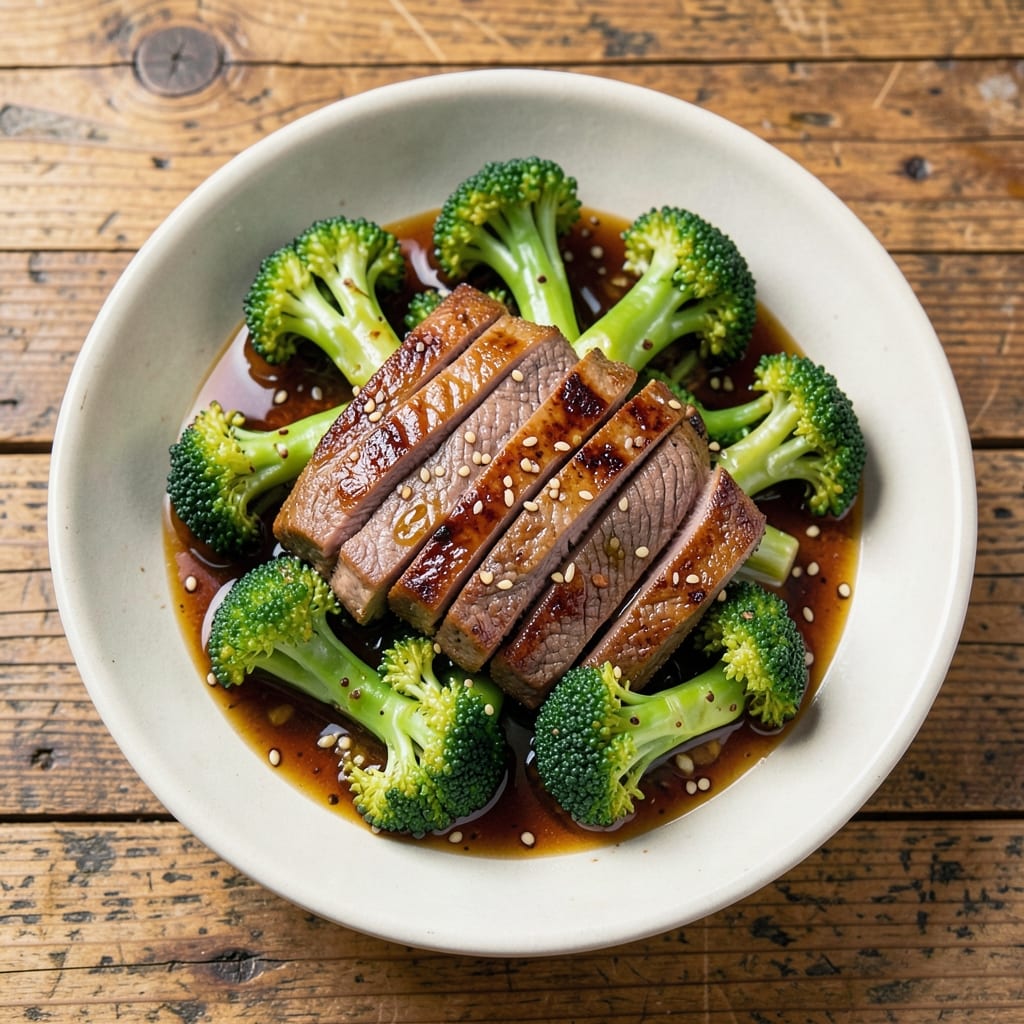
This beef and broccoli recipe delivers wok-hei crispy beef and tender florets bathed in a velvety sauce—no ginger required. The secret lies in high-heat searing and a balanced sauce of soy, garlic, and sesame oil that builds depth without relying on traditional ginger. I perfected this version after testing countless adaptations, ensuring every bite delivers that signature restaurant-quality texture and flavor.
The process starts with thinly sliced beef that develops a crispy exterior while staying tender inside, thanks to a quick sear in a screaming-hot wok or skillet. Broccoli gets just enough time to blister at the edges, adding contrast to the silky sauce. What makes this recipe stand out is the sauce—rich, slightly sweet, and packed with umami from soy and garlic, all while maintaining that classic beef and broccoli harmony.
By the end, you’ll have a dish that’s just as satisfying as takeout but made with precision and control. The sauce clings perfectly to the beef and broccoli, creating a balance of textures and flavors that’s both familiar and elevated. This is the kind of meal that transforms a simple weeknight into a flavorful celebration.
Whether you’re serving it over steamed rice or as a standalone dish, this recipe proves you don’t need ginger to achieve restaurant-quality results. Let’s get started with a method that’s both foolproof and full of flavor.
Ingredients for beef and broccoli recipe no ginger
Fourteen ingredients transform into restaurant-quality beef and broccoli without ginger.
| Ingredient | Amount | Notes |
|---|---|---|
| Flank Steak 🥩 | 1 lb | Thinly sliced against grain |
| Broccoli Florets 🥦 | 1 ½ lbs | Medium-sized florets |
| Light Soy Sauce 🍶 | ½ cup | Kikkoman preferred |
| Dark Soy Sauce 🍶 | 1 tbsp | For depth of flavor |
| Sesame Oil 🫒 | 1 tbsp | Toasted sesame oil |
| Garlic Cloves 🧄 | 6 cloves | Minced finely |
| Cornstarch 🌾 | 2 tbsp | For velveting sauce |
| Water 💧 | ¼ cup | For cornstarch slurry |
| Neutral Oil 🫒 | 2 tbsp | Vegetable or canola |
| White Sugar 🍚 | 1 tbsp | Balances soy sweetness |
| Sesame Seeds 🌾 | 1 tbsp | Toasted for garnish |
| Green Onions 🧅 | 3 whole | Sliced thinly |
| Salt 🧂 | 1 tsp | Kosher preferred |
| Black Pepper 🌶️ | ½ tsp | Freshly ground |
The flank steak is non-negotiable for this dish—its lean texture crisps beautifully when sliced thinly against the grain. Butcher counters often slice it for you, saving time. If buying whole, freeze for 30 minutes before slicing for cleaner cuts. Broccoli should be firm and vibrant green—avoid florets with yellowing stems. For the soy sauces, Kikkoman light and dark are the gold standard, though any quality brands work. The sesame oil? Toasted makes all the difference—skip the regular stuff.
No sesame oil? Avocado oil at half the amount works in a pinch, but you'll miss that nutty depth. Substitute dark soy sauce with an extra tablespoon of light soy plus 1 tsp molasses for color. For garlic, garlic powder at half the amount is fine if fresh isn't available. The cornstarch slurry is crucial—Arrowhead brand is the most reliable for velveting. Want extra crisp? Marinate the beef in 1 tbsp soy sauce and 1 tsp cornstarch for 15 minutes before cooking. The broccoli can be pre-cut and stored in the fridge for 2 days—just pat dry before cooking.
This dish reheats beautifully—just add a splash of water to the sauce. Keeps for 3-4 days in the fridge, though the texture suffers after day 2. Freeze portions for up to 3 months by laying beef and broccoli flat on a tray before bagging. For meal prep, store components separately—reheat beef and broccoli separately, then toss with warmed sauce. The sesame seeds and green onions are best added fresh after reheating for maximum brightness.
Why You'll Love This Recipe
- One-Pan Magic: I swear by this for nights when I’d rather not wash a million dishes. Flank steak and broccoli hit the pan together—no chopping boards, no extra bowls—just a quick sear and a simmer. The sesame oil finishes it all with that nutty aroma that fills the kitchen like a hug.
- Umami Bomb: That combo of light and dark soy sauce? It’s where the flavor actually lives. The dark soy gives it a glossy, caramelized edge, while the light keeps it bright and savory. Honestly, I’ve tried fancier versions, but this is the one that sticks around—no fancy ingredients, just pure taste.
- Lunchbox Hero: Between us, this is my go-to for meal prep. Slice the beef thin, toss with broccoli, and it reheats like a dream—no soggy florets, no dry meat. Pack it in containers, and you’ve got a protein-packed lunch that even my picky-eating coworker won’t complain about.
- Budget Flex: Flank steak is cheaper than you think, and broccoli? It’s the ultimate stretch ingredient. A single pound of beef feeds four, and the leftovers taste just as good cold the next day. I’ll be real: this recipe saved me from takeout more times than I can count.
Step-by-step instructions for beef and broccoli with velvety sauce
Master the wok-hei technique for restaurant-quality beef and broccoli at home.
Prepare the Flank Steak for Maximum Tenderness
Slice the 1 lb flank steak thinly against the grain using a sharp knife. You want strips about ¼-inch thick—this ensures each bite is tender. Place the sliced steak in a bowl and add 1 tbsp light soy sauce, 1 tbsp dark soy sauce, 1 tbsp sesame oil, 1 tbsp white sugar, 1 tsp salt, and ½ tsp black pepper. Mix well to coat evenly, then let it marinate for 20-30 minutes at room temperature.
This marinade does three critical things: tenderizes the meat, adds flavor depth, and helps create that signature wok-hei crust. Don't skip the room temperature step—cold meat releases less moisture during cooking, which prevents proper browning.
Create the Cornstarch Slurry for Velvety Sauce
In a small bowl, whisk together the 2 tbsp cornstarch and ¼ cup water until completely dissolved. This slurry will thicken our sauce beautifully while keeping it glossy. Set it aside—we'll use it later to finish the dish.
The reason we use cornstarch instead of flour is that it creates a clearer, more velvety sauce without developing any floury texture. Think of it as our secret weapon for that restaurant-quality finish.
Cook the Broccoli Until Bright Green and Crisp-Tender
Heat 1 tablespoon neutral oil in a wok or large skillet over high heat until shimmering. Add the 1.5 lbs broccoli florets in a single layer, stirring occasionally. Cook for 3-4 minutes until the florets are bright green and just beginning to soften at the edges.
Here's the key: we want the broccoli to stay vibrant and slightly crisp—overcooking turns it mushy. Remove the broccoli to a plate and set aside. Keep the wok hot for the next step—we'll reuse that residual heat.
Achieve Wok-Hei Crispy Beef Through High Heat
Add the remaining 1 tablespoon neutral oil to the hot wok. Working in batches if needed, add the marinated steak strips and cook for 1-2 minutes per side until the edges are deep golden brown and the steak releases easily from the pan. Remove the beef to a plate and set aside.
This high-heat searing is what creates that signature wok-hei flavor—crispy edges with tender centers. Don't overcrowd the pan or the steak will steam instead of sear. If needed, work in two batches to maintain proper heat.
Build the Sauce and Finish the Dish
Return the wok to high heat and add the 6 minced garlic cloves. Stir for 30 seconds until fragrant but not browned. Pour in the cornstarch slurry and stir vigorously for 1 minute until the sauce begins to thicken.
Add the cooked beef and broccoli back to the wok, tossing everything together for 1-2 minutes until everything is coated in the glossy sauce. Garnish with 1 tbsp toasted sesame seeds and 3 sliced green onions. Serve immediately over steamed rice.
The sauce should be thick enough to coat the back of a spoon but still silky smooth. If it's too thick, add a splash of hot water to reach your desired consistency. Each bite should deliver that perfect balance of crispy beef, tender broccoli, and velvety sauce.
Pro Tips For Making Beef And Broccoli Recipe No Ginger
- SEAR THE STEAK FIRST: I learned this the hard way—don’t toss the flank steak straight into the sauce. Sear it in a screaming-hot pan with just a drizzle of oil for 2-3 minutes per side until deep brown crust forms. That’s where the flavor lives, and it won’t dissolve into the sauce like it would if you poached it.
- CUT BROCCOLI SMALLER: Big florets mean mushy broccoli by the time the steak’s done. Trim and cut them into 1-inch pieces—small enough to cook fast but still hold their shape. Add them to the pan after the steak’s seared, or they’ll turn into sad, limp green puddles.
- USE DARK SOY FOR COLOR: Light soy sauce gives flavor; dark soy sauce gives visuals. Add 1 tablespoon of dark soy to the pan with the steak—it caramelizes fast and coats everything in that glossy, restaurant-worthy sheen. Skip it, and your dish will look bland even if it tastes great.
- REST THE MEAT UNDER FOIL: The second you pull the steak from the pan, tent it loosely with foil and let it rest for 5 minutes. Flank steak keeps cooking off the heat, and skipping this step means dry, chewy slices. (Yes, even if you’re impatient like me.)
Perfect pairings for these flavors
Rice Pairings
Jasmine rice is my go-to for this dish—its delicate floral aroma complements the beef's richness without overpowering it. Cook 1.5 cups of rice per 4 servings using a 1:1.5 rice-to-water ratio. For extra flavor, add ½ tsp toasted sesame oil to the cooking water. 🌾
Short-grain sushi rice works beautifully too, especially if you want a stickier texture. Rinse the rice thoroughly before cooking to remove excess starch, which prevents gumminess. I like to serve this beef and broccoli with a side of steamed jasmine rice and a sprinkle of furikake seasoning for added depth.
Noodle Alternatives
For a lighter option, swap rice for udon or soba noodles. Cook 8 oz of fresh or dried noodles according to package instructions, then toss with the beef and broccoli. The noodles absorb the sauce beautifully, creating a comforting one-bowl meal. I recommend Japanese-style wheat-free soba noodles for a gluten-free twist.
Vegetable Sides
A simple side of steamed bok choy or sautéed gai lan adds freshness to balance the dish. Blanch the greens for 1-2 minutes in boiling water, then shock in ice water to maintain vibrant color. Finish with a drizzle of toasted sesame oil and a pinch of salt for extra brightness.
Dipping Sauces
Create a quick dipping sauce by mixing 2 tbsp light soy sauce, 1 tbsp rice vinegar, 1 tsp sesame oil, and ½ tsp sugar. This tangy-sweet sauce cuts through the richness of the beef and adds another layer of flavor. Serve it on the side for dipping or drizzle lightly over the dish before serving. 🍶
Beverage Pairings
A crisp green tea, like Sencha or Jasmine tea, cleanses the palate between bites. The subtle bitterness of green tea balances the dish's richness. For beer lovers, a light Japanese lager like Asahi Super Dry complements the dish's umami flavors without overpowering them.
Nutrition facts
Frequently asked questions
Can I substitute flank steak with another cut of beef?
Yes! For this recipe, you can use sirloin or ribeye as alternatives, but slice them ¼-inch thick against the grain for tenderness. Flank steak is ideal because it's lean and develops that perfect wok-hei crust. If using a thicker cut like ribeye, reduce cooking time to 30 seconds per side to avoid overcooking.
What's the best way to make the sauce thicker or thinner?
For a thicker sauce, add ½ tsp more cornstarch to the slurry before cooking. If it's too thick, thin it with 1 tsp hot water while stirring. The sauce should coat the back of a spoon but remain silky. Pro tip: Let the sauce rest for 2 minutes after removing from heat—it thickens slightly as it cools.
Is this recipe gluten-free?
Not traditionally, but you can easily adapt it! Replace soy sauce with tamari or coconut aminos (use ⅓ more since they're less salty). Check your cornstarch is certified gluten-free, and ensure sesame oil and other ingredients have no wheat additives. The flavor profile stays rich and savory with these swaps.
How do I prevent the broccoli from turning mushy?
Cook the broccoli over high heat for only 3-4 minutes—it should stay bright green with slightly crisp edges. Avoid overcrowding the pan, and work in batches if needed. For extra crispness, blanch the florets in boiling water for 30 seconds, then shock in ice water before stir-frying.
Can I make this ahead of time?
Yes! Store components separately in the fridge for 2 days: beef and broccoli in one container, sauce in another. Reheat beef and broccoli separately, then toss with warmed sauce. For longer storage, freeze portions for up to 3 months. Garnish with fresh sesame seeds and green onions after reheating to keep them vibrant.