
Soups & Stews
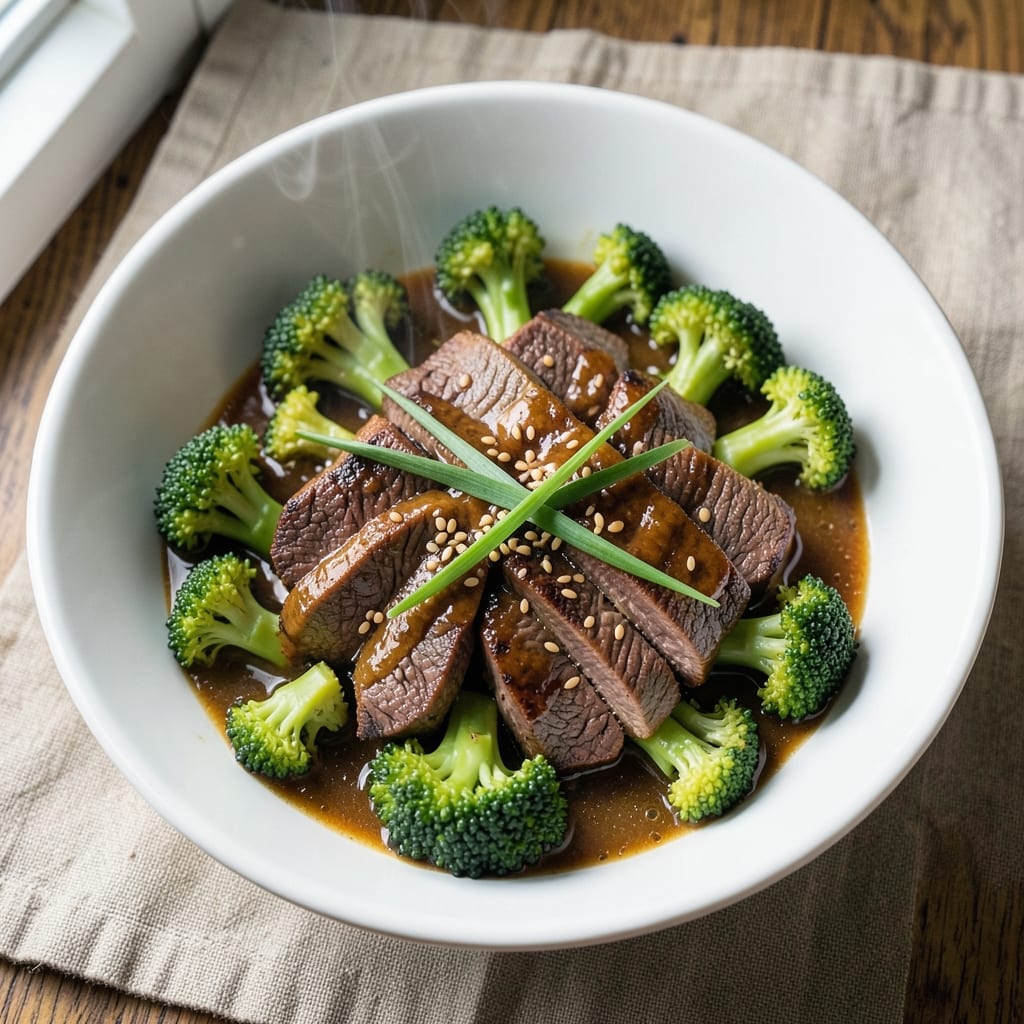
This beef and broccoli copycat recipe delivers the same wok-hei crispy beef and bright broccoli bites you crave from your favorite Chinese restaurant—now made perfectly at home. The secret lies in high-heat searing for that signature caramelized crust, followed by a quick stir-fry that locks in tender beef and vibrant, crisp-tender broccoli. I’ve adapted the classic technique to work in a home kitchen, whether you’re using a wok, cast-iron skillet, or even a sheet pan for a hands-off version.
What sets this recipe apart is the balance of flavors: a savory-sweet sauce with just the right tang, paired with beef that’s tender yet crispy around the edges. The broccoli stays bright and slightly crisp, so it doesn’t turn mushy—no more sad, soggy florets. The key is cooking the beef in batches to avoid steaming, then tossing everything together at the last minute for maximum wok-hei (breath of the wok) flavor. This method ensures every bite is packed with that restaurant-quality depth.
By the time you’re done, you’ll have a dish that’s rich, satisfying, and full of texture—crispy beef, bright broccoli, and a glossy sauce that coats every bite. It’s the kind of meal that feels special but comes together in under 30 minutes, making it perfect for weeknights or impressing dinner guests. The sauce is simple to make with pantry staples, and the technique is foolproof once you get the hang of it.
Whether you’re a seasoned home cook or new to stir-frying, this recipe delivers professional results without the fuss. Serve it over steamed rice or noodles for the full experience, and don’t forget to save some sauce for drizzling on top. Let’s get cooking!
Ingredients for beef and broccoli copycat
Pantry staples plus a few fresh ingredients for that restaurant-style wok-hei flavor.
| Ingredient | Amount | Notes |
|---|---|---|
| Flank Steak 🥩 | 1 lb | Thinly sliced against grain |
| Broccoli Florets 🥦 | 1 ½ lbs | Cut into bite-sized pieces |
| Cornstarch 🌾 | 2 tbsp | For crispy coating |
| Vegetable Oil 🫒 | ½ cup | High smoke point preferred |
| Soy Sauce 🍶 | ⅓ cup | Low sodium preferred |
| Oyster Sauce 🍜 | 2 tbsp | For depth of flavor |
| Honey 🍯 | 1 ½ tbsp | Substitute maple syrup if needed |
| Garlic Cloves 🧄 | 4 cloves | Minced for sauce |
| Fresh Ginger 🌿 | 1 tbsp | Grated finely |
| Sesame Oil 🫒 | 1 tbsp | For aroma (toasted) |
| Green Onions 🧅 | 3 whole | Sliced for garnish |
| White Rice 🍚 | 1 ½ cups | Uncooked, for serving |
| Salt 🧂 | 1 tsp | Kosher or sea salt |
| Black Pepper 🌶️ | ½ tsp | Freshly ground |
The beef is everything here. Flank steak is perfect—it’s lean but tender when sliced thin against the grain. Grab it from the butcher counter if you can; they’ll slice it for you. If you’re using a pre-sliced package, check for good marbling. Costco or Trader Joe's usually have great quality at a good price. Broccoli should be bright green and firm—skip the wilted stuff. For extra crispiness, toss the beef slices in cornstarch before cooking (don’t skip this part).
No oyster sauce? Substitute with hoisin sauce plus a dash of soy sauce. Short on honey? Maple syrup works just as well. Fresh ginger is ideal, but ground ginger at half the amount gets you close in a pinch. The sesame oil gives that signature aroma—use the toasted kind, not the light variety. For the green onions, save the tops for garnish and use the bottoms in the sauce. If you’re short on time, frozen broccoli works (thaw and pat dry first).
This sauce keeps for 5 days in the fridge, and the beef reheats beautifully—just toss it in a hot pan with a splash of water. The rice? Cook it ahead and reheat with a splash of water to keep it fluffy. Store leftovers in airtight containers, and the beef stays crispy if you reheat it quickly. Double the sauce if you’re feeding a crowd—it’s that good.
Why You'll Love This Recipe
- No-Fuss Protein: I slice the flank steak thin—no fancy knife skills needed—and the cornstarch slurry does all the work. Twenty minutes later, you’ve got tender beef that practically melts in your mouth.
- Umami Bomb: That soy sauce and vegetable oil combo? It’s the secret weapon. The beef gets this glossy, caramelized crust while staying juicy inside—no dry bites here.
- Lunchbox Hero: Between us, this reheats like a dream. Pack it for work, toss it in a thermos, or serve it cold in bento boxes. My kids eat it straight from the fridge—no complaints.
- Budget Win: Flank steak stretches far, and broccoli florets are cheap at the grocery store. I make this for four people for under $15, and honestly? It feels like a restaurant meal.
Step-by-step instructions for wok-hei crispy beef and bright broccoli bites
Here's how to nail that signature wok-hei flavor with tender beef and perfectly crisp broccoli.
Prep the Beef for Maximum Tenderness and Crispiness
Slice the 1 lb flank steak thinly against the grain into ¼-inch strips—this ensures each bite is tender. Place the sliced beef in a bowl and add 2 tbsp cornstarch, 1 tsp salt, and ½ tsp black pepper. Toss gently to coat evenly. Let it sit for 15 minutes at room temperature while you prep the rest.
The cornstarch creates that signature crispy crust when seared, while the salt and pepper penetrate the meat. Don't skip the resting time—it helps the beef cook more evenly and prevents tough spots in the center.
Sear the Beef in Hot Oil for Perfect Crispiness
Heat ½ cup vegetable oil in a wok or large skillet over high heat until shimmering. Add the beef in a single layer and let it sear undisturbed for 1-2 minutes until the edges turn deep golden brown. Stir and repeat until all the beef is crispy and cooked through—this should take about 4-5 minutes total. Remove the beef and set it aside.
Here's the thing—you want that wok-hei flavor, which comes from high heat and quick cooking. If the oil isn't hot enough, the beef will steam instead of sear. You'll know it's ready when the beef releases easily from the pan and has a beautiful crust.
Stir-Fry the Broccoli Until Bright and Crisp-Tender
In the same wok, add a little more oil if needed, then toss in the 1.5 lbs broccoli florets. Stir-fry over high heat for 3-4 minutes until the edges turn bright green and slightly crispy—you want them to stay vibrant but still tender enough to bite into. Remove and set aside with the beef.
The key here is high heat and constant movement. If the broccoli starts to wilt too much, it's time to pull it out. You're aiming for that perfect al dente texture that holds up to the rich sauce you're about to make.
Build the Sauce with Sweet, Salty, and Umami Balance
Lower the heat to medium, then add 4 minced garlic cloves and 1 tbsp finely grated fresh ginger. Sauté for 30 seconds until fragrant. Pour in ⅓ cup soy sauce, 2 tbsp oyster sauce, and 1.5 tbsp honey, stirring constantly. Let it simmer for 1-2 minutes until slightly thickened.
This is where the magic happens—the sauce should coat the back of a spoon but still be pourable. If it thickens too fast, add 1-2 tablespoons of water to loosen it. The balance of sweet, salty, and umami is what makes this dish so addictive.
Combine and Finish with Aromatic Touches
Return the beef and broccoli to the wok, tossing everything together with the sauce. Drizzle in 1 tbsp sesame oil and stir for 1 minute to infuse the aroma. Garnish with 3 sliced green onions and serve immediately over 1.5 cups cooked white rice.
Every bite should deliver that perfect contrast—crispy beef, tender broccoli, and glossy sauce. The sesame oil adds that final aromatic punch that takes it from good to restaurant-quality. Serve while hot for the best experience!
Pro Tips For Making Beef And Broccoli Copycat
- Slice Thin, Slice Even: Flank steak fights back when it’s stubbornly thick—cut it against the grain into ¼-inch slices (no thicker or it’ll chew like shoe leather). I used to eyeball it and regretted it every time. Grab a sharp knife and work methodically, or your sauce will turn to soup before the beef gets tender.
- Salt the Broccoli First: Toss broccoli florets in ½ teaspoon salt right after cutting—let them sit for 10 minutes before cooking. This draws out moisture so they crisp up instead of steaming into mush. I learned this the hard way after serving sad, limp broccoli that looked like it had been microwaved.
- Don’t Crowd the Pan: Give that beef space—one even layer, no overlapping. If you pile it on, you’ll steam the meat instead of searing it, and the sauce will turn greasy. Use two batches if needed; impatient? Start with a smaller skillet. Trust me, the crust is worth the extra minute.
- Use Cold Cornstarch: Mix your cornstarch slurry (1 tbsp cornstarch + 2 tbsp soy sauce) with ice water—not warm. Cold starch coats the beef evenly for that glossy, restaurant-quality sheen. I was skeptical until I tried it; now I never go back. The difference is subtle but noticeable.
Creative variations of these flavors
Spicy Sichuan Twist
For a fiery kick, add 1 tbsp chili bean paste (like Lao Gan Ma) and ½ tsp Sichuan peppercorns (toasted and crushed) to the sauce. The peppercorns add a numbing heat that’s signature to Sichuan cuisine. I like to serve this with extra red chili oil on the side for those who want more heat. The broccoli stays bright, but the beef gets a smoky depth from the spices. 🌶️
Sheet Pan Simplicity
Skip the wok entirely and use a half-sheet pan for a hands-off version. Toss the beef strips with 1 tbsp cornstarch and 1 tbsp soy sauce, then spread them on the pan. Roast at 450°F for 10 minutes, flip, then add broccoli and sauce. Bake another 5-7 minutes until everything’s hot. This method works great for meal prep—just reheat in the oven or air fryer.
Gluten-Free Adaptation
Replace the soy sauce with tamari (gluten-free soy sauce) and add 1 tbsp coconut aminos for depth. Use gluten-free oyster sauce (like Annie Chun’s) if needed. The cornstarch coating stays the same, but the sauce gets a slightly sweeter, nuttier profile. I’ve tested this version with friends who have gluten sensitivities, and they’ve never noticed the difference. ✨
Vegetarian Swap
Replace the beef with extra-firm tofu pressed for 30 minutes, then sliced into strips. Toss in 1 tbsp cornstarch and pan-fry until crispy. Add 1 tsp smoked paprika to the sauce for a meaty flavor. The broccoli stays the same, but the texture is still satisfying. This version is perfect for quick weeknight dinners and packs plenty of protein. 💪
Sweet and Tangy Fusion
Add 1 tbsp rice vinegar and ½ tsp sesame seeds to the sauce for a bright, tangy twist. The vinegar cuts through the richness of the beef and broccoli, while the sesame seeds add crunch. I like to serve this with a side of cucumber salad (sliced cucumbers, rice vinegar, sugar, and chili flakes) to balance the flavors. It’s a refreshing take on the classic dish. 💛
Nutrition facts
Frequently asked questions
Why does the beef need to be sliced against the grain?
Slicing flank steak against the grain shortens the muscle fibers, making each bite tender instead of chewy. The grain runs diagonally across the cut—look for the lines in the meat. If you slice with the grain, you'll end up with tough, stringy beef. For this recipe, aim for ¼-inch thick strips.
Can I use frozen broccoli instead of fresh?
Yes, but thaw and pat it completely dry first to prevent steaming. Frozen broccoli works best if it's still bright green and firm. For extra crispiness, toss it in ½ tsp cornstarch before stir-frying. Avoid overcooking—it should stay vibrant and slightly crisp.
What's the best way to reheat leftovers?
Reheat in a hot skillet with 1 tsp oil over high heat for 1-2 minutes to restore crispiness. Add a splash of water to loosen the sauce. Microwaving works in a pinch, but the beef loses its texture. Store leftovers in airtight containers for up to 3 days.
How do I adjust the sauce if it's too salty?
Add 1-2 tbsp water or ½ tsp honey/maple syrup to balance the saltiness. If the sauce is too thin, simmer it longer to reduce. For extra depth, stir in ½ tsp grated ginger or a pinch of white pepper to complement the flavors.
Can I make this recipe without a wok?
A cast-iron skillet or large frying pan works perfectly. The key is using high heat and keeping the pan well-oiled. For even cooking, work in batches—don't overcrowd the pan. A sheet pan method (see variations) is great for hands-off cooking.