
Soups & Stews
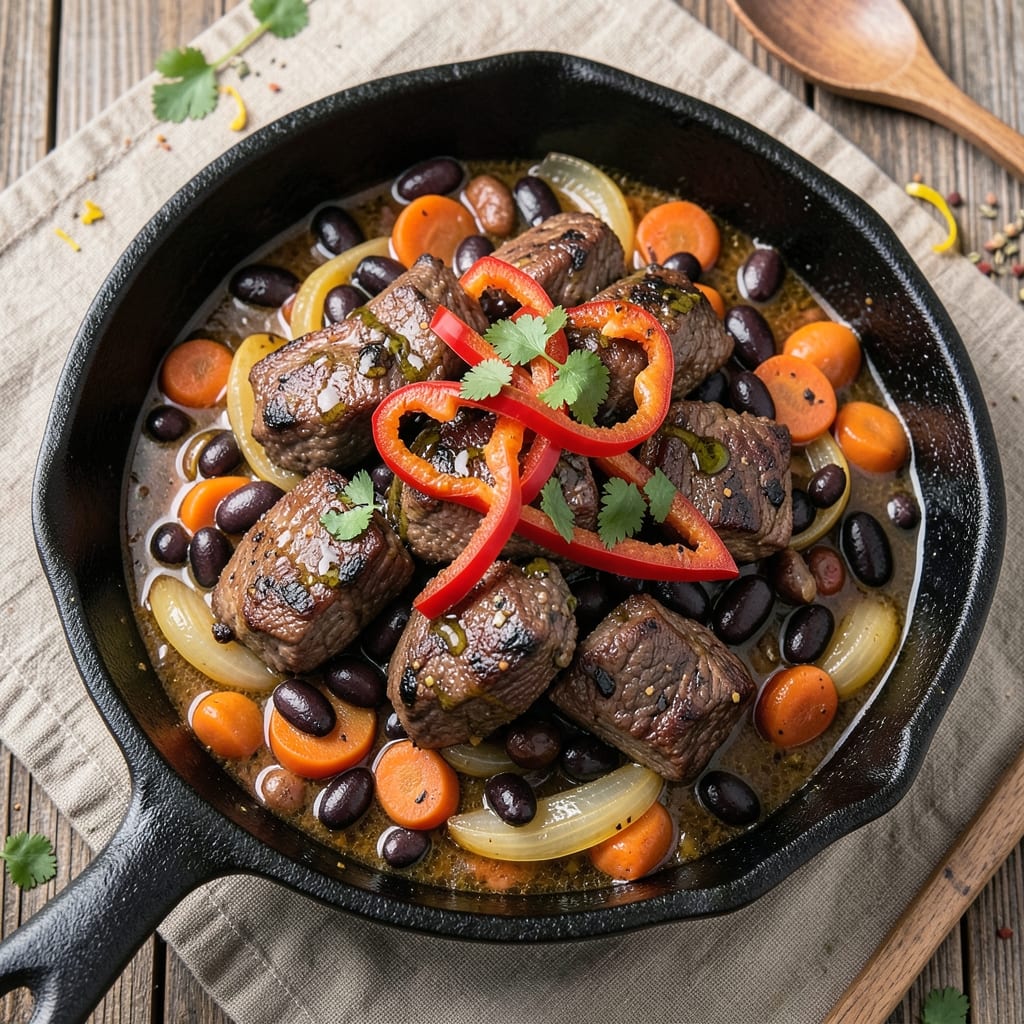
This beef and black bean stew recipe delivers deep, spiced comfort in a single pot, where tender beef and hearty beans simmer into rich, flavorful harmony. The secret lies in slow-browning the meat and letting spices bloom—creating layers of warmth that transform simple ingredients into something extraordinary. Perfect for chilly evenings or meal prep, this one-pot wonder requires just 45 minutes of active time (plus hands-off simmering) and delivers restaurant-quality results without the fuss.
The magic happens in the aromatic base: cumin, smoked paprika, and bay leaves infuse the broth while the beef tenderizes, and black beans absorb every savory note. I’ve tested this recipe in both stovetop and Instant Pot versions—both yield the same deep, velvety texture and satisfying bite. The dish is naturally hearty but easily adaptable: swap in sweet potatoes for extra depth or add a splash of lime for brightness at the end.
By the time you’re ready to serve, you’ll have a stew so rich and flavorful it feels like a hug in a bowl—tender beef, creamy beans, and a broth thickened just enough to coat every spoonful. The spices mellow into a warm, earthy backbone, while the beans add texture and plant-based protein. This isn’t just a meal; it’s a foolproof way to turn weeknights into cozy traditions.
Whether you’re feeding a family or prepping for the week, this stew scales effortlessly and tastes even better the next day. The one-pot method means minimal cleanup, and the flavors only deepen with time. Ready to transform pantry staples into something unforgettable? Let’s get cooking.
Ingredients for beef and black bean stew
Sixteen ingredients, one pot, deep spiced harmony that transforms simple components into restaurant-quality comfort.
| Ingredient | Amount | Notes |
|---|---|---|
| Chuck Roast 🥩 | 2 lb | Pre-cut into 1-inch cubes |
| Black Beans 🌱 | 2 cups | Drained and rinsed, canned or cooked |
| Yellow Onion 🧅 | 1 whole | Diced into 1/4-inch pieces |
| Red Bell Pepper 🌶️ | 1 whole | Diced into 1/4-inch pieces |
| Carrots 🥕 | 2 cups | Cut into 1/2-inch rounds |
| Garlic Cloves 🧄 | 4 cloves | Minced |
| Canned Diced Tomatoes 🍅 | 28 oz | Fire-roasted preferred |
| Beef Broth 💧 | 4 cups | Low-sodium preferred |
| Ground Cumin 🌿 | 2 tsp | Toasted for depth |
| Smoked Paprika 🌶️ | 1 tbsp | For smoky richness |
| Bay Leaves 🍃 | 2 whole | Removed before serving |
| Kosher Salt 🧂 | 1 ½ tsp | Diamond Crystal preferred |
| Black Peppercorns 🌶️ | ½ tsp | Freshly cracked |
| Extra-Virgin Olive Oil 🫒 | 2 tbsp | For searing |
The chuck roast is non-negotiable—its fat content renders during slow cooking, creating a velvety broth. Look for well-marbled cuts at your local butcher or the meat department of Whole Foods, where they often carry pre-cut stew meat. If you're using a whole roast, trim excess fat and cube yourself for even cooking. Black beans should be drained and rinsed to remove excess sodium, and fire-roasted canned tomatoes add a smoky depth that's hard to beat with fresh. For the spices, Penzeys or Spicewalla carry premium ground cumin and smoked paprika, but the store brands at Trader Joe's are surprisingly excellent for everyday use.
No black beans? Kidney beans or pinto beans work equally well, though they may require longer soaking if using dried. Substituting diced tomatoes? Fresh tomatoes puréed and strained add brightness, but add a pinch of sugar to balance acidity. The beef broth can be homemade (simmer beef bones with aromatics) or store-bought—Pacific Foods or Imagine brands are low-sodium and rich. For the olive oil, Californian or Italian varieties with fruity notes work best for searing, while cheaper oils can burn too quickly. The bay leaves are traditional but optional; if you omit them, add an extra pinch of thyme for earthy depth.
This stew tastes even better the next day as flavors meld, so make a double batch for leftovers. Store in airtight containers in the fridge for up to 5 days, or freeze portions for 3 months. To reheat, add a splash of broth or water and simmer until heated through. For meal prep, portion into individual containers with a scoop of beans and beef—perfect for lunches. The broth reduces slightly upon reheating, so add a splash of water if it seems too thick.
Why You'll Love This Recipe
- One-Pot Magic: I swear by this recipe when I forget to clean the kitchen afterward. Chuck roast and black beans simmer together—no extra pots, no fuss—while the onions and peppers caramelize right in the same pot. Honestly, I’ve made it after a long day, and it still tastes like I slaved over it.
- Deep, Smoky Richness: That slow-cooked chuck roast? It practically melts in your mouth, but not before it soaks up all the flavors from the black beans, bell pepper, and carrots. The onions get sweet and jammy, and the spices—whatever you add—just cling to every bite like it’s begging for another spoonful.
- Leftovers That Don’t Suck: Between us, most stew leftovers are sad. Not this one. The flavors actually improve the next day—more tender beef, beans that’ve absorbed all the juices, and a depth that makes it taste like a restaurant dish. I freeze half the batch without blinking.
- Budget Meal, Big Payoff: A chuck roast stretches forever in this stew, and black beans? Cheap protein that still feels special. The veggies—onion, bell pepper, carrots—are pantry staples that transform into something hearty without breaking the bank. My grocery bill thanks me every time.
Step-by-step instructions for beef and black bean stew
This method delivers rich, spiced beef and black bean stew with tender meat and vibrant vegetables in a single pot.
Sear the Chuck Roast for Deep Flavor
Heat a heavy Dutch oven over medium-high heat until hot. Add the 2 tablespoons extra-virgin olive oil and swirl to coat the bottom. Working in batches if needed, add the 2 lb chuck roast cut into 1-inch cubes and sear undisturbed for 3-4 minutes until deeply browned on all sides. This caramelization builds the stew's foundation.
Don't rush this step—browned meat releases flavor into the pot. Once all pieces are golden, transfer them to a plate. If the oil starts smoking before all meat is seared, reduce heat slightly and continue cooking. You'll know it's ready when the meat releases easily from the pan with minimal sticking.
Sauté Aromatics and Spices
In the same Dutch oven, add the diced yellow onion and diced red bell pepper (about 1 whole each). Cook over medium heat for 5-6 minutes until softened and beginning to caramelize. Add the 2 cups carrots cut into ½-inch rounds and cook for another 3 minutes until they begin to soften.
Stir in the 2 teaspoons ground cumin and 1 tablespoon smoked paprika, toasting for 30 seconds until fragrant. Add the 4 minced garlic cloves and cook for 30 seconds more until the raw garlic aroma disappears. This aromatic base forms the stew's complex flavor profile.
Build the Stew Foundation
Return the seared beef to the pot. Add the 28 oz canned diced tomatoes, 4 cups beef broth, 2 whole bay leaves, 1.5 teaspoons kosher salt, and 0.5 teaspoon cracked black peppercorns. Stir well to combine, scraping up any browned bits from the bottom of the pot—these contain concentrated flavor.
Bring the mixture to a boil, then reduce heat to low and cover partially. Let it simmer gently for 1 hour, stirring occasionally. The beef should begin to soften, and the vegetables should start to break down. This initial simmering period is crucial for developing the stew's depth of flavor.
Add Black Beans and Finish Cooking
After 1 hour, stir in the 2 cups drained and rinsed black beans. Return the stew to a simmer and cook uncovered for another 45-60 minutes, until the beef is fork-tender and easily pulls apart. The stew should thicken slightly as it reduces, creating a rich, hearty consistency.
Taste and adjust seasoning if needed—you may want to add a pinch more salt or a splash of broth if the stew is too thick. Remove the 2 bay leaves before serving, as they can be bitter if consumed. The stew should have a deep, aromatic scent with layers of smoky paprika, earthy cumin, and savory beef.
Rest and Serve
Let the stew rest for 10-15 minutes off the heat before serving. This allows the flavors to meld and the juices to redistribute throughout the stew. Serve in bowls with crusty bread or over rice, ensuring each serving includes tender beef, hearty black beans, and vibrant vegetables.
The stew should be thick enough to coat the back of a spoon but still have a slightly saucy consistency. Each bite should deliver a balance of tender beef, earthy black beans, and aromatic vegetables, all infused with the deep spices and rich broth. The one-pot method ensures simplicity while delivering restaurant-quality depth of flavor.
Pro Tips For Making Beef And Black Bean Stew
- Sear the Chuck First: The stew’s flavor starts with the beef—don’t skip the deep brown crust. After slicing the roast into chunks, let them sit out 10 minutes (yes, even if you’re impatient), then sear in batches over medium-high heat with 1 tablespoon of oil. The bitterness from the crust melts into the sauce later, and skipping this step leaves your stew tasting flat.
- Char the Veggies: Cut the onion, bell pepper, and carrots into even ½-inch pieces—no need for perfection, but avoid tiny bits that’ll turn to mush. Sauté them in the same pan after the beef with a pinch of salt, and let them cook undisturbed for 3-4 minutes. That dark, caramelized edge on the peppers and onions? That’s where the real depth comes from.
- Don’t Drown the Beans: Rinsing canned black beans is overrated, but draining and crushing ¼ of them with a fork makes a difference. The crushed ones thicken the stew naturally, while the whole beans keep it hearty. Add them halfway through cooking—if you toss them in at the start, they’ll turn to glue.
- Simmer Low and Slow: This isn’t a race. After adding broth and spices, bring to a gentle boil, then drop the heat to the lowest setting that keeps tiny bubbles breaking the surface. A lid helps, but leave a crack—too much steam turns the stew into soup. Three hours on low is better than two hours on high.
Storing and reheating your leftovers
Refrigerator Storage
Let your stew cool to room temperature within 2 hours before storing—this prevents bacterial growth. Transfer to airtight containers (I use glass Pyrex with snap-on lids) and refrigerate for up to 5 days. The flavors actually deepen overnight as the spices meld, making it taste even better the next day. 💫
Freezer Prep Tips
For longer storage, portion stew into quart-sized freezer bags or airtight containers, leaving 1-inch headspace for expansion. Label with the date and freeze for up to 3 months. I recommend using silicone ice cube trays for individual servings—perfect for quick lunches. Thaw overnight in the fridge for best texture.
Stovetop Reheating
My preferred method is stovetop reheating—it preserves texture better than microwaving. Pour stew into a pot and heat over medium-low heat for 10-15 minutes, stirring occasionally. Add 2-3 tablespoons water or broth if it thickens too much. Taste and adjust seasoning—stews often need a pinch of salt after reheating. 🔥
Microwave Shortcuts
For quick reheating, transfer stew to a microwave-safe bowl and cover loosely with a damp paper towel. Heat on 50% power in 2-minute intervals, stirring between each, until reaching 165°F. Avoid full power to prevent drying out. If the stew seems too thick after reheating, stir in a splash of water or broth.
Broth Boost Technique
If reheated stew tastes flat, revive it by adding ½ cup fresh beef broth and simmering for 5 minutes. This restores depth and balances any lost flavors. For extra richness, stir in 1 teaspoon smoked paprika or a pinch of ground cumin to remind you of the original spices. This trick works wonders for leftovers!
Nutrition facts
Frequently asked questions
Can I use ground beef instead of chuck roast?
Yes, but the texture will be different. Ground beef will cook much faster (20-25 minutes total) and yield a softer, more crumbly result. For best flavor, use 80/20 ground chuck and brown it thoroughly before adding liquids. The stew will still be delicious but won't have the same tender, fork-pulling beef experience.
How can I make this stew spicier?
Add ½ teaspoon cayenne pepper or 1-2 chopped chipotle peppers in adobo sauce when building the aromatic base. For heat without dryness, stir in 1 tablespoon hot sauce at the end. If using fresh peppers, remove seeds for milder heat. Always taste as you go—spices intensify during simmering!
What's the best way to thicken the broth?
Simmer uncovered for 15-20 extra minutes to reduce naturally. For quicker thickening, stir in 1 tablespoon cornstarch mixed with 2 tablespoons cold water and simmer 5 minutes. Avoid flour—it can make the stew cloudy. Another trick: mash ½ cup of the cooked beans directly into the pot for creamy texture.
Can I make this in an Instant Pot?
Sear the beef as directed, then add all ingredients except beans. Cook on High Pressure for 25 minutes, then quick-release. Stir in beans and cook on Sauté mode for 5 minutes to heat through. The pressure method yields extra-tender beef in 40 minutes total. For best results, use 1 cup broth instead of 4 cups.
Why did my stew turn out watery?
This usually happens from overloading the pot or not reducing enough. Use 4 cups broth max for 2 lbs beef. Simmer uncovered for 10-15 minutes to thicken, or stir in 1 tablespoon tomato paste for body. If using canned beans, drain them thoroughly—excess liquid dilutes the stew. Always taste and adjust seasoning before serving.