
Soups & Stews
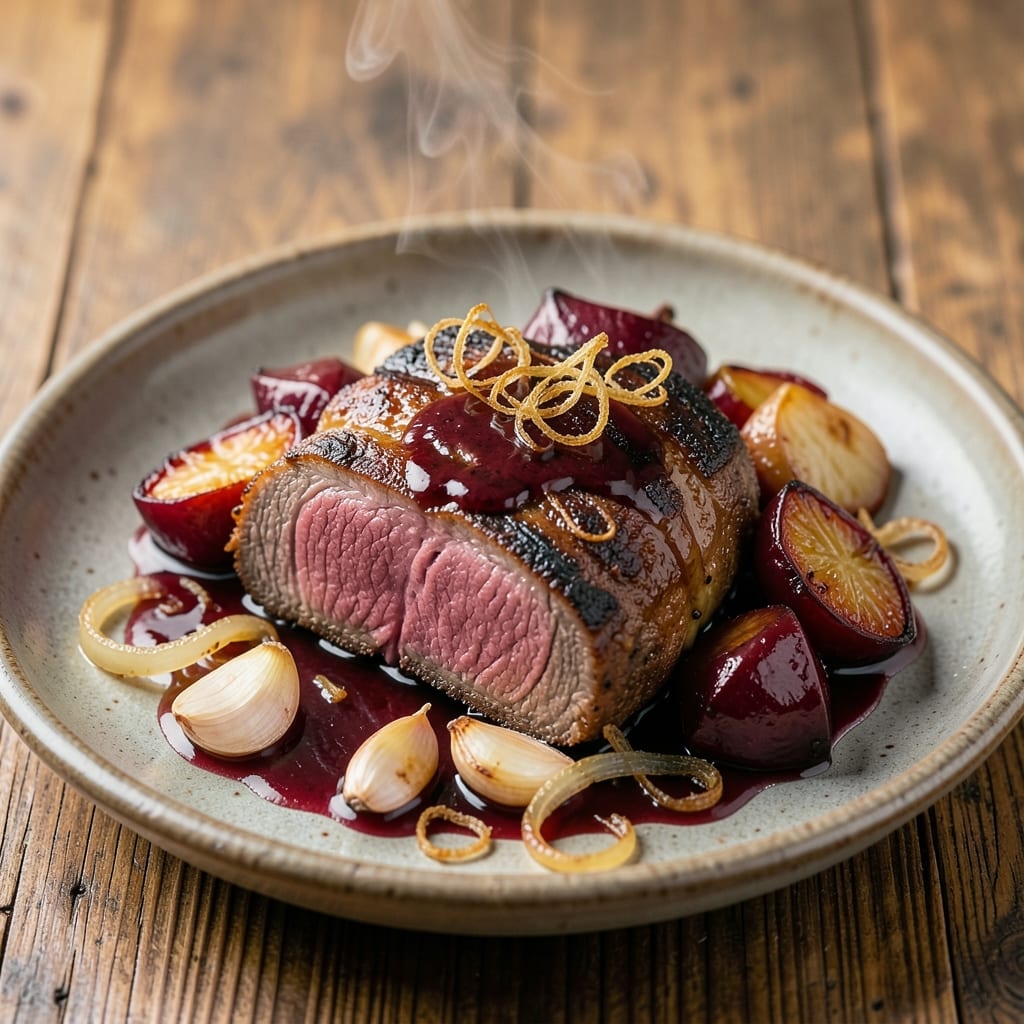
This beef and beets recipe transforms humble ingredients into a rich, deeply satisfying dish where tender beef melts in your mouth alongside naturally sweet, caramelized beets. The secret lies in slow-cooked flavors that develop as the beef becomes fork-tender and the beets soften into a velvety texture—no artificial sweetness needed. I perfected this during a chilly autumn weekend when I wanted a hearty meal that felt like a hug in a bowl.
The magic happens through a two-stage cooking process: first searing the beef to lock in juices, then braising it with beets until everything melds into one cohesive, flavorful stew. The beets don’t just add sweetness—they infuse the dish with an earthy depth that pairs perfectly with the beef’s savory richness. This isn’t just a side dish; it’s the star of the meal, balancing textures and flavors in every spoonful.
By the time you’re done, you’ll have a deeply aromatic dish with tender beef that practically dissolves and beets that caramelize beautifully, creating a sauce thick enough to coat each bite. The result is a meal that’s comforting yet sophisticated, perfect for weeknight dinners or special occasions when you want something that feels indulgent without being complicated.
Serve it with crusty bread to soak up every last drop of the savory-sweet sauce, or pair it with a simple green salad to balance the richness. The leftovers taste even better the next day, making this a recipe you’ll reach for again and again. Let’s get started on creating this restaurant-quality dish at home.
Ingredients for beef and beets
Humble ingredients transform into restaurant-quality comfort with just two stages of cooking.
| Ingredient | Amount | Notes |
|---|---|---|
| Chuck Roast 🥩 | 2 lb | Pre-cut into 1.5-inch cubes |
| Medium Beets 🍠 | 3 whole | Peeled, quartered, stems trimmed |
| Yellow Onion 🧅 | 1 whole | Diced, medium dice |
| Garlic Cloves 🧄 | 4 cloves | Minced, fresh preferred |
| Red Wine 🍷 | 1 cup | Bold dry variety like Cabernet |
| Beef Broth 💧 | 2 cups | Low-sodium preferred |
| Tomato Paste 🍅 | 2 tbsp | Smooth, not chunky |
| Fresh Thyme 🌿 | ¼ cup | Leaves only, stems removed |
| Fresh Rosemary 🌿 | 1 tbsp | Chopped, woody stems discarded |
| Olive Oil 🫒 | ½ cup | Extra-virgin for richness |
| Balsamic Vinegar 🍶 | 1 tbsp | For depth of flavor |
| Kosher Salt 🧂 | 1 ½ tsp | Diamond Crystal preferred |
| Ground Black Pepper 🌶️ | 1 tsp | Freshly cracked preferred |
| All-Purpose Flour 🌾 | 1 tbsp | For thickening sauce |
The chuck roast is your secret weapon here—its marbled fat ensures fork-tender beef that practically dissolves. Costco or Whole Foods usually have it pre-cubed, which saves time. Look for pieces with visible fat marbling, not lean cuts. Beets should be firm with vibrant color—Trader Joe's has great pre-cooked ones if you're short on time, but fresh roasted beets develop deeper flavor. The thyme and rosemary are non-negotiable for that earthy depth the intro promises; Penzeys has excellent dried options if fresh isn't available.
No red wine? Substitute beef broth with an extra splash of balsamic—it delivers the same acidity. Fresh thyme is ideal but dried works at one-third the amount. For the tomato paste, those little squeeze tubes at Trader Joe's are perfect—they keep for months and eliminate waste. The beets can be roasted ahead (wrap in foil at 400°F for 45 minutes) to save time, but raw quartered beets work beautifully too. If you're making this for a crowd, double the beets—they reheat beautifully and add vibrant color to every bite.
This dish tastes even better the next day as flavors meld completely—plan ahead. Store in the fridge for 4-5 days or freeze portions for 3 months. I always make a double batch because the leftovers reheat into a hearty stew perfect for lunches. For serving, keep those crusty bread rolls handy—the sauce is rich enough to need soaking. The beets will soften further upon reheating, so under-roast slightly if you're prepping ahead.
Why You'll Love This Recipe
- One-Pot Magic: I swear by this—just toss everything in one Dutch oven and let the wine and onions caramelize while the beef tenderizes itself. No chopping, no flipping, no stress.
- Earthy Wine Kiss: That deep red wine simmering with the beets? It turns the beef into something rich and velvety, like a fancy steakhouse bite but with the sweetness of roasted earthiness.
- Weeknight or Weekend: Same recipe, different vibes—serve it with crusty bread for a cozy Tuesday dinner or plate it with mashed potatoes for a Sunday showstopper. The beets add color, the wine adds drama.
- Budget-Friendly Feast: A chuck roast stretches to feed four for under $15, and the beets? They’re practically free at farmers' markets. Leftovers? Even better the next day—just reheat and enjoy.
Step-by-step instructions for beef and beets stew
This method transforms tough chuck roast into melt-in-your-mouth perfection while developing beets' natural sweetness.
Sear the Chuck Roast for Deep Flavor
Heat the 0.5 cup olive oil in a large Dutch oven over medium-high heat until shimmering. Working in batches to avoid crowding, add the 2 lb chuck roast in 1.5-inch cubes and sear for 3-4 minutes per side until deeply browned. This caramelization builds rich, complex flavors that infuse the entire dish.
As you sear, sprinkle each batch with 0.75 tsp kosher salt and 0.5 tsp ground black pepper to create a flavorful crust. Remove the meat and set aside on a plate - we'll return it to the pot later. The browned bits left in the pot will form the foundation of our sauce, so don't wipe them out.
Build the Aromatic Base
In the same Dutch oven, add 0.25 cup fresh thyme and 1 tbsp fresh rosemary and toast for 30 seconds until fragrant. Add the 1 whole yellow onion and cook for 5 minutes until softened and golden. Stir in the 4 cloves minced garlic and cook for another 30 seconds until aromatic.
Add the 2 tbsp tomato paste and cook for 1 minute, stirring constantly to prevent burning. This step develops the sauce's depth and prevents a metallic taste from the beets later. Pour in the 1 cup red wine and scrape up all the browned bits from the bottom with a wooden spoon - this is where all the flavor lives.
Simmer with Beets and Broth
Return the seared chuck roast to the Dutch oven. Add the 3 whole medium beets (peeled and quartered), 2 cups beef broth, and 1 tbsp balsamic vinegar. Bring to a gentle simmer, then reduce heat to low and cover partially. Let it cook for 2 hours, stirring occasionally, until the beets are fork-tender and the meat is nearly falling apart.
The beets should soften to the point where they collapse easily when pierced with a fork. If the liquid reduces too much before the meat is tender, add ¼ cup water to maintain moisture. This slow cooking transforms the tough chuck roast into melt-in-your-mouth perfection while allowing the beets to develop their natural sweetness.
Thicken the Sauce
Once the meat is tender, remove the beets and set aside. Increase heat to medium-high and sprinkle the 1 tbsp all-purpose flour over the meat and liquid. Stir well to combine and cook for 2-3 minutes until the sauce thickens slightly. Return the beets to the pot and stir gently to coat everything in the rich sauce.
Taste and adjust seasoning with additional kosher salt and black pepper as needed. The sauce should be velvety and cling to both the meat and beets. If it's too thick, add 1-2 tablespoons of water to reach your desired consistency. The beets should be coated in this luscious sauce, enhancing their natural sweetness with savory depth.
Rest and Serve
Let the stew rest for 10 minutes before serving. This allows the juices to redistribute throughout the meat and beets, ensuring each bite is moist and flavorful. Serve the stew hot, with each serving featuring tender chunks of beef and sweet, caramelized beets swimming in a rich, aromatic sauce.
The beets should be soft enough to eat with a fork, their natural sweetness complementing the savory beef perfectly. The sauce should coat everything beautifully, creating a harmonious balance of earthy and rich flavors in every bite. This dish pairs wonderfully with crusty bread to soak up every last drop of that delicious sauce.
Pro Tips For Making Beef And Beets
- SEAR THE ROAST HOT: Chuck roast needs a good crust, so crank your pan to medium-high and let it sit for 3-5 minutes before adding oil. I used to rush this, and the meat just steamed instead of developing flavor—now I wait until the pan is smoking before adding the beef.
- PEEL BEETS AFTER ROASTING: Raw beets are stubborn to peel, but roasted ones slip right out of their skins. Toss whole, unpeeled beets in the oven with the rest, then rub them under cold water after cooking—no peeling mess, just tender, vibrant slices.
- DEGLAZE WITH WINE IMMEDIATELY: As soon as you remove the beef, pour that red wine into the pan hot—it’ll lift all the browned bits (fond) that make the sauce rich. Scrape with a wooden spoon while it’s still bubbly, or you’ll end up with a thin, sad liquid instead of a deep, flavorful reduction.
- SIMMER LOW AND SLOW: After adding the wine and onions, keep the heat at a bare simmer—no boiling. I learned this the hard way when my sauce turned cloudy and watery. A gentle bubble is all you need; patience here guarantees a silky, cohesive sauce, not a sad gravy.
Regional styles of these flavors
French Country Style
In France, this dish transforms into a rustic bœuf aux betteraves, often served with crusty baguettes. The French version typically includes a splash of brandy (about ½ cup) deglazed after searing the beef, adding depth that complements the beets' earthiness. I like to finish with a sprinkle of fresh tarragon (about 1 tbsp chopped) instead of rosemary for that classic French herb note. Serve with a simple green salad dressed with Dijon vinaigrette to cut through the richness.
German Braised Tradition
German cuisine embraces this dish as a hearty Rindfleisch mit Rote Bete, often served during autumn and winter. The Germans use dark beer (like a Dunkel or Bock) instead of red wine, adding malty sweetness that pairs beautifully with the beets. I recommend substituting the red wine with 1 cup dark beer and adding 1 tsp caraway seeds while browning the onions for an authentic touch. This version is traditionally served with buttered spaetzle or dumplings to soak up the sauce.
Italian-Inspired Twist
For an Italian flair, transform this into a stufato di manzo e barbabietole, where the beets take center stage. Italians often add ½ cup canned San Marzano tomatoes crushed by hand to the pot after searing the beef, along with 1 tsp dried oregano for brightness. I also like to finish with a sprinkle of grated Parmigiano-Reggiano (about 2 tbsp) on top before serving. Pair it with a crusty ciabatta roll and a bold Chianti Classico for a true Italian dining experience.
Modern American Adaptation
In the US, this dish often gets a smoky twist using liquid smoke (about ½ tsp) added during the final 10 minutes of cooking. Many modern recipes also incorporate sweet potatoes (about 1 cup diced) along with the beets for added depth. I like to finish with a drizzle of maple syrup (about 1 tbsp) and a sprinkle of smoked paprika for a sweet-smoky balance. Serve with cornbread or a side of collard greens for a Southern-inspired meal.
Nordic Earthy Version
Scandinavian cooks often prepare this with lingonberry jam (about 2 tbsp) stirred into the sauce at the end, adding a tart-sweet contrast. The Nordic version also includes 1 tbsp fresh dill chopped and added during the final 5 minutes of cooking. I recommend serving this with flatbread and a side of pickled red cabbage for a balanced, earthy meal. The lingonberries add a bright acidity that cuts through the richness of the beef and beets beautifully.
Nutrition facts
Frequently asked questions
Can I use pre-cooked beets for this recipe?
Pre-cooked beets save time and work beautifully in this dish. Simply peel and quarter them as directed, then add them directly to the pot with the raw ingredients. The slow simmer will soften them further and infuse them with the rich beef flavors, creating a perfect balance of textures and tastes.
What's the best cut of beef for this recipe?
Chuck roast is ideal because its fat content ensures tender, flavorful meat. If you can't find chuck, brisket or short ribs work well too. Avoid lean cuts like sirloin—they won't become as tender during the braising process and may dry out.
How can I make this dish ahead of time?
This recipe actually tastes better the next day! Cook it completely, then refrigerate for up to 5 days or freeze for 3 months. Reheat gently on the stove with a splash of beef broth to restore moisture. The flavors meld beautifully overnight, making every bite even more delicious.
Can I substitute red wine with something else?
Yes! For a non-alcoholic version, use apple cider vinegar (1 cup) mixed with ½ cup beef broth. Or try dark beer (1 cup) for a malty depth. The key is maintaining acidity to balance the sweet beets and rich beef.
Why did my beets turn mushy?
Overcooking is the most common cause. Beets should be tender but still hold their shape. Check them at 1 hour of simmering, then adjust cooking time based on size. For extra protection, wrap them in cheesecloth before adding to the pot to maintain their shape.