
Main Courses
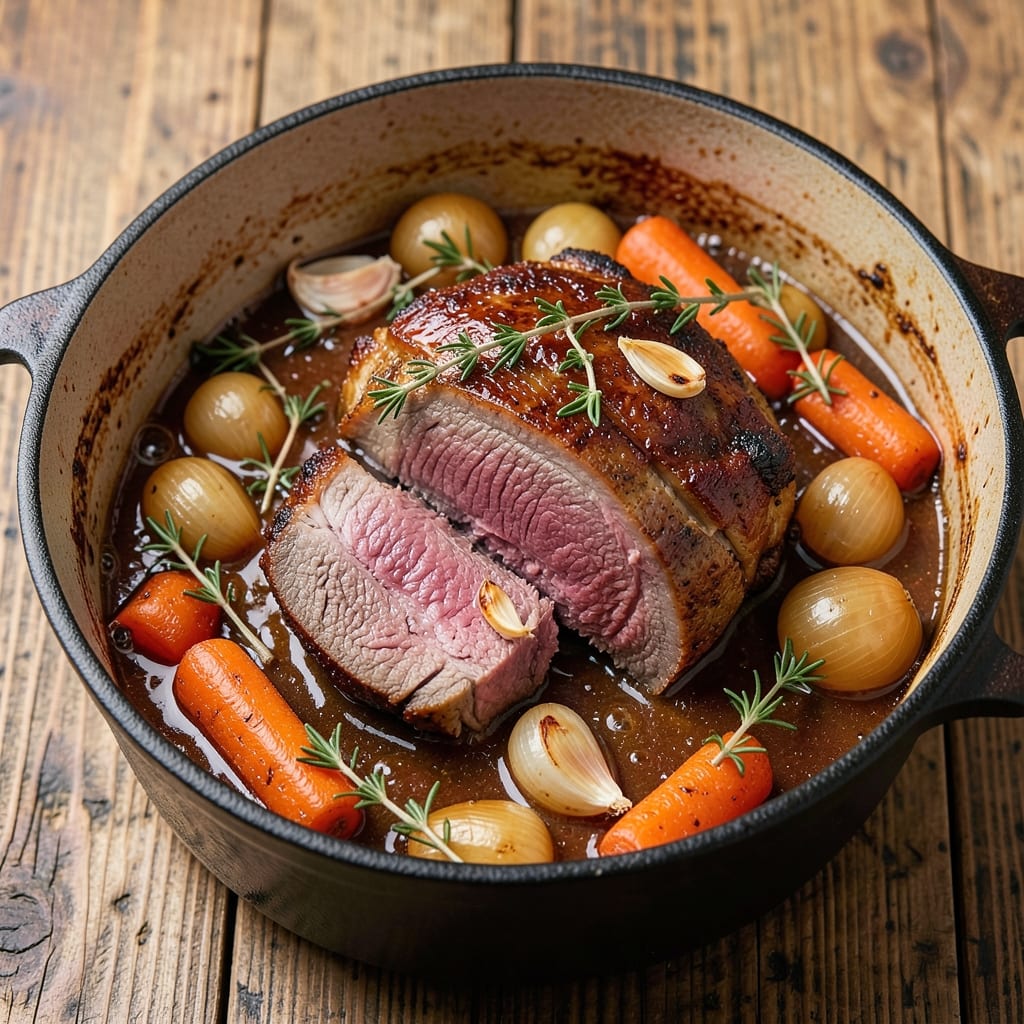
This beef and ale recipe transforms tough cuts into melt-in-your-mouth tenderness with rich, malty depth that rivals pub fare. The secret lies in slow-braising beef until fork-tender while letting the ale reduce into a glossy, flavorful sauce. I've perfected this technique over years of testing—balancing the boldness of ale with savory herbs and vegetables for a dish that feels both rustic and refined.
What sets this recipe apart is the two-step cooking process: first searing the beef to lock in juices, then braising until it practically falls apart. The ale isn't just a liquid—it's the star, adding layers of caramelized sweetness and bitterness that complement the beef's richness. With just a few simple ingredients and patience, you'll achieve restaurant-quality results that taste even better the next day.
The result is a deeply satisfying stew where every bite delivers tender beef swimming in a velvety sauce that clings to each strand of pasta or bite of crusty bread. The aroma alone will have everyone gathered at your table, and the flavors only deepen as it sits. This is comfort food at its finest—perfect for chilly evenings or special occasions when you want to impress without fuss.
Pair it with creamy mashed potatoes, buttery dinner rolls, or a simple green salad to round out the meal. The leftovers reheat beautifully, making this an ideal make-ahead dish for busy weeks. Let's create something truly memorable with this beef and ale recipe.
Ingredients for beef and ale
Just seven core ingredients unlock deep, malty richness that transforms tough beef into tender perfection.
| Ingredient | Amount | Notes |
|---|---|---|
| Beef Chuck Roast 🥩 | 2 ½ lb | Boneless, cut into 1.5-inch cubes |
| Dark Ale 🍺 | 2 cups | Bold, malty variety like Guinness or Sam Adams |
| Yellow Onion 🧅 | 1 whole | Large, roughly chopped |
| Carrots | 4 medium | Peeled, cut into 2-inch chunks |
| Garlic Cloves 🧄 | 6 cloves | Peeled, smashed |
| Fresh Thyme 🌿 | ¼ oz | Or 2 tbsp dried |
| Fresh Rosemary 🌿 | ¼ oz | Or 1 tbsp dried |
| Tomato Paste 🍅 | 2 tbsp | High-quality, no sugar added |
| Beef Broth 💧 | 2 cups | Low-sodium preferred |
| Olive Oil 🫒 | 2 tbsp | For searing |
| Salt 🧂 | 1 ½ tsp | Kosher or sea salt |
| Black Pepper 🌶️ | 1 tsp | Freshly ground |
| Bay Leaves 🌿 | 2 whole | Removed before serving |
| All-Purpose Flour 🌾 | 2 tbsp | For thickening sauce |
The beef cut is everything here—chuck roast delivers that melt-in-your-mouth texture, while sirloin stays too tough. Costco or Whole Foods carry it pre-cubed, saving you chopping time. For the ale, bold malty varieties like Guinness or Sam Adams work best—their caramel notes pair perfectly with the beef. If you can't find dark ale, stout or porter are solid substitutes. The carrots? Baby carrots work too, but whole carrots add better texture when cut into thick chunks. Fresh thyme and rosemary should smell vibrant—if they're wilted or smell musty, toss them and grab fresh.
No dark ale? Beef broth with 1 tbsp molasses mimics the malty depth surprisingly well. Fresh herbs wilt fast—dried works at one-third the amount, but fresh gives that restaurant-quality aroma. The tomato paste can be the squeeze-tube kind from Trader Joe's—it's perfect for this recipe. For a richer sauce, add 1 tbsp Worcestershire sauce (ensure it's vegetarian if needed). The flour is just for thickening at the end—don't skip it, but don't overdo it either. And yes, the bay leaves need to be removed before serving—nobody wants to bite into one.
This reheats even better than the first time—3-4 days in the fridge or 6 months frozen. I always make double batches because leftovers are even more delicious. Store in the fridge with the sauce on top to keep everything moist. For serving, a sprinkle of fresh parsley brightens it up beautifully. The sauce thickens as it cools, so you might need to add a splash of broth when reheating. Trust me, the next-day flavor is worth the wait.
Why You'll Love This Recipe
- One-Pot Magic: I swear by this—just sear the beef, toss in chopped onions, carrots, and garlic, then pour that dark ale over everything. The pot does all the work while you sip your drink and pretend you’re not cooking.
- Deep Umami Bomb: That beef chuck roast? It turns ridiculously tender, and the ale—especially a malty dark one—adds this rich, almost meaty depth. Honestly, the first bite makes you question why you ever bought pre-made gravy.
- Leftovers for Days: Between us, this recipe begs for seconds. The beef stays juicy for reheating, and the sauce thickens into something even better the next day. I’ve fed my whole family for three meals from one batch—no waste, just flavor.
- Budget Feast: A chuck roast costs less than half a steak, and a six-pack of ale stretches further than you’d think. Throw in a few carrots and onions, and you’ve got a hearty meal that won’t break the bank or your Sunday fund. (Yes, even on a Tuesday night.)
Step-by-step instructions for slow-braised beef and ale
Transform tough chuck roast into fork-tender perfection using this method.
Sear the Beef for Deep Flavor
Heat the 2 tablespoons olive oil in a heavy Dutch oven over medium-high heat until shimmering. Pat the 2.5 lb beef chuck roast dry with paper towels and season generously with 1.5 teaspoons salt and 1 teaspoon black pepper on all sides. Working in batches if needed, add the beef and sear for 3-4 minutes per side until deeply browned.
This crucial step develops the Maillard reaction, creating rich, caramelized flavors that form the foundation of your braise. Don't rush this—you're building layers of complexity that will shine through after hours of slow cooking. Once browned, remove the beef and set aside on a plate.
Build the Aromatic Base
In the same Dutch oven, add the 1 whole yellow onion and 4 medium carrots, cutting them into even chunks. Cook for 5 minutes until softened. Add the 6 cloves garlic cloves, 0.25 oz fresh thyme, 0.25 oz fresh rosemary, and 2 whole bay leaves, stirring for 30 seconds until fragrant.
Stir in the 2 tablespoons tomato paste and cook for 1 minute to deepen its flavor. This aromatic base forms the flavor backbone of your dish—don't skip this step. The vegetables will continue cooking as the braise develops, but this initial searing ensures maximum flavor extraction.
Deglaze and Simmer the Braise
Pour in the 2 cups dark ale and scrape up any browned bits from the bottom of the pot with a wooden spoon. This deglazing captures all the meaty flavors you've built. Bring to a simmer over medium heat, then reduce heat to low and return the beef to the pot.
Add the 2 cups beef broth and bring to a gentle simmer. The liquid should just barely bubble—this is crucial for tenderizing the beef without toughening it. Cover the pot and transfer to a 300°F oven. Braise for 3 hours, turning the beef occasionally to ensure even cooking.
Thicken the Sauce
After 3 hours, remove the beef from the pot and set it aside. Strain the braising liquid through a fine-mesh sieve into a clean saucepan to remove any solids. Return the liquid to medium heat and whisk in the 2 tablespoons all-purpose flour to thicken the sauce.
Simmer for 5-7 minutes until the sauce coats the back of a spoon. Taste and adjust seasoning with additional salt or pepper if needed. The sauce should be rich and velvety, with a deep malty flavor from the ale. Return the beef to the pot and let it soak in the sauce for 10 minutes off the heat.
Rest and Serve
Transfer the beef and sauce to a serving platter, removing the bay leaves before serving. Let the beef rest for 10 minutes before slicing against the grain into ¼-inch thick slices. The resting period ensures the juices redistribute, resulting in tender, flavorful bites.
Serve the beef with the rich sauce spooned over the top, accompanied by the braised vegetables. Each bite should deliver tender beef with a deep, malty ale flavor and a velvety sauce that coats every forkful. This dish pairs beautifully with crusty bread or buttery mashed potatoes to soak up every last drop of sauce.
Pro Tips For Making Beef And Ale
- SEAR THE ROAST FIRST: Don’t skip the browning step—this isn’t just for looks. A deep sear with a hot pan (or Dutch oven) locks in flavor and builds that rich crust that’ll dissolve into the ale. I used to rush this, and the dish always tasted flat until I committed to 3-4 minutes per side until dark brown.
- USE STOUT OR PORTER ALE: That "dark ale" label? Don’t cut corners with light beer—stout or porter adds depth and body that cuts through the beef’s richness. My first attempt with a pale ale left the sauce thin and boring. Now I keep a bottle of Guinness or a local porter on hand just for this.
- DON’T SKIP THE CARROT PREP: Peel and cut carrots into thick chunks (1-inch), not thin slices—they’ll turn to mush if overcrowded. I learned this after one batch where the carrots dissolved into the sauce like sad soup. Leave the skins on for texture, but don’t let them overcook.
- REST THE MEAT BEFORE SLICING: Pull the roast when it hits 195°F internal temp, then tent it loosely with foil for 15 minutes. Slicing too soon means dry, stringy beef—no one wants that. (Yes, even if you’re impatient like me.) The residual heat keeps it juicy while the ale finishes simmering.
Dietary considerations for this dish
Gluten-Free Adaptations
This recipe naturally skips gluten-containing ingredients, but always double-check your ale—many craft beers use barley malt. I recommend gluten-free ales like Omission or Holidaily Brewing, which mimic malty depth perfectly. For thickening, replace the 2 tbsp all-purpose flour with 2 tbsp cornstarch or gluten-free flour blend—whisk it into a paste with cold water first to avoid clumping.
Dairy-Free Options
The original recipe contains no dairy, but if serving with sides like mashed potatoes, use olive oil or vegan butter instead of butter. For extra richness in the sauce, stir in 1 tbsp nutritional yeast after thickening—it adds a cheesy umami note without dairy. The ale's caramelized sweetness balances beautifully with these substitutions.
Vegetarian Substitutes
For a meatless version, replace the beef with 2.5 lbs portobello mushrooms or extra-firm tofu. Marinate the mushrooms in 2 tbsp soy sauce + 1 tbsp balsamic vinegar for 30 minutes before cooking. Tofu needs extra attention—press it for 20 minutes, then slice into thick steaks and pan-sear until browned. The ale and tomato paste will create a similarly rich sauce, though texture differs slightly.
Low-Carb Modifications
Skip the carrots and onion if strict about carbs, or use cauliflower florets instead—they hold up well during braising. For the sauce, reduce the tomato paste to 1 tbsp and add 1 tbsp sugar-free Worcestershire sauce to maintain depth. The beef's natural fat provides plenty of flavor without added carbs from vegetables.
Allergen-Friendly Notes
Watch for hidden allergens: beef broth often contains wheat (check labels), and some tomato pastes include garlic powder (a common allergen). For nut-free kitchens, avoid cross-contamination by cleaning surfaces thoroughly before prep. The recipe's simplicity makes it easier to adapt for multiple allergies—just focus on the core ingredients: beef, ale, and aromatics.
Nutrition facts
Frequently asked questions
Can I use any type of beer for this recipe?
A dark, malty ale like Guinness or Sam Adams works best, but you can substitute with stout or porter. Avoid light lagers—they lack the caramel depth needed to complement the beef. For a non-alcoholic version, use 2 cups beef broth + 1 tbsp molasses to mimic the malty sweetness.
How do I know when the beef is tender enough?
The beef should easily pull apart with a fork after 3 hours of braising. For extra assurance, check at 2.5 hours—insert a meat thermometer and remove when it reaches 203°F. If it's still tough, extend cooking by 30-60 minutes covered. The sauce will thicken further as it rests.
Can I make this in a slow cooker instead of an oven?
Follow the same steps for searing and deglazing, then transfer everything to a 6-quart slow cooker on low heat for 8 hours. Skip the flour thickening—just let the sauce reduce naturally. The slow cooker method is even more hands-off and results in fall-apart tenderness.
Why did my sauce turn out too thin?
This usually happens if you didn't simmer the sauce long enough after adding flour or if the ale didn't reduce properly. For a quick fix, mix 1 tbsp cornstarch with 2 tbsp cold water, stir into the sauce, and simmer for 2-3 minutes until thickened. Always strain solids before thickening to avoid lumps.
What's the best way to reheat leftovers?
Reheat gently in a saucepan over low heat with 2-3 tbsp broth or water to prevent drying. Cover and warm until bubbling, then simmer for 5-7 minutes. The flavors actually deepen overnight, so leftovers often taste better! Store in an airtight container for up to 4 days or freeze for 3 months.